


 Secure and Reliable
  High quality
  Worldwide shipping
  Bonuses and Discounts
  Money back Guarantee
 - Bestsellers
- Alcoholism
- COVID-19
- Allergy
- Anti Fungal
- Alzheimers
- Anti Viral
- Anti-Depressants
- Anti-Inflammatory
- Antibacterial
- Antiparasitic
- Antibiotics
- Arthritis
- Asthma
- Birth Control
- Blood Pressure
- Cancer
- Cardiovascular
- Cholesterol
- Diabetes
- Diuretics
- Erectile Dysfunction
- Eye Drop
- Gastro Health
- General Health
- Hair Loss
- Hepatitis C Virus (HCV)
- HIV
- Hormones
- Men's ED Packs
- Men's Health
- Mental Illness
- Motion Sickness
- Muscle Relaxant
- Pain Relief
- Parkinson’s Disease
- Veterinary Medicines
- Quit Smoking
- Vitamins
- Skin Care
- Sleeping Aids
- Weight Loss
- Women's Health
Generic Abiraterone
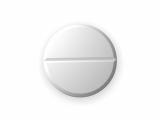
Abiraterone acetate is an oral androgen biosynthesis inhibitor indicated for the treatment of metastatic castration‑resistant prostate cancer (mCRPC) and metastatic high‑risk castration‑sensitive prostate cancer (mCSPC), in combination with prednisone or prednisolone. It works by selectively and irreversibly inhibiting cytochrome P450 17A1 (CYP17), an enzyme required for androgen production in the testes, adrenal glands, and tumour tissue. By blocking androgen synthesis, abiraterone reduces testosterone to castrate levels and slows the growth of prostate cancer cells that depend on androgens. It is not a chemotherapy drug and must be used together with a corticosteroid to manage mineralocorticoid‑related adverse effects.
Usual adult dose: The recommended dose of abiraterone is 1000 mg (four 250 mg tablets) taken orally once daily as a single dose, on an empty stomach (at least 1 hour before or 2 hours after a meal). The tablets must be swallowed whole with water; they should not be broken, crushed, or chewed. Abiraterone is always co‑administered with prednisone 5 mg twice daily (or prednisolone 5 mg once daily) for mCRPC, and with prednisone 5 mg once daily for mCSPC, to reduce the risk of mineralocorticoid excess. Treatment continues until disease progression or unacceptable toxicity. If a dose is missed, the patient should take the next dose at the usual time the following day; two doses must not be taken on the same day. Dose modifications may be required for hepatotoxicity or drug interactions; if a strong CYP3A4 inducer cannot be avoided, the abiraterone dose is increased to 1000 mg twice daily, but only on the advice of a specialist. No dose adjustment is required in renal impairment, but patients with moderate or severe hepatic impairment should not receive abiraterone unless the benefit clearly outweighs the risk, and liver function must be closely monitored.
Dosage form: Uncoated tablets: 250 mg (white to off‑white, oval‑shaped). Abiraterone is also available as 500 mg film‑coated tablets in some countries, but in Canada the 250 mg tablet is the standard strength, dispensed in bottles of 120 tablets.
Onset of action: Suppression of serum testosterone occurs within days of starting therapy; steady‑state plasma levels of abiraterone are achieved within approximately 2 weeks. Clinical benefit, measured by prostate‑specific antigen (PSA) response and radiographic progression‑free survival, is typically evaluated after 3 to 6 months of treatment.
Duration of action: Once‑daily dosing maintains continuous androgen synthesis inhibition. The elimination half‑life of abiraterone is approximately 12 hours; the effect on CYP17 is irreversible, so pharmacodynamic action extends well beyond the plasma half‑life. Treatment continues as long as clinical benefit is observed.
Alcohol recommendation: No direct interaction between abiraterone and alcohol has been established. However, alcohol is hepatically metabolized and may compound the risk of liver injury in patients receiving abiraterone, which is known to cause hepatotoxicity. Patients with liver impairment, heavy alcohol consumers, or those at risk of liver disease should limit or avoid alcohol and undergo regular liver function monitoring.
Most common side effects: The adverse effects are largely related to mineralocorticoid excess secondary to CYP17 inhibition and include hypertension, hypokalemia, fluid retention (peripheral edema), and atrial fibrillation. Other common events are fatigue, joint pain, hot flushes, diarrhea, urinary tract infection, and cough. Hepatotoxicity, manifesting as marked elevations in alanine aminotransferase (ALT) and aspartate aminotransferase (AST), can be serious and requires baseline and monthly liver function tests during the first few months of therapy; if Grade 2 or higher hepatotoxicity occurs, treatment must be interrupted or discontinued. Adrenal insufficiency can occur if prednisone is omitted or during stress; patients require corticosteroid stress dosing for surgery or infection. Osteoporosis and fractures are more frequent in patients on long‑term androgen deprivation. Abiraterone is not for use in women and is contraindicated during pregnancy; if used in females of child‑bearing potential, effective contraception is mandatory. This medication must be prescribed and supervised by an oncologist or a healthcare professional experienced in prostate cancer management.
Would you like to try Abiraterone without a prescription?

Buy Generic Abiraterone () without prescription in Canada
At our pharmacy, you can buy Abiraterone without a prescription, with discreet and anonymous packaging delivered within 5-14 days across Canada.
What is Abiraterone?
Abiraterone is a hormonal therapy for advanced prostate cancer. Specifically, it's used for metastatic castration-resistant prostate cancer, where the cancer keeps growing despite low testosterone levels from standard hormone therapy. It's also used earlier in the disease, for metastatic hormone-sensitive prostate cancer, combined with androgen deprivation therapy. The drug starves prostate cancer cells of the fuel they need. Even after surgical or medical castration, the adrenal glands and the tumour itself can still produce small amounts of androgens. Abiraterone blocks an enzyme called CYP17, which is essential for androgen production not just in the testes but throughout the body. By shutting down that enzyme, it drops testosterone to near-zero levels, removing the signal that tells cancer cells to divide.
This isn't a cure. It's a life-extending treatment. It buys time. Clinical trials showed it can add months, sometimes years, before the cancer progresses, and it helps keep pain and other symptoms at bay. The effect is measured in delayed progression and maintained quality of life. Abiraterone is not taken alone. It's always prescribed with a small dose of prednisone or prednisolone to manage the side effects of the hormone blockade. The standard dose is 1000 mg once daily, taken as four 250 mg tablets together in the morning. You must take it on an empty stomach. Food, especially fatty food, can dramatically increase absorption and lead to toxicity. No food for at least two hours before and one hour after.
Mechanism and Pharmacology
Abiraterone acetate is a prodrug. After you swallow it, it's rapidly converted in the liver to abiraterone, the active form. Abiraterone is a potent and irreversible inhibitor of CYP17A1, which is a cytochrome P450 enzyme complex. It blocks two specific steps in steroid synthesis: 17-alpha-hydroxylase and C17,20-lyase. These enzymes convert pregnenolone and progesterone into the precursors of testosterone and other androgens. Blocking them cuts off the supply of androgens from all sources: the testes, the adrenal glands, and the tumour itself. The result is a profound drop in serum testosterone, below the already low levels achieved by standard hormone therapy.
The enzyme blockade causes a build-up of mineralocorticoids, primarily deoxycorticosterone. That's why abiraterone causes fluid retention, high blood pressure, and low potassium. Prednisone or prednisolone, given at a low dose of 5 to 10 mg daily, suppresses the pituitary's ACTH drive, which in turn reduces the mineralocorticoid excess and keeps these side effects in check. Prednisone is not the cancer treatment. It's the safety partner that makes abiraterone tolerable.
Oral absorption of abiraterone is highly dependent on food. Taking it with a fatty meal can increase exposure 5 to 10 times, pushing plasma levels into a toxic range and causing severe mineralocorticoid effects. That's why the strict fasting rule is enforced. Peak plasma concentration is reached in about 2 hours under fasting conditions. The half-life is about 12 to 15 hours. It's metabolized by CYP3A4 and SULT2A1, and excreted mainly in feces, with a small amount in urine. Liver function must be monitored closely because abiraterone can be hepatotoxic, causing severe liver injury in a small percentage of patients.
How to Use Abiraterone
Take all four 250 mg tablets (total 1000 mg) once daily in the morning. Swallow them whole with water. Do not crush or split them. The critical rule is to take them on an empty stomach. No food for at least 2 hours before and at least 1 hour after the dose. Water is allowed, but no coffee, juice, milk, or anything with calories. This is not a flexible guideline. Breaking the fast dramatically increases the risk of severe side effects, including hypertensive crisis and liver damage.
The prednisone or prednisolone partner is taken at the same time, usually 5 mg twice daily or 10 mg once daily, depending on your doctor's instructions. Do not skip the prednisone. It's there to protect you from mineralocorticoid toxicity. You'll need regular blood tests: liver function tests every 2 weeks for the first 3 months, then monthly after that. Potassium, blood pressure, and signs of fluid retention are also monitored closely. If your liver enzymes start climbing, your doctor may pause treatment, lower the dose to 500 mg daily, or stop entirely if the damage is severe. If you forget a dose, skip the missed one and take the next dose at the usual time the following morning. Do not double up. If you miss more than one dose, talk to your oncologist.
Side Effects of Abiraterone
The side effects come from two places: the androgen deprivation and the mineralocorticoid buildup. From androgen deprivation, you get the expected effects of very low testosterone: fatigue, hot flashes, muscle loss, joint pain, and a drop in libido. These are common and often manageable. The mineralocorticoid excess causes fluid retention, leading to swelling in the ankles, weight gain, and high blood pressure. Hypokalemia, low potassium, can cause muscle weakness and dangerous heart rhythms. The prednisone is designed to limit these effects, but they still occur in many patients and require monitoring.
Hepatotoxicity is the most serious risk. Abiraterone can inflame the liver, sometimes severely. This is why liver enzymes are checked so frequently. Symptoms to watch for are nausea, vomiting, abdominal pain, dark urine, yellowing of the skin or eyes, and severe fatigue. If these appear, stop the drug and contact your oncologist immediately. The liver damage is usually reversible if caught early. Cardiac events, including heart attack and arrhythmia, occur at a higher rate in patients on abiraterone, especially those with pre-existing heart disease or uncontrolled hypertension. Other side effects include diarrhea, rash, upper respiratory infections, and an increased risk of falls due to muscle weakness. Adrenal insufficiency can develop if the prednisone is stopped abruptly, so the steroid dose must be tapered, not stopped suddenly, especially during illness or surgery.
High-Risk Groups (Elderly, Pregnancy)
Pregnancy. Abiraterone is not for women. It's a prostate cancer drug. If a pregnant woman is exposed to the tablets or powder, it can cause fetal harm. Women who are pregnant or may become pregnant should not handle the tablets without gloves. The drug is not indicated for women and is contraindicated in pregnancy.
Breastfeeding. Not applicable, as the drug is used in men. However, the manufacturer advises that if a woman were somehow taking it, she should not breastfeed.
Elderly men are the core population for this drug. No dose adjustment is needed based on age alone. However, older men are more likely to have hypertension, heart disease, and reduced kidney function, all of which can be exacerbated by the mineralocorticoid effects. They need particularly close monitoring of blood pressure, potassium, and fluid balance. The risk of falls from muscle weakness is also higher. Liver function declines with age, but the standard monitoring schedule is usually sufficient.
Liver disease. Abiraterone is contraindicated in men with severe hepatic impairment (Child-Pugh class C). For moderate impairment, the drug should be used with extreme caution, and the dose may need to be reduced to 250 mg daily. For mild impairment, no dose adjustment is required, but closer monitoring of liver enzymes is needed. Kidney disease. No dose adjustment is needed for mild to moderate renal impairment. There is limited data in severe renal impairment or end-stage renal disease. Caution is advised. Men with significant heart disease, uncontrolled hypertension, or a history of arrhythmias should be carefully evaluated before starting abiraterone. The mineralocorticoid effects can tip a stable heart condition into crisis.
Interaction With Activities (Driving, Alcohol)
Abiraterone can cause fatigue and muscle weakness, which can impair your ability to drive safely. If you feel tired or slow, don't drive. The drug itself doesn't cause sudden dizziness, but the drop in blood pressure from the mineralocorticoid effects can, especially when standing up quickly. Alcohol doesn't interact directly with abiraterone metabolism, but it can worsen liver inflammation and should be limited. Heavy drinking while on a drug that's already tough on the liver is a gamble not worth taking. If you drink, keep it light and infrequent, and tell your oncologist honestly.
Drug Interactions
Abiraterone is a moderate inhibitor of CYP2D6, an enzyme that metabolizes about a quarter of all drugs. This means it can increase the blood levels of certain medications. The most clinically significant interaction is with dextromethorphan, a cough suppressant; its levels can rise, but this is usually not dangerous. More importantly, some beta-blockers (metoprolol, carvedilol), antidepressants (amitriptyline, paroxetine), and antipsychotics (haloperidol, risperidone) are CYP2D6 substrates, and their effects can be amplified. Your doctor may need to adjust their doses. Warfarin levels are not affected by abiraterone, but liver dysfunction can alter clotting factors, so INR should be monitored.
Strong CYP3A4 inducers, like rifampin, phenytoin, carbamazepine, and St. John's Wort, can lower abiraterone levels and make it less effective. These should be avoided if possible. Strong CYP3A4 inhibitors (ketoconazole, itraconazole, clarithromycin) can theoretically increase abiraterone levels, but this is rarely a problem because the drug is already taken under fasting conditions to prevent spikes. Spironolactone and eplerenone, mineralocorticoid receptor antagonists, should not be used with abiraterone. They can interfere with the androgen receptor and might worsen the cancer, and they also complicate the mineralocorticoid management. Always tell your oncologist about every medication, supplement, and herbal product you're taking.
Alternative Options
Abiraterone is one of several androgen receptor pathway inhibitors. The main alternative is enzalutamide (Xtandi), which blocks the androgen receptor itself rather than stopping androgen production. Enzalutamide doesn't need prednisone and has a different side effect profile, with more fatigue and a risk of seizures. Apalutamide (Erleada) and darolutamide (Nubeqa) are newer androgen receptor inhibitors used for non-metastatic castration-resistant prostate cancer, now also used in metastatic settings. The choice between them depends on the stage of cancer, side effect tolerance, and drug interactions. Chemotherapy with docetaxel is another standard treatment, especially for metastatic disease, and it can be used before or after abiraterone. Radium-223 (Xofigo) is used for men with symptomatic bone metastases. For men with BRCA mutations, PARP inhibitors like olaparib may be an option. The treatment landscape for advanced prostate cancer is complex, and the sequence of therapies is tailored to each man's disease and response. Abiraterone remains a cornerstone because it's an oral drug, well tolerated for long periods, and has clear survival benefits when used at the right time.
INN, Brand Names, and Classification in Canada
INN (International Nonproprietary Name): Abiraterone acetate
Available brand names in Canada: Zytiga, and generic abiraterone
ATC code: L02BX03
Forms and strengths: Tablets 250 mg. The standard daily dose is four 250 mg tablets (1000 mg) taken as a single morning dose.
Manufacturers: Janssen Inc. (Zytiga), and diverse generic manufacturers including Apotex Inc., Teva Canada Limited, and Sandoz Canada Inc.
Registration status in Canada: Registered
Classification: Prescription (Rx)
Frequently Asked Questions
Why must I take abiraterone on an empty stomach?
Food, especially fatty food, can increase the amount of drug in your blood by 5 to 10 times. This sounds like a good thing, but it's not. A sudden spike in drug levels can cause dangerous liver inflammation, sky-high blood pressure, and severe potassium loss. The strict fasting rule keeps the drug at a safe, predictable level. Take the tablets first thing in the morning, and wait at least an hour before breakfast.
Do I have to take prednisone with abiraterone?
Yes. Abiraterone blocks cortisol production at the same time it blocks androgens. The prednisone replaces the cortisol your body is missing and, more importantly, suppresses the hormone ACTH, which drives the mineralocorticoid buildup. Without prednisone, you'd likely develop severe fluid retention, high blood pressure, and low potassium. It's not optional. If you miss your prednisone, contact your doctor for instructions.
How long will I need to take abiraterone?
As long as it keeps working and the side effects are manageable. For many men, this means months to years. The treatment continues until the cancer progresses, usually shown by a rising PSA, new pain, or new spots on scans. If the cancer becomes resistant, your oncologist will switch you to a different therapy. Don't stop on your own, even if you feel well. The cancer is being held in check.
What are the signs of liver trouble?
Watch for yellowing of your skin or the whites of your eyes, dark urine, severe nausea or vomiting, pain in the upper right side of your belly, and extreme tiredness that doesn't feel right. If you notice any of these, stop the drug and call your oncologist or go to the emergency room. Your liver enzymes will be checked regularly, but symptoms can appear between blood tests.
Delivery Information Across Canada
We ship Abiraterone to all provinces and territories. Delivery times vary depending on how remote your location is:
- Ontario (Toronto, Ottawa, Mississauga): 5 to 7 days
- Quebec (Montreal, Quebec City, Laval): 5 to 7 days
- British Columbia (Vancouver, Victoria, Burnaby): 5 to 9 days
- Alberta (Calgary, Edmonton, Red Deer): 5 to 9 days
- Manitoba (Winnipeg, Brandon): 5 to 9 days
- Saskatchewan (Saskatoon, Regina): 5 to 9 days
- Nova Scotia (Halifax, Sydney): 5 to 9 days
- New Brunswick (Moncton, Fredericton): 5 to 9 days
- Newfoundland and Labrador (St. John's, Corner Brook): 7 to 14 days
- Prince Edward Island (Charlottetown): 7 to 14 days
- Yukon, Northwest Territories, Nunavut: 7 to 14 days
All shipments are packed discreetly with no branding or indication of contents on the outside.


| Shipping method | Delivery time | Price | |
 Delivery Delivery |
14-21 days | 14.95$ | Tracking# available in 4 days |
 Delivery Delivery |
9-14 days | 30$ | Tracking# available in 2 days |
- Shipping worldwide
- Confidentiality and anonymity guarantee
- Safe and secure
- Discrete looking packages
- Dispatch orders within 24 hours
- 100% success delivery


