


 Secure and Reliable
  High quality
  Worldwide shipping
  Bonuses and Discounts
  Money back Guarantee
 - Bestsellers
- Alcoholism
- COVID-19
- Allergy
- Anti Fungal
- Alzheimers
- Anti Viral
- Anti-Depressants
- Anti-Inflammatory
- Antibacterial
- Antiparasitic
- Antibiotics
- Arthritis
- Asthma
- Birth Control
- Blood Pressure
- Cancer
- Cardiovascular
- Cholesterol
- Diabetes
- Diuretics
- Erectile Dysfunction
- Eye Drop
- Gastro Health
- General Health
- Hair Loss
- Hepatitis C Virus (HCV)
- HIV
- Hormones
- Men's ED Packs
- Men's Health
- Mental Illness
- Motion Sickness
- Muscle Relaxant
- Pain Relief
- Parkinson’s Disease
- Veterinary Medicines
- Quit Smoking
- Vitamins
- Skin Care
- Sleeping Aids
- Weight Loss
- Women's Health
Generic Actigall ( Ursodeoxycholic acid )
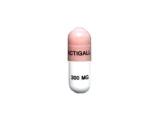
Buy Generic Actigall (Ursodeoxycholic acid) without prescription in Canada
In our Canadian pharmacy, you can buy Actigall (Ursodeoxycholic Acid) without a prescription, with delivery across Canada within 5‑14 days. Discreet and anonymous packaging.
Actigall (ursodiol, also known as ursodeoxycholic acid) is a naturally occurring bile acid used primarily to dissolve small cholesterol gallstones in patients who cannot have or wish to avoid gallbladder surgery. It works by reducing the amount of cholesterol released into the bile by the liver, while also promoting the breakdown of cholesterol-based gallstones. It is also an established treatment for primary biliary cholangitis, where it helps improve bile flow and protects liver cells from the toxic effects of accumulated bile acids.
Usual adult dose: For gallstone dissolution, the recommended dose is 8 to 10 mg per kilogram of body weight per day, divided into two or three doses. For prevention of gallstones during rapid weight loss, 300 mg is taken twice daily. For primary biliary cholangitis, the typical dose ranges from 13 to 15 mg per kilogram per day, also divided into two to four doses. Treatment for gallstones can last from 6 months to 2 years and should be monitored with periodic ultrasound imaging.
Dosage form: Oral capsules, 300 mg.
Onset of action: The drug is absorbed upon oral administration, with therapeutic concentrations accumulating over time. A clinical effect on gallstone dissolution is not immediate and requires several months of continuous therapy, as the drug gradually desaturates cholesterol in the bile.
Duration of action: The effects of a single dose last as long as the drug is being processed through the enterohepatic circulation. With continuous use, the cholesterol-lowering effect on bile is maintained, but gallstones can recur within 5 years in up to 50% of patients after therapy is stopped.
Alcohol recommendation: There is no direct interaction between alcohol and Actigall that would cause a severe reaction. However, chronic heavy alcohol consumption can damage the liver and counteract the therapeutic benefits of the medication. It is best to limit alcohol intake to a minimum during treatment.
Most common side effects: Diarrhoea, nausea, vomiting, constipation, dyspepsia, abdominal pain, headache, dizziness, and pruritus. For patients with existing gallstones, the use of the drug can sometimes cause an increase in biliary pain.
Would you like to try Actigall (Ursodeoxycholic Acid) without a prescription?
General Information about Actigall (Ursodeoxycholic Acid)
- INN (International Nonproprietary Name): Ursodeoxycholic acid (also known as ursodiol).
- Brand names available in Canada: Actigall® (300 mg capsules), Urso® (250 mg tablets), Urso DS® (500 mg tablets). Generic formulations include Apo-Ursodiol, Pms-Ursodiol, and other manufacturer-branded products.
- ATC code: A05AA02 (bile acid preparations).
- Dosage forms and strengths: 300 mg oral capsules. It is also available in tablet form in 250 mg and 500 mg strengths.
- Manufacturers in Canada: Aptalis Pharma Canada ULC (Urso/Urso DS), Pharmascience Inc. (Pms-Ursodiol), and other generic manufacturers. For the 300 mg capsule, Actigall is manufactured by various international companies and imported for the Canadian market.
- Registration status in Canada: Approved by Health Canada. Marketed.
- OTC / Rx classification: Prescription only (Rx). Schedule I drug.
Mechanism of Action and Pharmacology
Actigall (ursodeoxycholic acid, UDCA) is a hydrophilic, naturally occurring secondary bile acid. In health, it makes up a very small portion of the body's total bile acid pool. When administered as a drug, UDCA fundamentally alters the composition of the circulating bile, enriching it with a more hydrophilic and less toxic bile acid. The therapeutic effects are achieved through several distinct pathways:
First, in the treatment of cholesterol gallstones, UDCA reduces the secretion of cholesterol into bile while its synthesis by the liver decreases. This lowers the cholesterol saturation index of bile, creating an environment where cholesterol can move from the surface of a gallstone back into the bile. Over time, this can lead to the partial or complete dissolution of small, radiolucent cholesterol stones.
Second, in cholestatic liver diseases such as primary biliary cholangitis (PBC), UDCA protects liver cells (hepatocytes and cholangiocytes) from the toxic, detergent-like effects of the endogenous hydrophobic bile acids that accumulate when bile flow is blocked. UDCA acts as a cytoprotective agent, stabilizing cell membranes and reducing oxidative stress. It also stimulates the secretion of bile from the liver and the excretion of toxic bile acids into the gut, lowering their intrahepatic levels and thus slowing the progression of the disease.
The pharmacology of UDCA is dominated by the enterohepatic circulation. After oral administration, about 90% of a dose is absorbed in the small bowel. It is then efficiently extracted from the portal blood by the liver on its "first pass," where it is conjugated with glycine or taurine and secreted into the bile. It is then concentrated in the gallbladder and released back into the small intestine during meals to be reabsorbed, completing the cycle. Systemic absorption is minimal, and only very small amounts are excreted in urine. The sites of its therapeutic action are thus entirely within the liver, bile, and gut lumen.
Indications
- The oral dissolution of small (< 2 cm in diameter), radiolucent, non-calcified cholesterol gallstones in patients with a functioning gallbladder who are not good candidates for surgery (cholecystectomy).
- The prevention of gallstone formation in obese patients undergoing rapid weight loss (e.g., following bariatric surgery or while on a very-low-calorie diet).
- The management of cholestatic liver diseases, most notably primary biliary cholangitis (formerly known as primary biliary cirrhosis).
- It has also been used for other cholestatic conditions such as cystic fibrosis-associated liver disease and intrahepatic cholestasis of pregnancy.
Important Warnings and Precautions
At‑risk groups
- Pregnancy: Actigall should be used during pregnancy only if the potential benefit clearly justifies the potential risk to the fetus. It has been used for intrahepatic cholestasis of pregnancy under specialist care, but data on its safety are not conclusive. Women of childbearing potential should use effective, non-hormonal contraception during treatment for gallstones.
- Breastfeeding: It is not known whether ursodiol is excreted in human milk. Because many drugs are excreted in human milk, caution should be exercised when Actigall is administered to a nursing mother.
- Paediatrics: The safety and efficacy in children have not been fully established, though it is used off-label for certain paediatric liver diseases by specialists.
- Elderly: No specific dosage adjustments are required, but the presence of age-related liver or biliary tract disease should be considered.
- Liver disease: Actigall is specifically used for certain liver diseases, but its use in patients with more advanced decompensated cirrhosis (e.g., those with ascites or variceal bleeding) should be carefully monitored.
- Gallstone selection: The drug will not dissolve calcified, radiopaque, or pigment gallstones. It is ineffective for biliary obstruction or acute cholecystitis. A functioning gallbladder must be confirmed via oral cholecystography or ultrasound before therapy starts.
- Allergy: Do not take Actigall if you are allergic to ursodiol or any other bile acid preparation.
Driving and alcohol
Ursodeoxycholic acid has no or negligible influence on the ability to drive or use machines. Therefore, no special precautions are required. Regarding alcohol, there is no disulfiram-like reaction. However, as alcohol is a hepatotoxin, chronic or heavy consumption can offset the liver-protecting benefits of the drug and should be avoided or strictly moderated.
Dosage Instructions
- For the dissolution of cholesterol gallstones: The recommended dose is 8 to 10 mg/kg/day, divided into two or three doses. The total daily dose for a typical adult ranges from 600 mg to 800 mg per day. For example, a 300 mg capsule is taken two or three times daily. Treatment is long-term and must continue for at least 3 months after the stones have dissolved, which can take 6 months to 2 years, as confirmed by ultrasound.
- For the prevention of gallstones during rapid weight loss: A dose of 300 mg is taken twice daily.
- For primary biliary cholangitis (PBC): The dose is 13 to 15 mg/kg/day, divided into two to four doses per day. A common regimen for early-stage PBC is 300 mg to 500 mg divided into two daily doses.
- Administration: Actigall should be taken with meals to ensure the gallbladder contracts and empties properly, allowing the drug to mix with the cholesterol-rich bile. Capsules should be swallowed whole with a glass of water.
- Missed dose: If a dose is missed, take it as soon as you remember unless it is almost time for the next dose. Do not double the dose to catch up.
Side Effects and Contraindications
- Common side effects: The most common side effect is diarrhoea (loose stools). Other gastrointestinal issues include nausea, vomiting, dyspepsia, abdominal pain, and constipation. Dermatological effects like pruritus (itching), rash, and urticaria can occur. Some patients may also experience headache, dizziness, fatigue, or sleep disturbances.
- Serious side effects: A serious, though rare, event is the calcification of previously non-calcified gallstones, which would render them insoluble to further medical therapy. In patients with advanced PBC, decompensation of hepatic cirrhosis has been observed in very rare cases after the start of therapy, partially regressing upon discontinuation. The biliary pain can become more frequent or severe as the stones dissolve.
- Contraindications: Actigall is contraindicated in patients with acute inflammation of the gallbladder or bile ducts (acute cholecystitis/cholangitis), complete biliary obstruction, frequent biliary colic, calcified or radiopaque gallstones, a non-functioning gallbladder, or a known hypersensitivity to bile acids or any excipient in the formulation.
Drug Interactions
- Bile acid sequestrants (e.g., cholestyramine, colestipol): These drugs bind to ursodiol in the intestine, blocking its absorption and making it completely ineffective. Administration must be separated by at least 2 hours.
- Aluminum-based antacids: These also bind ursodiol and reduce its absorption. Doses should be separated by 2 hours.
- Clofibrate and Estrogens: These agents can increase the liver's secretion of cholesterol, potentially promoting gallstone formation and counteracting the therapeutic effect of ursodiol.
- Cyclosporine: Ursodiol may alter the absorption of cyclosporine from the intestine. Blood levels of cyclosporine should be monitored closely if the drugs are used together.
- Nitrendipine: Ursodiol has been shown to reduce the peak plasma concentration (Cmax) and total exposure (AUC) of the calcium channel blocker nitrendipine. An increase in nitrendipine dose may be required.
- Dapsone: A reduction in the therapeutic effect of dapsone has been reported with co-administration.
Practical Advice
- Administration: Take the medication exactly as prescribed. Regularity is key to maintaining a cholesterol-poor bile environment. Always take the capsules with a meal or a snack.
- Monitoring: If you are taking Actigall for gallstone dissolution, the success of treatment must be monitored with ultrasound imaging at 6-month intervals. For PBC, liver function tests (LFTs) will be monitored by your doctor every 1 to 3 months initially, and then every 6 months.
- Storage: Store at room temperature (15‑30 °C) in a tightly closed container, away from moisture, heat, and light.
- Lifestyle: A low-cholesterol, high-fiber diet and maintaining a healthy weight can help prevent further gallstone formation and support the liver-protecting effects of the drug. Avoid rapid weight loss except under medical supervision, in which case the drug is prescribed to prevent new stone formation.
- Duration of therapy: This is a long-term treatment. Do not stop taking the medication without consulting your physician, as gallstones often recur after the drug is stopped, especially within the first 5 years.
Alternative Medications
- Chenodeoxycholic acid (CDCA): Another primary bile acid used for gallstone dissolution. While effective, it is generally less preferred than UDCA due to a higher incidence of dose-related diarrhoea, potential liver toxicity, and a smaller therapeutic window.
- Obeticholic acid (Ocaliva®): A farnesoid X receptor (FXR) agonist approved as a second-line treatment for primary biliary cholangitis (PBC) in patients who show an inadequate response or are intolerant to UDCA. It is not used for gallstone dissolution.
- Cholecystectomy (surgical removal of the gallbladder): The definitive treatment for symptomatic gallstones. It is often performed laparoscopically and is a permanent solution, unlike the temporary dissolution provided by Actigall, after which stones can recur.
- Extracorporeal Shock Wave Lithotripsy (ESWL): A non-invasive procedure that uses sound waves to break gallstones into smaller pieces, which can then be dissolved more effectively with UDCA or passed naturally. It is most suitable for single, small, radiolucent stones in a functioning gallbladder.
Clinical Efficacy
The clinical efficacy of ursodeoxycholic acid for the dissolution of cholesterol gallstones is well-documented but highly selective. Studies show that complete stone dissolution can be achieved in 30% to 60% of carefully selected patients with small (< 1.5 cm), floating, radiolucent stones in a functioning gallbladder, over a treatment period of up to 2 years. Stones that are larger, multiple, or non-floating have significantly lower dissolution rates. The recurrence rate after successful dissolution is a major limitation, with stones reappearing in up to 50% of patients within 5 years.
For primary biliary cholangitis (PBC), UDCA is the standard-of-care first-line therapy. A large meta-analysis of long-term studies showed that patients with PBC treated with UDCA at a dose of 13 to 15 mg/kg/day had significantly improved survival, delayed histological progression of liver disease, and a reduced need for liver transplantation. Clinical efficacy is monitored through normalization or significant improvement in serum alkaline phosphatase and bilirubin levels. Patients who achieve an adequate biochemical response to UDCA have a prognosis comparable to that of the general age- and sex-matched population.
Important:
Actigall (ursodeoxycholic acid) is a prescription medication that must be used under the supervision of a qualified healthcare professional. It is designed for specific, radiologically confirmed types of gallstones and liver diseases and is not effective for all gallstones. A full diagnostic workup is mandatory before starting treatment. Close monitoring with periodic ultrasound examinations and liver function tests is essential to ensure the therapy is working and to avoid rare but serious complications like gallstone calcification. Do not stop taking the medication without consulting your doctor, as the underlying condition can quickly return. This information is not a substitute for professional medical advice, diagnosis, or treatment.


| Shipping method | Delivery time | Price | |
 Delivery Delivery |
14-21 days | 14.95$ | Tracking# available in 4 days |
 Delivery Delivery |
9-14 days | 30$ | Tracking# available in 2 days |
- Shipping worldwide
- Confidentiality and anonymity guarantee
- Safe and secure
- Discrete looking packages
- Dispatch orders within 24 hours
- 100% success delivery


