


 Secure and Reliable
  High quality
  Worldwide shipping
  Bonuses and Discounts
  Money back Guarantee
 - Bestsellers
- Alcoholism
- COVID-19
- Allergy
- Anti Fungal
- Alzheimers
- Anti Viral
- Anti-Depressants
- Anti-Inflammatory
- Antibacterial
- Antiparasitic
- Antibiotics
- Arthritis
- Asthma
- Birth Control
- Blood Pressure
- Cancer
- Cardiovascular
- Cholesterol
- Diabetes
- Diuretics
- Erectile Dysfunction
- Eye Drop
- Gastro Health
- General Health
- Hair Loss
- Hepatitis C Virus (HCV)
- HIV
- Hormones
- Men's ED Packs
- Men's Health
- Mental Illness
- Motion Sickness
- Muscle Relaxant
- Pain Relief
- Parkinson’s Disease
- Veterinary Medicines
- Quit Smoking
- Vitamins
- Skin Care
- Sleeping Aids
- Weight Loss
- Women's Health
Generic Aczone ( Diaminodiphenyl sulfone )
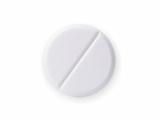

Buy Generic Aczone (Diaminodiphenyl sulfone) without prescription in Canada
In our Canadian pharmacy, you can buy Aczone (Dapsone) without a prescription, with delivery across Canada within 5‑14 days. Discreet and anonymous packaging.
Aczone is a brand name for dapsone, a sulfone antibacterial and anti‑inflammatory agent. It is used primarily in a topical gel formulation (5%) for the treatment of acne vulgaris. The oral form of dapsone (diaminodiphenyl sulfone) is available as a 100 mg tablet and is indicated for the treatment of leprosy (Hansen’s disease) in combination with other agents, dermatitis herpetiformis (a chronic blistering skin condition linked to gluten sensitivity), and for the prevention of Pneumocystis jirovecii pneumonia (PCP) in immunocompromised patients. Oral dapsone works by inhibiting dihydrofolic acid synthesis via competition with para‑aminobenzoic acid (PABA), disrupting folate metabolism in susceptible organisms and suppressing the cutaneous inflammation in dermatitis herpetiformis. The 100 mg tablet is the standard adult strength for systemic therapy; the topical gel is applied once daily to the affected skin.
Usual adult dose (oral tablet): For leprosy, the recommended dose is 100 mg taken orally once daily in combination with rifampicin and clofazimine for 12 months. For dermatitis herpetiformis, the starting dose is 50 mg daily, titrated upward to a maintenance range of 50–300 mg daily (often 100 mg daily) as tolerated. For PCP prophylaxis, 100 mg once daily is used, either alone or with pyrimethamine and leucovorin. Doses should be taken with food to reduce gastrointestinal irritation. For the topical gel, a pea‑sized amount is applied to the entire face once daily, avoiding the eyes and lips.
Dosage form: Oral tablet: 100 mg of dapsone. Topical gel: Aczone® 5% (50 mg dapsone per gram of gel) in a 30 g or 60 g tube. The 100 mg oral tablet is typically supplied in bottles of 30 or 100, and institutional bulk packs of 1000 are also available for long‑term programs.
Onset of action: In leprosy, clinical improvement is gradual; cutaneous lesions begin to resolve within 3–6 months of multidrug therapy. In dermatitis herpetiformis, pruritus and blister formation may be controlled within days to weeks of achieving the effective oral dose. For PCP prophylaxis, the protective effect begins after the first week of daily intake. The topical gel for acne shows improvement in inflammatory lesions within 4 weeks, with maximal effect after 12 weeks.
Duration of action: The elimination half‑life of oral dapsone is approximately 20–30 hours, supporting once‑daily dosing. The clinical effect persists as long as the drug is taken regularly; relapse of symptoms in dermatitis herpetiformis occurs within days of discontinuation. The topical gel has a local effect that lasts with continued daily application; systemic absorption is minimal.
Alcohol recommendation: Alcohol consumption should be limited or avoided during treatment with oral Dapsone. Alcohol may increase the risk of liver toxicity and can exacerbate gastrointestinal side effects. Heavy alcohol intake may also reduce the efficacy of dapsone and increase the likelihood of adverse haematological reactions. For the topical gel, alcohol consumption does not interact directly, but excessive drinking can worsen acne and skin inflammation.
Most common side effects: Oral dapsone commonly causes haemolytic anaemia (dose‑related, especially in G6PD deficiency), methaemoglobinaemia (cyanosis, fatigue), nausea, vomiting, headache, and peripheral neuropathy. Serious adverse reactions include agranulocytosis, aplastic anaemia, and dapsone hypersensitivity syndrome (DRESS), which can be life‑threatening. The topical gel is generally well tolerated; mild dryness, redness, and oiliness at the application site may occur. All patients starting oral dapsone must be screened for G6PD deficiency, and regular complete blood counts are mandatory.
Would you like to try Aczone (Dapsone) without a prescription?
General Information about Aczone (Dapsone / Diaminodiphenyl sulfone)
- INN (International Nonproprietary Name): Dapsone (4,4′‑diaminodiphenyl sulfone).
- Brand names available in Canada: For the topical gel, Aczone® 5% (Galderma Canada Inc.) is indicated for acne vulgaris. For the oral tablet, dapsone is available under its generic name; no brand‑name oral product is marketed, but generic dapsone tablets 100 mg are supplied by various manufacturers (e.g., Jacobus Pharmaceutical Company). Our pharmacy supplies the oral 100 mg generic dapsone tablet and the topical Aczone gel, both through the international supply chain where applicable.
- ATC code: J04BA02 (dapsone; drugs for treatment of lepra). For the topical gel, D10AX05 (dapsone, topical).
- Dosage forms and strengths: Oral tablet: 100 mg of dapsone (also available in 25 mg and 50 mg in some markets). Topical gel: Aczone® 5% (50 mg/g), in 30 g and 60 g tubes. The 100 mg oral tablet is the standard adult dose for systemic therapy.
- Manufacturers in Canada: Galderma Canada Inc. (Aczone gel). For oral tablets, Jacobus Pharmaceutical Company and other generic manufacturers supply the Canadian market. Our pharmacy obtains internationally sourced products as needed.
- Registration status in Canada: Aczone 5% gel is approved by Health Canada for acne (DIN 02340346). Oral dapsone tablets 100 mg are also approved (DIN 02180635 and others) for leprosy, dermatitis herpetiformis, and PCP prophylaxis. Both are available by prescription.
- OTC / Rx classification: Prescription only (Rx). Schedule I drug under the Controlled Drugs and Substances Act. A valid prescription from a licensed Canadian healthcare professional is required.
Mechanism of Action and Pharmacology
Dapsone is a structural analogue of para‑aminobenzoic acid (PABA) that competitively inhibits dihydropteroate synthetase in the folate biosynthetic pathway of bacteria and protozoa, thereby blocking dihydrofolic acid synthesis and ultimately nucleic acid production. This mechanism is bacteriostatic against Mycobacterium leprae and is also active against Pneumocystis jirovecii. In dermatitis herpetiformis, the exact mechanism is unknown; dapsone does not affect the underlying gluten‑sensitive enteropathy but suppresses the cutaneous inflammatory response, likely by inhibiting neutrophil adherence, migration, and release of myeloperoxidase and reactive oxygen species. For the topical gel, the anti‑inflammatory effect on acne lesions is thought to be mediated by similar pathways, reducing neutrophil‑driven inflammation in the pilosebaceous unit.
After oral administration, dapsone is rapidly and almost completely absorbed, with peak plasma concentrations reached within 2–8 hours. The drug is extensively metabolised by N‑acetylation and N‑hydroxylation; the latter forms dapsone hydroxylamine, which is responsible for haemolysis and methaemoglobinaemia. Dapsone undergoes enterohepatic recycling, is approximately 70–90% protein‑bound, and has an elimination half‑life of 20–30 hours. Metabolites are excreted in the urine. Following topical application of the 5% gel, systemic absorption is minimal (about 1% of an oral 100 mg dose), and plasma concentrations are well below those associated with systemic side effects. However, accumulation can occur with extensive application or on damaged skin. Because of the risk of haemolytic anaemia, all patients should be screened for glucose‑6‑phosphate dehydrogenase (G6PD) deficiency before starting oral dapsone. For topical use, G6PD screening is not required for most patients but should be considered if extensive, prolonged application is used.
Indications
- Oral dapsone 100 mg:
• Leprosy (Hansen’s disease): As part of a multidrug regimen (with rifampicin and clofazimine) for the treatment of multibacillary and paucibacillary leprosy.
• Dermatitis herpetiformis: For the control of the cutaneous manifestations (intense pruritus and blistering) of this chronic, gluten‑sensitive skin disease. A strict gluten‑free diet is the definitive treatment.
• Pneumocystis jirovecii pneumonia (PCP) prophylaxis: As an alternative to trimethoprim‑sulfamethoxazole in immunocompromised patients (e.g., HIV/AIDS, transplant recipients) who cannot tolerate first‑line agents.
• Off‑label uses: Prophylaxis of toxoplasmosis, treatment of linear IgA bullous dermatosis, and other neutrophilic dermatoses. - Topical Aczone 5% gel: For the topical treatment of acne vulgaris. It is applied once daily to the entire face, avoiding the eyes, lips, and mucous membranes. It reduces inflammatory and non‑inflammatory lesions and is particularly useful in patients with sensitive skin.
Important Warnings and Precautions
At‑risk groups
- Pregnancy: Oral dapsone should be used during pregnancy only if the potential benefit clearly outweighs the potential risk. It is considered compatible for leprosy and dermatitis herpetiformis when needed, but near‑term use may cause neonatal haemolysis and methaemoglobinaemia. Pregnant women should receive folic acid supplementation. The topical gel is likely safe in pregnancy when used as directed, but limited data are available. Consult a physician.
- Breastfeeding: Dapsone is excreted in breast milk. Haemolytic anaemia has been reported in breastfed infants, especially those with G6PD deficiency. Breastfeeding is not recommended during oral dapsone therapy unless the maternal benefit is compelling and the infant is monitored for haemolysis. For topical Aczone, systemic absorption is minimal, and it is generally considered compatible with breastfeeding when applied to limited areas. The infant should be observed for signs of adverse effects.
- Paediatrics: Safety and efficacy of oral dapsone have been established for leprosy and dermatitis herpetiformis in children; doses are weight‑based (1–2 mg/kg/day). G6PD screening and haematological monitoring are especially important. Aczone 5% gel is not indicated for children under 12 years of age; safety and efficacy have not been established.
- Elderly: No specific dose adjustment is required for age alone, but elderly patients may be more susceptible to haemolysis, methaemoglobinaemia, and peripheral neuropathy. Lower starting doses (50 mg daily) and careful monitoring are recommended for oral therapy. Topical therapy is generally well tolerated.
- G6PD deficiency: Patients with glucose‑6‑phosphate dehydrogenase deficiency are at high risk of severe haemolytic anaemia when taking oral dapsone. All patients must be screened before starting oral therapy. If the test is positive, dapsone should be used only if absolutely necessary and with extreme caution, at the lowest effective dose, with frequent monitoring of haemoglobin and reticulocyte count. For topical Aczone, G6PD screening is not routinely required because systemic exposure is very low; however, caution is advised in patients with severe deficiency if large areas are treated.
- Haemolytic anaemia and methaemoglobinaemia (oral): Dose‑related haemolysis and methaemoglobinaemia occur to some degree in all patients. Significant anaemia may develop, especially at doses above 200 mg/day. Complete blood count, reticulocyte count, and methaemoglobin level must be monitored at baseline and regularly during therapy (weekly for the first month, then every 2–4 weeks). If haemoglobin falls below 8–10 g/dL, or significant symptoms develop, the dose must be reduced or the drug discontinued. Methaemoglobinaemia presents with cyanosis, headache, and fatigue; levels above 15–20% require treatment with methylene blue.
- Dapsone hypersensitivity syndrome (DRESS; oral): A potentially fatal reaction characterised by fever, rash, eosinophilia, lymphadenopathy, and multi‑organ involvement (hepatitis, nephritis, pneumonitis, myocarditis) typically occurs 3–6 weeks after starting oral dapsone. The drug must be discontinued immediately at the first sign of hypersensitivity. Rechallenge is contraindicated. For topical Aczone, systemic hypersensitivity is extremely rare.
- Peripheral neuropathy (oral): Motor and sensory neuropathy, predominantly axonal, has been reported with prolonged use of oral dapsone. Early symptoms include muscle weakness and wasting in hands and feet. If neuropathy develops, dapsone should be discontinued. The topical gel is not associated with this risk.
- Agranulocytosis and aplastic anaemia (oral): Rare but life‑threatening bone marrow suppression can occur. Any significant drop in white blood cell or platelet count requires immediate discontinuation and haematological evaluation.
- Allergy: Do not take oral dapsone or use topical Aczone if you have a known hypersensitivity to dapsone, other sulfones, or any excipient in the formulation. Cross‑sensitivity with sulfonamide antibiotics may occur.
Driving and alcohol
Oral dapsone may cause dizziness, headache, and fatigue, which could impair the ability to drive or operate machinery. Patients should be cautious until they know how the medication affects them. Alcohol should be limited or avoided because it can increase the risk of liver toxicity, worsen gastrointestinal side effects, and may contribute to methaemoglobinaemia. The topical gel does not affect driving or alcohol interaction.
Dosage Instructions
- Oral dapsone 100 mg tablet:
• Leprosy: 100 mg once daily in combination with rifampicin and clofazimine for 12 months (multibacillary) or 6 months (paucibacillary), as per WHO guidelines.
• Dermatitis herpetiformis: Start with 50 mg daily, increase gradually to maintenance dose of 50–300 mg daily (usually 100 mg daily) according to response. Use the lowest effective dose.
• PCP prophylaxis: 100 mg once daily or 50 mg twice daily, alone or with pyrimethamine and leucovorin.
• Administration: Take the tablet with food or a meal to reduce stomach upset. Swallow whole with water; the tablet may be crushed if needed, but taste is bitter. Adhere to the daily schedule strictly. - Topical Aczone 5% gel: Apply a pea‑sized amount to the entire face once daily, after cleansing and drying the skin. Avoid contact with eyes, lips, and mucous membranes. Wash hands after application. Use exactly as prescribed; do not apply more frequently or to larger areas. If no improvement after 12 weeks, re‑evaluate therapy.
- Missed dose (oral): Take the missed dose as soon as remembered on the same day with food. If it is close to the next dose, skip the missed dose. Do not double. For topical gel, skip the missed dose and resume next application.
Side Effects and Contraindications
- Very common (oral, ≥ 10%): Haemolytic anaemia, methaemoglobinaemia, nausea, headache.
- Common (oral, 1‑10%): Vomiting, abdominal pain, anorexia, rash, peripheral neuropathy (with prolonged use).
- Topical Aczone: Dryness, erythema, oiliness, and peeling at the application site (usually mild). Systemic side effects are rare due to minimal absorption.
- Serious adverse reactions (oral): DRESS syndrome, agranulocytosis, aplastic anaemia, severe haemolysis, irreversible peripheral motor neuropathy.
- Contraindications (oral): Hypersensitivity to dapsone or sulfones. Severe anaemia (Hb < 10 g/dL) unless due to the disease being treated. G6PD deficiency is a relative contraindication. Concomitant didanosine and hydroxyurea are not recommended due to additive haemolytic risk. For topical gel, contraindicated in patients with known hypersensitivity to dapsone or any component of the gel; G6PD screening not required for routine use.
Drug Interactions
- Rifampicin: Reduces oral dapsone levels 7‑10‑fold via enzyme induction. No dose adjustment is typically needed in standard leprosy regimens, but monitor clinical response. For other indications, a dapsone dose increase may be required.
- Trimethoprim and/or sulfamethoxazole: Additive haematological toxicity; avoid concomitant use with oral dapsone. The topical gel has no known interaction.
- Probenecid: May reduce renal excretion of dapsone metabolites; use with caution and monitor for toxicity.
- Pyrimethamine: Additive folate antagonism; leucovorin supplementation is recommended with oral dapsone.
- Warfarin: Oral dapsone may slightly increase INR; monitor more frequently when starting or stopping dapsone.
- Oral contraceptives: No significant interaction with oral dapsone, but additional contraceptive measures may be considered.
- Topical Aczone: Avoid concurrent use of other topical acne products that are irritating or drying (e.g., benzoyl peroxide, salicylic acid) unless directed by a physician. Using them at different times of day may be acceptable.
Practical Advice
- For oral dapsone: Take with food. Strictly adhere to the prescribed regimen. Keep all appointments for blood tests. Report any signs of haemolysis (dark urine, jaundice, fatigue), methaemoglobinaemia (bluish lips/nails), or hypersensitivity (fever, rash, swollen glands). For dermatitis herpetiformis, a gluten‑free diet is essential and may eventually reduce or eliminate the need for medication.
- For topical Aczone: Apply to clean, dry skin once daily. Avoid excessive sun exposure; use a non‑comedogenic sunscreen. It may take 4–12 weeks to see full improvement. Do not apply to broken or sunburned skin. If severe irritation or rash occurs, discontinue and consult your doctor.
- Storage: Oral tablets: store at room temperature (15‑30 °C), protected from light and moisture. Topical gel: store at room temperature; do not freeze. Keep all forms out of the reach of children.
- When to seek medical review: For oral dapsone, seek immediate medical attention for signs of severe haemolysis, methaemoglobinaemia, infection (fever, sore throat), neuropathy, or hypersensitivity. For topical Aczone, discontinue and consult if you develop a severe skin reaction, swelling, or difficulty breathing (rare).
- Disposal: Return unused or expired medication to a pharmacy for safe disposal.
Alternative Medications
- For leprosy (alternatives to dapsone): Clofazimine and rifampicin are the backbone. In case of intolerance, the regimen can be modified with ofloxacin or minocycline, managed by a specialist.
- For dermatitis herpetiformis: Sulfapyridine (less effective), topical corticosteroids, and a strict gluten‑free diet. Many patients can discontinue dapsone with adequate dietary control.
- For PCP prophylaxis: Trimethoprim‑sulfamethoxazole (first‑line), atovaquone, or aerosolised pentamidine.
- For acne (alternatives to topical dapsone): Topical retinoids (tretinoin, adapalene), benzoyl peroxide, topical antibiotics (clindamycin), or oral antibiotics for more severe cases. Topical dapsone is often used when other agents are not tolerated or in combination therapy.
Clinical Efficacy
Oral dapsone has been a cornerstone of leprosy treatment for decades and remains an essential component of WHO multidrug therapy, achieving high cure rates and preventing resistance. For dermatitis herpetiformis, oral dapsone provides rapid symptom relief, often within days. For PCP prophylaxis, it is as effective as trimethoprim‑sulfamethoxazole but with a different side‑effect profile. The 100 mg tablet is the standard unit for these indications. Topical Aczone 5% has been evaluated in two pivotal clinical trials for acne vulgaris. Patients applying the gel once daily experienced a significant reduction in inflammatory and non‑inflammatory lesion counts compared with vehicle after 12 weeks, with a favorable safety profile and minimal systemic absorption. It is considered a second‑line topical option for acne, particularly in women with sensitive skin or those who cannot tolerate other topical agents. Proper patient selection and monitoring are essential for both formulations to minimise risks, particularly haematological toxicity with oral use.
Important:
Aczone (dapsone) is a prescription medication that must be used under the supervision of a qualified healthcare professional. For the oral 100 mg tablet: it can cause life‑threatening adverse effects including severe haemolytic anaemia, methaemoglobinaemia, agranulocytosis, and a potentially fatal hypersensitivity syndrome (DRESS). All patients must be screened for G6PD deficiency before starting oral therapy. Regular blood counts and methaemoglobin monitoring are mandatory. Do not take oral dapsone if you have severe anaemia or G6PD deficiency unless specifically directed. If you experience dark urine, jaundice, severe fatigue, bluish discolouration of lips/fingertips, fever, rash, or muscle weakness, stop the medication and seek urgent medical attention. For the topical Aczone 5% gel: systemic side effects are rare, but discontinue use and consult your doctor if you develop a severe skin reaction or allergic symptoms. This information is not a substitute for professional medical advice, diagnosis, or treatment.


| Shipping method | Delivery time | Price | |
 Delivery Delivery |
14-21 days | 14.95$ | Tracking# available in 4 days |
 Delivery Delivery |
9-14 days | 30$ | Tracking# available in 2 days |
- Shipping worldwide
- Confidentiality and anonymity guarantee
- Safe and secure
- Discrete looking packages
- Dispatch orders within 24 hours
- 100% success delivery


