


 Secure and Reliable
  High quality
  Worldwide shipping
  Bonuses and Discounts
  Money back Guarantee
 - Bestsellers
- Alcoholism
- COVID-19
- Allergy
- Anti Fungal
- Alzheimers
- Anti Viral
- Anti-Depressants
- Anti-Inflammatory
- Antibacterial
- Antiparasitic
- Antibiotics
- Arthritis
- Asthma
- Birth Control
- Blood Pressure
- Cancer
- Cardiovascular
- Cholesterol
- Diabetes
- Diuretics
- Erectile Dysfunction
- Eye Drop
- Gastro Health
- General Health
- Hair Loss
- Hepatitis C Virus (HCV)
- HIV
- Hormones
- Men's ED Packs
- Men's Health
- Mental Illness
- Motion Sickness
- Muscle Relaxant
- Pain Relief
- Parkinson’s Disease
- Veterinary Medicines
- Quit Smoking
- Vitamins
- Skin Care
- Sleeping Aids
- Weight Loss
- Women's Health
Generic Adapalen
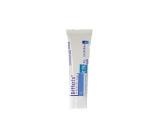
Adapalene is a topical retinoid-like compound indicated for the treatment of acne vulgaris. It works by binding to retinoic acid receptors (RAR beta and RAR gamma), normalizing the differentiation and shedding of follicular epithelial cells. This action reduces the formation of microcomedones, the precursor lesions of both inflammatory and non-inflammatory acne. Adapalene also possesses anti-inflammatory properties, helping to reduce the redness and swelling associated with acne breakouts. In Canada, adapalene 0.1% gel is available over the counter for self-treatment.
Usual adult dose: Apply a thin film of adapalene to the entire affected area once daily at night, after gently cleansing and drying the skin. A pea-sized amount is typically sufficient for the whole face. Avoid contact with the eyes, lips, angles of the nose, and mucous membranes. Patients should be advised that a transient sensation of warmth or stinging may occur. During the early weeks of therapy, an apparent worsening of acne may occur due to the action on previously unseen lesions; this is not a reason to discontinue therapy unless irritation becomes severe. Therapeutic results are typically seen after 4 to 8 weeks of continued use, with maximal benefit after 12 weeks. Concomitant use of other potentially irritating topical products (medicated or abrasive soaps, astringents, products with high concentrations of alcohol) should be approached with caution. Use of moisturizers may help reduce skin irritation.
Dosage form: Topical gel: 0.1% (1 mg of adapalene per gram) in a 15 g tube. Additional tube sizes of 30 g and 45 g are also available. The 0.3% strength (prescription only) is for more severe acne.
Onset of action: Visible reduction in acne lesions may be noticed after 4 to 8 weeks of continuous nightly use. Optimal clearing is typically observed after 12 weeks of treatment. Initial skin irritation, such as redness, scaling, dryness, and burning, often peaks during the first 2 to 4 weeks and then subsides with continued therapy.
Duration of action: Applied once daily, with effects maintained by continued nightly application. Adapalene is not a cure for acne; maintenance therapy may be needed to sustain improvement. After achieving satisfactory control, a frequency of application may be reduced to alternate nights or twice weekly, as directed by a healthcare professional.
Alcohol recommendation: There is no known direct drug interaction between topical adapalene and the consumption of alcoholic beverages. However, patients should be cautious about using skincare products containing high levels of alcohol, astringents, or peeling agents, as these can compound skin irritation and dryness when used concurrently with adapalene.
Most common side effects: Cutaneous irritation, including erythema (redness), scaling, dryness, pruritus (itching), and a transient burning or stinging sensation at the application site. These effects are generally mild to moderate, occur most frequently during the first few weeks of therapy, and tend to lessen with continued use. The use of a non-comedogenic moisturizer and a gentle skin cleansing routine can help mitigate these reactions. Patients should minimize exposure to sunlight and ultraviolet (UV) light, including tanning beds, because topical retinoids increase photosensitivity. The use of a broad-spectrum sunscreen with SPF 30 or higher and protective clothing is recommended during treatment. Adapalene should not be used on sunburned, windburned, dry, chapped, broken, or eczematous skin. If severe irritation or contact allergy occurs, the medication should be discontinued. Waxing should be avoided on treated skin due to the risk of skin stripping. Topical adapalene is classified as FDA Pregnancy Category C; patients who are pregnant or planning pregnancy should consult a healthcare professional.
Would you like to try Adapalene without a prescription?
Buy Generic Adapalen () without prescription in Canada
At our pharmacy, you can buy Adapalene without a prescription, with discreet and anonymous packaging delivered within 5-14 days across Canada.
What is Adapalene?
Adapalene is a topical retinoid used to treat acne. It's the active ingredient in Differin, the first retinoid approved for over-the-counter sale in Canada. Unlike older retinoids like tretinoin, adapalene is a synthetic naphthoic acid derivative. It was designed to be more stable, more lipophilic, and less irritating. The result is a drug that works on the same acne pathways, unclogging pores, normalizing skin cell turnover, and reducing inflammation, but with a tolerability profile that makes it suitable for daily use by people who can't handle the redness and peeling of stronger prescription retinoids.
Adapalene binds to retinoic acid receptors, specifically RAR-beta and RAR-gamma, in the nuclei of skin cells. Once bound, it regulates gene expression involved in cell differentiation and proliferation. In acne-prone skin, dead cells inside the follicle don't shed properly. They stick together, mix with sebum, and form a plug. That plug becomes a whitehead or blackhead. Adapalene normalizes the way keratinocytes mature and desquamate, so pores are less likely to clog. It also has direct anti-inflammatory effects, inhibiting the production of inflammatory mediators like leukotrienes and prostaglandins, and suppressing the activity of toll-like receptors that recognize Cutibacterium acnes. This dual action, comedolytic and anti-inflammatory, is what makes it effective against both the visible pimples and the microcomedones forming under the surface.
The onset of improvement is not fast. Like all retinoids, adapalene requires patience. Some people notice fewer breakouts within 2 to 4 weeks. The full effect usually takes 8 to 12 weeks of consistent use. During the first few weeks, acne can temporarily worsen, the so-called "purge" phase, as the drug accelerates the turnover of cells and brings pre-existing microcomedones to the surface. This is not a sign the drug isn't working. It's a sign it is. Pushing through the purge is the hardest part, and many people quit before they reach the other side.
Adapalene is available as a 0.1% gel or cream, sold over the counter in 15 g and 45 g tubes. A prescription-strength 0.3% gel is also available for more severe acne but requires a doctor's prescription. The 15 g tube of 0.1% gel is the standard starter size.
Mechanism and Pharmacology
Adapalene is a retinoic acid receptor agonist with selectivity for RAR-beta and RAR-gamma. It doesn't bind to RAR-alpha, which is thought to contribute to the irritation caused by tretinoin. This receptor selectivity is one reason adapalene is better tolerated. It also has higher chemical and photostability. Tretinoin degrades rapidly in the presence of light and benzoyl peroxide. Adapalene is stable in both. You can use it alongside benzoyl peroxide without the molecules destroying each other, which simplifies combination therapy.
In the pilosebaceous unit, adapalene normalizes follicular keratinization. It prevents corneocytes from sticking together and accumulating inside the follicle. This reduces the formation of microcomedones, the precursors to all acne lesions. It also modulates the inflammatory response by inhibiting the lipoxygenase pathway and reducing the production of reactive oxygen species. This anti-inflammatory activity is independent of its effect on cell turnover, meaning it helps calm existing inflamed lesions while preventing new ones from forming.
Adapalene is absorbed through the skin, but systemic absorption is minimal. In pharmacokinetic studies, plasma levels of adapalene after daily application were below the limit of detection in most patients. The drug is excreted primarily through the biliary route, with a terminal half-life of about 7 hours for the tiny fraction that reaches systemic circulation. For practical purposes, it's a local treatment with negligible systemic effects.
How to Use Adapalene
Apply a thin layer to the entire face once daily, in the evening. A pea-sized amount is enough for the whole face. Don't spot-treat. Adapalene prevents new lesions from forming, so it needs to be applied to the entire acne-prone area, not just the pimples you can see. Applying it only to active spots is like putting sunscreen only on the moles you already have.
Wash your face with a gentle, non-medicated cleanser and pat it dry. Wait 20 to 30 minutes. Skin that is damp or recently washed is more permeable and more reactive. Applying adapalene immediately after washing increases the risk of irritation. Once the skin is completely dry, apply the adapalene. Avoid the corners of the eyes, the lips, and the creases around the nose.
Start slowly. If you've never used a retinoid, begin with applications every third night for the first two weeks, then every other night for the next two weeks, then every night if tolerated. There's no prize for rushing. The skin needs time to build retinoid tolerance. A red, peeling, painful face won't heal acne faster. It'll just make you stop treatment.
Moisturize. Apply a gentle, fragrance-free moisturizer after the adapalene has absorbed, usually about 10 to 20 minutes later. In the morning, wash your face, apply moisturizer, and always use sunscreen. Adapalene doesn't cause photosensitivity the way tretinoin does, but it does thin the stratum corneum, and a thinner outer layer offers less UV protection. Sunscreen is non-negotiable. SPF 30 or higher, every morning.
If you miss a dose, apply it the next evening and resume the usual schedule. Don't apply it in the morning instead. Retinoids are evening medications because light can partially degrade them, even stable ones like adapalene. Besides, the skin's repair processes are most active at night.
Side Effects of Adapalene
The most common side effects are local: dryness, redness, scaling, and a mild burning or stinging sensation. These affect the majority of users during the first few weeks and are a sign the drug is working on the skin's retinoid receptors. They're not an allergy. They usually peak at around week 2 to 4 and then gradually diminish as the skin adapts.
Managing irritation is about technique. The slow introduction, the waiting period after washing, the consistent moisturizing, these aren't optional extras. They're what allow the skin to tolerate the retinoid. If irritation is still excessive at every-third-night application, the "short contact" method can help. Apply the adapalene, leave it on for 30 to 60 minutes, then wash it off. The drug is absorbed rapidly, and even short contact has shown efficacy in studies, though less than overnight application. It's a bridge strategy to get through the retinization period.
Avoid using other potentially irritating products at the same time: harsh scrubs, alcohol-based toners, astringents, and products containing salicylic acid, alpha hydroxy acids, or high concentrations of benzoyl peroxide. These can compound the dryness and stinging. A gentle cleanser, a moisturizer, and a sunscreen are the only things you need alongside adapalene, especially in the first 2 to 3 months.
Adapalene is not associated with the teratogenicity that oral retinoids like isotretinoin cause. Systemic absorption is negligible. However, topical retinoids are generally avoided during pregnancy out of an abundance of caution, even though the data with adapalene are reassuring. If pregnancy occurs, stop using it and discuss with your doctor.
High-Risk Groups (Elderly, Pregnancy)
Pregnancy. Topical adapalene has not been studied in large human pregnancy trials, but its systemic absorption is negligible. The amount that could reach a developing fetus after facial application is considered insignificant. Most dermatologists would advise stopping it during pregnancy, not because of demonstrated harm, but because there's no reason to take even a theoretical risk for a condition that's not life-threatening. If acne flares during pregnancy, azelaic acid and topical erythromycin are the usual alternatives.
Breastfeeding. Adapalene is not expected to enter breast milk in measurable amounts. Application to the face only, using a pea-sized quantity, results in essentially zero systemic exposure. It's considered compatible with breastfeeding, though it should not be applied to the chest area to prevent direct infant contact.
Children under 12. The safety and efficacy of adapalene 0.1% gel have been established in adolescents and adults. It's not indicated for pre-adolescent children, though it's sometimes used off-label under dermatologist supervision for early-onset acne.
Elderly patients don't use adapalene for acne, which is rare in this age group. It's sometimes used off-label for photoaging, a practice supported by studies showing improvement in fine lines and skin texture with long-term use. The thin, fragile skin of the elderly is more prone to retinoid irritation, so a very gradual introduction is essential. Start with twice-weekly application and a rich moisturizer.
Eczema and other skin barrier disorders. Adapalene should be used cautiously in patients with atopic dermatitis or other conditions that compromise the skin barrier. The drug can exacerbate dryness and irritation. If the skin is already inflamed, treat the underlying condition first before introducing a retinoid.
Interaction With Activities (Driving, Alcohol)
Adapalene is a topical gel. It doesn't affect alertness, coordination, or the ability to drive. There's no systemic absorption to impair cognitive function.
Alcohol consumption has no interaction with topical adapalene. You can drink normally while using it. There's no additive liver toxicity, no disulfiram-like reaction. The only indirect link is that heavy drinking can dehydrate the skin and worsen the dryness adapalene causes. Drink water.
Sun exposure. This is the daily activity that matters most. Adapalene thins the stratum corneum, and while it's not phototoxic, it does make the skin more vulnerable to UV damage. Use sunscreen every morning. Reapply during the day if you're outdoors. Tanning beds are a bad idea for anyone concerned about skin health, and they're an especially bad idea for someone using a retinoid.
Drug Interactions
Systemic drug interactions do not occur with topical adapalene because absorption is negligible. The only interactions are with other topical products applied to the same skin.
Benzoyl peroxide can be used with adapalene. Unlike tretinoin, which is degraded by benzoyl peroxide, adapalene is chemically stable. The combination is available as a prescription product (adapalene 0.1% plus benzoyl peroxide 2.5% gel, Epiduo). The combination is more effective than either alone but also more irritating. If using separate products, apply the benzoyl peroxide in the morning and adapalene at night, or use them on alternate nights.
Salicylic acid, alpha hydroxy acids, and other chemical exfoliants should be avoided in the same routine, especially during the first few months of adapalene use. They increase irritation without adding therapeutic benefit. Once the skin has adapted to adapalene, a gentle exfoliant might be introduced once or twice a week, but it's not necessary for most people.
Topical antibiotics (clindamycin, erythromycin) are commonly co-prescribed with adapalene for inflammatory acne. The combination is safe and effective. Apply the antibiotic in the morning and adapalene at night.
Abrasive scrubs, microdermabrasion, and waxing should be avoided on areas where adapalene is being used. The skin is more fragile, and mechanical trauma can cause irritation, hyperpigmentation, or scarring. If you wax, stop adapalene for a few days before and after the procedure.
Alternative Options
Adapalene is one of several topical retinoids and one of many acne treatments. The choice depends on acne severity, skin sensitivity, and treatment history.
Tretinoin (Retin-A, Stieva-A) is the original prescription retinoid. It's more potent than adapalene 0.1% and is more effective for severe comedonal acne and photoaging. It's also more irritating. The prescription requirement and the need for careful application technique make it less accessible for mild to moderate acne. Tretinoin cannot be used with benzoyl peroxide simultaneously because the peroxide degrades the retinoid.
Tazarotene (Tazorac) is the most potent topical retinoid. It works faster but causes more irritation. It's reserved for moderate to severe acne that hasn't responded to other retinoids.
Trifarotene (Aklief) is a newer retinoid selective for RAR-gamma. It's approved for acne of the trunk as well as the face. It's prescription-only and more expensive than adapalene.
Benzoyl peroxide kills C. acnes bacteria and has mild comedolytic activity. It's available over the counter in strengths from 2.5% to 10%. It's effective for inflammatory acne and doesn't cause bacterial resistance. It's irritating and bleaches fabrics. It can be used alone or with adapalene.
Salicylic acid is a beta-hydroxy acid that exfoliates inside the pore. It's available OTC in cleansers and spot treatments. It's helpful for blackheads and whiteheads but less effective than retinoids for inflammatory acne.
Azelaic acid is a naturally occurring dicarboxylic acid that reduces inflammation, kills bacteria, and normalizes keratinization. It's available OTC in some countries and by prescription in Canada (Finacea). It's safe during pregnancy and a good option for women who can't use retinoids.
Oral treatments include antibiotics (doxycycline, minocycline), hormonal therapy (combined oral contraceptives, spironolactone), and isotretinoin (Accutane). These are for moderate to severe acne that doesn't respond to topicals alone.
INN, Brand Names, and Classification in Canada
INN (International Nonproprietary Name): Adapalene
Available brand names in Canada: Differin (0.1% gel), and generic adapalene 0.1% gel. Epiduo (adapalene 0.1% plus benzoyl peroxide 2.5% gel) available by prescription. Adapalene 0.3% gel available by prescription.
ATC code: D10AD03
Forms and strengths: Gel 0.1% (OTC) and 0.3% (Rx); Cream 0.1% (OTC). Tube sizes: 15 g, 45 g.
Manufacturers: Galderma Canada Inc. (Differin, Epiduo), and diverse generic manufacturers including Teva Canada and Apotex
Registration status in Canada: Registered. Adapalene 0.1% is OTC. 0.3% remains prescription-only.
Classification: Over-the-counter (0.1%); Prescription (0.3% and combinations)
Getting the Most Out of Adapalene
The single most common mistake with adapalene is using too much, too often, too soon. A pea-sized amount for the whole face, every third night to start, with moisturizer applied over top. That's it. The skin needs time to adjust. The people who get the best results aren't the ones who push through severe irritation. They're the ones who use it consistently at a level their skin can tolerate.
The second most common mistake is stopping during the purge. Acne often gets worse before it gets better. The drug is bringing pre-existing clogs to the surface faster than they would have appeared on their own. This phase lasts 2 to 4 weeks for most people. By week 8, the skin usually looks better than it did at baseline. By week 12, the results are often significant. Quitting at week 3 because of a breakout means you endured the purge without ever reaching the clearing.
Adapalene is not a spot treatment. It's a preventive. It works on the microcomedones you can't see, not the pimples you can. Applying it only to active lesions won't prevent new ones from forming on the rest of your face. A thin layer over the entire acne-prone area, every application, is how the drug earns its keep.
Adapalene 0.1% gel is available without a prescription at Canadian pharmacies. The 15 g tube lasts about 2 to 3 months with once-daily application, making it an affordable maintenance therapy. Through our pharmacy, you can order it online with discreet packaging and have it delivered anywhere in the country.
Frequently Asked Questions
How long does adapalene take to work?
Some improvement in non-inflammatory acne, blackheads and whiteheads, may be visible at 4 weeks. The full effect on inflammatory lesions usually takes 8 to 12 weeks. Acne often worsens during the first 2 to 4 weeks as deep clogs surface. This is normal and expected. Don't stop.
Can I use adapalene with benzoyl peroxide?
Yes. Adapalene is stable in the presence of benzoyl peroxide, unlike tretinoin. The two are often combined, and the combination product Epiduo is available by prescription. If using separate products, apply benzoyl peroxide in the morning and adapalene at night.
Do I need a moisturizer with adapalene?
Yes. A gentle, fragrance-free moisturizer reduces dryness and irritation without blocking the drug's effect. Apply it after the adapalene has absorbed. In the morning, wash your face and moisturize before applying sunscreen.
Is adapalene safe during pregnancy?
Topical adapalene has negligible systemic absorption, but it's generally recommended to stop during pregnancy out of caution. If you become pregnant while using it, stop and discuss with your doctor. Azelaic acid is a safe alternative.
Why can't I spot-treat with adapalene?
Adapalene prevents new acne from forming. It doesn't kill bacteria on existing pimples the way benzoyl peroxide does. Applying it only to visible lesions leaves the rest of your skin unprotected against future breakouts. The drug needs to be on the entire acne-prone area to work as a preventive.
Can I use adapalene around my eyes?
No. The skin around the eyes is too thin and sensitive. Avoid the orbital area. If the gel migrates and causes irritation, apply a thin layer of petroleum jelly around the eyes before applying adapalene to create a barrier.
Delivery Information Across Canada
We ship Adapalene to all provinces and territories. Delivery times vary depending on how remote your location is:
- Ontario (Toronto, Ottawa, Mississauga): 5 to 7 days
- Quebec (Montreal, Quebec City, Laval): 5 to 7 days
- British Columbia (Vancouver, Victoria, Burnaby): 5 to 9 days
- Alberta (Calgary, Edmonton, Red Deer): 5 to 9 days
- Manitoba (Winnipeg, Brandon): 5 to 9 days
- Saskatchewan (Saskatoon, Regina): 5 to 9 days
- Nova Scotia (Halifax, Sydney): 5 to 9 days
- New Brunswick (Moncton, Fredericton): 5 to 9 days
- Newfoundland and Labrador (St. John's, Corner Brook): 7 to 14 days
- Prince Edward Island (Charlottetown): 7 to 14 days
- Yukon, Northwest Territories, Nunavut: 7 to 14 days
All shipments are packed discreetly with no branding or indication of contents on the outside.


| Shipping method | Delivery time | Price | |
 Delivery Delivery |
14-21 days | 14.95$ | Tracking# available in 4 days |
 Delivery Delivery |
9-14 days | 30$ | Tracking# available in 2 days |
- Shipping worldwide
- Confidentiality and anonymity guarantee
- Safe and secure
- Discrete looking packages
- Dispatch orders within 24 hours
- 100% success delivery


