


 Secure and Reliable
  High quality
  Worldwide shipping
  Bonuses and Discounts
  Money back Guarantee
 - Bestsellers
- Alcoholism
- COVID-19
- Allergy
- Anti Fungal
- Alzheimers
- Anti Viral
- Anti-Depressants
- Anti-Inflammatory
- Antibacterial
- Antiparasitic
- Antibiotics
- Arthritis
- Asthma
- Birth Control
- Blood Pressure
- Cancer
- Cardiovascular
- Cholesterol
- Diabetes
- Diuretics
- Erectile Dysfunction
- Eye Drop
- Gastro Health
- General Health
- Hair Loss
- Hepatitis C Virus (HCV)
- HIV
- Hormones
- Men's ED Packs
- Men's Health
- Mental Illness
- Motion Sickness
- Muscle Relaxant
- Pain Relief
- Parkinson’s Disease
- Veterinary Medicines
- Quit Smoking
- Vitamins
- Skin Care
- Sleeping Aids
- Weight Loss
- Women's Health
Generic Aldara ( Imiquimod )
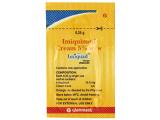
Aldara (imiquimod) cream 5% is a topical immune response modifier indicated for the treatment of clinically typical, non‑hyperkeratotic actinic keratoses on the face or scalp in immunocompetent adults, the treatment of superficial basal cell carcinoma when surgical excision is less appropriate, and the treatment of external genital and perianal warts (condyloma acuminata) in patients aged 12 years and older. Imiquimod stimulates the local innate and cell‑mediated immune responses by inducing the production of cytokines, including interferon‑alpha, tumor necrosis factor‑alpha, and various interleukins. This immune activation helps eliminate precancerous and malignant keratinocytes as well as cells infected with human papillomavirus. Aldara does not possess direct antiviral or cytotoxic properties.
Usual adult dose: For actinic keratoses, apply Aldara 5% cream 2 times per week (e.g., Monday and Thursday) to the entire affected area before bedtime. The cream is left on for approximately 8 hours and then washed off with mild soap and water; the treatment course lasts 16 weeks. For superficial basal cell carcinoma, apply 5 times per week (e.g., Monday through Friday) for 6 weeks, again leaving the cream on for about 8 hours before removal. For external genital and perianal warts, apply 3 times per week (e.g., Monday, Wednesday, Friday) prior to bedtime, leaving the cream in place for 6 to 10 hours before washing off; treatment may continue for up to 16 weeks. A thin layer should be spread over the clean, dry area and gently massaged until no longer visible. If a severe local skin reaction occurs, a rest period of several days may be needed before resuming treatment.
Dosage form: Topical cream: 5% (each 250 mg single‑use sachet delivers 12.5 mg of imiquimod). Aldara is available in boxes of 12 or 24 sachets, and as a multi‑dose pump bottle.
Onset of action: An inflammatory response (erythema, edema, vesicles, and erosion) generally develops within 2 to 4 weeks, indicating immune activation. For actinic keratoses, clinical clearance is evaluated after the 16‑week course; for superficial basal cell carcinoma, histological clearance is confirmed approximately 12 weeks after completing the 6‑week course. Genital warts often begin to shrink after several weeks of therapy.
Duration of action: Aldara is used for a defined treatment course of 6 to 16 weeks depending on the indication. Immune‑mediated clearance may continue after the application period, and the induced immune memory may reduce the risk of lesion recurrence.
Alcohol recommendation: There is no known systemic interaction between topical imiquimod and the ingestion of alcoholic beverages. Patients should, however, avoid the use of alcohol‑based skincare products, astringents, or other irritants on the treatment area, as these can intensify local skin reactions and discomfort.
Most common side effects: Local skin reactions occur in the majority of patients and include erythema, edema, induration, vesicles, erosion/ulceration, crusting, scaling, itching, and burning. These reactions are an expected consequence of the immune response and typically correlate with treatment efficacy. Systemic flu‑like symptoms such as fatigue, fever, myalgia, and headache may also occur. Aldara can increase photosensitivity; patients should avoid or minimize exposure to sunlight and artificial ultraviolet light and should apply a broad‑spectrum sunscreen. The cream must not be applied to unhealed wounds, sunburned skin, or mucous membranes. If severe local discomfort or systemic symptoms develop, treatment should be temporarily discontinued, and a healthcare professional consulted. Aldara is not recommended during pregnancy (FDA Category C) unless the potential benefit outweighs the potential risk.
Would you like to try Aldara (Imiquimod) without a prescription?
Buy Generic Aldara (Imiquimod) without prescription in Canada
At our pharmacy, you can buy Aldara without a prescription, with discreet and anonymous packaging delivered within 5-14 days across Canada.
What is Aldara?
Aldara is the brand name for imiquimod 5% cream, a topical immune response modifier. It doesn't attack abnormal cells directly. Instead, it trains your skin's own immune system to recognize and destroy them. The cream is approved for three distinct problems: actinic keratoses (rough, precancerous patches on sun-damaged skin), superficial basal cell carcinoma (a slow-growing type of skin cancer), and external genital and perianal warts caused by the human papillomavirus (HPV). In each case, the mechanism is the same. The cream alerts dendritic cells and macrophages in the skin, triggering a local release of interferon-alpha and other cytokines. The area becomes inflamed as immune cells swarm in to clear the abnormal tissue.
This inflammatory reaction is not a side effect. It's the treatment working. The skin gets red, swollen, and crusty, and then it heals, leaving healthier skin behind. Because Aldara stimulates immune memory, the clearance rate for warts and precancerous lesions is high, and recurrence can be lower than with purely destructive treatments like freezing or surgical removal. The 5% cream is packaged in single-use sachets, each containing 250 mg, enough to cover a treatment area about the size of an adult palm. The standard course for actinic keratoses is 16 weeks, and for superficial basal cell carcinoma, it's 6 weeks.
Mechanism and Pharmacology
Imiquimod is a synthetic imidazoquinoline amine that binds to toll-like receptor 7 (TLR7) on the surface of antigen-presenting cells. Langerhans cells in the epidermis, dermal dendritic cells, and macrophages all carry TLR7. When activated, these cells pump out a storm of cytokines, led by interferon-alpha, but also including interleukin-6, interleukin-12, and tumour necrosis factor-alpha. Interferon-alpha drives the Th1 immune response. It activates natural killer cells, enhances the ability of T-cells to recognize abnormal antigens, and directly inhibits the replication of viruses like HPV.
In actinic keratoses and basal cell carcinoma, the immune system has learned to tolerate the mutated cells. Aldara breaks that tolerance. The intense local inflammation draws in cytotoxic T-cells that kill the abnormal keratinocytes. In genital warts, it stimulates the body to attack HPV-infected cells, clearing the visible warts and reducing the viral load in the surrounding tissue.
Systemic absorption through intact skin is minimal, less than 1% of the applied dose. The small amount that gets through is excreted renally with a half-life of about 20 hours. The flu-like symptoms some people feel, fatigue, fever, muscle aches, come from the cytokines spilling into the bloodstream, not from the drug itself poisoning the body. Aldara is a local treatment that wakes up a systemic alarm.
How to Use Aldara
The application ritual is the same for all uses. Wash your hands and the treatment area with mild soap and water and pat it completely dry. Apply a thin layer from one sachet to the entire affected area just before bed. Rub it in gently until it vanishes. Don't apply more than a thin film. Too much cream increases side effects without improving results. Leave the cream on for 6 to 10 hours, usually overnight, then wash it off with mild soap and water. Wash your hands after applying.
The rhythm of treatment depends on the diagnosis:
- Actinic keratoses: Apply twice a week, for example Monday and Thursday, for a full 16 weeks. Cover the whole sun-damaged field, not just individual rough spots. If your skin becomes too raw and painful, a short break of a few days is allowed, but finish the full 16 weeks.
- Superficial basal cell carcinoma: Apply five times a week, for example Monday through Friday, for 6 weeks. Cover the tumour and a 1 cm margin of normal-looking skin around it.
- External genital and perianal warts: Apply three times a week, for example Monday, Wednesday, and Friday, for up to 16 weeks. Uncircumcised men treating warts under the foreskin should retract it, apply the cream, and let the area air-dry as much as possible.
If you miss a dose, apply it the next night and adjust the schedule to keep the right spacing. Don't apply on back-to-back nights if the schedule calls for a break. Don't cover the area with tight bandages; loose cotton gauze is fine to protect clothing. Avoid sexual contact while the cream is on the skin, and always wash it off before intimacy.
Side Effects of Aldara
The visible reaction is the treatment. Redness, swelling, small blisters, crusting, and peeling happen in most people. With actinic keratoses, the reaction usually kicks in after a week or two and peaks around weeks 3 to 5. It can be painful. The skin may ooze and look alarming. This is a sign your immune system is fully engaged. If it becomes too much, take a break for a few days. A 1% hydrocortisone cream applied on the days you don't use Aldara can calm things down. Bland moisturizers and cool compresses also help.
Flu-like symptoms, a low fever, chills, tiredness, and muscle aches, affect about 10 to 15% of people. They're driven by the interferon coursing through your body. Take the cream at night, wash it off in the morning, and rest if you feel unwell. The symptoms pass once treatment ends.
Lymph nodes near the treatment area can swell and become tender. This is your immune system learning. They will go back to normal afterward.
Skin colour changes happen. The treated area may be left with lighter or darker patches that usually fade over months. Good sun protection during and after treatment helps them resolve faster. Permanent changes are possible, especially in darker skin.
True allergic reactions are rare. Intense itching, a spreading rash beyond the treated area, or swelling of the face would be reasons to stop and see your doctor.
High-Risk Groups (Elderly, Pregnancy)
Pregnancy. Aldara is category C. The absorption through skin is tiny, and animal studies haven't shown fetal harm, but the cytokine storm it creates is theoretical reason for caution. The decision depends on why you need it. For actinic keratoses, treatment can safely wait until after delivery. For bothersome genital warts, your obstetrician might judge that treatment outweighs the unknown. Never use Aldara internally, and make the decision together with your doctor.
Breastfeeding is considered safe by most experts because the drug barely enters the blood. Do not apply the cream on or near the breast where the infant could swallow it. Wash your hands thoroughly after applying.
Elderly people are the main users for actinic keratoses. Older skin is thinner and can react more fiercely, so the breaks may need to be longer. The flu-like symptoms can be harder on a frail body. If you're feeling very ill, your doctor might switch you to a lower concentration cream or a shorter course.
If your immune system is suppressed, by medications after an organ transplant or by HIV, Aldara may be less effective because the army it's trying to mobilize is depleted. Your dermatologist will monitor you closely and may combine Aldara with other treatments.
Interaction With Activities (Driving, Alcohol)
Aldara doesn't make you drowsy, but feeling feverish and sore might. If you're running a temperature or the pain on your face is distracting, let someone else drive. The local pain peaks in the middle weeks, so plan longer drives around that.
Alcohol doesn't interact with the cream chemically. But heavy drinking can dehydrate you and make the flu-like symptoms feel worse. An occasional drink is fine. Listen to your body.
Sun is your enemy. The treated skin has no protective barrier. A sunburn on top of an Aldara reaction is a serious injury and will darken the healing skin. Stay out of direct sun, wear a wide-brimmed hat, and use a mineral sunscreen religiously during treatment and for weeks after you stop.
Drug Interactions
Since Aldara stays in the skin, it doesn't fight with pills you swallow. There are no known systemic drug interactions.
What matters is what else touches your skin. Stop using retinoids, acids, scrubs, or any harsh skincare products on the treatment area. They will turn the inflammation into a chemical burn. You can use a gentle, fragrance-free moisturizer between applications. Hydrocortisone cream is safe on the days you're not applying Aldara and helps take the edge off the reaction. If you're on strong immunosuppressive drugs like prednisone or methotrexate, they may dampen the immune response Aldara needs to work.
Alternative Options
Aldara is one of several ways to clear the skin, and the choice depends on how many spots you have, where they are, and how much downtime you can handle.
For actinic keratoses: Fluorouracil cream (Efudex) is a classic field therapy that kills cells directly, often with a faster reaction that peaks in 2 to 4 weeks. Photodynamic therapy uses a light-activated drug in the dermatologist's office. Cryotherapy freezes individual spots but doesn't treat the surrounding sun damage.
For superficial basal cell carcinoma: Surgery is the gold standard with the highest cure rate, but it leaves a scar. Aldara is an option when surgery isn't possible or when the scar would be in a cosmetically difficult spot. Radiation is another non-surgical option for elderly patients.
For genital warts: Podophyllotoxin solution kills the wart tissue over a few weeks with a different type of irritation. Cryotherapy is fast but can be painful. Sinecatechins ointment, made from green tea extract, is a gentler alternative that also works through immune modulation.
INN, Brand Names, and Classification in Canada
INN (International Nonproprietary Name): Imiquimod
Available brand names in Canada: Aldara (5% cream), Zyclara (3.75% cream), and generic imiquimod 5% cream
ATC code: D06BB10
Forms and strengths: Cream 5% in single-use sachets of 250 mg (boxes of 12) and pump bottles
Manufacturers: Bausch Health Canada Inc. (Aldara), and diverse generic manufacturers including Teva Canada and Apotex
Registration status in Canada: Registered
Classification: Prescription (Rx)
Getting the Most Out of Aldara
Aldara takes patience and nerve. The skin will look its worst just before it heals. Don't stop early. If the reaction is unbearable, talk to your doctor about a short break, but don't abandon the course. Take photos every week. When the peeling stops and smooth skin emerges, you'll see the payoff.
One sachet is one dose. Don't save an opened sachet for later. After you rub in the cream, wash your hands well. Keeping the area clean and dry, and giving it air, helps prevent a secondary bacterial infection. Once the skin is healed, daily sunscreen is not optional. It's the reason you had the actinic damage in the first place, and it's your only defense against new spots forming.
Aldara is legally prescription-only in Canada. Through our pharmacy, you can purchase Aldara without a prescription and receive it in discreet packaging anywhere across the country.
Frequently Asked Questions
How long does it take to work?
For actinic keratoses, you'll see redness and crusting by week 2 or 3. The final result is judged at the end of the 16-week course. For superficial basal cell carcinoma, the skin heals several weeks after the 6-week course ends. For genital warts, warts often start disappearing after 2 to 4 weeks, with full clearance possible by week 16.
Can I stop if my skin gets too sore?
You can rest for a few days, but don't give up. Let the skin heal, then pick up where you left off. If you stop too soon, the abnormal cells may survive and the problem will return.
Does Aldara cure HPV?
It clears the visible warts and stimulates an immune response that can keep the virus in check. Recurrence is still possible because the virus can hide in normal-looking skin cells, but it's less common than with purely destructive treatments.
Can I have sex while using Aldara for warts?
Avoid sexual contact while the cream is on the skin and during the break days if the skin is raw. The virus is still transmissible. Condoms help but don't cover every infected cell. Be honest with your partner.
Is Aldara safe during pregnancy?
Absorption is tiny, but the inflammatory reaction is powerful. For actinic keratoses, defer treatment. For genital warts that are causing problems, your obstetrician will weigh the risks. Never use it without their approval.
Delivery Information Across Canada
We ship Aldara to all provinces and territories. Delivery times vary depending on how remote your location is:
- Ontario (Toronto, Ottawa, Mississauga): 5 to 7 days
- Quebec (Montreal, Quebec City, Laval): 5 to 7 days
- British Columbia (Vancouver, Victoria, Burnaby): 5 to 9 days
- Alberta (Calgary, Edmonton, Red Deer): 5 to 9 days
- Manitoba (Winnipeg, Brandon): 5 to 9 days
- Saskatchewan (Saskatoon, Regina): 5 to 9 days
- Nova Scotia (Halifax, Sydney): 5 to 9 days
- New Brunswick (Moncton, Fredericton): 5 to 9 days
- Newfoundland and Labrador (St. John's, Corner Brook): 7 to 14 days
- Prince Edward Island (Charlottetown): 7 to 14 days
- Yukon, Northwest Territories, Nunavut: 7 to 14 days
All shipments are packed discreetly with no branding or indication of contents on the outside.


| Shipping method | Delivery time | Price | |
 Delivery Delivery |
14-21 days | 14.95$ | Tracking# available in 4 days |
 Delivery Delivery |
9-14 days | 30$ | Tracking# available in 2 days |
- Shipping worldwide
- Confidentiality and anonymity guarantee
- Safe and secure
- Discrete looking packages
- Dispatch orders within 24 hours
- 100% success delivery


