


 Secure and Reliable
  High quality
  Worldwide shipping
  Bonuses and Discounts
  Money back Guarantee
 - Bestsellers
- Alcoholism
- COVID-19
- Allergy
- Anti Fungal
- Alzheimers
- Anti Viral
- Anti-Depressants
- Anti-Inflammatory
- Antibacterial
- Antiparasitic
- Antibiotics
- Arthritis
- Asthma
- Birth Control
- Blood Pressure
- Cancer
- Cardiovascular
- Cholesterol
- Diabetes
- Diuretics
- Erectile Dysfunction
- Eye Drop
- Gastro Health
- General Health
- Hair Loss
- Hepatitis C Virus (HCV)
- HIV
- Hormones
- Men's ED Packs
- Men's Health
- Mental Illness
- Motion Sickness
- Muscle Relaxant
- Pain Relief
- Parkinson’s Disease
- Veterinary Medicines
- Quit Smoking
- Vitamins
- Skin Care
- Sleeping Aids
- Weight Loss
- Women's Health
Generic Asacol ( Mesalamine )
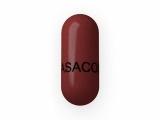
Buy Generic Asacol (Mesalamine) without prescription in Canada
In our Canadian pharmacy, you can buy Asacol (Mesalamine) without a prescription, with delivery across Canada within 5‑14 days. Discreet and anonymous packaging.
Asacol (mesalamine, also known as 5‑aminosalicylic acid or 5‑ASA) is a delayed‑release anti‑inflammatory drug used to treat mild to moderate ulcerative colitis and to maintain remission of the disease. It works topically on the colonic mucosa after the tablet’s special coating dissolves at the pH found in the terminal ileum and colon, thereby reducing the production of pro‑inflammatory mediators such as prostaglandins and leukotrienes through inhibition of cyclooxygenase and lipoxygenase pathways. This local action helps to decrease inflammation, heal the intestinal lining, and reduce symptoms like diarrhoea, rectal bleeding, and abdominal pain.
Usual adult dose: For the treatment of active mild to moderate ulcerative colitis, the recommended dose is 800 mg (two 400 mg tablets) taken orally three times daily (total daily dose of 2.4 g) for 6 weeks. For maintenance of remission, the recommended dose is 1.6 g per day, given in divided doses; a common regimen is 400 mg three times daily (1.2 g/day), but some patients may require 800 mg twice daily. The tablets must be swallowed whole with a glass of water and should not be crushed, chewed, or broken, as the delayed‑release coating is essential to protect the drug until it reaches the colon.
Dosage form: Delayed‑release (enteric‑coated) oral tablet, 400 mg (as mesalamine).
Onset of action: Clinical improvement, including reductions in stool frequency, rectal bleeding, and abdominal discomfort, is typically observed within 2 to 4 weeks of starting therapy. The maximal therapeutic response may require 6 weeks of continuous treatment for an acute flare, and maintenance therapy helps sustain remission indefinitely.
Duration of action: The pharmacodynamic effect is local and lasts as long as the drug is administered regularly. Once the tablet reaches the colon, mesalamine exerts its anti‑inflammatory action, with very limited systemic absorption. The elimination half‑life of the absorbed fraction is approximately 5 to 10 hours, but the clinical benefit persists with ongoing therapy. The enteric‑coated formulation delays release until pH ≥ 7, ensuring the drug reaches the site of inflammation.
Alcohol recommendation: Alcohol consumption does not have a direct interaction with Asacol, but it should be limited or avoided during treatment. Alcohol can irritate the gastrointestinal tract and may exacerbate symptoms of ulcerative colitis, including diarrhoea and abdominal pain. Heavy alcohol intake may also impair liver function and interfere with the anti‑inflammatory benefits of the medication.
Most common side effects: Headache, nausea, abdominal pain, diarrhoea, dyspepsia, and flatulence. These effects are generally mild and transient. A small percentage of patients (about 3%) may experience an acute intolerance syndrome characterised by cramping, acute abdominal pain, and bloody diarrhoea, which can be difficult to distinguish from a flare of ulcerative colitis. Rare but serious adverse effects include renal toxicity (interstitial nephritis, nephrotic syndrome), pancreatitis, pericarditis, and hypersensitivity reactions. Renal function should be monitored before and periodically during therapy, as mesalamine is an aminosalicylate related to aspirin and sulfasalazine.
Would you like to try Asacol (Mesalamine) without a prescription?
General Information about Asacol (Mesalamine)
- INN (International Nonproprietary Name): Mesalamine (also known as mesalazine, 5‑aminosalicylic acid)
- Brand names available in Canada: Asacol® (mesalamine delayed‑release tablets, 400 mg and 800 mg), Asacol® 800 mg (delayed‑release tablet), and generic delayed‑release mesalamine tablets (400 mg, 800 mg) from manufacturers such as Apo‑Mesalamine, Teva‑Mesalamine, Sandoz Mesalamine, and Pharmascience. Mesalamine is also available as Mezavant® (multimatrix, 1.2 g), Salofalk® (various forms), and Pentasa® (controlled‑release capsules).
- ATC code: A07EC02 (mesalazine; anti‑inflammatory agents for intestinal use)
- Dosage forms and strengths: Delayed‑release (enteric‑coated) oral tablets: 400 mg and 800 mg (as mesalamine). The 400 mg tablet is a red‑brown, elliptical, film‑coated tablet debossed with “0752” on one side.
- Manufacturers in Canada: Warner Chilcott Canada Co. (Asacol, Asacol 800), now part of Allergan. Generic manufacturers include Apotex Inc., Teva Canada Limited, Sandoz Canada Inc., Pharmascience Inc., and others.
- Registration status in Canada: Approved by Health Canada. Asacol 400 mg DIN 02223538, Asacol 800 mg DIN 02298714. Generic formulations are also marketed.
- OTC / Rx classification: Prescription only (Rx). Schedule I drug under the Controlled Drugs and Substances Act. A valid prescription from a licensed Canadian healthcare professional is required.
Mechanism of Action and Pharmacology
Mesalamine (5‑aminosalicylic acid) is the active moiety of sulfasalazine and is thought to act topically on the colonic epithelium. The exact mechanism of its anti‑inflammatory effect is not fully established, but it appears to involve multiple pathways. Mesalamine inhibits the cyclooxygenase and lipoxygenase enzymes, reducing the production of prostaglandins, leukotrienes, and hydroxyeicosatetraenoic acids—key mediators of inflammation. It also acts as a scavenger of reactive oxygen species, decreasing oxidative stress in the inflamed mucosa, and inhibits the activation of the transcription factor NF‑κB, which reduces the expression of pro‑inflammatory cytokines (e.g., interleukin‑1, tumour necrosis factor‑α). Additionally, mesalamine may promote the resolution of inflammation by activating peroxisome proliferator‑activated receptor‑γ (PPAR‑γ) in colonic epithelial cells.
The Asacol tablet is coated with an acrylic‑based resin (Eudragit S) that dissolves at pH 7 or higher, a pH typically found in the terminal ileum and colon. This delayed‑release system ensures that the active drug is delivered directly to the site of inflammation in ulcerative colitis. After oral administration, about 20‑30% of the mesalamine is absorbed from the small intestine; the remainder reaches the colon, where it exerts its therapeutic effect. The absorbed fraction is rapidly acetylated in the intestinal wall and liver to N‑acetyl‑5‑aminosalicylic acid, which is then excreted in the urine. The elimination half‑life of mesalamine is approximately 5 to 10 hours for the absorbed fraction, but the majority of the drug acts locally and is excreted in the faeces as the unchanged compound and its acetylated metabolite. Systemic exposure is minimal, reducing the risk of systemic adverse effects.
Indications
- Treatment of active mild to moderate ulcerative colitis: For the induction of remission in patients with mildly to moderately active ulcerative colitis. Asacol reduces rectal bleeding, stool frequency, and mucosal inflammation.
- Maintenance of remission of ulcerative colitis: For the long‑term maintenance of remission and reduction of relapse rates in adults with ulcerative colitis.
- Asacol is not indicated for the treatment of Crohn’s disease, though some off‑label use may occur in specific settings. It is also not effective for the treatment of distal disease only (proctitis) if the tablet does not reach the rectum; for that purpose, mesalamine suppositories or enemas are preferred.
Important Warnings and Precautions
At‑risk groups
- Pregnancy: Mesalamine is considered safe during pregnancy and is generally continued in women with ulcerative colitis who require it to maintain remission. Active disease poses a greater risk to the pregnancy than the medication. Oral mesalamine crosses the placenta in small amounts, but epidemiological data have not shown an increased risk of congenital malformations. It should be used during pregnancy only if clearly needed and under the supervision of a physician.
- Breastfeeding: Mesalamine and its metabolite are excreted in breast milk in very low concentrations. It is generally considered compatible with breastfeeding. The infant should be monitored for diarrhoea, allergic sensitization, or other adverse effects. A decision should be made whether to discontinue breastfeeding or to discontinue the drug, taking into account the importance of the medication to the mother.
- Paediatrics: The safety and efficacy of Asacol in children have not been established. Its use in paediatric patients is off‑label and should be managed by a paediatric gastroenterologist.
- Elderly: No specific dose adjustment is required for age alone. However, elderly patients may be at increased risk of renal impairment, and renal function should be monitored before and during therapy. They should also be monitored for dehydration due to diarrhoea.
- Renal impairment: Mesalamine is an aminosalicylate and has been associated with renal toxicity, including interstitial nephritis, nephrotic syndrome, and acute renal failure. Renal function (serum creatinine, urinalysis) should be evaluated before initiating therapy and periodically during treatment, especially in patients with pre‑existing renal disease, the elderly, and those taking other nephrotoxic medications. Asacol should be used with caution in patients with known renal dysfunction, and it is contraindicated in patients with severe renal impairment.
- Hepatic impairment: Use with caution in patients with liver disease. Elevations in hepatic transaminases and, rarely, cholestatic jaundice have been reported with mesalamine. Liver function tests should be monitored periodically.
- Allergy and hypersensitivity: Mesalamine is structurally related to salicylates (aspirin) and sulfasalazine. It should be used with caution in patients with known hypersensitivity to sulfasalazine, aspirin, or other salicylates. Acute intolerance syndrome (cramping, abdominal pain, bloody diarrhoea, fever, headache, and rash) can occur in about 3% of patients and may be difficult to distinguish from a flare of ulcerative colitis. If this syndrome is suspected, the drug should be discontinued immediately.
- Obstruction: Asacol tablets are designed to dissolve at pH 7. Patients with pyloric stenosis, gastric outlet obstruction, or other conditions that delay gastric emptying may retain the tablet in the stomach longer than usual, leading to premature release of the drug and potential irritation. Asacol should be used with caution in such patients.
- Photosensitivity: Mesalamine may increase sensitivity to sunlight. Patients should avoid prolonged sun exposure and use sunscreen.
- Allergy: Do not take Asacol if you have a known hypersensitivity to mesalamine, other salicylates (including aspirin), or any excipient in the tablet.
Driving and alcohol
Asacol is not known to impair the ability to drive or operate machinery. Some patients may experience dizziness or fatigue, particularly during an acute flare of ulcerative colitis. Alcohol consumption should be limited or avoided because it can irritate the bowel and may exacerbate the symptoms of ulcerative colitis. Heavy alcohol intake may also increase the risk of gastrointestinal bleeding and liver toxicity. Moderate alcohol consumption is generally considered acceptable in patients with quiescent disease, but individual tolerance should be assessed.
Dosage Instructions
- Active ulcerative colitis: The recommended dose is 800 mg (two 400 mg tablets) taken orally three times daily (total daily dose 2.4 g) for 6 weeks. Some patients may require a longer course or higher doses as directed by their gastroenterologist.
- Maintenance of remission: The recommended dose is 1.6 g per day, administered in divided doses. Common regimens include 400 mg three times daily (1.2 g/day) or 800 mg twice daily. The lowest effective dose should be used, and many patients are maintained on 400 mg two or three times daily. The 400 mg tablet allows flexible dosing.
- Administration: Swallow the tablet whole with a full glass of water. Do not crush, chew, or break the tablet, as the enteric coating is necessary for the drug to reach the colon. The tablet can be taken with or without food, but taking it with a meal may help reduce mild gastrointestinal upset. The tablets should be taken at evenly spaced intervals throughout the day. Complete the full course as prescribed; do not stop therapy abruptly even if symptoms improve, as this may precipitate a relapse.
- Missed dose: If a dose is missed, take it as soon as remembered on the same day. If it is close to the time of the next dose, skip the missed dose and resume the regular schedule. Do not double the dose.
Side Effects and Contraindications
- Very common side effects (≥ 10%): Headache, abdominal pain, diarrhoea, nausea, and flatulence. These effects are often related to the disease itself and may diminish as inflammation improves.
- Common side effects (1‑10%): Dyspepsia, vomiting, constipation, arthralgia, and rash. Acute intolerance syndrome (severe cramping, abdominal pain, bloody diarrhoea, sometimes fever, headache, and rash) occurs in about 3% of patients and requires immediate discontinuation.
- Uncommon but serious side effects: Renal toxicity (interstitial nephritis, nephrotic syndrome, acute or chronic renal failure), pancreatitis, pericarditis, myocarditis, hepatotoxicity (elevated liver enzymes, hepatitis, cholestatic jaundice), blood dyscrasias (agranulocytosis, aplastic anaemia, thrombocytopenia, leucopenia), and severe hypersensitivity reactions including Stevens‑Johnson syndrome and anaphylaxis. Mesalamine‑induced nephrotoxicity is a particular concern; all patients should have baseline and periodic renal function monitoring.
- Contraindications: Known hypersensitivity to mesalamine, other salicylates (including aspirin), or any component of the tablet. Severe renal impairment (creatinine clearance < 20 mL/min). Existing gastric or duodenal ulcer. Hypersensitivity to sulfasalazine (due to cross‑reactivity, though the risk is lower than with sulfasalazine itself).
Drug Interactions
- Nephrotoxic drugs: Concomitant use of other potentially nephrotoxic agents, including non‑steroidal anti‑inflammatory drugs (NSAIDs), aminoglycosides, and vancomycin, may increase the risk of renal adverse effects. Renal function should be monitored closely if these combinations are necessary.
- Azathioprine and 6‑mercaptopurine: Mesalamine may inhibit the metabolism of these immunosuppressants via thiopurine methyltransferase (TPMT), leading to increased bone marrow suppression. Patients on combined therapy should have their complete blood counts monitored regularly, and the dose of azathioprine or 6‑mercaptopurine may need to be reduced.
- Warfarin: Mesalamine does not have a clinically significant interaction with warfarin. However, as for any medication, monitor the INR periodically to ensure stability.
- Oral hypoglycaemics and sulfonylureas: Mesalamine may rarely potentiate the hypoglycaemic effect; monitor blood glucose.
- Lactulose and other drugs that lower colonic pH: Asacol’s coating dissolves at pH 7. Drugs that lower intestinal pH (e.g., lactulose, some antibiotics) could theoretically cause premature release of mesalamine in the small intestine, reducing efficacy and increasing local irritation. However, this interaction is not well‑documented. Separate administration by at least 2 hours.
Practical Advice
- Administration: Take Asacol tablets at the same times each day, with a full glass of water. Swallow them whole; do not break, crush, or chew. You may notice the tablet shell in your stool; this is normal and does not mean the medication was not absorbed. If you have difficulty swallowing, discuss alternative mesalamine formulations (e.g., granules, suppositories) with your physician. Adhere to the prescribed dosing schedule, particularly for maintenance therapy, to prevent relapses.
- Monitoring: Renal function tests (serum creatinine, urinalysis) should be performed before starting Asacol and periodically during treatment, especially in the first year and in patients with risk factors. Liver function tests may also be monitored. All patients should be informed of the signs and symptoms of acute intolerance syndrome and advised to report them immediately.
- Storage: Store at room temperature (15‑30 °C) in a tightly closed container, protected from moisture and light. Keep out of the reach and sight of children.
- Lifestyle: Maintain adequate hydration, especially during diarrhoeal episodes. Avoid alcohol, spicy foods, and other known triggers that may exacerbate your colitis. If you experience a flare (increased stool frequency, blood, pain), contact your doctor rather than increasing the dose on your own. Do not stop Asacol abruptly without consulting your physician, as remission may be lost.
- When to seek medical review: Stop taking Asacol and contact your doctor immediately if you develop worsening abdominal pain, severe cramps, bloody diarrhoea, fever, or headache that could indicate acute intolerance syndrome. Seek medical attention for signs of renal problems (decreased urine output, swelling of the ankles or feet, fatigue), liver injury (jaundice, dark urine, right upper abdominal pain), or allergic reaction (rash, hives, difficulty breathing).
- Disposal: Return unused or expired medication to a pharmacy for safe disposal. Do not flush down the toilet or discard in household waste.
Alternative Medications
- Other oral mesalamine formulations: Mezavant® (mesalamine 1.2 g delayed‑ and extended‑release tablets for once‑daily dosing), Pentasa® (controlled‑release capsules that release drug throughout the small bowel and colon), and Salofalk® (various delayed‑release preparations). These differ in their delivery systems and dosing schedules but share the same active ingredient.
- Sulfasalazine (Salazopyrin®): The parent compound of mesalamine, consisting of 5‑ASA linked to sulfapyridine. It is effective in inflammatory bowel disease but has a higher incidence of side effects due to the sulfonamide component (e.g., nausea, headache, rash, haematological effects, and male infertility). It is often used when cost is a factor.
- Topical mesalamine (suppositories, enemas): For patients with distal colitis or proctitis, mesalamine suppositories (e.g., Salofalk® 500 mg) or enemas provide high local concentrations and are often used in combination with oral therapy.
- Corticosteroids (prednisone, budesonide): Used for moderate to severe flares that do not respond to aminosalicylates. Prednisone is systemic and associated with significant side effects; budesonide (Cortiment®, Entocort®) has high first‑pass metabolism and fewer systemic effects, but is primarily for ileocolonic Crohn’s disease, not ulcerative colitis.
- Immunomodulators (azathioprine, 6‑mercaptopurine): Used for steroid‑dependent or frequently relapsing disease to maintain remission and reduce steroid exposure.
- Biologic agents (anti‑TNF antibodies: infliximab, adalimumab, golimumab; anti‑integrin: vedolizumab; JAK inhibitors: tofacitinib): For moderate to severe disease refractory to conventional therapies.
- Non‑pharmacological measures: Dietary modifications (low‑residue or specific elimination diets under guidance), stress management, and regular follow‑up with a gastroenterologist are essential components of comprehensive ulcerative colitis care.
Clinical Efficacy
Mesalamine has been a cornerstone of ulcerative colitis management for decades. In a meta‑analysis of randomised controlled trials, oral mesalamine 2.4 g/day (800 mg three times daily) was significantly superior to placebo in inducing clinical remission in mild to moderate active ulcerative colitis, with response rates of approximately 50‑70% over 6‑8 weeks. For maintenance of remission, a Cochrane review demonstrated that mesalamine 1.2‑2.4 g/day significantly reduced the risk of relapse compared with placebo, with a number needed to treat (NNT) of about 5. The delayed‑release formulation of Asacol ensures that the drug is delivered to the colon, matching the distribution of disease in ulcerative colitis. The 400 mg tablet provides dosing flexibility for maintenance therapy, and the 1.6 g daily maintenance dose (often given as 400 mg three times daily or 800 mg twice daily) is effective and well‑tolerated in the majority of patients. Long‑term use of mesalamine may also reduce the risk of colorectal cancer in patients with ulcerative colitis. Canadian clinical practice guidelines recommend oral mesalamine as first‑line therapy for induction and maintenance of remission in mild to moderate ulcerative colitis. The drug is generally safe, with the most common adverse effects being mild gastrointestinal symptoms; however, renal function monitoring is mandatory due to the rare but serious risk of interstitial nephritis.
Important:
Asacol (mesalamine) is a prescription medication that should be used only under the supervision of a qualified healthcare professional. It contains a salicylate and can cause a rare but serious acute intolerance syndrome that mimics a flare of ulcerative colitis. If you experience worsening abdominal pain, severe cramps, or bloody diarrhoea shortly after starting this medication, discontinue it immediately and contact your doctor. This drug can also cause kidney damage, including interstitial nephritis that may be irreversible. Renal function must be monitored before starting treatment and at regular intervals thereafter. Do not crush, chew, or break the tablets; they must be swallowed whole to reach the colon. If you see a tablet shell in your stool, it is normal. Women who are pregnant or breastfeeding should consult their physician. This information is not a substitute for professional medical advice, diagnosis, or treatment.


| Shipping method | Delivery time | Price | |
 Delivery Delivery |
14-21 days | 14.95$ | Tracking# available in 4 days |
 Delivery Delivery |
9-14 days | 30$ | Tracking# available in 2 days |
- Shipping worldwide
- Confidentiality and anonymity guarantee
- Safe and secure
- Discrete looking packages
- Dispatch orders within 24 hours
- 100% success delivery


