


 Secure and Reliable
  High quality
  Worldwide shipping
  Bonuses and Discounts
  Money back Guarantee
 - Bestsellers
- Alcoholism
- COVID-19
- Allergy
- Anti Fungal
- Alzheimers
- Anti Viral
- Anti-Depressants
- Anti-Inflammatory
- Antibacterial
- Antiparasitic
- Antibiotics
- Arthritis
- Asthma
- Birth Control
- Blood Pressure
- Cancer
- Cardiovascular
- Cholesterol
- Diabetes
- Diuretics
- Erectile Dysfunction
- Eye Drop
- Gastro Health
- General Health
- Hair Loss
- Hepatitis C Virus (HCV)
- HIV
- Hormones
- Men's ED Packs
- Men's Health
- Mental Illness
- Motion Sickness
- Muscle Relaxant
- Pain Relief
- Parkinson’s Disease
- Veterinary Medicines
- Quit Smoking
- Vitamins
- Skin Care
- Sleeping Aids
- Weight Loss
- Women's Health
Generic Azelex ( Azelaic acid )
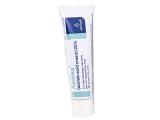
Azelex (azelaic acid) 20% cream is a topical agent indicated for the treatment of mild‑to‑moderate inflammatory acne vulgaris. Its mechanism of action is not fully established, but it is thought to work through several pathways: it possesses antibacterial activity against Cutibacterium acnes (formerly Propionibacterium acnes) and Staphylococcus epidermidis, normalizes the abnormal follicular keratinization process, and exerts an anti‑inflammatory effect by reducing the production of reactive oxygen species. These combined actions help to reduce the formation of microcomedones and resolve inflammatory acne lesions.
Usual adult dose: Apply a thin layer of Azelex 20% cream to the entire affected area twice daily, in the morning and evening, after the skin has been thoroughly cleansed and patted dry. A gentle massaging motion should be used to spread the cream evenly. A pea‑sized amount is typically sufficient for the entire face. Patients should be informed that a temporary sensation of warmth, tingling, or mild stinging may occur immediately after application, particularly on inflamed skin. Clinical improvement is usually observed after 4 to 8 weeks of continuous therapy; optimal results may require several months of use. If persistent irritation or lack of response occurs, a healthcare professional should be consulted. The hands should be washed after applying the cream unless the hands are being treated.
Dosage form: Topical cream: 20% concentration (each gram of cream contains 200 mg of azelaic acid). Available in tubes of 30 g and 50 g.
Onset of action: An initial reduction in inflammatory lesions and comedones may be seen within 4 weeks of consistent twice‑daily use. Maximum therapeutic benefit is typically achieved over 12 to 16 weeks of continuous treatment.
Duration of action: The therapeutic effect is maintained with regular twice‑daily application. After satisfactory control of acne is achieved, continued maintenance therapy may be required to sustain improvement.
Alcohol recommendation: There is no known systemic interaction between topical azelaic acid and the consumption of alcoholic beverages. However, patients should avoid the use of topical products containing high concentrations of alcohol, astringents, abrasives, or peeling agents on treated areas, as these can increase skin irritation, dryness, and discomfort.
Most common side effects: Transient local skin reactions such as mild burning, stinging, itching, erythema (redness), dryness, scaling, and peeling. These effects are most pronounced during the first 1 to 2 weeks of therapy and generally diminish with continued use. Azelaic acid can cause a reversible hypopigmentation (lightening of the skin), which may be more noticeable in patients with darker complexions. Patients should be advised to avoid occlusive dressings and to minimize exposure to environmental irritants. The cream should not be applied to broken, sunburned, or eczematous skin, and contact with the eyes, mouth, and mucous membranes must be avoided. If severe irritation or a contact allergic reaction develops, treatment should be discontinued and appropriate medical advice sought. Azelaic acid is not a primary irritant; however, some patients with sensitive skin may experience a burning sensation that can usually be managed with a reduced application frequency or the use of a gentle non‑comedogenic moisturizer applied at a different time.
Would you like to try Azelex (Azelaic acid) without a prescription?
Buy Generic Azelex (Azelaic acid) without prescription in Canada
At our pharmacy, you can buy Azelex without a prescription, with discreet and anonymous packaging delivered within 5-14 days across Canada.
What is Azelex?
Azelex is a topical cream that calms the redness, bumps, and uneven pigment that come with acne and rosacea. The active ingredient is azelaic acid, a naturally occurring dicarboxylic acid found in wheat and barley. It's not an antibiotic, not a retinoid, and not a hormone. It works by clearing the bacteria that feed pimples, gently unclogging pores, and cooling the inflammation that makes skin feel hot and look angry. What makes it stand out is its ability to fade the dark marks left after a breakout, a problem many treatments ignore. The 20% cream is the prescription strength, stronger than the 15% gel available under the brand Finacea, and it's often used when over-the-counter options have failed.
Improvement comes slowly. You won't wake up to clear skin after one application. For acne, you might see fewer red bumps and blackheads after 4 to 8 weeks of consistent use. For rosacea, the flushing and little pimples often start to settle within the first month, but the full effect can take 8 to 12 weeks. The dark spots from old acne fade gradually over months. Azelex is not a quick fix. It's a long-term partnership. The cream comes in 30 g and 50 g tubes, and a single 50 g tube can last several months when you apply just a thin layer twice daily.
Mechanism and Pharmacology
Azelaic acid works through four doors at once. It's antibacterial, reducing Cutibacterium acnes on the skin surface and inside the follicle, but because it's not a traditional antibiotic, resistance isn't a problem. It's a gentle keratolytic, meaning it normalizes the way skin cells shed. In acne-prone skin, dead cells stick together and clog the pore. Azelaic acid tells those cells to let go, preventing the whitehead from forming in the first place. It's anti-inflammatory, scavenging the reactive oxygen species that neutrophils pump out when they attack a pimple, so redness and swelling go down. And it's a tyrosinase inhibitor, which means it blocks the enzyme that makes melanin. That's why it lightens the brown marks left behind after a breakout and can even improve melasma. It doesn't bleach normal skin; it only calms overactive pigment cells.
When you put the cream on, about 4 to 5 percent of the drug absorbs through the skin. The rest stays on the surface, where it does its work. The tiny amount that reaches the bloodstream is broken down by the liver into simple fatty acids your body already knows how to handle. It doesn't build up, and it doesn't have any systemic side effects. The cream base itself is slightly moisturizing, which helps offset the dryness some people feel.
How to Use Azelex
Wash your face with a gentle, non-medicated cleanser and pat it dry. Apply a thin layer of the cream to the entire affected area, not just the active pimples. A pea-sized dab is usually enough for the whole face. Rub it in gently until it disappears. You'll use it twice daily, morning and evening. If your skin stings or burns during the first week, start with just once a day in the evening. That stinging is the acid working on the nerve endings in irritated skin. It usually fades after a week or two as the inflammation settles. After the cream absorbs, you can apply a moisturizer and sunscreen.
Sunscreen is not optional, not because the cream makes you sun-sensitive, but because the sun makes acne marks darker. If you skip sunscreen, you're undoing the brightening work the azelaic acid is trying to do. Use an SPF 30 or higher every morning. If you forget a dose, just put it on when you remember. Don't double up. The effect builds over time, so one missed application won't set you back. If you're also using a retinoid or benzoyl peroxide, layer them carefully: perhaps one in the morning, one at night, to avoid too much irritation at once.
Side Effects of Azelex
The most common complaint is a prickling, stinging, or itching sensation that hits a few minutes after you put the cream on. It's not an allergy. It's the drug telling your skin's nerve endings to quiet down, and the sensation usually gets much better after the first 2 to 4 weeks. If it's really uncomfortable, applying a cool, damp cloth for a few minutes before the cream can help. Dryness and a little peeling are also normal. A light, fragrance-free moisturizer used after the cream settles things down.
Some people notice a temporary lightening of the skin where they apply the cream. That's the drug doing its job on dark spots. If you only dab it on individual marks, you might get a halo of lighter skin. Spreading it evenly over the whole face prevents that. True allergic reactions are rare. If you get a spreading rash, hives, or your face swells, stop and call your doctor. Azelaic acid doesn't thin the skin, doesn't cause stretch marks, and doesn't get into your bloodstream enough to affect your body. It's a surface treatment that stays on the surface.
High-Risk Groups (Elderly, Pregnancy)
Pregnancy. Azelaic acid is pregnancy category B, meaning animal studies haven't shown harm, and the tiny amount absorbed through the skin is considered safe. It's one of the few acne treatments that dermatologists and obstetricians feel comfortable with during pregnancy, alongside topical erythromycin and clindamycin. If you're pregnant or trying to conceive, Azelex is a reasonable choice when you need something stronger than a gentle cleanser. Talk to your doctor, but don't panic if you've been using it.
Breastfeeding is safe. The amount that could reach the milk is negligible. Just don't apply the cream to the nipple area where the baby might directly ingest it. Children under 12 haven't been formally studied, but the cream is sometimes used off-label in younger kids with acne or rosacea under a dermatologist's eye. Elderly skin is thin and can be more sensitive to the stinging. Use it once daily at first. For anyone with very sensitive skin or eczema, azelaic acid might aggravate the barrier, so introduce it slowly. It's also a good choice for people with darker skin tones because it tackles the pigment problem directly, rather than just the inflammation.
Interaction With Activities (Driving, Alcohol)
Azelex is a cream. It doesn't make you drowsy, dizzy, or slow your thinking. You can drive without worry. Alcohol doesn't interact with azelaic acid in the body, but alcohol can trigger rosacea flushing in some people. If a glass of red wine makes your face hot and red, the cream can help calm that over time, but it won't stop the flush on the night you drink. Watch your own triggers.
Drug Interactions
Because almost none of the drug is absorbed, it doesn't fight with any pills you take. The only interactions are on the skin. Using harsh scrubs, alcohol-based toners, or strong chemical peels on the same area will add to the irritation. If you're using a topical antibiotic, apply it at a different time of day, maybe the antibiotic in the morning and Azelex at night. There's no problem with using moisturizers or sunscreens right after the cream absorbs. In fact, a good moisturizer helps the skin tolerate azelaic acid better.
Alternative Options
The closest alternative is Finacea, which is a 15% azelaic acid gel. It's lighter and sometimes less irritating, but the 20% cream is stronger. For acne, other options include topical retinoids like adapalene, which are better for deep blackheads but can't be used in pregnancy. Benzoyl peroxide kills bacteria faster but doesn't help with dark marks and can bleach fabrics. For rosacea, metronidazole cream and ivermectin cream are other non-steroid options. If azelaic acid isn't enough on its own, it's often combined with oral antibiotics or low-dose isotretinoin for severe cases. The unique combination of antibacterial, pore-clearing, anti-inflammatory, and lightening effects makes azelaic acid a versatile single-agent therapy, especially for people who want to avoid multiple prescription products.
INN, Brand Names, and Classification in Canada
INN (International Nonproprietary Name): Azelaic acid
Available brand names in Canada: Azelex (20% cream), Finacea (15% gel), and generic azelaic acid products
ATC code: D10AX03
Forms and strengths: Cream 20% in tubes of 30 g and 50 g
Manufacturers: Allergan (now part of AbbVie) for Azelex, Leo Pharma for Finacea, and diverse generic manufacturers
Registration status in Canada: Registered
Classification: Prescription (Rx)
Frequently Asked Questions
How long does Azelex take to clear acne?
You might see fewer inflamed bumps after about 4 weeks. The real clearing, with smoother skin and fewer blackheads, takes 8 to 12 weeks. The dark marks from old acne fade over several months. Stick with it. The slow change is permanent change.
Will Azelex make my rosacea worse before it gets better?
Not usually. Unlike retinoids, it doesn't cause a "purge." The stinging can feel like it's making things worse, but that sensation is temporary. If your skin is genuinely more red and swollen after a week, you might be allergic or using too much. Talk to your doctor.
Can I use Azelex around my eyes?
Avoid the eyelids and the skin directly under the eye. It's too thin there. If some cream migrates and causes stinging, wash it off with water. For perioral dermatitis, a rash around the mouth, azelaic acid can be helpful, but get the diagnosis confirmed first.
Does Azelex thin the skin like a steroid?
No. It doesn't work like a steroid at all. It won't cause stretch marks, spider veins, or skin thinning even with years of use. That's one of its main safety advantages over long-term steroid creams.
Is the 20% cream better than the 15% gel?
Stronger isn't always better. The 20% cream is more potent and might work faster, but it can also sting more. The 15% gel is lighter and may suit oilier skin or people who are very sensitive. Both are effective. Your doctor will help you choose.
Delivery Information Across Canada
We ship Azelex and generic azelaic acid cream to all provinces and territories. Delivery times vary depending on how remote your location is:
- Ontario (Toronto, Ottawa, Mississauga): 5 to 7 days
- Quebec (Montreal, Quebec City, Laval): 5 to 7 days
- British Columbia (Vancouver, Victoria, Burnaby): 5 to 9 days
- Alberta (Calgary, Edmonton, Red Deer): 5 to 9 days
- Manitoba (Winnipeg, Brandon): 5 to 9 days
- Saskatchewan (Saskatoon, Regina): 5 to 9 days
- Nova Scotia (Halifax, Sydney): 5 to 9 days
- New Brunswick (Moncton, Fredericton): 5 to 9 days
- Newfoundland and Labrador (St. John's, Corner Brook): 7 to 14 days
- Prince Edward Island (Charlottetown): 7 to 14 days
- Yukon, Northwest Territories, Nunavut: 7 to 14 days
All shipments are packed discreetly with no branding or indication of contents on the outside.


| Shipping method | Delivery time | Price | |
 Delivery Delivery |
14-21 days | 14.95$ | Tracking# available in 4 days |
 Delivery Delivery |
9-14 days | 30$ | Tracking# available in 2 days |
- Shipping worldwide
- Confidentiality and anonymity guarantee
- Safe and secure
- Discrete looking packages
- Dispatch orders within 24 hours
- 100% success delivery


