


 Secure and Reliable
 High quality
 Worldwide shipping
 Bonuses and Discounts
 Money back Guarantee
- Bestsellers
- Alcoholism
- COVID-19
- Allergy
- Anti Fungal
- Alzheimers
- Anti Viral
- Anti-Depressants
- Anti-Inflammatory
- Antibacterial
- Antiparasitic
- Antibiotics
- Arthritis
- Asthma
- Birth Control
- Blood Pressure
- Cancer
- Cardiovascular
- Cholesterol
- Diabetes
- Diuretics
- Erectile Dysfunction
- Eye Drop
- Gastro Health
- General Health
- Hair Loss
- Hepatitis C Virus (HCV)
- HIV
- Hormones
- Men's ED Packs
- Men's Health
- Mental Illness
- Motion Sickness
- Muscle Relaxant
- Pain Relief
- Parkinson’s Disease
- Veterinary Medicines
- Quit Smoking
- Vitamins
- Skin Care
- Sleeping Aids
- Weight Loss
- Women's Health
Generic Baclofen
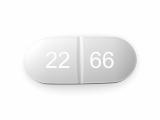
Baclofen is a muscle relaxant and antispastic agent used to treat spasticity (uncontrolled muscle tightness), muscle clonus, cramping, rigidity, and pain caused by conditions such as multiple sclerosis or spinal cord injury. Baclofen works as a GABA-B agonist at the spinal level, inhibiting monosynaptic and polysynaptic reflexes to reduce excessive muscle stiffness and spasms. It is available in Canada as 10 mg and 20 mg tablets under generic names such as Apo-Baclofen, Jamp Baclofen, Mylan-Baclofen, and pms-Baclofen; note that 25 mg oral tablets are not marketed in Canada, and the Lioresal brand has been discontinued. The usual starting dose is 5 mg three times daily, increased by 5 mg every 3 to 5 days as needed, up to a maximum of 20 mg four times daily. Do not stop this medication abruptly, as sudden withdrawal can cause serious reactions. Always follow your doctor or pharmacist's instructions.
Buy Generic Baclofen () without prescription in Canada
Baclofen (10 mg, 25 mg): Comprehensive Patient Information for Canada
Basic Product Information
| Generic Name (INN) | Baclofen |
| Canadian Brand Names / Trade Names | Lioresal (brand name, no longer manufactured or sold in Canada); Lioresal Intrathecal (brand name, discontinued); generic formulations include APO-Baclofen, MYLAN-Baclofen, PMS-Baclofen, RIVA-Baclofen, JAMP-Baclofen, PRO-Baclofen, Baclofen Sanis, Baclofen Sivem, and others |
| ATC Code | M03BX01 |
| Available Dosage Forms and Strengths | Oral tablets: 10 mg and 20 mg (standard strengths available in Canada). Note: A 25 mg oral tablet is not commercially available in Canada. The 25 mg strength is more commonly associated with international markets or the intrathecal formulation. Intrathecal injection: 0.05 mg/mL, 0.5 mg/mL, and 2 mg/mL (for severe spasticity via implanted pump). |
| Manufacturers | Apotex Inc. (APO-Baclofen), Mylan Pharmaceuticals (MYLAN-Baclofen), Pharmascience Inc. (PMS-Baclofen), Riva Pharmaceuticals (RIVA-Baclofen), Jamp Pharma Corporation (JAMP-Baclofen), Pro Doc Limitée (PRO-Baclofen, DIN 02152592), Sanis Health Inc. (Baclofen Sanis), Sivem Pharmaceuticals ULC (Baclofen Sivem, DIN 02544660) |
| Prescription Status | Prescription only in Canada. Health Canada has authorized baclofen as a prescription drug. |
Mechanism of Action
In simple terms: Baclofen is a muscle relaxant that works in the spinal cord to reduce muscle stiffness and spasms. It helps relax tight, overactive muscles caused by conditions like multiple sclerosis or spinal cord injury, which can improve your ability to move and make daily activities and physiotherapy easier.
For specialists: Baclofen is a derivative of gamma-aminobutyric acid (GABA) and a selective agonist at GABAB receptors. The precise mechanism of action has not been fully determined. It acts mainly at the spinal cord level to inhibit the transmission of both monosynaptic and polysynaptic reflexes, possibly by hyperpolarization of primary afferent fiber terminals resulting in antagonism of the release of putative excitatory transmitters (i.e., glutamic and aspartic acids). Actions at supraspinal sites may also be involved. Baclofen has general central nervous system (CNS)-depressant actions.
Pharmacokinetics
- Absorption: Baclofen is rapidly and almost completely absorbed from the gastrointestinal tract after an oral dose. Peak plasma concentrations occur about 0.5 to 3 hours after ingestion, but the rate and extent of absorption vary between patients and may vary inversely with the dose.
- Metabolism: About 15% is metabolized in the liver. The main metabolite is β-(p-chlorophenyl)-γ-hydroxybutyric acid, which is pharmacologically inactive.
- Distribution: The distribution volume of baclofen amounts to 0.7 L/kg. Baclofen crosses the placenta and is distributed into breast milk. About 30% of baclofen is bound to plasma proteins.
- Elimination: The elimination half-life of baclofen is about 3 to 4 hours in plasma. Baclofen is eliminated largely in unchanged form. Within 72 hours approximately 75% of the dose is excreted via the kidneys, approximately 5% of this quantity being in the form of metabolites. The remainder of the dose, 5% of which is in metabolite form, is excreted in the faeces.
- Onset of Action: Following oral administration, symptomatic relief typically begins within hours. The onset of action is generally half an hour to one hour; peak spasmolytic effect is seen at approximately 4 hours after dosing, with the effect lasting 4 to 8 hours.
- Duration of Action: The therapeutic effect is maintained with continued dosing. The half-life of 3 to 4 hours supports multiple daily dosing.
Uses in Daily Life and Best Practice Advice
Baclofen is prescribed in Canada for the treatment of spasticity. Your physician will determine the appropriate use and dose based on your specific medical situation.
- Typical Uses: Treatment of spasticity of the skeletal muscles due to multiple sclerosis; spastic conditions occurring in spinal-cord diseases of infectious, degenerative, traumatic, neoplastic, or unknown aetiology – e.g. spastic spinal paralysis, amyotrophic lateral sclerosis, syringomyelia, transverse myelitis, traumatic paraplegia or paraparesis, and compression of the spinal cord. Spasticity of cerebral origin, e.g. following cerebrovascular accidents or in the presence of neoplastic or degenerative brain disease.
- Administration: Tablets are taken orally with or without food. The treatment is usually started at a low dose and gradually increased over several days until the best response is obtained.
- Monitoring: Your physician will monitor your response to treatment and adjust the dose as needed. Regular follow-up is important to assess effectiveness and manage side effects.
- Do Not Stop Without Medical Advice: Do not stop taking baclofen abruptly. Abrupt discontinuation can cause withdrawal symptoms including high fever, altered mental status, exaggerated rebound spasticity, and muscle rigidity, and can be life-threatening.
Morning vs. Evening Dosing
Baclofen is typically taken three times daily. There is no specific clinical recommendation for morning versus evening dosing. However, because drowsiness is a common side effect, your physician may suggest adjusting the timing to minimize daytime sedation. Always follow the schedule recommended by your physician.
- Divided Dosing: The daily dose is usually divided into three doses taken throughout the day.
- Consistency: Take baclofen at the same times each day to ensure consistent effects.
- Missed Dose: If you miss a dose, take it as soon as you remember. If it is almost time for your next dose, skip the missed dose and continue with your regular schedule. Do not take two doses at the same time.
- Professional Guidance: Your healthcare provider may adjust the frequency and timing based on your response to treatment.
Administration With or Without Food
Baclofen can be taken with or without food. Food does not significantly affect the absorption of baclofen. This flexibility makes it convenient to take at any time of day.
- Take the tablet with a full glass of water.
- Baclofen can be taken with or without food.
- Swallow the tablet whole. Do not crush or split the tablet unless directed by your pharmacist.
- Avoid drinking alcohol while taking baclofen, as it can increase drowsiness and the risk of serious side effects.
Interaction Warnings
| Interaction | Advice |
|---|---|
| Opioid Medicines (e.g., morphine, codeine, oxycodone) | Serious warning. Taking baclofen with opioid medicines can cause severe drowsiness, decreased awareness, breathing problems, coma, and death. Do not use together unless under close medical supervision. |
| Alcohol and Other Central Nervous System (CNS) Depressants | Serious warning. Taking baclofen with alcohol or other CNS depressants can cause severe drowsiness, decreased awareness, breathing problems, coma, and death. |
| Monoamine Oxidase (MAO) Inhibitors (e.g., isocarboxazid, phenelzine) | Concomitant use is not recommended. Your doctor may decide not to treat you with this medication or change some of the other medicines you take. |
| Antihypertensive Medicines | Baclofen may enhance the effects of medicines used to lower blood pressure. Monitor blood pressure. |
| Levodopa and Dopamine Agonists | Baclofen may interact with these medicines. Use with caution. |
| Medicines that Affect the Kidney | Since baclofen is eliminated primarily by the kidneys, medicines that affect kidney function may increase baclofen levels. |
Indications for Baclofen
| Condition | Status |
|---|---|
| Spasticity of the skeletal muscles due to multiple sclerosis | Approved (Health Canada) |
| Spastic conditions occurring in spinal-cord diseases of infectious, degenerative, traumatic, neoplastic, or unknown aetiology | Approved (Health Canada) |
| Spasticity of cerebral origin (e.g., following cerebrovascular accidents or in the presence of neoplastic or degenerative brain disease) | Approved (Health Canada) |
| Muscle spasm associated with acute, painful musculoskeletal conditions | Commonly used / Supported by guidelines |
"Off-label" means use outside the official approved indication, usually based on current medical guidelines and scientific evidence.
Dosing According to Clinical Indication
| Indication | Adults (Oral) | Children (Oral) | Special Populations |
|---|---|---|---|
| Spasticity (initial treatment) | 5 mg three times daily for 3 days, then 10 mg three times daily for 3 days, then 15 mg three times daily for 3 days, then 20 mg three times daily for 3 days. Increase gradually based on clinical response and tolerability. | Safe use in children and adolescents has not been established (see Consumer Information for JAMP Baclofen) | Older adults (≥65 years) or those with cerebrovascular disease: may experience more side effects; dose adaptation may be required |
| Spasticity (usual maintenance dose) | 15 to 30 mg per day in 3 divided doses (range 40 to 80 mg per day in divided doses for some patients) | Not established | Patients with kidney disease: dose adjustment may be necessary |
| Maximum recommended oral dose | 80 mg per day (20 mg four times a day) | Not established | As directed by physician |
| Intrathecal baclofen | Individualized dosing via implanted pump, starting at 25 mcg to 50 mcg per day, titrated to effect | Individualized; specialist supervision required | For severe spasticity not controlled by oral therapy |
Doses should always be adjusted according to the advice of your physician and depending on your health condition. The lowest effective dose should be used. In order to prevent excessive weakness and falling, baclofen should be used with caution when spasticity is needed to maintain upright posture and balance in locomotion or other functions. Do not stop abruptly; gradual dose reduction is required.
Side Effects and Safety Profile
| Common (≥1%) | Occasional (0.1–1%) | Rare / Serious (<0.1%) | Warnings |
|---|---|---|---|
|
|
|
|
Guidelines for Correct Use
- Take baclofen exactly as prescribed by your physician. Do not change your dose without medical advice.
- Take the tablet with a full glass of water, with or without food.
- Swallow the tablet whole. Do not crush or split unless directed by your pharmacist.
- Do not stop taking baclofen abruptly. Abrupt discontinuation can cause a life-threatening withdrawal syndrome. Your physician will provide a gradual dose reduction plan.
- Avoid drinking alcohol while taking baclofen, as it can increase drowsiness and the risk of serious side effects.
- Do not use opioid medicines or other CNS depressants while taking baclofen without close medical supervision.
- Inform every healthcare provider (including dentists, surgeons, and pharmacists) that you are taking baclofen.
- If you are pregnant, planning to become pregnant, or breastfeeding, consult your physician before use.
- If you miss a dose, take it as soon as you remember. If it is almost time for your next dose, skip the missed dose. Do not double the dose.
- Store at room temperature in a dry place. Keep out of reach of children.
Alternative Treatment Options
- Tizanidine (Zanaflex): A centrally acting alpha-2 adrenergic agonist used for spasticity. Available in 2 mg and 4 mg tablets. May cause drowsiness, dry mouth, and hypotension.
- Cyclobenzaprine (Flexeril): A muscle relaxant used for acute musculoskeletal conditions. Available in 10 mg tablets. Structurally related to tricyclic antidepressants.
- Dantrolene (Dantrium): A peripherally acting muscle relaxant that works directly on muscle tissue. Used for spasticity of various origins. Requires monitoring of liver function.
- Diazepam (Valium): A benzodiazepine used for spasticity. Associated with sedation, tolerance, and dependence.
- Botulinum Toxin Injections: Used for focal spasticity. Injected directly into affected muscles by a specialist.
- Intrathecal Baclofen Therapy (ITB): For severe spasticity not controlled by oral medications. Uses an implanted pump to deliver baclofen directly to the spinal fluid.
Comparison: Baclofen is the most commonly used oral muscle relaxant for spasticity related to multiple sclerosis and spinal cord injury. It is distinguished from other agents by its specific GABAB agonist mechanism and its availability in both oral and intrathecal formulations. Tizanidine is an alternative with a different mechanism and side effect profile. Dantrolene acts peripherally and may be useful when central side effects are problematic. The choice of agent depends on the underlying condition, the distribution of spasticity, and patient tolerance. Your physician will determine the best option for your specific condition.
Legal Status, Registration, and Coverage in Canada
- Registration: Baclofen is authorized for sale in Canada by Health Canada as a prescription drug. The brand-name Lioresal (DIN 00636576 for 20 mg, DIN 00455881 for 10 mg) is no longer manufactured or sold in Canada. Generic formulations are available in 10 mg and 20 mg tablets from Apotex (APO-Baclofen, DIN 02139332 for 10 mg, DIN 02139391 for 20 mg), Mylan (MYLAN-Baclofen, DIN 02088398), Pharmascience (PMS-Baclofen), Riva (RIVA-Baclofen), Jamp Pharma (JAMP-Baclofen, DIN 02544482 for 10 mg, DIN 02544490 for 20 mg), Pro Doc (PRO-Baclofen, DIN 02152592), Sanis Health (Baclofen Sanis, DIN 02287021), and Sivem Pharmaceuticals (Baclofen Sivem, DIN 02544660). Intrathecal baclofen injection is available from Sterimax Inc. and other suppliers.
- Prescription Status: Prescription only in Canada.
- Coverage: Coverage varies by province and territory. In Quebec, Apo-Baclofen, Baclofen Sanis, and Baclofen Sivem are covered under the RAMQ formulary (10 mg and 20 mg tablets). In Ontario, Jamp Baclofen and other generic formulations are listed on the Ontario Drug Benefit (ODB) formulary. Generic formulations are generally more affordable than brand-name products.
- Pharmacovigilance: Adverse reactions should be reported to Health Canada's MedEffect Canada program.
Recent Research and Clinical Guidelines (2022–2026)
- The 2025 VA/DoD clinical practice guidelines state that oral baclofen dosed at 30–80 mg per day (in divided doses) provides efficacy comparable to botulinum toxin for most muscle groups, except ankle spasticity.
- Dutch clinical guidelines (2026) recommend baclofen and tolperisone as first-choice agents for cerebral and spinal spasticity in adults. If starting oral baclofen, the daily dose should be increased gradually (maximum increase of 15 mg every 3 days) until side effects occur (up to a maximum of 100 mg/day).
- Intrathecal baclofen therapy remains an option for severe spasticity due to multiple sclerosis or spinal cord injury. A best practice consensus document was published in January 2025 to guide clinicians in the use of ITB therapy.
- Research continues to explore the role of baclofen in various clinical settings, including its use as a muscle relaxant in patients with cirrhosis (Child A and B: safe; Child C: use with caution, initiate at low dose and titrate slowly).
- A 2026 systematic review characterized the clinical presentations and management of oral baclofen toxicity and withdrawal. Baclofen toxicity commonly presented with central nervous system depression, seizures, and respiratory depression, particularly at high doses. Baclofen withdrawal commonly manifested with severe psychiatric disturbances, delirium, agitation, and autonomic instability, typically emerging within 1–4 days after abrupt discontinuation. Clinicians should exercise caution when prescribing baclofen, particularly at higher doses.
Availability and Supply in Canada
| Packaging Format | Typical Price (CAD, per unit) | Availability |
|---|---|---|
| Baclofen 10 mg tablet (generic) | Approximately $0.10–$0.50 per tablet | Available at pharmacies across Canada; prescription required |
| Baclofen 20 mg tablet (generic) | Approximately $0.15–$0.60 per tablet | Available at pharmacies; multiple generic manufacturers |
| Lioresal 10 mg tablet (brand, no longer manufactured) | Not applicable | No longer available in Canada |
| Lioresal 25 mg tablet (brand, not available in Canada) | Not applicable | Not commercially available in Canada. The 25 mg strength is available in some international markets but is not approved for sale in Canada. |
| Baclofen intrathecal injection 0.05 mg/mL, 0.5 mg/mL, 2 mg/mL | Price varies; hospital/specialist setting | Available through specialist clinics for intrathecal baclofen therapy; prescription required |
Prices and availability may vary by province, territory, and pharmacy. The brand-name Lioresal is no longer manufactured or sold in Canada. Generic baclofen 10 mg and 20 mg tablets are widely available and are generally more affordable. The 25 mg oral strength is not commercially available in Canada. Intrathecal baclofen is available through specialist clinics for patients with severe spasticity. Check with your local pharmacy for current pricing and availability.
Frequently Asked Questions (FAQ)
- Is Lioresal available in Canada?
The brand-name Lioresal is no longer manufactured or sold in Canada. However, generic baclofen tablets (10 mg and 20 mg) are available by prescription from multiple manufacturers, including Apotex, Mylan, Pharmascience, Riva, Jamp Pharma, Pro Doc, Sanis Health, and Sivem Pharmaceuticals. - What is the difference between baclofen 10 mg and 25 mg?
The 10 mg strength is a standard oral tablet available in Canada. The 25 mg strength is not commercially available as an oral tablet in Canada. The 25 mg strength is more commonly associated with international markets or the intrathecal formulation. If a 25 mg dose is prescribed, it may be achieved by combining a 20 mg tablet with a 5 mg portion of another tablet, but this should only be done under medical supervision. - What is baclofen used for?
Baclofen is used to reduce and relieve excessive stiffness and/or spasms in muscles occurring in various conditions such as multiple sclerosis and diseases or injuries of the spinal cord. It is also used for muscle spasticity of cerebral origin, especially where due to infantile cerebral palsy. - How is baclofen dosed?
Treatment usually starts with 5 mg three times daily for 3 days, then 10 mg three times daily for 3 days, increasing by 5 mg every 3 days until the best dose is reached. The maximum recommended dose is 20 mg four times daily (80 mg per day). Your physician will determine the appropriate dose for your condition. - Can I take baclofen with food?
Yes. Baclofen can be taken with or without food. Food does not significantly affect the absorption of the medication. - What should I do if I miss a dose?
If you miss a dose, take it as soon as you remember. If it is almost time for your next dose, skip the missed dose and continue with your regular schedule. Do not take two doses at the same time. - Can I stop taking baclofen if I feel better?
No. Do not stop taking baclofen abruptly without consulting your physician. Abrupt discontinuation can cause a life-threatening withdrawal syndrome with symptoms such as high fever, altered mental status, exaggerated rebound spasticity, and muscle rigidity. Your physician will provide a gradual dose reduction plan. - What are the serious side effects of baclofen?
Serious side effects include baclofen withdrawal syndrome (high fever, muscle rigidity, altered mental status, agitation) and baclofen toxicity (severe drowsiness, seizures, breathing problems). Seek immediate medical attention if you experience these symptoms. - Is baclofen safe during pregnancy?
Baclofen should be used during pregnancy only if clearly needed. It crosses the placenta. Consult your physician if you are pregnant or planning to become pregnant. - Is baclofen safe during breastfeeding?
Baclofen passes into breast milk. One study found very low amounts enter breastmilk when taken orally. The product label recommends women who are breastfeeding not use this medication. Consult your physician before use. - Are there generic versions of baclofen available in Canada?
Yes. Generic baclofen is widely available in Canada in 10 mg and 20 mg strengths from multiple manufacturers, including Apotex, Mylan, Pharmascience, Riva, Jamp Pharma, Pro Doc, Sanis Health, and Sivem Pharmaceuticals. Generic versions are generally more affordable than the brand-name product. - What is the difference between oral baclofen and intrathecal baclofen?
Oral baclofen is taken as a tablet and is used for general spasticity. Intrathecal baclofen is delivered directly into the spinal fluid via an implanted pump and is used for severe spasticity that does not respond to oral therapy. Intrathecal baclofen requires specialist supervision and regular pump refills.


| Shipping method | Delivery time | Price | |
 Delivery |
14-21 days | 14.95$ | Tracking# available in 4 days |
 Delivery |
9-14 days | 30$ | Tracking# available in 2 days |
- Shipping worldwide
- Confidentiality and anonymity guarantee
- Safe and secure
- Discrete looking packages
- Dispatch orders within 24 hours
- 100% success delivery


