


 Secure and Reliable
  High quality
  Worldwide shipping
  Bonuses and Discounts
  Money back Guarantee
 - Bestsellers
- Alcoholism
- COVID-19
- Allergy
- Anti Fungal
- Alzheimers
- Anti Viral
- Anti-Depressants
- Anti-Inflammatory
- Antibacterial
- Antiparasitic
- Antibiotics
- Arthritis
- Asthma
- Birth Control
- Blood Pressure
- Cancer
- Cardiovascular
- Cholesterol
- Diabetes
- Diuretics
- Erectile Dysfunction
- Eye Drop
- Gastro Health
- General Health
- Hair Loss
- Hepatitis C Virus (HCV)
- HIV
- Hormones
- Men's ED Packs
- Men's Health
- Mental Illness
- Motion Sickness
- Muscle Relaxant
- Pain Relief
- Parkinson’s Disease
- Veterinary Medicines
- Quit Smoking
- Vitamins
- Skin Care
- Sleeping Aids
- Weight Loss
- Women's Health
Generic Bactrim ( Trimethoprim )

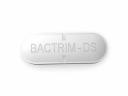
Buy Generic Bactrim (Trimethoprim) without prescription in Canada
In our Canadian pharmacy, you can buy Bactrim (Sulfamethoxazole/Trimethoprim) without a prescription, with delivery across Canada within 5‑14 days. Discreet and anonymous packaging.
Bactrim is a fixed‑dose combination antibiotic containing sulfamethoxazole, a sulfonamide, and trimethoprim, a diaminopyrimidine. It is used to treat a wide variety of bacterial infections, including urinary tract infections, respiratory tract infections, gastrointestinal infections, and certain opportunistic infections. The two components act sequentially on the bacterial folic acid synthesis pathway: sulfamethoxazole inhibits the incorporation of para‑aminobenzoic acid (PABA) into dihydrofolic acid, while trimethoprim reversibly inhibits dihydrofolate reductase, the enzyme that converts dihydrofolic acid to tetrahydrofolic acid. This dual blockade produces a synergistic bactericidal effect against a broad spectrum of Gram‑positive and Gram‑negative organisms.
Usual adult dose: The standard adult dose is one Bactrim DS (double‑strength) tablet (800 mg sulfamethoxazole / 160 mg trimethoprim) every 12 hours, or two regular‑strength tablets (400 mg/80 mg each) every 12 hours. For uncomplicated urinary tract infections, one DS tablet every 12 hours for 3 days is often prescribed. For Pneumocystis jirovecii pneumonia (PCP) treatment, the dose is 15‑20 mg/kg/day of the trimethoprim component divided into 3 or 4 equal doses, for 14‑21 days. For PCP prophylaxis, one DS tablet once daily or three times weekly is used. The tablets should be taken with a full glass of water and may be taken with food to reduce gastrointestinal upset. Adequate hydration is essential during therapy to prevent crystalluria.
Dosage form: Oral tablets: regular strength containing 400 mg sulfamethoxazole and 80 mg trimethoprim; double strength (DS) containing 800 mg sulfamethoxazole and 160 mg trimethoprim. An oral suspension (200 mg sulfamethoxazole / 40 mg trimethoprim per 5 mL) is also available.
Onset of action: Peak serum concentrations are reached within 1 to 4 hours after an oral dose. Clinical improvement, such as reduction of fever and symptoms, is typically observed within 48 to 72 hours of starting therapy, although the full course must be completed to eradicate the infection.
Duration of action: The elimination half‑life of sulfamethoxazole is approximately 9‑11 hours and that of trimethoprim is approximately 8‑10 hours in patients with normal renal function, supporting twice‑daily dosing. Therapeutic concentrations in urine and tissues persist throughout the dosing interval.
Alcohol recommendation: Alcohol consumption should be limited or avoided during treatment with Bactrim. Alcohol can increase the risk of gastrointestinal side effects, contribute to dehydration, and may exacerbate the potential for liver toxicity. There is no disulfiram‑like reaction, but heavy drinking can impair the immune response.
Most common side effects: Nausea, vomiting, diarrhoea, loss of appetite, and skin rash. The most concerning adverse effects are severe hypersensitivity reactions, including Stevens‑Johnson syndrome, toxic epidermal necrolysis, and drug reaction with eosinophilia and systemic symptoms (DRESS). Haematological effects such as thrombocytopenia, leucopenia, and megaloblastic anaemia can occur, particularly with prolonged use or in folate‑deficient patients. Hyperkalaemia may develop in susceptible individuals due to the trimethoprim component. Adequate hydration is essential to prevent crystalluria and renal stone formation.
Would you like to try Bactrim (Sulfamethoxazole/Trimethoprim) without a prescription?
General Information about Bactrim (Sulfamethoxazole/Trimethoprim)
- INN (International Nonproprietary Name): Sulfamethoxazole and Trimethoprim (co‑trimoxazole).
- Brand names available in Canada: Bactrim® (Hoffmann‑La Roche Limited) and Bactrim® DS (double strength). Generic versions are widely available and include APO‑Sulfatrim (Apotex Inc.), TEVA‑Trimel (Teva Canada Limited), Novo‑Trimel (Novopharm Limited), and others. The combination is also marketed as Septra® (Aspen Pharmacare Canada Inc.) and generic sulfamethoxazole‑trimethoprim.
- ATC code: J01EE01 (sulfamethoxazole and trimethoprim).
- Dosage forms and strengths: Oral tablets: regular strength (400 mg sulfamethoxazole / 80 mg trimethoprim) and double strength (DS, 800 mg sulfamethoxazole / 160 mg trimethoprim). Oral suspension: 200 mg sulfamethoxazole / 40 mg trimethoprim per 5 mL. Injectable solution also available.
- Manufacturers in Canada: Hoffmann‑La Roche Limited (Bactrim), Aspen Pharmacare Canada Inc. (Septra), Apotex Inc., Teva Canada Limited, Novopharm Limited, and other generic manufacturers.
- Registration status in Canada: Approved by Health Canada. Marketed since the 1970s. DINs: 00340357 (Bactrim regular), 00340365 (Bactrim DS), among many generic DINs.
- OTC / Rx classification: Prescription only (Rx). Schedule I drug under the Controlled Drugs and Substances Act. A valid prescription from a licensed Canadian healthcare professional is required.
Mechanism of Action and Pharmacology
Bactrim contains two antimicrobial agents that act sequentially on the bacterial folic acid synthesis pathway. Sulfamethoxazole is a structural analogue of para‑aminobenzoic acid (PABA) that competitively inhibits the enzyme dihydropteroate synthetase, thereby blocking the conversion of PABA to dihydrofolic acid. Trimethoprim is a selective, reversible inhibitor of dihydrofolate reductase (DHFR), the enzyme that reduces dihydrofolic acid to tetrahydrofolic acid, the active form of folate required for one‑carbon transfer reactions in the synthesis of thymidine, purines, and certain amino acids. The combination of these two sequential inhibitions results in a synergistic bactericidal effect that is often greater than the sum of the individual drugs and reduces the emergence of resistance. The spectrum of activity includes many Gram‑positive aerobes (Staphylococcus aureus [including community‑associated MRSA], Streptococcus pneumoniae, Streptococcus pyogenes) and Gram‑negative aerobes (Escherichia coli, Klebsiella species, Enterobacter species, Proteus mirabilis, Haemophilus influenzae, Moraxella catarrhalis, and Stenotrophomonas maltophilia). It is also active against Pneumocystis jirovecii, Toxoplasma gondii, and some Nocardia species.
After oral administration, both components are rapidly and almost completely absorbed, with peak serum concentrations reached within 1 to 4 hours. The bioavailability of each component is approximately 90% to 100%. The drugs are widely distributed into body tissues and fluids, including the middle ear, bronchial secretions, prostatic fluid, and cerebrospinal fluid (to a limited extent). Approximately 70% of sulfamethoxazole and 44% of trimethoprim are bound to plasma proteins. Both drugs are metabolised in the liver (sulfamethoxazole by acetylation and glucuronidation; trimethoprim to oxide and hydroxylated metabolites). The elimination half‑life of sulfamethoxazole is 9‑11 hours and of trimethoprim is 8‑10 hours in adults with normal renal function. The drugs are excreted primarily by the kidneys, and dose adjustment is required for patients with creatinine clearance below 30 mL/min. Adequate hydration must be maintained to ensure high urine output and minimise the risk of crystalluria from sulfamethoxazole.
Indications
- Urinary tract infections: Acute uncomplicated and complicated UTIs caused by susceptible Escherichia coli, Klebsiella species, Enterobacter species, Proteus mirabilis, and other organisms.
- Respiratory tract infections: Acute exacerbations of chronic bronchitis and community‑acquired pneumonia (including Pneumocystis jirovecii pneumonia [PCP]). Bactrim is a first‑line agent for PCP treatment and prophylaxis in immunocompromised patients.
- Gastrointestinal infections: Travelers’ diarrhoea and shigellosis caused by susceptible strains. It is also used in the treatment of Cyclospora and Isospora belli infections.
- Skin and soft tissue infections: Including those caused by community‑associated methicillin‑resistant Staphylococcus aureus (CA‑MRSA).
- Other infections: Otitis media, sinusitis, and toxoplasmosis (as an alternative therapy). Prophylaxis against PCP and toxoplasmosis in HIV‑infected and other immunocompromised patients.
Important Warnings and Precautions
At‑risk groups
- Pregnancy: Bactrim should be avoided during pregnancy, especially in the first trimester, because sulfonamides can cross the placenta and may cause kernicterus in the newborn. Trimethoprim, a folate antagonist, may increase the risk of neural tube defects. It should be used during pregnancy only if the potential benefit clearly outweighs the potential risk, and only when no suitable alternative is available. Women of childbearing potential should be counselled about the risks.
- Breastfeeding: Both sulfamethoxazole and trimethoprim are excreted in breast milk. Bactrim should be avoided in nursing mothers of infants who are premature, jaundiced, or have glucose‑6‑phosphate dehydrogenase (G6PD) deficiency because of the risk of kernicterus and haemolysis. For healthy, full‑term infants, it may be used with caution; the infant should be monitored for adverse effects such as diarrhoea or rash.
- Paediatrics: Bactrim is used in children aged 2 months and older. The dose is based on body weight (typically 8 mg/kg trimethoprim and 40 mg/kg sulfamethoxazole per day, divided into two doses for 10 days). It is contraindicated in infants under 2 months because of the immaturity of the hepatic glucuronidation system and the risk of kernicterus.
- Elderly: No specific dose adjustment is required for age alone, but elderly patients are more likely to have decreased renal function, and dosage should be adjusted accordingly. They are also at greater risk for severe skin reactions, blood dyscrasias, and hyperkalaemia. Close monitoring is essential.
- Renal impairment: Both components are excreted renally. For patients with creatinine clearance 15‑30 mL/min, the standard dose should be reduced by 50%. For those with creatinine clearance below 15 mL/min, Bactrim is generally not recommended unless haemodialysis is available, because accumulation can occur. Adequate hydration is critical to prevent crystalluria and stone formation.
- Hepatic impairment: Bactrim should be used with caution in patients with liver disease. Both drugs are metabolised by the liver, and accumulation of sulfamethoxazole may occur. Liver function tests should be monitored periodically.
- Severe cutaneous adverse reactions: Life‑threatening and sometimes fatal skin reactions, including Stevens‑Johnson syndrome (SJS), toxic epidermal necrolysis (TEN), drug reaction with eosinophilia and systemic symptoms (DRESS), and acute generalised exanthematous pustulosis (AGEP), have been reported with sulfonamides and trimethoprim. These reactions usually occur within the first few weeks of therapy. Patients should be advised to discontinue Bactrim immediately at the first appearance of a skin rash, mucosal lesions, or any sign of hypersensitivity, and seek urgent medical attention.
- Haematological effects: Trimethoprim‑induced folate deficiency can cause megaloblastic anaemia, leucopenia, thrombocytopenia, and pancytopenia, particularly in patients with pre‑existing folate deficiency, malnutrition, chronic alcoholism, or prolonged therapy. Complete blood counts should be monitored regularly. Folinic acid (leucovorin) may be administered to reverse these effects.
- Hyperkalaemia: Trimethoprim blocks the epithelial sodium channel in the distal nephron, similar to the effect of the potassium‑sparing diuretic amiloride, and can cause clinically significant hyperkalaemia, especially in patients with renal impairment, diabetes, elderly age, or those taking other drugs that raise potassium (e.g., ACE inhibitors, angiotensin receptor blockers, potassium supplements, potassium‑sparing diuretics). Serum potassium should be monitored closely.
- Hypoglycaemia: Sulfonamides can potentiate the effect of sulfonylureas and cause hypoglycaemia. Blood glucose should be monitored in diabetic patients, and doses of oral hypoglycaemics or insulin may need to be reduced.
- G6PD deficiency: Haemolytic anaemia can occur in patients with glucose‑6‑phosphate dehydrogenase deficiency. Bactrim should be used with caution in these patients, and complete blood counts should be monitored.
- Allergy: Do not take Bactrim if you have a known hypersensitivity to sulfonamides, trimethoprim, or any excipient in the formulation. Cross‑reactivity with other sulfonamide‑derived drugs (e.g., thiazide diuretics, sulfonylureas) may occur but is not always clinically significant.
Driving and alcohol
Bactrim is not known to impair the ability to drive or operate machinery. Some patients may experience dizziness, headache, or fatigue as part of the underlying infection. Alcohol consumption should be limited or avoided during treatment because it can worsen gastrointestinal side effects, impair the immune response, and contribute to dehydration. There is no disulfiram‑like reaction. Heavy chronic alcohol use may increase the risk of folate deficiency and the associated haematological adverse effects.
Dosage Instructions
- Adults and adolescents (≥ 12 years) — standard infections: One double‑strength (DS) tablet (800 mg sulfamethoxazole / 160 mg trimethoprim) every 12 hours, or two regular‑strength tablets (400 mg/80 mg each) every 12 hours. The usual course is 7‑10 days for most infections. For uncomplicated lower urinary tract infections, a 3‑day course of one DS tablet twice daily is often sufficient.
- Pneumocystis jirovecii pneumonia (PCP) treatment: 15‑20 mg/kg/day of the trimethoprim component (approximately 75‑100 mg/kg/day of sulfamethoxazole) divided into 3 or 4 equal doses, for 14‑21 days. For PCP prophylaxis: one DS tablet once daily, or one DS tablet three times weekly.
- Paediatric dosing (≥ 2 months): The dose is based on the trimethoprim component: 8 mg/kg trimethoprim and 40 mg/kg sulfamethoxazole per day, divided into two doses (every 12 hours). For PCP treatment in children, 15‑20 mg/kg/day of trimethoprim divided into 4 doses. The oral suspension is used for young children.
- Renal impairment: For patients with creatinine clearance 15‑30 mL/min, reduce the standard dose by 50% (e.g., one DS tablet once daily). For those with creatinine clearance below 15 mL/min, avoid use unless haemodialysis is ongoing; if used, administer after dialysis. Adequate hydration (at least 1.5‑2 litres of fluid daily) is essential throughout therapy to maintain a high urine output and prevent crystalluria.
- Administration: Swallow the tablet whole with a full glass of water. It may be taken with food or a meal to reduce gastrointestinal upset. For the oral suspension, shake well before each use and measure with the calibrated device provided. Space doses evenly (every 12 hours). Complete the entire prescribed course, even if symptoms resolve earlier.
- Missed dose: If a dose is missed, take it as soon as remembered on the same day. If it is close to the time of the next dose, skip the missed dose and resume the regular schedule. Do not double the dose.
Side Effects and Contraindications
- Very common (≥ 10%): Nausea, vomiting, diarrhoea, and loss of appetite. Skin rash (morbilliform or urticarial) is common, especially with prolonged therapy.
- Common (1‑10%): Headache, dizziness, and photosensitivity. Hyperkalaemia may occur, particularly in those with risk factors.
- Serious adverse reactions: Severe cutaneous adverse reactions (SJS, TEN, DRESS, AGEP) — can be fatal. Haematological effects (megaloblastic anaemia, agranulocytosis, aplastic anaemia, thrombocytopenia). Hepatotoxicity including fulminant hepatic necrosis. Pancreatitis. Interstitial nephritis and acute renal failure (often associated with crystalluria). Hypoglycaemia in diabetic patients. Aseptic meningitis (rare).
- Contraindications: Hypersensitivity to sulfonamides, trimethoprim, or any excipient. Severe renal impairment (CrCl < 15 mL/min) when not on dialysis. Severe hepatic impairment. Infants under 2 months of age. Pregnancy (first trimester) and breastfeeding of premature or jaundiced infants. Known folate deficiency without supplementation. Concomitant use with dofetilide is contraindicated (risk of ventricular arrhythmias).
Drug Interactions
- Dofetilide — contraindicated: Trimethoprim inhibits the renal secretion of dofetilide, increasing its serum concentration and the risk of serious ventricular arrhythmias including torsade de pointes. Co‑administration is contraindicated.
- Warfarin — monitor closely: Sulfamethoxazole and trimethoprim can potentiate the anticoagulant effect of warfarin by inhibiting its metabolism and reducing vitamin K production by gut flora. The INR should be monitored frequently, and the warfarin dose adjusted as needed.
- ACE inhibitors, ARBs, and potassium‑sparing diuretics (e.g., spironolactone, amiloride): Additive hyperkalaemic effect with trimethoprim. Serum potassium must be monitored closely, and the combination should be used with caution or avoided in at‑risk patients.
- Methotrexate — increased toxicity: Sulfamethoxazole may displace methotrexate from plasma protein binding and reduce its renal clearance, leading to increased methotrexate toxicity (bone marrow suppression, gastrointestinal toxicity). Concomitant use should be avoided or undertaken with extreme caution, with methotrexate levels monitored.
- Phenytoin: Sulfamethoxazole can inhibit the metabolism of phenytoin, leading to increased phenytoin levels and toxicity. Phenytoin levels should be monitored.
- Oral hypoglycaemics (sulfonylureas): Sulfamethoxazole may potentiate the hypoglycaemic effect of sulfonylureas (e.g., glyburide, gliclazide) by displacement from protein binding and inhibition of metabolism. Blood glucose should be monitored, and the sulfonylurea dose may need to be reduced.
- Oral contraceptives: Broad‑spectrum antibiotics may reduce the efficacy of combined oral contraceptives. A backup barrier method is recommended during treatment and for at least 7 days afterward.
- Cyclosporine: Concomitant use may increase the risk of nephrotoxicity. Renal function should be monitored.
- Methotrexate: See above; avoid combination.
- Probenecid: May increase sulfamethoxazole levels by inhibiting renal tubular secretion.
- Laboratory test interference: Trimethoprim may interfere with the serum methotrexate assay using the dihydrofolate reductase method when a competitive binding protein technique is used. No interference occurs with the radioimmunoassay method. Sulfonamides may cause false‑positive results for urine glucose with Benedict’s or Fehling’s tests.
Practical Advice
- Administration: Take Bactrim with a full glass of water to ensure adequate hydration and reduce the risk of crystalluria. Drink plenty of fluids (at least 1.5‑2 litres daily) throughout the treatment course. Take with food if gastrointestinal upset occurs. Complete the full prescribed course.
- Monitoring: For prolonged therapy (beyond 14 days), complete blood counts should be monitored weekly. Serum potassium and renal function (creatinine) should be checked at baseline and periodically, especially in patients with risk factors. Liver function tests may be monitored. In patients on warfarin, check INR frequently.
- Storage: Store tablets at room temperature (15‑30 °C) in a tightly closed container, protected from moisture and light. Store the oral suspension in the refrigerator (2‑8 °C) after reconstitution; shake well before each use and discard any unused portion after 14 days. Keep out of reach of children.
- Lifestyle: Avoid prolonged sun exposure and use sunscreen; photosensitivity reactions can occur. Avoid alcohol to reduce gastrointestinal upset and liver strain. Inform all healthcare providers of your Bactrim use, especially if you have kidney disease, folate deficiency, or are taking medications that affect potassium.
- Missed dose: Take as soon as remembered on the same day. If it is near the next dose, skip the missed dose. Do not double.
- When to seek medical review: Stop Bactrim and contact your doctor immediately if you develop a skin rash, blistering, or mucosal sores; signs of an allergic reaction (swelling of the face, lips, tongue, difficulty breathing); severe or bloody diarrhoea; signs of liver injury (jaundice, dark urine, abdominal pain); or signs of a blood disorder (unexplained bruising, bleeding, sore throat, fever). Seek emergency care for anaphylaxis or severe skin reactions.
- Disposal: Return unused or expired medication to a pharmacy for safe disposal. Do not flush down the toilet or discard in household waste.
Alternative Medications
- Amoxicillin (Amoxil®): First‑line for many uncomplicated UTIs and respiratory infections, though resistance is common. Not effective against MRSA or PCP.
- Ciprofloxacin (Cipro®) or levofloxacin: Fluoroquinolones for UTIs, respiratory infections, and gastrointestinal infections. They provide broad Gram‑negative coverage and are alternatives when Bactrim cannot be used, but carry risks of tendonitis and QT prolongation.
- Nitrofurantoin (Macrobid®): For uncomplicated lower UTIs; not effective for systemic infections.
- Doxycycline (Vibramycin®): For respiratory infections, skin infections (including CA‑MRSA), and some gastrointestinal infections. An alternative for penicillin‑allergic patients, but not for PCP or toxoplasmosis.
- Clindamycin and primaquine or pentamidine: Alternatives for PCP treatment and prophylaxis when Bactrim is not tolerated.
- Trimethoprim alone: Used primarily for uncomplicated UTIs, but less effective than the combination.
- Non‑pharmacological measures: Adequate hydration, urinary alkalinisation (for some UTI symptoms), and rest are supportive.
Clinical Efficacy
Bactrim has been a cornerstone of antimicrobial therapy since its introduction in the 1960s. It remains highly effective for uncomplicated UTIs, with cure rates exceeding 90% for susceptible organisms when used as a 3‑day course. For PCP, it is the first‑line agent for both treatment and prophylaxis, reducing mortality and the incidence of breakthrough infections significantly in HIV‑infected patients. In skin and soft tissue infections due to CA‑MRSA, it provides an effective oral option. However, resistance rates among Enterobacteriaceae have increased, particularly in complicated UTIs and in certain geographic regions, and local susceptibility data should guide empiric therapy. The combination’s synergistic action, oral bioavailability, and broad spectrum keep it in widespread use, but careful attention to renal function, potassium levels, and skin reactions is essential. Canadian guidelines recommend Bactrim as a first‑line therapy for acute uncomplicated UTIs and for PCP prophylaxis in immunocompromised patients.
Important:
Bactrim (sulfamethoxazole/trimethoprim) is a prescription antibiotic that should be used only under the supervision of a qualified healthcare professional. It can cause severe, life‑threatening skin reactions (Stevens‑Johnson syndrome, toxic epidermal necrolysis) that require immediate discontinuation of the drug. If you develop a rash, blistering, or sores on the lips, mouth, or eyes, stop taking Bactrim immediately and seek emergency medical attention. This medication can also cause serious blood disorders, liver damage, and kidney problems. Drink plenty of fluids to prevent kidney complications. Do not take Bactrim if you are in your first trimester of pregnancy, have severe kidney or liver disease, or are allergic to sulfonamide drugs. If you have an allergy to sulfonamides, be aware of potential cross‑reactivity with other drugs. Inform your doctor of all medications you are taking, especially warfarin, potassium‑sparing diuretics, ACE inhibitors, or methotrexate. If you experience signs of an allergic reaction, significant blood count changes, or new or worsening infection, contact your healthcare provider immediately. This information is not a substitute for professional medical advice, diagnosis, or treatment.


| Shipping method | Delivery time | Price | |
 Delivery Delivery |
14-21 days | 14.95$ | Tracking# available in 4 days |
 Delivery Delivery |
9-14 days | 30$ | Tracking# available in 2 days |
- Shipping worldwide
- Confidentiality and anonymity guarantee
- Safe and secure
- Discrete looking packages
- Dispatch orders within 24 hours
- 100% success delivery


