


 Secure and Reliable
 High quality
 Worldwide shipping
 Bonuses and Discounts
 Money back Guarantee
- Bestsellers
- Alcoholism
- COVID-19
- Allergy
- Anti Fungal
- Alzheimers
- Anti Viral
- Anti-Depressants
- Anti-Inflammatory
- Antibacterial
- Antiparasitic
- Antibiotics
- Arthritis
- Asthma
- Birth Control
- Blood Pressure
- Cancer
- Cardiovascular
- Cholesterol
- Diabetes
- Diuretics
- Erectile Dysfunction
- Eye Drop
- Gastro Health
- General Health
- Hair Loss
- Hepatitis C Virus (HCV)
- HIV
- Hormones
- Men's ED Packs
- Men's Health
- Mental Illness
- Motion Sickness
- Muscle Relaxant
- Pain Relief
- Parkinson’s Disease
- Veterinary Medicines
- Quit Smoking
- Vitamins
- Skin Care
- Sleeping Aids
- Weight Loss
- Women's Health
Generic Betamethasone And Fusidic Acid ( Betamethasone and Fusidic Acid )
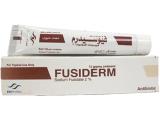
Betamethasone and fusidic acid is a combination topical medication used to treat infected eczema or dermatitis. Fusidic acid is an antibiotic that stops bacterial growth, while betamethasone is a corticosteroid that reduces swelling, redness, and itching. Apply a thin film to the affected area twice daily, usually for up to 2 weeks. Do not use it on the face, groin, or underarms unless directed. Follow your doctor or pharmacist's instructions exactly.
Buy Generic Betamethasone And Fusidic Acid (Betamethasone and Fusidic Acid) without prescription in Canada
Betamethasone and Fusidic Acid (2%/0.12% Cream): Comprehensive Patient Information for Canada
Basic Product Information
| Generic Name (INN) | Betamethasone valerate and fusidic acid |
| Canadian Brand Names / Trade Names | Fucibet (Leo Pharma Inc.). Note: Fusidic acid 2% / betamethasone 0.1% is the standard Canadian formulation. The 0.12% strength referenced in some markets corresponds to betamethasone valerate 0.1% w/w, which is the approved concentration in Canada. |
| ATC Code | D07CC01 (Betamethasone and antibiotics) |
| Available Dosage Forms and Strengths | White, highly viscous, oil-in-water emulsion cream. Each gram contains 2% (20 mg) fusidic acid and 0.1% (1 mg) betamethasone (as betamethasone valerate). Available in 15 g and 30 g tubes. |
| Manufacturers | LEO Pharma Inc. (Toronto, Ontario, Canada) |
| Prescription Status | Prescription only in Canada |
Mechanism of Action
In simple terms: This cream contains two active medicines that work together. Fusidic acid is an antibiotic that kills the bacteria causing the skin infection. Betamethasone is a corticosteroid that reduces the swelling, redness, and itching of the inflamed skin. By treating both the infection and the inflammation at the same time, the cream helps the skin heal faster.
For specialists: Fusidic acid is a steroidal antibiotic that exerts its antibacterial action by interfering with bacterial protein synthesis. It is highly effective against gram-positive organisms, particularly Staphylococcus aureus, including penicillinase-producing strains. Betamethasone valerate is a medium-strength topical corticosteroid with anti-inflammatory, anti-pruritic, and vasoconstrictive properties. It suppresses the inflammatory response by inhibiting the release of arachidonic acid and the synthesis of prostaglandins and leukotrienes. The combination provides simultaneous antibacterial and anti-inflammatory therapy, which is appropriate when eczematous dermatoses are complicated by bacterial infection.
Pharmacokinetics
- Absorption: Fusidic acid is poorly absorbed systemically when applied topically to intact skin. Betamethasone valerate can be absorbed percutaneously, particularly when applied to large surface areas, under occlusive dressings, or to damaged skin.
- Metabolism: Fusidic acid is metabolized in the liver and excreted mainly in bile. Betamethasone is metabolized primarily in the liver, with some metabolism occurring in the skin.
- Elimination: Both components are eliminated via hepatic metabolism and biliary/renal excretion. Specific half-life data for the topical formulation are not well established.
- Onset of Action: Symptomatic relief (reduction in itching, redness, and swelling) is typically observed within a few days of consistent use.
- Duration of Action: Effects are maintained with continued twice-daily application. Treatment should generally not exceed 14 days.
Uses in Daily Life and Best Practice Advice
This cream is prescribed in Canada for the topical treatment of eczematous dermatoses (such as eczema or dermatitis) in adults and children 6 years of age and older, when a bacterial infection with Staphylococcus aureus is suspected or confirmed. Your physician will determine the appropriate use based on your specific skin condition.
- Typical Uses: Infected eczema, infected dermatitis, and other corticosteroid-responsive dermatoses with secondary bacterial infection.
- Administration: Apply a thin film of cream to completely cover the affected and surrounding skin areas twice daily, in the morning and at night. Massage gently into the skin. Do not use under bandages or dressings unless directed by your physician.
- Monitoring: If there is no response to treatment within 3 days, or if the condition deteriorates, your physician should re-evaluate the diagnosis.
- Local Policy: Limiting therapy to no more than 14 days at a time is recommended to minimize the risk of developing antibiotic resistance and steroid-related side effects.
Morning vs. Evening Dosing
The cream is applied twice daily, in the morning and at night, approximately 12 hours apart. There is no specific clinical recommendation for one time over the other, but applying it at consistent times each day helps ensure steady therapeutic effect.
- Morning and Evening: Apply the cream to the affected areas in the morning and again at night.
- Consistency: Use the cream at the same times each day to support consistent absorption and effect.
- Missed Dose: If you forget to apply a dose, apply it as soon as you remember. If it is almost time for your next dose, skip the missed application and continue with your regular schedule. Do not apply a double amount.
- Professional Guidance: Your healthcare provider may adjust the frequency or duration based on your response to treatment.
Administration With or Without Food
This medication is for topical use on the skin only. It is not taken by mouth and is not affected by food. However, the following practical guidance should be followed for safe and effective use:
- Wash and dry the affected area thoroughly before applying the cream.
- Apply a thin layer and rub it in gently until it is absorbed.
- Wash your hands thoroughly after applying the cream, unless your hands are the treated area.
- Do not cover the treated area with bandages, dressings, or plastic wrap unless specifically instructed by your physician, as this can increase the absorption of the steroid.
- Do not apply the cream to the face, under the arms, or in the groin area unless specifically directed by your physician, as these areas are more sensitive to steroid side effects.
Interaction Warnings
| Interaction | Advice |
|---|---|
| Other Topical Corticosteroids or Immunosuppressants | Concurrent use may increase the risk of local and systemic corticosteroid effects. Avoid unless directed by a physician. |
| Other Topical Antibiotics | Concurrent use may increase the risk of antibiotic resistance. Do not use multiple topical antibiotics on the same area without medical advice. |
| Soaps, Cleansers, and Other Skin Products | Using other skin products while using this medication may increase skin irritation. Consult your physician before using other products on the treated area. |
| Systemic Corticosteroids (e.g., prednisone, dexamethasone) | Concurrent use may increase the risk of systemic corticosteroid effects, including adrenal suppression. Monitor for signs of excessive corticosteroid exposure. |
| Alcohol | No direct interaction with topical use. Alcohol is not a contraindication, but excessive consumption can worsen skin conditions. |
Indications for Betamethasone and Fusidic Acid
| Condition | Status |
|---|---|
| Infected eczematous dermatoses (eczema or dermatitis with suspected or confirmed Staphylococcus aureus infection) | Approved (Health Canada) |
| Infected dermatitis | Approved (Health Canada) |
| Other corticosteroid-responsive dermatoses with secondary bacterial infection | Approved (Health Canada) |
| Impetiginized eczema | Approved (Health Canada) |
"Off-label" means use outside the official approved indication, usually based on current medical guidelines and scientific evidence. This product is approved for adults and children 6 years of age and older.
Dosing According to Clinical Indication
| Indication | Adults and Adolescents (≥18 years) | Children (6–17 years) | Children ( |
|---|---|---|---|
| Infected eczema / dermatitis | Apply a thin film to affected area twice daily (morning and night) for up to 14 days | Apply a thin film to affected area twice daily (morning and night) for up to 14 days; avoid large amounts, occlusion, or long-term use | Not recommended (safety and efficacy not established) |
| Maximum duration of treatment | 14 days | 14 days | Not applicable |
Doses should always be adjusted according to the advice of your physician and depending on your health condition. Treatment should generally not exceed 14 days to minimize the risk of developing bacterial resistance and corticosteroid side effects. Do not use under occlusive dressings.
Side Effects and Safety Profile
| Common (≥1%) | Occasional (0.1–1%) | Rare / Serious (<0.1%) | Warnings |
|---|---|---|---|
|
|
|
|
Guidelines for Correct Use
- Apply the cream exactly as prescribed by your physician. Do not use more or for longer than directed.
- Apply a thin film to the affected area twice daily, in the morning and at night.
- Wash and dry the affected area before application.
- Wash your hands thoroughly after applying the cream, unless your hands are the treated area.
- Do not cover the treated area with bandages, dressings, or plastic wrap unless your physician instructs you to do so.
- Do not use the cream for more than 14 days continuously, as this increases the risk of antibiotic resistance and steroid side effects.
- Do not use on the face, in the groin, or under the arms unless directed by your physician.
- Avoid contact with the eyes and mucous membranes. If contact occurs, rinse thoroughly with water.
- If the skin condition does not improve within 3 days, or if it worsens, contact your physician.
- Inform all healthcare providers about your use of this medication, especially before any surgery or dental procedure.
- Do not use this medication during pregnancy or breastfeeding unless clearly needed and prescribed by your physician.
Alternative Treatment Options
- Fucidin H (fusidic acid and hydrocortisone acetate): A combination product with a milder corticosteroid (hydrocortisone). It may be appropriate for milder cases of infected eczema or for use on more sensitive skin areas.
- Mupirocin (Bactroban) with a separate topical corticosteroid: Mupirocin is an alternative topical antibiotic effective against Staphylococcus aureus. It can be used in combination with a topical corticosteroid, though not as a fixed-dose combination product.
- Betamethasone valerate alone (e.g., Betacort, Betnovate): A topical corticosteroid without an antibiotic component. This may be appropriate if the infection has resolved and only inflammation remains.
- Fusidic acid alone (e.g., Fucidin cream or ointment): A topical antibiotic without a steroid component. This may be appropriate if the infection is present without significant inflammation.
- Other topical corticosteroid-antibiotic combinations (e.g., betamethasone with gentamicin, hydrocortisone with oxytetracycline): Alternative combination products available in Canada, though the specific antibiotic and steroid components differ.
Comparison: Fucibet is chosen when both bacterial infection and inflammation need to be treated simultaneously. It provides the convenience of a single product and the targeted antibacterial activity of fusidic acid against Staphylococcus aureus, which is the most common cause of secondary infection in eczema. Compared with separate application of an antibiotic and a steroid, the fixed-dose combination may improve adherence. However, it is not appropriate for fungal or viral skin infections, and the steroid component limits the duration of use. Your physician will determine the best option for your specific skin condition.
Legal Status, Registration, and Coverage in Canada
- Registration: Fucibet (fusidic acid 2% and betamethasone valerate 0.1% cream) is authorized for sale in Canada by Health Canada. The current market status is "Marketed," with the status date of October 3, 2018. The drug identification number (DIN) is 02474883. The product is manufactured by LEO Pharma Inc., Toronto, Ontario.
- Prescription Status: Prescription only in Canada. It is classified as a Schedule F (prescription) drug.
- Coverage: Coverage varies by province, territory, and private insurance plan. Some provincial drug plans may cover Fucibet under specific conditions, while others may not. It is not a general benefit on all formularies. Check with your provincial or territorial drug plan and your private insurance provider for coverage details.
- Pharmacovigilance: Adverse reactions should be reported to Health Canada's MedEffect Canada program at 1-866-234-2345.
Recent Research and Clinical Guidelines (2022–2026)
- The Canadian regulatory decision summary for Fucibet was published on April 12, 2018, and the product remains actively marketed as of 2026. The approval is for the topical treatment of eczematous dermatoses in adults and children 6 years of age and older, when infection with Staphylococcus aureus is suspected or confirmed.
- Current clinical practice in Canada continues to emphasize limiting topical antibiotic-corticosteroid combination therapy to no more than 14 days to minimize the risk of developing antibiotic resistance, particularly with fusidic acid, and to reduce the risk of corticosteroid-related adverse effects.
- Topical fusidic acid resistance among Staphylococcus aureus isolates has been reported in Canada and internationally, reinforcing the importance of judicious use and limiting treatment duration.
- Research continues to explore alternative topical antibiotic and corticosteroid combinations for infected eczema, including mupirocin-based regimens and newer agents, but fixed-dose combinations such as Fucibet remain a standard option for appropriately selected patients.
Availability and Supply in Canada
| Packaging Format | Typical Price (CAD, per unit) | Availability |
|---|---|---|
| Fucibet Cream 2%/0.1%, 15 g tube | Approximately $30–$50 | Available at pharmacies across Canada; prescription required |
| Fucibet Cream 2%/0.1%, 30 g tube | Approximately $50–$80 | Available at pharmacies across Canada; prescription required |
| Fucibet Cream 2%/0.1%, 60 g tube | Approximately $70–$110 | Available at pharmacies; may need to be ordered |
Prices and availability may vary by province, territory, and pharmacy. Some formulations may be subject to supply disruptions. Check with your local pharmacy for current pricing and availability.
Frequently Asked Questions (FAQ)
- What is the difference between the 2%/0.1% and 2%/0.12% strengths?
In Canada, the approved formulation is fusidic acid 2% and betamethasone valerate 0.1%. The 0.12% figure referenced in some international sources may reflect a different salt form or a variation in how the betamethasone concentration is expressed. The Canadian standard is 0.1% betamethasone valerate. Always use the formulation prescribed by your Canadian physician. - How long can I use Fucibet cream?
Treatment should generally not exceed 14 days continuously. Prolonged use increases the risk of developing bacterial resistance to fusidic acid and corticosteroid-related side effects such as skin thinning and adrenal suppression. - Can I use Fucibet on my face?
No. Betamethasone is a medium-strength steroid, and using it on the face can cause skin thinning, acne, and other side effects. Do not apply the cream to the face, under the arms, or in the groin area unless specifically directed by your physician. - What should I do if I miss a dose?
Apply the missed dose as soon as you remember. If it is almost time for your next dose, skip the missed application and continue with your regular schedule. Do not apply a double amount. - Can I cover the treated area with a bandage?
No. Do not cover the treated area with bandages, dressings, or plastic wrap unless specifically instructed by your physician. Covering the area increases the absorption of the steroid and the risk of side effects. - What are the signs of a serious side effect I should watch for?
Seek medical attention if you experience signs of an allergic reaction (rash, hives, difficulty breathing, swelling of the face or throat), signs of adrenal suppression (severe fatigue, muscle weakness, dizziness, nausea), or eye symptoms (blurred vision, eye pain, redness). These may indicate a serious adverse reaction. - Is Fucibet safe for children?
Fucibet is approved for children 6 years of age and older, but children are more sensitive to the effects of corticosteroids. Use with caution, avoid large amounts, occlusion, and long-term use in children. Regular growth checks may be needed. - Can I use Fucibet if I am pregnant or breastfeeding?
Consult your physician before use if you are pregnant, planning to become pregnant, or breastfeeding. The benefits and risks should be discussed with your healthcare provider.


| Shipping method | Delivery time | Price | |
 Delivery |
14-21 days | 14.95$ | Tracking# available in 4 days |
 Delivery |
9-14 days | 30$ | Tracking# available in 2 days |
- Shipping worldwide
- Confidentiality and anonymity guarantee
- Safe and secure
- Discrete looking packages
- Dispatch orders within 24 hours
- 100% success delivery


