


 Secure and Reliable
  High quality
  Worldwide shipping
  Bonuses and Discounts
  Money back Guarantee
 - Bestsellers
- Alcoholism
- COVID-19
- Allergy
- Anti Fungal
- Alzheimers
- Anti Viral
- Anti-Depressants
- Anti-Inflammatory
- Antibacterial
- Antiparasitic
- Antibiotics
- Arthritis
- Asthma
- Birth Control
- Blood Pressure
- Cancer
- Cardiovascular
- Cholesterol
- Diabetes
- Diuretics
- Erectile Dysfunction
- Eye Drop
- Gastro Health
- General Health
- Hair Loss
- Hepatitis C Virus (HCV)
- HIV
- Hormones
- Men's ED Packs
- Men's Health
- Mental Illness
- Motion Sickness
- Muscle Relaxant
- Pain Relief
- Parkinson’s Disease
- Veterinary Medicines
- Quit Smoking
- Vitamins
- Skin Care
- Sleeping Aids
- Weight Loss
- Women's Health
Generic Cephalexin ( Cephalexin )
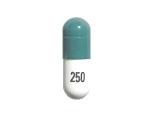
Buy Generic Cephalexin (Cephalexin) without prescription in Canada
In our Canadian pharmacy, you can buy Cephalexin without a prescription, with delivery across Canada within 5-14 days. Discreet and anonymous packaging.
Cephalexin is a first-generation cephalosporin antibiotic used to treat a wide variety of bacterial infections, including those of the respiratory tract, middle ear, skin, bones, and urinary tract. It works by binding to penicillin-binding proteins (PBPs) and inhibiting the synthesis of the bacterial cell wall, leading to cell lysis and death. It is effective against many Gram-positive and some Gram-negative organisms, and is a common alternative for patients with mild to moderate penicillin allergy.
Usual adult dose: The recommended dose for most mild to moderate infections is 500 mg taken orally every 12 hours, or 250 mg every 6 hours. For more severe infections, or those caused by less susceptible organisms, 500 mg every 8 hours may be used. For streptococcal pharyngitis, a 500 mg twice-daily regimen is effective and convenient. The tablet should be swallowed whole with a full glass of water and may be taken with or without food; taking it with food can help reduce stomach upset. Therapy should be continued for at least 48 to 72 hours after symptoms have resolved, and for Group A Streptococcus infections, a full 10-day course is recommended to prevent rheumatic fever.
Dosage form: Oral capsules or film-coated tablets, 500 mg (as cephalexin monohydrate). An oral suspension (125 mg/5 mL and 250 mg/5 mL) is also available.
Onset of action: Cephalexin is rapidly absorbed, with peak serum concentrations reached within 1 hour of an oral dose. Clinical improvement, such as fever reduction and symptom relief, is typically seen within 48 to 72 hours of starting therapy, although the full course must be completed to eradicate the infection.
Duration of action: The elimination half-life of cephalexin is approximately 1 hour in patients with normal renal function, but the antibiotic effect persists with twice-daily or three-times-daily dosing, maintaining therapeutic concentrations above the minimum inhibitory concentration (MIC) for susceptible organisms throughout the dosing interval.
Alcohol recommendation: Alcohol consumption does not directly interfere with the antibacterial action of Cephalexin. However, alcohol should be limited during treatment because it can worsen gastrointestinal side effects such as nausea and diarrhoea, impair the immune response, and contribute to dehydration. There is no disulfiram-like reaction with this cephalosporin.
Most common side effects: Diarrhoea, nausea, vomiting, dyspepsia, and abdominal pain. Skin rashes, including urticaria, may occur, particularly in patients with a history of penicillin allergy, as cross-sensitivity between cephalosporins and penicillins is possible in a small percentage of patients. Rare but serious adverse effects include Clostridioides difficile-associated diarrhoea, anaphylaxis, severe cutaneous adverse reactions (Stevens-Johnson syndrome, toxic epidermal necrolysis), and acute interstitial nephritis.
Would you like to try Cephalexin without a prescription?
General Information about Cephalexin
- INN (International Nonproprietary Name): Cephalexin (as cephalexin monohydrate).
- Brand names available in Canada: Keflex® (Pendopharm, a division of Pharmascience Inc.) is a common brand-name product. Generic versions are widely available and include APO-Cephalexin (Apotex Inc.), TEVA-Cephalexin (Teva Canada Limited), Sandoz Cephalexin (Sandoz Canada Inc.), PMS-Cephalexin (Pharmascience Inc.), and many others.
- ATC code: J01DB01 (cephalexin; first-generation cephalosporins).
- Dosage forms and strengths: Oral capsules: 250 mg, 500 mg, and 750 mg. Oral tablets: 250 mg, 500 mg, and 1 g. Powder for oral suspension: 125 mg/5 mL and 250 mg/5 mL after reconstitution.
- Manufacturers in Canada: Pendopharm (Keflex), Apotex Inc., Teva Canada Limited, Sandoz Canada Inc., Pharmascience Inc., and other generic manufacturers.
- Registration status in Canada: Approved by Health Canada. Cephalexin has been available in Canada since the 1970s and is one of the most commonly prescribed antibiotics. Multiple generic formulations are currently marketed and available by prescription. DINs include 00204164 (Keflex 500 mg capsule) and numerous generic equivalents.
- OTC / Rx classification: Prescription only (Rx). Schedule I drug under the Controlled Drugs and Substances Act. A valid prescription from a licensed Canadian healthcare professional is required.
Mechanism of Action and Pharmacology
Cephalexin is a first-generation cephalosporin that exerts its bactericidal effect by binding to penicillin-binding proteins (PBPs) located on the inner membrane of the bacterial cell wall. This binding inhibits the transpeptidase enzymes responsible for cross-linking peptidoglycan chains, an essential step in cell wall biosynthesis. The result is a weakened cell wall that cannot withstand osmotic pressure, leading to cell lysis and death. Cephalexin is active against many Gram-positive aerobes, including Staphylococcus aureus (methicillin-susceptible strains), Streptococcus pneumoniae, and Streptococcus pyogenes, as well as some Gram-negative aerobes such as Escherichia coli, Klebsiella pneumoniae, and Proteus mirabilis. It is not active against methicillin-resistant Staphylococcus aureus (MRSA), Enterococcus species, or Pseudomonas aeruginosa. Because of its beta-lactam ring, cephalexin is susceptible to hydrolysis by extended-spectrum beta-lactamases (ESBLs) produced by certain Gram-negative organisms, but it remains stable against many common beta-lactamases from Gram-positive bacteria.
After oral administration, cephalexin is rapidly and almost completely absorbed from the gastrointestinal tract, with an absolute bioavailability of approximately 90-100%. Food may delay absorption slightly but does not reduce the total amount absorbed. Peak plasma concentrations are reached within 1 hour of dosing. The drug is widely distributed into body tissues and fluids, including the kidney, liver, bone, and synovial fluid. Approximately 10-15% of the drug is bound to plasma proteins. Cephalexin is not significantly metabolized and is excreted almost entirely unchanged by the kidneys via glomerular filtration and tubular secretion. The elimination half-life is approximately 0.5 to 1.2 hours in adults with normal renal function; this is prolonged in patients with renal impairment, and dose adjustment is required when creatinine clearance falls below 30 mL/min. Cephalexin is removed by haemodialysis.
Indications
- Respiratory tract infections, including pharyngitis, tonsillitis, and community-acquired pneumonia caused by susceptible Streptococcus pneumoniae and Streptococcus pyogenes.
- Acute otitis media caused by susceptible organisms.
- Skin and soft tissue infections, including cellulitis, impetigo, and wound infections caused by susceptible staphylococci and streptococci.
- Bone and joint infections (osteomyelitis) caused by susceptible organisms, often as part of prolonged therapy.
- Urinary tract infections, including acute cystitis and pyelonephritis, caused by susceptible Escherichia coli, Klebsiella pneumoniae, and Proteus mirabilis.
- Dental infections and endocarditis prophylaxis (alternative for penicillin-allergic patients, though amoxicillin is typically preferred for prophylaxis in non-allergic patients).
- Cephalexin should not be used for severe infections or those caused by organisms known or suspected to be resistant.
Important Warnings and Precautions
At-risk groups
- Pregnancy: Cephalexin is generally considered safe for use during pregnancy and is classified as FDA Pregnancy Category B. Extensive clinical experience has not demonstrated an increased risk of fetal harm. It is commonly prescribed for urinary and respiratory infections in pregnant women. However, it should only be used when clearly needed and under medical supervision.
- Breastfeeding: Cephalexin is excreted in human breast milk in low concentrations. Although generally considered compatible with breastfeeding, it may cause diarrhoea, candidiasis, or allergic sensitization in the nursing infant. A decision should be made whether to discontinue breastfeeding or to discontinue the drug, taking into account the importance of the medication to the mother.
- Paediatrics: Cephalexin is widely used in children of all ages, including neonates. Dosing is weight-based (typically 25-50 mg/kg/day divided into 2-4 doses). The oral suspension is used for younger children. Safety and efficacy are well established.
- Elderly: No dose adjustment is required based on age alone. However, elderly patients are more likely to have age-related renal impairment, and dosage should be adjusted according to creatinine clearance. Monitoring for gastrointestinal side effects, including C. difficile-associated diarrhoea, is recommended.
- Renal impairment: Cephalexin is primarily excreted by the kidneys. In patients with moderate to severe renal impairment (creatinine clearance less than 30 mL/min), the dosing interval should be extended to every 8-12 hours for the 500 mg dose, depending on the degree of impairment. For patients on haemodialysis, a supplemental dose should be given after each dialysis session.
- Allergy and hypersensitivity: Cephalosporins can cause allergic reactions, ranging from mild rash to life-threatening anaphylaxis. Approximately 5-10% of penicillin-allergic patients may be cross-allergic to cephalosporins, particularly those with a history of immediate (IgE-mediated) penicillin reactions. Cephalexin is contraindicated in patients with a history of severe, immediate hypersensitivity to penicillins or other cephalosporins. If a hypersensitivity reaction occurs, the drug should be discontinued immediately and appropriate emergency treatment instituted.
- Clostridioides difficile-associated diarrhoea (CDAD): As with many antibiotics, cephalexin use can lead to overgrowth of C. difficile and the development of pseudomembranous colitis, which can range from mild diarrhoea to fatal colitis. CDAD must be considered in any patient who develops diarrhoea during or up to 2 months after antibiotic therapy. Anti-motility agents should be avoided if CDAD is suspected.
- Antibiotic resistance: To reduce the development of drug-resistant bacteria, cephalexin should be used only to treat infections proven or strongly suspected to be caused by susceptible organisms. Culture and sensitivity information should guide therapy when available.
- Blood dyscrasias: Very rare cases of neutropenia, thrombocytopenia, and haemolytic anaemia have been reported with cephalosporins. Complete blood counts should be monitored during prolonged therapy.
Driving and alcohol
Cephalexin is not known to impair the ability to drive or operate machinery. Some patients may experience dizziness or fatigue as part of their underlying infection. Alcohol consumption does not have a direct pharmacokinetic interaction with cephalexin, but it should be limited during treatment because it can worsen gastrointestinal side effects and impair immune function. There is no disulfiram-like reaction with this cephalosporin.
Dosage Instructions
- Adults and adolescents (≥ 15 years, weighing ≥ 40 kg): The usual dose is 500 mg taken orally every 12 hours, or 250 mg every 6 hours. For more severe infections, or those caused by less susceptible organisms, 500 mg every 8 hours (1.5 g/day) may be used. For streptococcal pharyngitis and uncomplicated cystitis, 500 mg twice daily for 7-10 days is typical. Doses up to 4 g per day in divided doses may be required for severe infections, under medical supervision.
- Paediatric dosing: 25-50 mg/kg/day divided into 2-4 doses. The 500 mg tablet is suitable for older children and adolescents who weigh more than 40 kg. For younger children, the oral suspension is preferred.
- Renal impairment: For patients with creatinine clearance below 30 mL/min, the 500 mg dose should be administered every 8-12 hours, depending on the degree of impairment. For those on haemodialysis, administer a supplemental 500 mg dose after dialysis.
- Administration: Swallow the capsule or tablet whole with a full glass of water. It may be taken with or without food; taking it with a meal can reduce stomach upset. The oral suspension should be shaken well before each use and measured with the calibrated device provided by the pharmacist. Complete the entire prescribed course, even if symptoms improve earlier.
- Missed dose: If a dose is missed, take it as soon as remembered on the same day. If it is close to the time of the next scheduled dose, skip the missed dose and resume the regular schedule. Do not double the dose.
Side Effects and Contraindications
- Common side effects (incidence ≥ 1%): Diarrhoea, nausea, vomiting, dyspepsia, abdominal pain, and skin rash (including maculopapular and urticarial eruptions).
- Less common but serious side effects: Hypersensitivity reactions (anaphylaxis, angioedema, serum sickness), Clostridioides difficile-associated diarrhoea (CDAD), acute interstitial nephritis, elevated liver enzymes, and cholestatic jaundice. Severe cutaneous adverse reactions (Stevens-Johnson syndrome, toxic epidermal necrolysis) have been reported rarely. Blood dyscrasias (neutropenia, thrombocytopenia, haemolytic anaemia) are very rare.
- Contraindications: Known hypersensitivity to cephalexin, other cephalosporins, or any excipient in the formulation. A history of severe, immediate-type hypersensitivity (e.g., anaphylaxis) to penicillins or other beta-lactam antibiotics is a contraindication.
Drug Interactions
- Probenecid: Probenecid inhibits the renal tubular secretion of cephalexin, leading to higher and prolonged serum concentrations. This interaction may be used therapeutically but requires dose adjustment and monitoring of renal function when probenecid is co-administered.
- Oral contraceptives: Cephalexin, like other broad-spectrum antibiotics, may transiently reduce the efficacy of combined oral contraceptives by interfering with the enterohepatic circulation of ethinyl estradiol. A backup barrier method of contraception is recommended during treatment and for at least 7 days after completing the antibiotic course.
- Warfarin and oral anticoagulants: Cephalexin may enhance the anticoagulant effect of warfarin, possibly by reducing vitamin K production by gut flora. The International Normalised Ratio (INR) should be monitored more frequently during and after therapy, and the warfarin dose adjusted as needed.
- Nephrotoxic drugs: Concomitant use with other potentially nephrotoxic agents (e.g., aminoglycosides, loop diuretics, vancomycin) may increase the risk of renal impairment, particularly in patients with pre-existing renal disease. Renal function should be monitored.
- Laboratory test interactions: Cephalexin may cause false-positive results for urine glucose with Benedict's or Fehling's solution. Enzyme-based glucose tests (e.g., Clinistix) are recommended. A positive direct Coombs test has been reported with some cephalosporins.
Practical Advice
- Administration: Take cephalexin at the same times each day to maintain even spacing between doses. Swallow the capsule or tablet whole with water; food may be taken with it to reduce stomach upset. Complete the full course of therapy, even if you feel better. Do not share this antibiotic with anyone else.
- Monitoring: No routine laboratory monitoring is required for healthy individuals on short-term therapy. In patients with known renal impairment, renal function should be assessed before and during treatment. For those on warfarin, monitor INR more frequently. If diarrhoea develops, especially if watery or bloody, contact your doctor before using anti-diarrhoeal medication.
- Storage: Store capsules and tablets at room temperature (15-30 °C) in a tightly closed container, protected from moisture and light. The oral suspension should be refrigerated (2-8 °C) after reconstitution and used within 14 days; discard any unused portion. Do not freeze. Keep all forms out of the reach and sight of children.
- Lifestyle: Drink plenty of fluids while taking this antibiotic to stay hydrated. Avoid alcohol, which can worsen gastrointestinal upset and delay recovery. If you have a known penicillin allergy, inform your doctor; cross-reactivity is possible but the risk is low for non-anaphylactic reactions. Inform any healthcare professional that you are taking cephalexin, particularly if you are scheduled for surgery or dental work.
- Missed dose: If you miss a dose, take it as soon as you remember on the same day. If it is almost time for your next dose, skip the missed dose and return to your regular schedule. Never double the dose to catch up.
- When to seek medical review: Contact your doctor immediately if you develop signs of an allergic reaction (rash, hives, itching, swelling of the face, lips, or tongue, difficulty breathing), severe or watery/bloody diarrhoea, signs of liver problems (yellowing of the skin or eyes, dark urine, right upper abdominal pain), or any new or worsening symptoms. Seek emergency care for anaphylaxis.
- Disposal: Return unused or expired medication to a pharmacy for safe disposal. Do not flush down the toilet or discard in household waste.
Alternative Medications
- Amoxicillin (Amoxil®): A penicillin antibiotic that is first-line for streptococcal pharyngitis and many respiratory and urinary infections. Cephalexin is a suitable alternative for patients with a non-anaphylactic penicillin allergy.
- Clindamycin (Dalacin C®): Used for skin and soft tissue infections, particularly those caused by MRSA or in patients with severe penicillin allergy. It has a higher risk of C. difficile colitis.
- Trimethoprim-sulfamethoxazole (Septra®, Bactrim®): An alternative for uncomplicated UTIs and community-associated MRSA infections, but resistance rates vary.
- Azithromycin (Zithromax®) or clarithromycin (Biaxin®): Macrolide antibiotics for respiratory infections and some skin infections, particularly when atypical organisms are suspected. They are alternatives for penicillin-allergic patients.
- Doxycycline (Vibramycin®): A tetracycline antibiotic for respiratory, skin, and some genitourinary infections. It is an alternative for penicillin-allergic patients but should not be used in children under 8 years or during pregnancy.
- Non-pharmacological measures: Rest, adequate hydration, and symptomatic management with analgesics/antipyretics (e.g., acetaminophen, ibuprofen) are important supportive measures.
Clinical Efficacy
Cephalexin has been a widely used first-generation cephalosporin for over five decades and has demonstrated high clinical and bacteriological cure rates for a broad range of community-acquired infections. In streptococcal pharyngitis, a 10-day course of cephalexin achieves eradication rates exceeding 90%, comparable to penicillin. For uncomplicated skin and soft tissue infections, cephalexin 500 mg twice daily or three times daily is effective against methicillin-susceptible Staphylococcus aureus and streptococci, with clinical success rates of 85-95%. In uncomplicated urinary tract infections, cephalexin 500 mg twice daily is effective against susceptible Enterobacteriaceae, though resistance rates have risen in some communities. The drug’s excellent oral bioavailability, favourable safety profile, and low cost make it a cornerstone of oral antibiotic therapy. The 500 mg tablet is a standard dose for most adult infections, and the twice-daily regimen improves compliance. Cephalexin is listed on the World Health Organization Model List of Essential Medicines.
Important:
Cephalexin is a prescription antibiotic that should be used only under the supervision of a qualified healthcare professional. It is intended to treat bacterial infections only and is not effective against viral infections such as the common cold or flu. Take the full prescribed course of this medication, even if your symptoms improve earlier. Allergic reactions can occur and may be severe, particularly in patients with a history of penicillin allergy. Seek immediate medical attention if you develop signs of an allergic reaction such as rash, hives, itching, swelling of the face, lips, or tongue, or difficulty breathing. Diarrhoea is a common side effect, but if it becomes severe, watery, or bloody, contact your doctor immediately, as this may be a sign of a serious intestinal infection (C. difficile colitis). Inform your doctor if you have kidney disease, are pregnant or breastfeeding, or are taking any other medications, particularly warfarin or probenecid. This information is not a substitute for professional medical advice, diagnosis, or treatment.


| Shipping method | Delivery time | Price | |
 Delivery Delivery |
14-21 days | 14.95$ | Tracking# available in 4 days |
 Delivery Delivery |
9-14 days | 30$ | Tracking# available in 2 days |
- Shipping worldwide
- Confidentiality and anonymity guarantee
- Safe and secure
- Discrete looking packages
- Dispatch orders within 24 hours
- 100% success delivery


