


 Secure and Reliable
  High quality
  Worldwide shipping
  Bonuses and Discounts
  Money back Guarantee
 - Bestsellers
- Alcoholism
- COVID-19
- Allergy
- Anti Fungal
- Alzheimers
- Anti Viral
- Anti-Depressants
- Anti-Inflammatory
- Antibacterial
- Antiparasitic
- Antibiotics
- Arthritis
- Asthma
- Birth Control
- Blood Pressure
- Cancer
- Cardiovascular
- Cholesterol
- Diabetes
- Diuretics
- Erectile Dysfunction
- Eye Drop
- Gastro Health
- General Health
- Hair Loss
- Hepatitis C Virus (HCV)
- HIV
- Hormones
- Men's ED Packs
- Men's Health
- Mental Illness
- Motion Sickness
- Muscle Relaxant
- Pain Relief
- Parkinson’s Disease
- Veterinary Medicines
- Quit Smoking
- Vitamins
- Skin Care
- Sleeping Aids
- Weight Loss
- Women's Health
Generic Ciprodex ( Ciprofloxacin/Dexamethasone )
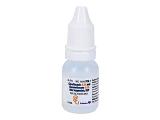
Ciprodex is a prescription ear drop that combines ciprofloxacin, a powerful antibiotic, with dexamethasone, an anti-inflammatory corticosteroid. It is primarily used to treat middle ear infections and outer ear infections (otitis media and otitis externa). The dual-action formula not only kills bacteria but also reduces swelling and discomfort. Its targeted delivery ensures effective treatment directly at the site of infection with minimal systemic absorption.
Buy Generic Ciprodex (Ciprofloxacin/Dexamethasone) without prescription in Canada
In our Canadian pharmacy, you can buy Ciprodex (Ciprofloxacin/Dexamethasone) without a prescription, with delivery across Canada within 5‑14 days. Discreet and anonymous packaging.
Ciprodex is a sterile, preservative‑free otic suspension that combines the potent fluoroquinolone antibiotic ciprofloxacin with the corticosteroid dexamethasone. It is used to treat bacterial ear infections, specifically acute otitis media in children with tympanostomy tubes and acute otitis externa (swimmer’s ear) in adults and children. Ciprofloxacin works by inhibiting the bacterial enzymes DNA gyrase and topoisomerase IV, which are essential for bacterial DNA replication, while dexamethasone suppresses the inflammatory response by inhibiting multiple inflammatory cytokines and reducing oedema, capillary leakage, and the migration of inflammatory cells.
Usual adult dose: For acute otitis externa in patients aged 1 year and older, the recommended dose is 4 drops instilled into the affected ear(s) twice daily (approximately every 12 hours) for 7 days. For acute otitis media with tympanostomy tubes in children aged 6 months and older, the dose is 4 drops instilled into the affected ear(s) twice daily for 7 days. The bottle should be shaken well immediately before each use, and the suspension should be warmed by holding the bottle in the hand for 1 to 2 minutes to avoid dizziness from instilling a cold suspension.
Dosage form: Sterile otic suspension containing ciprofloxacin hydrochloride 0.3% (equivalent to 3 mg ciprofloxacin base per mL) and dexamethasone 0.1% (equivalent to 1 mg dexamethasone per mL). The product is supplied in a 7.5 mL bottle with a dropper tip.
Onset of action: Clinical improvement, including a reduction in ear pain, oedema, and otorrhoea, is often evident within 2 to 3 days of starting therapy. Significant reductions in signs and symptoms of acute otitis externa have been observed by Day 3 of treatment in clinical trials.
Duration of action: The recommended treatment course is 7 days. The anti‑inflammatory and antibacterial effects persist throughout the twice‑daily dosing interval. Clinical and microbiological cure rates continue to improve through the test‑of‑cure visit (Day 18).
Alcohol recommendation: No clinically significant alcohol interaction has been identified with otic ciprofloxacin/dexamethasone. Because systemic absorption is minimal following topical otic administration, moderate alcohol consumption is not expected to interfere with the safety or efficacy of this medication. However, excessive alcohol use can impair immune function and potentially delay recovery from infection.
Most common side effects: Ear discomfort (3%), ear pain (2.3%), ear pruritus (1.5%), ear debris, ear congestion, and an abnormal taste in the mouth. In paediatric patients with acute otitis media, irritability has been reported. These effects are generally mild and transient.
Would you like to try Ciprodex (Ciprofloxacin/Dexamethasone) without a prescription?
General Information about Ciprodex (Ciprofloxacin/Dexamethasone)
- INN (International Nonproprietary Name): Ciprofloxacin and Dexamethasone
- Brand names available in Canada: Ciprodex® (Novartis Pharmaceuticals Canada Inc.). A generic version—Sandoz Ciprofloxacin/Dexamethasone (Sandoz Canada Inc.)—is also listed in the Health Canada Drug Product Database.
- ATC code: S02CA06 (Dexamethasone and Antiinfectives)
- Dosage forms and strengths: Otic suspension (ear drops): each mL contains ciprofloxacin hydrochloride 0.3% (equivalent to 3 mg ciprofloxacin base) and dexamethasone 0.1% (equivalent to 1 mg dexamethasone). Supplied in a 7.5 mL bottle with a dropper tip.
- Manufacturers in Canada: Novartis Pharmaceuticals Canada Inc. (Ciprodex). Sandoz Canada Inc. also holds a DIN for a generic formulation. Alcon Canada Inc. is the original sponsor.
- Registration status in Canada: Approved by Health Canada. Marketed (DIN 02252716). The product has been available in Canada since 2003.
- OTC / Rx classification: Prescription only (Rx). Schedule I drug.
Mechanism of Action and Pharmacology
Ciprodex combines two active ingredients with distinct and complementary mechanisms of action. Ciprofloxacin is a fluoroquinolone antibacterial agent that exerts its bactericidal effect by inhibiting two essential bacterial enzymes: DNA gyrase (topoisomerase II) and topoisomerase IV. These enzymes are required for bacterial DNA replication, transcription, repair, and recombination. By binding to the DNA‑enzyme complex, ciprofloxacin blocks the resealing of DNA strands and triggers cell death. It has broad‑spectrum activity against common otopathogens, including Staphylococcus aureus, Streptococcus pneumoniae, Haemophilus influenzae, Moraxella catarrhalis, and Pseudomonas aeruginosa. Dexamethasone is a synthetic glucocorticoid with potent anti‑inflammatory activity—approximately 7 times greater than prednisolone. It suppresses the inflammatory response by inhibiting the production of multiple inflammatory cytokines (including interleukin‑1, tumour necrosis factor‑alpha, and prostaglandins), reducing capillary permeability, decreasing oedema and fibrin deposition, and limiting the migration of polymorphonuclear leukocytes and other inflammatory cells to the site of infection. This combined antibiotic‑anti‑inflammatory action both eradicates the causative bacteria and resolves the accompanying inflammation, oedema, and otorrhoea.
Following topical otic administration, systemic absorption of both ciprofloxacin and dexamethasone is minimal. Plasma concentrations of ciprofloxacin following otic administration are approximately 450‑fold lower than those achieved with therapeutic oral doses. Similarly, dexamethasone is not detected in plasma after otic instillation of Ciprodex. The low systemic exposure means that systemic pharmacological effects and drug interactions are unlikely. The suspension has a pH of approximately 4.5 and contains benzalkonium chloride (0.01% w/v) as a preservative in the marketed product in some regions; however, the Canadian formulation may differ. The vehicle includes hydroxyethyl cellulose, sodium chloride, and purified water, with sodium acetate and acetic acid as buffering agents.
Indications
- Acute Otitis Media (AOM) with Tympanostomy Tubes: For the treatment of acute otitis media in paediatric patients aged 6 months and older who have tympanostomy tubes (ear tubes) in place, caused by susceptible strains of Staphylococcus aureus, Streptococcus pneumoniae, Haemophilus influenzae, Moraxella catarrhalis, and Pseudomonas aeruginosa.
- Acute Otitis Externa (AOE): For the treatment of acute otitis externa (swimmer’s ear) in paediatric patients aged 6 months and older, adults, and elderly patients, caused by susceptible strains of Staphylococcus aureus and Pseudomonas aeruginosa.
- Ciprodex is for otic use only and must not be used in the eyes or by injection. It is not effective against viral or fungal ear infections.
Important Warnings and Precautions
At‑risk groups
- Pregnancy: There are no adequate and well‑controlled studies of Ciprodex in pregnant women. Animal reproduction studies have not been conducted with the otic combination. Because systemic absorption is minimal following topical otic administration, the risk to the foetus is expected to be very low. However, Ciprodex should be used during pregnancy only if the potential benefit clearly outweighs the potential risk.
- Breastfeeding: Ciprofloxacin is excreted in human breast milk following oral administration; dexamethasone is also excreted in breast milk. It is not known whether clinically significant amounts of ciprofloxacin or dexamethasone are absorbed systemically following topical otic administration or whether they are excreted in breast milk after such use. Caution should be exercised when Ciprodex is administered to a nursing mother. A decision must be made whether to discontinue breastfeeding or to discontinue the drug, taking into account the importance of the medication to the mother.
- Paediatrics (< 6 months): The safety and effectiveness of Ciprodex in infants below the age of 6 months have not been established. Ciprodex is indicated for paediatric patients aged 6 months and older for both approved indications.
- Elderly: No overall differences in safety or effectiveness have been observed between elderly and younger adult patients. No dose adjustment is required based on age alone.
- Viral or fungal ear infections: Ciprodex is contraindicated in patients with viral infections of the external ear canal, including varicella (chickenpox) and herpes simplex infections, as well as fungal otic infections. Corticosteroids may mask or exacerbate these conditions.
- Hypersensitivity: Serious and occasionally fatal hypersensitivity (anaphylactic) reactions, some following the first dose, have been reported in patients receiving systemic quinolones. Some reactions have been accompanied by cardiovascular collapse, loss of consciousness, angioedema, airway obstruction, dyspnoea, urticaria, and pruritus. If an allergic reaction to ciprofloxacin occurs, the drug should be discontinued immediately. Serious acute hypersensitivity reactions may require emergency treatment.
- Superinfection: Prolonged use of Ciprodex may result in overgrowth of non‑susceptible organisms, including fungi. If the infection is not improved after one week of treatment, cultures should be obtained to guide further therapy. If superinfection occurs, appropriate therapy should be initiated.
- Tympanic membrane perforation: Ciprodex is indicated for use in patients with tympanostomy tubes. The safety and efficacy of Ciprodex in patients with a perforated tympanic membrane of other aetiologies (e.g., chronic suppurative otitis media) have not been systematically studied, though it is used off‑label in this setting.
- Allergy: Do not use Ciprodex if you or your child has a known hypersensitivity to ciprofloxacin, other quinolone antibacterials, dexamethasone, or any of the excipients in the formulation.
Driving and alcohol
Ciprodex is administered topically into the ear and has negligible systemic absorption. It is not expected to impair the ability to drive or operate machinery. No clinically significant alcohol interaction has been identified with otic ciprofloxacin/dexamethasone. Moderate alcohol consumption is unlikely to interfere with the safety or efficacy of this medication. However, patients with an active ear infection may experience dizziness or vertigo independently of the medication, which could affect their ability to drive or perform hazardous tasks.
Dosage Instructions
- Acute Otitis Media with Tympanostomy Tubes (paediatric patients ≥ 6 months): Instill 4 drops (equivalent to 0.14 mL, containing 0.42 mg ciprofloxacin and 0.14 mg dexamethasone) into the affected ear(s) twice daily (every 12 hours) for 7 days.
- Acute Otitis Externa (patients ≥ 6 months, including adults and elderly): Instill 4 drops into the affected ear(s) twice daily (every 12 hours) for 7 days.
- Administration technique for acute otitis media with tympanostomy tubes: The patient should lie with the affected ear upward. After instilling the drops, gently press the tragus (the small, pointed cartilage that partially covers the ear canal opening) 5 times in a pumping motion. This action helps the drops pass through the tympanostomy tube into the middle ear. Keep the head tilted for at least 1 minute to allow the drops to penetrate.
- Administration technique for acute otitis externa: The patient should lie with the affected ear upward. After instilling the drops, gently pull the earlobe upward and backward in adults, or downward and backward in children, to open the ear canal. Keep the head tilted for at least 1 minute. A soft cotton plug may be inserted if directed.
- General instructions: Shake the bottle well immediately before each use. Warm the suspension by holding the bottle in the hand for 1 to 2 minutes to avoid dizziness that may result from instillation of a cold liquid. The dropper tip should not touch the ear, fingers, or any other surface to avoid contamination. Replace the cap securely after each use. Do not rinse the dropper.
- Missed dose: If a dose is missed, administer it as soon as remembered on the same day. If it is close to the time of the next scheduled dose, skip the missed dose and resume the regular twice‑daily schedule. Do not double the dose.
- Duration of therapy: Complete the full 7‑day course, even if symptoms improve after a few days. Stopping the medication too early may result in incomplete eradication of the infection and a return of symptoms. If there is no clinical improvement after 7 days, the patient should be re‑evaluated by a physician.
Side Effects and Contraindications
- Most common side effects (incidence ≥ 1%): Ear discomfort (3%), ear pain (2.3%), ear pruritus (1.5%), ear debris, ear congestion, abnormal taste, and irritability (in paediatric patients). These effects are generally mild to moderate in severity and resolve spontaneously.
- Less common side effects: Tympanostomy tube blockage, tinnitus, oral moniliasis (thrush), crying (in children), dizziness, and erythema of the ear have each been reported in a single patient during clinical trials.
- Rare but serious adverse reactions: Hypersensitivity reactions, including anaphylaxis, angioedema, urticaria, and pruritus, have been reported with systemic fluoroquinolones and may occur with otic use. If a hypersensitivity reaction occurs, the medication should be discontinued immediately, and appropriate emergency treatment should be sought.
- Post‑marketing experience: Additional adverse events reported include ear infection, ear swelling, hearing loss, somnolence, and headache. Causal relationships to the drug have not been definitively established for all post‑marketing reports.
- Contraindications: Known hypersensitivity to ciprofloxacin, other quinolone antibacterials, dexamethasone, or any component of the formulation. Viral infections of the external ear canal, including varicella (chickenpox) and herpes simplex otitis externa. Fungal ear infections. Not for ophthalmic (eye) use or for injection.
Drug Interactions
- Systemic drug interactions: Due to the minimal systemic absorption of ciprofloxacin and dexamethasone following topical otic administration, clinically significant pharmacokinetic drug‑drug interactions with systemically administered medications are unlikely. No formal drug interaction studies have been conducted with Ciprodex.
- Other otic products: Do not use other ear drops or otic preparations in the affected ear(s) during treatment with Ciprodex unless specifically instructed by a physician, as they may dilute the antibiotic or alter the local environment.
- Systemic quinolones: Caution should be exercised if Ciprodex is used concurrently with systemic fluoroquinolone antibiotics, although the additive systemic exposure from otic administration is negligible.
- Alcohol: No interaction with alcohol has been identified. Moderate alcohol consumption is not expected to interfere with the safety or efficacy of Ciprodex.
Practical Advice
- Administration: Shake the bottle well immediately before each use. Warm the suspension by holding the bottle in the palm of your hand for 1 to 2 minutes. Instilling a cold suspension may cause dizziness. Wash your hands before and after applying the ear drops. Have the patient lie down with the affected ear facing upward. For children with ear tubes, remember to pump the tragus 5 times after instilling the drops to help the medicine pass through the tube into the middle ear. Keep the head tilted for at least 1 minute. Do not touch the dropper tip to the ear, fingers, or any surface. Replace the cap securely after use.
- Monitoring: No routine laboratory monitoring is required. The patient or caregiver should monitor for improvement of symptoms (reduction of ear pain, otorrhoea, oedema) within the first few days of treatment. If there is no improvement or if symptoms worsen after 7 days, contact the prescribing physician for re‑evaluation.
- Storage: Store at room temperature (15‑30 °C). Protect from light. Avoid freezing. Keep the bottle tightly closed when not in use. Keep out of the reach and sight of children.
- Lifestyle: Keep the affected ear(s) clean and dry. Avoid swimming and submerging the head in water during treatment for acute otitis externa. Use earplugs or a cotton ball coated with petroleum jelly if showering. Complete the full 7‑day course of treatment, even if symptoms improve. Do not share the medication with others. Discard any unused portion after completing the prescribed course or as advised by your pharmacist.
- When to seek medical review: Contact your doctor if ear pain, discharge, or other symptoms do not improve within 7 days of treatment, if symptoms worsen at any time, or if you notice signs of a new infection (e.g., worsening redness, swelling, or pus). Seek emergency medical attention if you experience signs of a serious allergic reaction, such as difficulty breathing, swelling of the face, lips, tongue, or throat, hives, or a severe rash.
- Disposal: Return unused or expired medication to a pharmacy for safe disposal. Do not flush down the toilet or discard in household waste.
Alternative Medications
- Neomycin/Polymyxin B/Hydrocortisone (Cortisporin® Otic): A combination antibiotic‑corticosteroid otic suspension containing two antibiotics (neomycin and polymyxin B) and hydrocortisone. It is indicated for bacterial otitis externa and is available in Canada. However, neomycin is a known contact sensitizer and can cause allergic contact dermatitis of the ear canal. Clinical trials have demonstrated that Ciprodex is superior to neomycin/polymyxin B/hydrocortisone for clinical and microbiological cure in acute otitis externa.
- Ofloxacin (Floxin® Otic): A fluoroquinolone antibiotic otic solution used for acute otitis media with tympanostomy tubes and acute otitis externa. Unlike Ciprodex, it does not contain a corticosteroid. Ofloxacin otic solution is available as a generic in Canada.
- Ciprofloxacin otic (Cetraxal®): A single‑agent fluoroquinolone otic solution containing ciprofloxacin 0.2% or 0.3%, indicated for acute otitis externa. It does not contain dexamethasone and therefore does not directly address the inflammatory component of the infection.
- Acetic acid otic preparations (e.g., Vosol®): Acidifying ear drops that create an acidic environment inhospitable to bacterial and fungal growth. They are used primarily for mild otitis externa and for prevention of swimmer’s ear. They lack antibacterial potency and are not suitable for established bacterial infections.
- Oral antibiotics: Amoxicillin, amoxicillin‑clavulanate, and other systemic antibiotics are reserved for cases of otitis media without tympanostomy tubes, where topical therapy cannot reach the middle ear. Topical therapy is preferred for patients with tympanostomy tubes because it delivers a high concentration of antibiotic directly to the site of infection with minimal systemic exposure.
- Non‑pharmacological measures: For mild otitis externa, keeping the ear dry, using a warm compress for pain, and avoiding insertion of objects into the ear canal are important adjunctive measures. For prevention of recurrent swimmer’s ear, drying the ears thoroughly after swimming and using alcohol‑based ear‑drying drops may be helpful.
Clinical Efficacy
The clinical efficacy of Ciprodex has been established in two pivotal multicentre, randomized, controlled clinical trials. In a study of 468 patients with acute otitis externa (AOE) comparing Ciprodex (ciprofloxacin 0.3%/dexamethasone 0.1%) administered twice daily with neomycin 0.35%/polymyxin B 10,000 IU/mL/hydrocortisone 1.0% (N/P/H) administered three times daily for 7 days, Ciprodex was statistically significantly superior. At the test‑of‑cure visit (Day 18), clinical cure rates were 90.9% for Ciprodex versus 83.9% for N/P/H. Microbiological eradication rates were also significantly higher in the Ciprodex group (94.7% vs. 86.0%). The clinical response was significantly better with Ciprodex as early as Day 3.
In paediatric patients (aged 6 months to 12 years) with acute otitis media (AOM) and tympanostomy tubes, Ciprodex was compared with ciprofloxacin 0.3% otic solution alone (without dexamethasone) in a randomized, evaluator‑blind, parallel‑group study. Ciprodex produced a significantly shorter median time to cessation of otorrhoea (4.0 days vs. 6.0 days) and a higher clinical cure rate at the Day 18 test‑of‑cure visit (87% vs. 74%). The addition of dexamethasone resulted in more rapid resolution of the inflammatory component of the infection.
Canadian clinical guidelines recommend topical antibiotic therapy, with or without a corticosteroid, as first‑line treatment for acute otitis media in children with tympanostomy tubes, as it delivers a high local concentration of antibiotic directly to the middle ear without the systemic adverse effects associated with oral antibiotics. For acute otitis externa, topical therapy is the mainstay of treatment, and the combination of an antibiotic with a corticosteroid is preferred for moderate to severe cases to rapidly reduce pain, oedema, and otorrhoea. Ciprodex, with its broad antibacterial spectrum, twice‑daily dosing regimen, and proven efficacy, remains a leading choice in both Canadian and international practice for these indications.
Important:
Ciprodex (ciprofloxacin/dexamethasone otic suspension) is a prescription medication that should be used only under the supervision of a qualified healthcare professional. It is for otic (ear) use only and must not be used in the eyes, nose, mouth, or by injection. Do not use Ciprodex if you or your child has a viral infection of the ear (such as chickenpox or herpes simplex) or a fungal ear infection. Serious allergic reactions, including anaphylaxis, have been reported with fluoroquinolone antibiotics. Discontinue use immediately and seek emergency medical attention if signs of a serious allergic reaction develop, such as difficulty breathing, swelling of the face, lips, tongue, or throat, hives, or a severe skin rash. Use this medication for the full 7‑day prescribed course, even if symptoms improve earlier. If there is no improvement after 7 days of treatment, or if symptoms worsen, contact your physician for re‑evaluation. Prolonged use may lead to overgrowth of non‑susceptible organisms, including fungi. If you are pregnant, may become pregnant, or are breastfeeding, inform your doctor. This information is not a substitute for professional medical advice, diagnosis, or treatment.


| Shipping method | Delivery time | Price | |
 Delivery Delivery |
14-21 days | 14.95$ | Tracking# available in 4 days |
 Delivery Delivery |
9-14 days | 30$ | Tracking# available in 2 days |
- Shipping worldwide
- Confidentiality and anonymity guarantee
- Safe and secure
- Discrete looking packages
- Dispatch orders within 24 hours
- 100% success delivery


