


 Secure and Reliable
  High quality
  Worldwide shipping
  Bonuses and Discounts
  Money back Guarantee
 - Bestsellers
- Alcoholism
- COVID-19
- Allergy
- Anti Fungal
- Alzheimers
- Anti Viral
- Anti-Depressants
- Anti-Inflammatory
- Antibacterial
- Antiparasitic
- Antibiotics
- Arthritis
- Asthma
- Birth Control
- Blood Pressure
- Cancer
- Cardiovascular
- Cholesterol
- Diabetes
- Diuretics
- Erectile Dysfunction
- Eye Drop
- Gastro Health
- General Health
- Hair Loss
- Hepatitis C Virus (HCV)
- HIV
- Hormones
- Men's ED Packs
- Men's Health
- Mental Illness
- Motion Sickness
- Muscle Relaxant
- Pain Relief
- Parkinson’s Disease
- Veterinary Medicines
- Quit Smoking
- Vitamins
- Skin Care
- Sleeping Aids
- Weight Loss
- Women's Health
Generic Clonidine ( Clonidine )
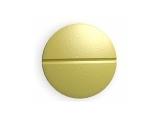

Buy Generic Clonidine (Clonidine ) without prescription in Canada
In our Canadian pharmacy, you can buy Clonidine without a prescription, with delivery across Canada within 5-14 days. Discreet and anonymous packaging.
Clonidine hydrochloride is a centrally acting alpha-2 adrenergic agonist used primarily to treat high blood pressure (hypertension) and, off-label, for a variety of other conditions including attention deficit hyperactivity disorder (ADHD), menopausal hot flushes, Tourette syndrome, and the management of withdrawal symptoms from opioids, alcohol, or nicotine. It works by stimulating alpha-2 receptors in the brainstem, which reduces sympathetic outflow from the central nervous system, thereby lowering heart rate, blood pressure, and peripheral vascular resistance. Its calming effect on the nervous system also helps to reduce anxiety, improve sleep, and control certain types of movement and behavioural symptoms.
Usual adult dose: For hypertension, the starting dose is 0.1 mg taken orally twice daily (morning and bedtime). The dose may be increased by 0.1-0.2 mg per day at weekly intervals, up to a maximum of 2.4 mg daily, depending on blood pressure response and tolerability. When used for ADHD, opioid withdrawal, or menopausal symptoms, the initial dose is often 0.05-0.1 mg at bedtime, titrated gradually as directed by a physician. The 0.1 mg tablet is a common starting strength. Clonidine should be taken at the same times each day, and if therapy is to be stopped, the dose must be tapered slowly over several days to weeks to avoid a rapid rise in blood pressure (rebound hypertension). Do not stop taking this medication abruptly.
Dosage form: Oral tablet, 0.1 mg (100 micrograms) of clonidine hydrochloride. Tablets are typically round, white, and scored. A 0.025 mg, 0.2 mg, and 0.3 mg tablet are also available. An extended-release transdermal patch (Catapres-TTS) is also marketed in Canada.
Onset of action: Following an oral dose, the blood-pressure-lowering effect begins within 30-60 minutes, reaches a peak at 2-4 hours, and lasts for 8-12 hours. For conditions like ADHD or tic disorders, clinical improvement may take several weeks of continuous therapy to become fully apparent.
Duration of action: The elimination half-life of clonidine is approximately 12-16 hours, but because its antihypertensive effect is relatively short, it is often dosed twice daily. The transdermal patch provides a steady release over 7 days.
Alcohol recommendation: Alcohol consumption should be strictly avoided during treatment with Clonidine. Alcohol can dangerously worsen the drowsiness, dizziness, and low blood pressure caused by clonidine, and may increase the risk of fainting and accidents. Heavy alcohol use also interferes with blood pressure control.
Most common side effects: Dry mouth (xerostomia), drowsiness, dizziness, fatigue, constipation, and headache. These effects are often most pronounced at the start of therapy and with dose increases. A sudden increase in blood pressure (rebound hypertension) can occur if the medication is stopped abruptly. Other important side effects include bradycardia (slow heart rate), orthostatic hypotension (a drop in blood pressure upon standing), and, rarely, contact dermatitis from the transdermal patch.
Would you like to try Clonidine without a prescription?
General Information about Clonidine
- INN (International Nonproprietary Name): Clonidine (as clonidine hydrochloride).
- Brand names available in Canada: Catapres® (Boehringer Ingelheim (Canada) Ltd.) is the brand-name tablet. Generic clonidine tablets are widely available and include APO-Clonidine (Apotex Inc.), TEVA-Clonidine (Teva Canada Limited), Sandoz Clonidine (Sandoz Canada Inc.), and others. A transdermal patch is marketed as Catapres-TTS®.
- ATC code: C02AC01 (clonidine; imidazoline receptor agonists, centrally acting antiadrenergic agents).
- Dosage forms and strengths: Oral tablets: 0.025 mg, 0.1 mg, 0.2 mg, and 0.3 mg. Transdermal patch: 0.1 mg/day, 0.2 mg/day, and 0.3 mg/day (replaced every 7 days). The 0.1 mg tablet is the standard starting dose for hypertension.
- Manufacturers in Canada: Boehringer Ingelheim (Canada) Ltd. (Catapres), Apotex Inc., Teva Canada Limited, Sandoz Canada Inc., and other generic manufacturers.
- Registration status in Canada: Approved by Health Canada. Marketed. DINs: 02056810 (Catapres 0.1 mg), and generic equivalents. First approved in Canada in the 1970s.
- OTC / Rx classification: Prescription only (Rx). Schedule I drug under the Controlled Drugs and Substances Act. A valid prescription from a licensed Canadian healthcare professional is required.
Mechanism of Action and Pharmacology
Clonidine is a centrally acting alpha-2 adrenergic receptor agonist. Its primary site of action is in the brainstem, specifically the nucleus tractus solitarii and the rostral ventrolateral medulla, where it stimulates presynaptic alpha-2 receptors. This activation reduces the release of norepinephrine from central neurons, leading to a decrease in sympathetic outflow to the heart, blood vessels, and kidneys. The net result is a reduction in heart rate, cardiac output, and total peripheral resistance, which lowers blood pressure. The antihypertensive effect is associated with reduced plasma renin activity and, to a lesser extent, a decrease in aldosterone secretion. Beyond the cardiovascular system, clonidine's alpha-2 agonism also produces a sedative, anxiolytic, and analgesic effect, making it useful for conditions such as ADHD, opioid withdrawal, and neuropathic pain. After oral administration, clonidine is rapidly and almost completely absorbed, with peak plasma concentrations occurring 1-3 hours after a dose. The elimination half-life is 12-16 hours; about 50% of the drug is metabolized in the liver to inactive metabolites, and the remainder is excreted unchanged in the urine. Renal impairment reduces clearance, requiring dose adjustment. The transdermal patch bypasses first-pass metabolism and provides steady plasma levels over 7 days.
Indications
- Hypertension: For the treatment of mild to moderate essential hypertension. Clonidine is generally reserved for patients who have not responded adequately to first-line agents (e.g., thiazide diuretics, ACE inhibitors, calcium channel blockers) or as an add-on therapy. It is also used for hypertensive urgencies (oral loading dose) under medical supervision.
- Attention Deficit Hyperactivity Disorder (ADHD, off-label): As a second- or third-line agent, particularly in children and adolescents who do not tolerate or respond to stimulants. Clonidine can help improve attention, impulsivity, and hyperactivity. It is also used for tic disorders and Tourette syndrome.
- Opioid withdrawal (off-label): To alleviate symptoms such as anxiety, agitation, muscle aches, sweating, runny nose, and cramping. Clonidine is a component of standard detoxification protocols.
- Menopausal hot flushes (off-label): To reduce the frequency and severity of vasomotor symptoms in postmenopausal women who cannot take estrogen therapy.
- Other off-label uses: Alcohol withdrawal, nicotine withdrawal, neuropathic pain, post-traumatic stress disorder, and restless legs syndrome.
Important Warnings and Precautions
At-risk groups
- Pregnancy: Clonidine should be used during pregnancy only if the potential benefit clearly outweighs the potential risk. It crosses the placenta and may cause neonatal hypotension and bradycardia. Use in the third trimester has been associated with reduced fetal heart rate variability. Women of childbearing potential should use effective contraception.
- Breastfeeding: Clonidine is excreted in breast milk in small amounts. No serious adverse effects have been reported in nursing infants, but caution is advised. The American Academy of Pediatrics classifies clonidine as compatible with breastfeeding. The infant should be monitored for drowsiness, hypotension, and feeding difficulties.
- Paediatrics: Clonidine is used off-label in children for ADHD, tic disorders, and hypertension. Dosing is weight-based (typically starting at 0.05 mg at bedtime). Children may be more sensitive to the sedative and hypotensive effects. Overdose in children can be life-threatening; store securely.
- Elderly: Elderly patients are particularly sensitive to the hypotensive, bradycardic, and sedative effects of clonidine. The lowest possible dose should be used, and blood pressure and heart rate must be monitored closely. Clonidine is listed in the Beers Criteria as a potentially inappropriate medication for older adults due to its high risk of orthostatic hypotension, bradycardia, and central nervous system adverse effects. If used, it should be with caution and for compelling indications only.
- Renal impairment: Clonidine clearance is reduced in patients with significant renal impairment. The dose should be reduced, and titration should be slower. In patients on dialysis, clonidine is not removed to a clinically significant extent, and blood pressure should be monitored to avoid hypotension.
- Hepatic impairment: No specific dose adjustment is recommended, but clonidine undergoes hepatic metabolism; use with caution in severe liver disease.
- Withdrawal syndrome (rebound hypertension): Abrupt discontinuation of clonidine, especially after prolonged high-dose therapy, can cause a severe hypertensive crisis with agitation, headache, tremor, and tachycardia. This is due to a rebound increase in sympathetic activity. The dose must be tapered gradually under medical supervision (typically over 2-4 days for oral therapy; the patch withdrawal is slower). Patients should be counseled never to stop the medication suddenly.
- Bradycardia and heart block: Clonidine can cause sinus bradycardia and, rarely, atrioventricular block. Use with caution in patients with pre-existing conduction disorders, sinus node dysfunction, or those taking other negative chronotropic drugs (e.g., beta-blockers, digoxin). Heart rate should be monitored.
- Sedation and performance: Clonidine can cause significant drowsiness, fatigue, and impaired cognitive and motor function. Patients should avoid driving, operating machinery, or performing hazardous tasks until they have determined their individual response to the medication.
- Contact dermatitis (transdermal patch): The Catapres-TTS patch can cause localized skin reactions, including erythema, pruritus, and, rarely, vesicular dermatitis or hyperpigmentation. Rotation of patch sites is essential. If a generalized rash occurs, the patch should be discontinued and oral therapy considered.
- Allergy: Do not take Clonidine if you have a known hypersensitivity to clonidine hydrochloride or any excipient in the tablet. Patients with a known hypersensitivity to the adhesive in the transdermal patch should not use that formulation.
Driving and alcohol
Clonidine can cause pronounced drowsiness, dizziness, and impairment of coordination, particularly during the first few weeks of therapy and after dose increases. Patients must not drive, operate heavy machinery, or engage in activities requiring mental alertness until they have determined how the medication affects them. Alcohol must be strictly avoided because it can dangerously intensify these central nervous system depressant effects, leading to profound sedation, hypotension, and an increased risk of falls and accidents.
Dosage Instructions
- Hypertension (adults): The usual starting dose is 0.1 mg twice daily (morning and bedtime). The dose may be increased by 0.1-0.2 mg per day at weekly intervals until the desired blood pressure reduction is achieved. The therapeutic dose range is 0.2-2.4 mg daily, divided into two doses (or three if higher doses are needed). Doses above 2.4 mg daily are rarely required and are associated with increased side effects. The evening dose should be taken at bedtime to minimize daytime sedation.
- ADHD and other non-cardiovascular indications (adults): Doses are generally lower and initiated at 0.05-0.1 mg at bedtime, then slowly increased as tolerated under specialist guidance.
- Elderly: Initiate at the lowest available dose (0.025-0.05 mg) once or twice daily, with slow upward titration. Blood pressure and heart rate must be monitored closely to avoid hypotension and bradycardia.
- Administration: The oral tablet should be swallowed whole with a glass of water and may be taken with or without food. The scored 0.1 mg tablet can be divided to provide a 0.05 mg dose if required. The transdermal patch should be applied to a clean, dry, hairless area of the upper arm or torso, and the site rotated weekly.
- Missed dose: If a dose is missed, take it as soon as remembered, but only if it is within a few hours of the scheduled time. If it is close to the time of the next dose, skip the missed dose and continue with the regular schedule. Do not double the dose.
- Discontinuation: Clonidine must be tapered gradually to avoid rebound hypertension. For oral therapy, the dose is usually reduced by 0.1-0.2 mg per day over a period of at least 2-4 days, or longer if the patient has been on high doses. The transdermal patch can be removed and replaced with a lower-strength patch over several weeks. Patients should not stop the drug without medical supervision.
Side Effects and Contraindications
- Very common side effects (≥ 10%): Dry mouth (xerostomia) and drowsiness. These affect the majority of patients at the start of therapy; dry mouth often persists, while drowsiness often lessens with continued use.
- Common side effects (1-10%): Dizziness, fatigue, headache, constipation, nausea, vomiting, and parotid gland swelling or pain. Orthostatic hypotension and bradycardia are common, especially when doses are escalated too rapidly.
- Serious adverse reactions: Rebound hypertension (hypertensive crisis) upon abrupt withdrawal. Severe bradycardia and heart block (especially with co-administration of beta-blockers or digoxin). Severe hypotension and syncope. Raynaud’s phenomenon. Allergic contact dermatitis (patch). Rarely, hallucinations, confusion, or depression have been reported.
- Contraindications: Hypersensitivity to clonidine or any excipient. Severe coronary artery disease. Recent myocardial infarction. Severe peripheral vascular disease. Sick sinus syndrome or sinoatrial block, unless a pacemaker is in place. Patients with a known hypersensitivity to the patch adhesive should not use the transdermal formulation. Pregnancy and breastfeeding are not absolute contraindications, but use only if clearly necessary.
Drug Interactions
- CNS depressants — additive sedation: Alcohol, benzodiazepines, opioids, barbiturates, sedating antihistamines, and other central nervous system depressants will potentiate the sedative, respiratory-depressant, and hypotensive effects of clonidine. This combination can be dangerous and should be avoided or used with extreme caution.
- Other antihypertensives — additive hypotension: When clonidine is combined with diuretics, beta-blockers, calcium channel blockers, ACE inhibitors, or other blood-pressure-lowering agents, additive hypotensive effects may occur. Blood pressure should be monitored, and doses may need to be adjusted.
- Beta-blockers — increased risk of severe withdrawal: If clonidine and a beta-blocker are discontinued simultaneously, the risk of rebound hypertension may be increased. When stopping therapy, the beta-blocker should be withdrawn several days before clonidine is tapered.
- Tricyclic antidepressants — reduced clonidine efficacy: Drugs such as amitriptyline, imipramine, and desipramine can antagonize the hypotensive effect of clonidine. Blood pressure should be monitored, and alternative antidepressants may be considered.
- Drugs that cause bradycardia — additive bradycardia: Digoxin, beta-blockers, diltiazem, verapamil, and other negative chronotropic agents may further reduce heart rate when used with clonidine. ECG and heart rate monitoring are recommended.
- Mirtazapine — possible loss of clonidine effect: Mirtazapine, an alpha-2 antagonist, may reduce the antihypertensive effect of clonidine. Use with caution and monitor blood pressure.
Practical Advice
- Administration: Take clonidine at the same times each day, usually in the morning and at bedtime. Swallow the tablet whole with water; food does not interfere. To minimize the risk of falling, rise slowly from sitting or lying positions. Do not stop taking this medication abruptly, even if you feel well. If you are scheduled for surgery, inform the anaesthetist that you are taking clonidine.
- Monitoring: Blood pressure and heart rate should be measured regularly during therapy, especially when starting or changing the dose. Patients should be monitored for signs of hypotension, bradycardia, and excessive sedation. Renal function and electrolytes may be checked periodically. In children taking clonidine for ADHD, weight, growth, and mood should be monitored.
- Storage: Store at room temperature (15-30 °C) in a tightly closed container, protected from light and moisture. Keep out of the reach and sight of children. Overdose in children can be fatal; store securely.
- Lifestyle: Avoid alcohol and other CNS depressants. If you experience dry mouth, sip water frequently, suck on sugarless candy, or use a saliva substitute. Good oral hygiene is important to prevent dental cavities. Do not drive or operate heavy machinery until you know how the medication affects your alertness and coordination. If you miss a dose, take it as soon as possible, but skip it if it is close to your next dose; never double up.
- When to seek medical review: Contact your doctor immediately if you experience fainting, severe dizziness, a very slow or irregular heartbeat, or signs of an allergic reaction. If you accidentally miss several doses, do not restart at your previous dose; consult your physician for a safe re-titration schedule. Seek emergency care for severe hypertension (sudden severe headache, chest pain, shortness of breath, nosebleeds) if you have stopped clonidine abruptly.
- Disposal: Return unused or expired medication to a pharmacy for safe disposal. Do not flush down the toilet or discard in household waste.
Alternative Medications
- Other centrally acting antiadrenergic agents: Methyldopa (Aldomet®) is used primarily for hypertension in pregnancy. Guanfacine (Intuniv®) is an alpha-2 agonist similar to clonidine, approved in Canada for ADHD in children and adolescents, with a longer half-life allowing once-daily dosing and fewer sedative effects.
- For hypertension: First-line agents include thiazide diuretics (hydrochlorothiazide, chlorthalidone), ACE inhibitors (ramipril, lisinopril), angiotensin II receptor blockers (losartan, candesartan), calcium channel blockers (amlodipine), and beta-blockers (metoprolol). These have more favourable side-effect profiles and are preferred over clonidine for initial therapy.
- For ADHD (alternatives to clonidine): Stimulants such as methylphenidate (Ritalin®, Concerta®) and lisdexamfetamine (Vyvanse®) are first-line. Atomoxetine (Strattera®), guanfacine, and bupropion are non-stimulant options.
- For menopausal hot flushes: Non-hormonal options include selective serotonin reuptake inhibitors (paroxetine, citalopram), serotonin-norepinephrine reuptake inhibitors (venlafaxine, desvenlafaxine), gabapentin, and pregabalin. Hormone replacement therapy (estrogen with or without a progestin) is the most effective but carries its own risks.
- Non-pharmacological approaches: Lifestyle modifications (weight reduction, regular exercise, sodium restriction, smoking cessation, stress management) are fundamental for hypertension. For ADHD, behavioural therapy and educational support are important. For menopausal symptoms, avoiding triggers, dressing in layers, and stress reduction can help.
Clinical Efficacy
Clonidine has been used for hypertension since the 1960s and is effective in lowering blood pressure in a broad range of patients, including those with severe or refractory hypertension. In controlled trials, clonidine 0.1-0.2 mg twice daily reduced systolic blood pressure by 10-15 mm Hg and diastolic by 6-10 mm Hg. However, due to its side-effect profile and the availability of better-tolerated alternatives, clonidine is generally reserved as a second- or third-line agent. For ADHD, a 1999 meta-analysis of 11 studies found that clonidine was effective in reducing symptoms of hyperactivity and impulsivity, with an effect size comparable to that of methylphenidate, although it is less effective for inattention. In opioid withdrawal, clonidine significantly reduces autonomic symptoms and is recommended in clinical practice guidelines for both inpatient and outpatient detoxification. The 0.1 mg tablet is the cornerstone for initiating and adjusting therapy across these conditions.
Important:
Clonidine is a prescription medication that should be used only under the supervision of a qualified healthcare professional. The most critical safety warning is that abrupt discontinuation can cause a potentially life-threatening hypertensive crisis. You must never stop taking clonidine suddenly; the dose must be gradually reduced under medical guidance. This medication can cause significant drowsiness and dizziness; do not drive or operate heavy machinery until you have determined your individual response. Alcohol must be avoided because it severely worsens these effects. Clonidine can lower heart rate and may cause heart block, especially when taken with other heart-rate-lowering drugs. If you experience fainting, severe dizziness, or a very slow heartbeat, contact your doctor immediately. Store this medication securely out of the reach of children, as an overdose can be fatal. If you have kidney disease, heart disease, or are pregnant or breastfeeding, inform your doctor before starting therapy. This information is not a substitute for professional medical advice, diagnosis, or treatment.


| Shipping method | Delivery time | Price | |
 Delivery Delivery |
14-21 days | 14.95$ | Tracking# available in 4 days |
 Delivery Delivery |
9-14 days | 30$ | Tracking# available in 2 days |
- Shipping worldwide
- Confidentiality and anonymity guarantee
- Safe and secure
- Discrete looking packages
- Dispatch orders within 24 hours
- 100% success delivery


