


 Secure and Reliable
  High quality
  Worldwide shipping
  Bonuses and Discounts
  Money back Guarantee
 - Bestsellers
- Alcoholism
- COVID-19
- Allergy
- Anti Fungal
- Alzheimers
- Anti Viral
- Anti-Depressants
- Anti-Inflammatory
- Antibacterial
- Antiparasitic
- Antibiotics
- Arthritis
- Asthma
- Birth Control
- Blood Pressure
- Cancer
- Cardiovascular
- Cholesterol
- Diabetes
- Diuretics
- Erectile Dysfunction
- Eye Drop
- Gastro Health
- General Health
- Hair Loss
- Hepatitis C Virus (HCV)
- HIV
- Hormones
- Men's ED Packs
- Men's Health
- Mental Illness
- Motion Sickness
- Muscle Relaxant
- Pain Relief
- Parkinson’s Disease
- Veterinary Medicines
- Quit Smoking
- Vitamins
- Skin Care
- Sleeping Aids
- Weight Loss
- Women's Health
Generic Clotrimazole
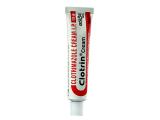
Buy Generic Clotrimazole () without prescription in Canada
In our Canadian pharmacy, you can buy Clotrimazole Cream without a prescription, with delivery across Canada within 5‑14 days. Discreet and anonymous packaging.
Clotrimazole is a broad‑spectrum imidazole antifungal agent used topically to treat a variety of fungal and yeast infections of the skin, including athlete’s foot, jock itch, ringworm, cutaneous candidiasis, and tinea versicolor. It works by inhibiting the biosynthesis of ergosterol, a critical component of the fungal cell membrane. This disruption weakens the cell wall, causing leakage of intracellular contents and ultimately death of the fungus.
Usual adult dose: Apply a thin layer of Clotrimazole Cream (1%) to the affected and surrounding skin areas twice daily, in the morning and evening. For athlete’s foot (tinea pedis), treatment should continue for at least 4 weeks, including 2 weeks after all symptoms have resolved to help prevent recurrence. For jock itch, ringworm, and cutaneous candidiasis, treatment usually resolves symptoms within 2 to 4 weeks. Candida infections are generally treated for 2 weeks. The 15 g tube typically provides a sufficient amount for one full course of treatment.
Dosage form: Topical cream, 1% (10 mg of clotrimazole per gram of cream), supplied in a 15 g tube. Additional sizes of 20 g, 30 g, and 50 g are also available.
Onset of action: Clinical improvement with relief of itching typically occurs within the first week of treatment. Symptom resolution for jock itch, ringworm, and diaper rash is usually seen within 2 to 4 weeks; athlete’s foot requires at least 4 weeks of continuous application.
Duration of action: The antifungal effect persists as long as the cream is applied regularly. Relapses may occur if treatment is stopped prematurely; therapy should be continued for about 2 weeks after all clinical symptoms have disappeared.
Alcohol recommendation: There are no known interactions between topically applied clotrimazole and alcohol consumption. However, because heavy alcohol use can weaken the immune system, moderate intake is recommended during treatment to support the body’s natural ability to fight infection.
Most common side effects: Local skin reactions at the application site, including erythema (redness), stinging, blistering, peeling, edema (swelling), pruritus (itching), urticaria (hives), and general irritation. These effects are generally mild and temporary. If severe irritation or allergic reaction occurs, discontinue use and consult a physician.
Would you like to try Clotrimazole Cream without a prescription?
General Information about Clotrimazole Cream
- INN (International Nonproprietary Name): Clotrimazole
- Brand names available in Canada: Canesten® Topical Cream 1% (Bayer Inc.), Clotrimaderm® Cream 1% (Taro Pharmaceuticals Inc.), Desenex® Antifungal Cream, Myclo‑Derm®, Neo‑Zol®, and generic Clotrimazole Topical Cream 1% from multiple manufacturers. Clotrimazole is also available in a 2% extra‑strength formulation and as a vaginal cream under separate brand names.
- ATC code: D01AC01 (imidazole and triazole derivatives for dermatological use)
- Dosage forms and strengths: Topical cream: 1% (10 mg/g). Available in 15 g, 20 g, 30 g, 50 g, and 500 g tubes. Also available as a topical solution and a vaginal cream in 1% and 2% strengths.
- Manufacturers in Canada: Bayer Inc. (Canesten), Taro Pharmaceuticals Inc. (Clotrimaderm), and other generic manufacturers.
- Registration status in Canada: Approved by Health Canada. Marketed. DINs: 02150867 (Canesten 1% Topical Cream), 00812382 (Clotrimaderm Cream 1%), 02229380 (Clotrimazole Topical 1%).
- OTC / Rx classification: Over‑the‑counter (OTC). Clotrimazole 1% cream is available without a prescription and is classified as a non‑prescription drug in Canada.
Mechanism of Action and Pharmacology
Clotrimazole is a synthetic imidazole derivative with a broad spectrum of antimycotic activity. Its primary mechanism of action is the inhibition of ergosterol biosynthesis, an essential constituent of fungal cell membranes. Clotrimazole binds to and inhibits the cytochrome P450 enzyme lanosterol 14α‑demethylase, which is required for the conversion of lanosterol to ergosterol. When ergosterol synthesis is completely or partially inhibited, the fungal cell is unable to construct an intact and functional cytoplasmic membrane. This leads to increased membrane permeability, leakage of intracellular phosphorus compounds and potassium, breakdown of cellular nucleic acids, and ultimately death of the fungus. Clotrimazole exhibits both fungistatic (growth‑inhibiting) and fungicidal (organism‑killing) activity, depending on the concentration achieved and the susceptibility of the target organism.
In vitro, clotrimazole is active against dermatophytes including Trichophyton rubrum, Trichophyton mentagrophytes, and Epidermophyton floccosum; yeasts including Candida albicans and other Candida species; and Malassezia furfur, the causative organism of tinea versicolor. After topical application, clotrimazole penetrates the epidermis but systemic absorption is minimal. Six hours after application of Clotrimazole 1% cream to intact or inflamed skin, concentrations range from approximately 100 μg/cm³ in the stratum corneum to 0.5–1.0 μg/cm³ in the deeper dermal layers, with less than 0.1 μg/cm³ in the subcutis. No measurable radioactivity (less than 0.001 μg/mL) is found in serum within 48 hours after application. The majority of absorbed drug is metabolized in the liver and excreted as metabolites in the faeces, with small amounts appearing in the urine. Metabolism studies indicate that clotrimazole can induce certain microsomal enzyme systems, an effect similar in magnitude to that of phenobarbital; however, this effect subsides rapidly when treatment is discontinued.
Indications
- Tinea pedis (athlete’s foot): Topical treatment of fungal infection of the foot caused by Trichophyton rubrum, Trichophyton mentagrophytes, and Epidermophyton floccosum. Treatment should be continued for at least 4 weeks and for about 2 weeks after all symptoms have resolved to prevent recurrence.
- Tinea cruris (jock itch): Treatment of fungal infection of the groin area caused by susceptible dermatophytes. Clinical improvement is usually seen within the first week, with resolution within 2 to 4 weeks.
- Tinea corporis (ringworm of the body): Topical management of dermatophyte infections on the trunk and limbs. Symptoms typically resolve within 2 to 4 weeks of twice‑daily application.
- Cutaneous candidiasis: For yeast infections of the skin caused by Candida albicans, including intertriginous candidiasis. Treatment is generally effective within 2 weeks.
- Tinea versicolor (pityriasis versicolor): For the hypopigmented or hyperpigmented patches caused by Malassezia furfur. Mycological cure rates in clinical trials for tinea versicolor were 88%.
- Infected diaper rash: In children, for diaper rash that has been infected by Candida albicans, when the diagnosis has been confirmed by a physician.
- Clotrimazole cream is not suitable for treating fungal infections of the nails or scalp.
Important Warnings and Precautions
At‑risk groups
- Pregnancy: There are limited data from the use of clotrimazole in pregnant women. Animal studies do not indicate direct or indirect harmful effects with respect to reproductive toxicity. Systemic absorption following topical application is minimal, and clotrimazole has not been associated with fetal harm in clinical studies involving women in their second and third trimesters. However, the use of clotrimazole by pregnant women is not recommended unless advised by a physician, and it should not be used in the first trimester unless the physician considers it essential to the welfare of the patient.
- Breastfeeding: Available pharmacodynamic and toxicological studies in animals have shown excretion of clotrimazole and its metabolites in milk. Although topical application results in very low serum and tissue levels, use by lactating women is not recommended unless advised by a physician. Breastfeeding should be discontinued during treatment if the physician deems it necessary.
- Paediatrics: For children, clotrimazole cream is indicated only for the treatment of Candida‑infected diaper rash that has been diagnosed by a physician. It should be applied thinly at each diaper change (morning and evening) and should not be used for longer than 14 days. If symptoms worsen or there is no improvement after 2 weeks, consult a physician. Safety and efficacy for other indications in children have not been systematically established.
- Elderly: No specific dose adjustment is required for elderly patients based on age alone. Topical clotrimazole is generally well tolerated across all age groups.
- Hepatic impairment: Systemic absorption of topically applied clotrimazole is minimal; therefore, hepatic impairment is not expected to have a clinically relevant effect on the safety or efficacy of the topical cream.
- Renal impairment: No dose adjustment is required, as systemic absorption from topical application is negligible.
- Immunocompromised patients: Patients with weakened immune systems (due to HIV/AIDS, diabetes, or immunosuppressive therapy) may have a diminished response to topical antifungal therapy and should be under medical supervision.
- Allergy: Do not use clotrimazole cream if you have a known hypersensitivity to clotrimazole, other azole antifungals (e.g., miconazole, econazole, ketoconazole), or any excipient in the formulation. Cross‑sensitivity among imidazole derivatives may occur.
Driving and alcohol
Topical clotrimazole cream has no known influence on the ability to drive or operate machinery. There are no known interactions between topically applied clotrimazole and alcohol consumption. However, because chronic heavy alcohol use can weaken the immune system and predispose to fungal infections, alcohol intake should be moderated during treatment to support optimal healing.
Dosage Instructions
- Standard adult dose (jock itch, ringworm, cutaneous candidiasis): Thinly apply a sufficient amount of Clotrimazole Cream 1% to the affected and surrounding skin areas twice daily, in the morning and evening. Gently massage the cream into the skin. Clinical improvement with relief of pruritus usually occurs within the first week of treatment. Treatment should be continued for 2 to 4 weeks, depending on the infection.
- Athlete’s foot (adults): Apply as above, twice daily. Treatment should continue for at least 4 weeks, including approximately 2 weeks after all symptoms have disappeared, to help prevent relapses. Added hygienic measures are especially important for foot infections: after washing, dry the feet thoroughly (especially between the toes), wear well‑fitting ventilated shoes, and choose cotton or wool socks.
- Infected diaper rash (children): Apply a thin layer and gently massage onto the affected and surrounding skin twice daily at a diaper change, in the morning and evening. Do not use for longer than 14 days. If symptoms worsen or there is no improvement after 2 weeks, consult a physician.
- Administration: Clean and thoroughly dry the affected area before application. Apply enough cream to cover the affected skin and a small margin of surrounding healthy skin. Wash hands after application, unless the hands are the area being treated. Avoid contact with the eyes, nose, mouth, and other mucous membranes. If accidental contact occurs, rinse thoroughly with water. Do not apply occlusive dressings over the cream unless directed by a physician; normal breathable diapers are not considered occlusive dressings.
- Missed dose: If a dose is missed, apply it as soon as remembered and continue with the regular schedule. If it is close to the time of the next application, skip the missed dose and resume the normal routine. Do not apply a double amount to make up for a missed dose.
- Discontinuation: Continue treatment for the full prescribed duration, even if symptoms improve or disappear. Stopping treatment too early may allow the infection to return.
Side Effects and Contraindications
- Common side effects: Local skin reactions at the application site, including erythema (redness), stinging, blistering, peeling, edema (swelling), pruritus (itching), urticaria (hives), burning sensation, and general irritation of the skin. These effects are typically mild and transient. In clinical trials with 184 patients treated with clotrimazole 1% cream, irritation was reported in 12 patients and soreness in 1 patient; therapy was discontinued in only 3 patients.
- Uncommon side effects: Contact dermatitis, paraesthesia (tingling or numbness), skin exfoliation, maculopapular rash, and increased sweating at the application site.
- Rare but serious adverse reactions: Anaphylactic reactions, angioedema (swelling of the deeper layers of the skin, particularly around the face and throat), hypersensitivity reactions, hypotension, syncope (fainting), and dyspnea (shortness of breath) have been reported in post‑marketing surveillance. These reactions are exceedingly rare with topical use.
- Contraindications: Known hypersensitivity to clotrimazole, other azole antifungals, or any non‑medicinal ingredient in the formulation. Not for ophthalmic (eye) use. Not for treatment of fungal infections of the nails or scalp. Not suitable as monotherapy for systemic fungal infections.
Drug Interactions
- Topical medications: No clinically significant drug interactions have been reported with topical clotrimazole. However, to avoid potential inactivation or dilution, other topical products should not be applied to the same area at the same time unless directed by a physician.
- Systemic medications: Due to minimal systemic absorption, interactions with oral or injectable medications are not expected. However, clotrimazole is metabolized by CYP3A4, and high systemic concentrations (not achieved with topical use) could theoretically interact with drugs metabolized by this enzyme.
- Condoms and diaphragms: Clotrimazole vaginal creams (not the topical skin cream) can damage latex condoms and diaphragms, potentially reducing their contraceptive efficacy and ability to prevent sexually transmitted infections. While the 1% topical skin cream is not intended for vaginal use, patients who also use vaginal clotrimazole products should be aware of this interaction.
- Laboratory tests: No known interference with laboratory tests.
Practical Advice
- Administration: Wash and thoroughly dry the infected skin before each application. Apply a thin layer of cream to the affected area and a small amount of surrounding skin. Massage gently until the cream is absorbed. Wash hands before and after use, unless the hands are being treated. Avoid contact with the eyes, nose, and mouth.
- Monitoring: No routine laboratory monitoring is required during topical clotrimazole therapy. Patients should self‑monitor for improvement of symptoms and for signs of local irritation or allergic reaction. If symptoms do not improve after 4 weeks of treatment (2 weeks for diaper rash), or if they worsen at any time, consult a physician.
- Storage: Store at room temperature (15‑30°C) in a dry place. Do not freeze. Keep the tube tightly capped when not in use. Keep out of the reach and sight of children. If swallowed, contact a Poison Control Centre or seek medical help immediately.
- Lifestyle and hygiene: Good hygiene practices are essential for successful treatment and prevention of recurrence. For athlete’s foot: wash feet daily, dry thoroughly between the toes, wear clean cotton or wool socks, and choose well‑ventilated shoes. Avoid walking barefoot in communal areas. For jock itch: wear loose‑fitting cotton underwear, avoid tight clothing, and dry the groin area completely after bathing. For ringworm: avoid sharing towels, clothing, or personal items. For tinea versicolor: the condition may recur, especially in warm, humid weather; maintaining good skin hygiene and avoiding excessive heat and sweating may help.
- Missed dose: If you forget to apply the cream at your usual time, do so as soon as you remember. If it is nearly time for the next application, skip the missed dose and return to your normal schedule.
- When to seek medical review: Contact your doctor if symptoms do not improve after the full recommended treatment period, if they worsen at any time, or if you develop signs of a secondary bacterial infection (increased pain, swelling, pus, or red streaks extending from the affected area). Seek emergency medical attention for signs of a severe allergic reaction, such as difficulty breathing, swelling of the face, lips, tongue, or throat, or severe hives.
- Disposal: Return unused or expired cream to a pharmacy for safe disposal. Do not flush down the toilet or discard in household waste.
Alternative Medications
- Miconazole (Micatin®, Monistat‑Derm®): Another imidazole antifungal available over the counter in Canada. It has a similar spectrum of activity and is used to treat the same skin fungal infections. Miconazole is also available in a vaginal formulation for yeast infections.
- Ketoconazole (Nizoral® cream): An imidazole antifungal available by prescription in Canada. It is particularly useful for seborrheic dermatitis, tinea versicolor, and dermatophyte infections that are resistant to other azole antifungals.
- Terbinafine (Lamisil® cream): An allylamine antifungal available over the counter in Canada. It has a fungicidal (rather than fungistatic) mechanism of action and may require a shorter treatment duration (1 to 2 weeks for athlete’s foot, compared with 4 weeks for clotrimazole). Terbinafine inhibits squalene epoxidase, an earlier step in ergosterol synthesis.
- Econazole (Econazole Cream 1%): Another imidazole antifungal available in Canada. It is effective against dermatophytes and Candida species and is used for tinea pedis, tinea cruris, tinea corporis, and tinea versicolor.
- Tolnaftate (Tinactin®): An over‑the‑counter synthetic thiocarbamate antifungal used primarily for tinea pedis and tinea cruris. It is effective against dermatophytes but is not active against Candida species.
- Oral antifungals: For severe, extensive, or refractory infections, oral agents such as terbinafine (Lamisil® tablets), fluconazole (Diflucan®), itraconazole (Sporanox®), or griseofulvin may be prescribed. These require a prescription and are used for infections involving nails, large body surface areas, or those resistant to topical therapy.
- Non‑pharmacological measures: For many superficial fungal infections, improved hygiene, keeping the skin clean and dry, wearing breathable natural‑fibre clothing, and avoiding shared personal items are essential preventive and adjunctive measures. Tea tree oil has mild antifungal properties, though evidence for its clinical efficacy is limited.
Clinical Efficacy
The efficacy of clotrimazole 1% cream for the topical treatment of dermatophyte and Candida infections has been established in numerous controlled clinical trials. In pooled data from 22 mycologically controlled double‑blind studies, 1 single‑blind study, and 4 open studies, clotrimazole 1% cream demonstrated mycological cure rates of 80% for tinea cruris and tinea corporis, 67% for tinea pedis, 88% for tinea versicolor, and 92% for cutaneous candidiasis, compared with mycological cure rates of 4.7%, 0%, 37.5%, and 20%, respectively, in the vehicle‑control groups. Clinical improvement with relief of pruritus usually occurs within the first week of treatment. For athlete’s foot, a minimum treatment duration of 4 weeks is recommended, and continued application for about 2 weeks after symptom resolution significantly reduces the risk of relapse. For Candida infections, treatment is typically required for only 2 weeks. Clotrimazole has been in clinical use since the 1970s and remains a first‑line topical agent for the treatment of uncomplicated superficial fungal and yeast infections of the skin. Its excellent safety profile, minimal systemic absorption, and over‑the‑counter availability make it one of the most accessible and widely used antifungal agents in Canada. The risk of resistance to clotrimazole among dermatophytes and Candida species remains low, although reduced susceptibility has been reported in some Candida isolates in settings of prolonged or repeated exposure.
Important:
Clotrimazole Cream is an over‑the‑counter (OTC) topical antifungal medication. While a prescription is not required for purchase, this product should be used as directed on the package or as recommended by a pharmacist or physician. It is for external use on the skin only. Avoid contact with the eyes, nose, mouth, and other mucous membranes. Do not apply this cream to fungal infections of the nails or scalp. If symptoms do not improve after the recommended treatment period (2 weeks for most infections, up to 4 weeks for athlete’s foot), or if they worsen at any time, discontinue use and consult a healthcare professional. Pregnant or breastfeeding women should consult a physician before use. If you experience signs of a serious allergic reaction, such as difficulty breathing, swelling of the face, lips, tongue, or throat, or a widespread rash, discontinue the cream immediately and seek emergency medical attention. This information is not a substitute for professional medical advice, diagnosis, or treatment.


| Shipping method | Delivery time | Price | |
 Delivery Delivery |
14-21 days | 14.95$ | Tracking# available in 4 days |
 Delivery Delivery |
9-14 days | 30$ | Tracking# available in 2 days |
- Shipping worldwide
- Confidentiality and anonymity guarantee
- Safe and secure
- Discrete looking packages
- Dispatch orders within 24 hours
- 100% success delivery


