


 Secure and Reliable
 High quality
 Worldwide shipping
 Bonuses and Discounts
 Money back Guarantee
- Bestsellers
- Alcoholism
- COVID-19
- Allergy
- Anti Fungal
- Alzheimers
- Anti Viral
- Anti-Depressants
- Anti-Inflammatory
- Antibacterial
- Antiparasitic
- Antibiotics
- Arthritis
- Asthma
- Birth Control
- Blood Pressure
- Cancer
- Cardiovascular
- Cholesterol
- Diabetes
- Diuretics
- Erectile Dysfunction
- Eye Drop
- Gastro Health
- General Health
- Hair Loss
- Hepatitis C Virus (HCV)
- HIV
- Hormones
- Men's ED Packs
- Men's Health
- Mental Illness
- Motion Sickness
- Muscle Relaxant
- Pain Relief
- Parkinson’s Disease
- Veterinary Medicines
- Quit Smoking
- Vitamins
- Skin Care
- Sleeping Aids
- Weight Loss
- Women's Health
Generic Conjugated Estrogens
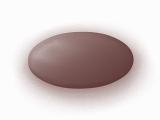
Buy Generic Conjugated Estrogens () without prescription in Canada
Conjugated Estrogens (0.625 mg): Comprehensive Patient Information for Canada
Basic Product Information
| Generic Name (INN) | Conjugated estrogens (also known as conjugated equine estrogens, CEE) |
| Canadian Brand Names / Trade Names | Premarin (Pfizer Canada ULC), C.E.S. (Valeant Canada), Apo-Conest (Apotex), and various generic formulations. Premarin is the reference brand in Canada. |
| ATC Code | G03CA57 |
| Available Dosage Forms and Strengths | Oral tablets: 0.3 mg, 0.45 mg, 0.625 mg, 0.9 mg, and 1.25 mg. Vaginal cream: 0.625 mg/g. The 0.625 mg tablet is the most commonly prescribed strength. |
| Manufacturers | Pfizer Canada ULC (Premarin); Valeant Canada (C.E.S.); Apotex Inc. (Apo-Conest); various generic manufacturers |
| Prescription Status | Prescription only in Canada. Premarin 0.625 mg is listed as a Regular Benefit on the Alberta Drug Benefit List at a unit price of $0.4164 per tablet. In Quebec, Premarin is covered under the RAMQ formulary. In Ontario, it is available but may require prior authorization for certain indications. |
Mechanism of Action
In simple terms: Conjugated estrogens are a mixture of estrogen hormones that replace the natural estrogens your body stops producing after menopause. They work by binding to estrogen receptors in various tissues, helping to restore hormonal balance. This relieves menopause symptoms such as hot flashes and vaginal dryness, and helps prevent bone loss (osteoporosis) by maintaining bone density.
For specialists: Endogenous estrogens are largely responsible for the development and maintenance of the female reproductive system and secondary sexual characteristics. Although circulating estrogens exist in a dynamic equilibrium of metabolic interconversions, estradiol is the principal intracellular human estrogen and is substantially more potent than its metabolites, estrone and estriol, at the receptor level. Estrogens act through binding to nuclear receptors in estrogen-responsive tissues. To date, two estrogen receptors have been identified (ERα and ERβ), which vary in proportion from tissue to tissue. Circulating estrogens modulate the pituitary secretion of the gonadotropins, luteinizing hormone (LH) and follicle-stimulating hormone (FSH), through a negative feedback mechanism. Estrogens act to reduce the elevated levels of these gonadotropins seen in postmenopausal women. The primary source of estrogen in normally cycling adult women is the ovarian follicle, which secretes 70 to 500 mcg of estradiol daily, depending on the phase of the menstrual cycle. After menopause, most endogenous estrogen is produced by conversion of androstenedione, secreted by the adrenal cortex, to estrone in the peripheral tissues. Thus, estrone and the sulfate-conjugated form, estrone sulfate, are the most abundant circulating estrogens in postmenopausal women. Conjugated estrogens are water-soluble and are absorbed from the gastrointestinal tract after release from the drug formulation.
Pharmacokinetics
- Absorption: Conjugated estrogens are water-soluble and are absorbed from the gastrointestinal tract after release from the drug formulation. The Premarin tablet releases conjugated estrogens slowly over several hours. Food does not significantly affect the absorption of conjugated estrogens; the Cmax and AUC of estrogens were altered approximately 3–13% when taken with a high-fat meal, which is not considered clinically meaningful. Therefore, Premarin may be taken without regard to meals.
- Metabolism: Estrogens are metabolized in the liver. They undergo enterohepatic recirculation via sulfate and glucuronide conjugation in the liver.
- Elimination: Following a single 0.625 mg dose of Premarin in healthy postmenopausal women, the pharmacokinetic parameters for unconjugated estrogens were: Estrone Cmax 87 pg/mL, tmax 9.6 hours, t1/2 50.7 hours, AUC 5557 pg·h/mL. Baseline-adjusted estrone Cmax 64 pg/mL, tmax 9.6 hours, t1/2 20.2 hours, AUC 1723 pg·h/mL. Equilin Cmax 31 pg/mL, tmax 7.9 hours, t1/2 12.9 hours, AUC 602 pg·h/mL. For conjugated estrogens: Total estrone Cmax 2.7 ng/mL, tmax 6.9 hours, t1/2 26.7 hours, AUC 75 ng·h/mL. Baseline-adjusted total estrone Cmax 2.5 ng/mL, tmax 6.9 hours, t1/2 14.8 hours, AUC 46 ng·h/mL. Total equilin Cmax 1.8 ng/mL, tmax 5.6 hours, t1/2 11.4 hours, AUC 27 ng·h/mL.
- Onset of Action: Symptomatic relief of vasomotor symptoms typically begins within the first few weeks of treatment. Effects on bone density are observed over months to years of consistent use.
- Duration of Action: The therapeutic effect is maintained with continued daily dosing.
Uses in Daily Life and Best Practice Advice
Conjugated estrogens are prescribed in Canada for the treatment of moderate to severe menopause symptoms and the prevention of postmenopausal osteoporosis. Your physician will determine the appropriate use and dose based on your specific medical situation.
- Typical Uses: Treatment of moderate to severe vasomotor symptoms due to menopause (hot flashes, night sweats); treatment of moderate to severe vulvar and vaginal atrophy due to menopause (vaginal dryness, itching, burning); treatment of hypoestrogenism due to hypogonadism, castration, or primary ovarian failure; prevention of postmenopausal osteoporosis. It is also used for palliative treatment of breast cancer and advanced androgen-dependent carcinoma of the prostate in appropriately selected patients.
- Administration: Take the tablet orally, usually once daily, with or without food. Swallow the tablet whole; do not crush, chew, or dissolve it in the mouth. The dosage may be continuous (no interruption) or cyclic (e.g., three weeks on, one week off). Use the lowest effective dose for the shortest duration consistent with treatment goals.
- Monitoring: Your physician will monitor your response to treatment and may perform periodic physical examinations, including blood pressure, breast examination, and pelvic examination. Regular monitoring of lipid levels and bone density may be appropriate for some patients.
- Do Not Stop Without Medical Advice: Do not stop taking this medication without consulting your physician, as this may cause your symptoms to return.
Morning vs. Evening Dosing
Conjugated estrogens are typically taken once daily. There is no specific clinical recommendation for morning versus evening dosing. Taking it at the same time each day helps maintain consistent hormone levels. Always follow the schedule recommended by your physician.
- Once Daily: The standard dose is taken once daily, with or without food.
- Consistency: Take conjugated estrogens at the same time each day to ensure consistent effects.
- Missed Dose: If you miss a dose, take it as soon as you remember. If it is almost time for your next dose, skip the missed dose and continue with your regular schedule. Do not take two doses at the same time.
- Professional Guidance: Your healthcare provider may adjust the timing based on your response to treatment.
Administration With or Without Food
Conjugated estrogens can be taken with or without food. Food does not significantly affect the absorption of the medication. This flexibility makes it convenient to take at any time of day.
- Swallow the tablet whole with a full glass of water.
- Conjugated estrogens can be taken with or without food.
- Do not crush, chew, or dissolve the tablet in your mouth.
- Avoid drinking alcohol while taking conjugated estrogens, as it may increase the risk of certain side effects and may worsen liver-related conditions.
Interaction Warnings
| Interaction | Advice |
|---|---|
| CYP3A4 Inducers (e.g., phenobarbital, carbamazepine, rifampin, rifampicin, phenytoin, dexamethasone, St. John's Wort) | These medications may reduce plasma concentrations of estrogens, potentially decreasing therapeutic effectiveness and altering uterine bleeding patterns. Monitor clinical response. |
| CYP3A4 Inhibitors (e.g., erythromycin, clarithromycin, ketoconazole, itraconazole, ritonavir, grapefruit juice) | These medications may increase plasma concentrations of estrogens, potentially resulting in side effects. Use with caution and monitor for adverse effects. |
| Levothyroxine | Estrogens may increase thyroxine-binding globulin, which can increase levothyroxine requirements in some patients. Monitor thyroid function tests and adjust levothyroxine dose as needed. |
| Insulin and Oral Antidiabetics | Estrogens may impair glucose tolerance. Monitor blood glucose levels and adjust antidiabetic therapy as needed. |
| Warfarin and Other Anticoagulants | Estrogens may increase the risk of thromboembolism and may alter anticoagulant effects. Monitor INR closely if used together. |
| Cosyntropin, Fosphenytoin, Phenytoin | Concurrent use is usually not recommended but may be required in some cases. Your doctor may change the dose or how often you use one or both of the medicines. |
| Alcohol | Avoid excessive alcohol consumption as it may worsen liver-related conditions and increase the risk of certain side effects. |
Indications for Conjugated Estrogens
| Condition | Status |
|---|---|
| Treatment of moderate to severe vasomotor symptoms due to menopause (hot flashes, night sweats) | Approved (Health Canada) |
| Treatment of moderate to severe vulvar and vaginal atrophy due to menopause (vaginal dryness, itching, burning) | Approved (Health Canada) |
| Treatment of hypoestrogenism due to hypogonadism, castration, or primary ovarian failure | Approved (Health Canada) |
| Prevention of postmenopausal osteoporosis | Approved (Health Canada) |
| Treatment of breast cancer (for palliation only) in appropriately selected women and men with metastatic disease | Approved (Health Canada) |
| Treatment of advanced androgen-dependent carcinoma of the prostate (for palliation only) | Approved (Health Canada) |
"Off-label" means use outside the official approved indication, usually based on current medical guidelines and scientific evidence.
Dosing According to Clinical Indication
| Indication | Adults (Standard Dose) | Special Populations | Duration |
|---|---|---|---|
| Moderate to severe vasomotor symptoms (hot flashes) | 0.3 mg to 1.25 mg daily, administered continuously or cyclically (e.g., 3 weeks on, 1 week off) | Use the lowest effective dose for the shortest duration | Short-term use; reassess need periodically |
| Moderate to severe vulvar and vaginal atrophy | 0.3 mg to 1.25 mg daily, administered cyclically (e.g., 3 weeks on, 1 week off) or continuously | Consider topical vaginal products if symptoms are limited to vaginal area | Short-term use; reassess need periodically |
| Prevention of postmenopausal osteoporosis | 0.625 mg daily. This dose is necessary for maintaining bone density. | Use only in women with high risk factors for osteoporosis; non-estrogen preparations are recommended first | Long-term use; reassess need periodically |
| Hypoestrogenism due to hypogonadism, castration, or primary ovarian failure | 0.3 mg to 1.25 mg daily, administered cyclically (e.g., 3 weeks on, 1 week off). Doses are adjusted depending on the severity of symptoms and endometrial response. | Girls may be given 0.15 mg to promote development of secondary sexual characteristics. Individualized dosing is required for optimal results. | As directed by physician |
| Maximum recommended dose | Do not exceed 1.25 mg daily for most indications | Use the lowest effective dose for the shortest duration | Reassess need periodically |
Doses should always be adjusted according to the advice of your physician and depending on your health condition. In women with a uterus, a progestin should be added to estrogen therapy to reduce the risk of endometrial hyperplasia and endometrial cancer. Women without a uterus do not need a progestin. Use the lowest effective dose for the shortest duration consistent with treatment goals.
Side Effects and Safety Profile
| Common (≥5%) | Occasional (1–5%) | Rare / Serious (<1%) | Warnings |
|---|---|---|---|
|
|
|
|
Guidelines for Correct Use
- Take conjugated estrogens exactly as prescribed by your physician. Do not change your dose without medical advice.
- Swallow the tablet whole with a full glass of water. Do not crush, chew, or dissolve it in your mouth.
- Take the medication with or without food, at the same time each day.
- Use the lowest effective dose for the shortest duration consistent with treatment goals.
- If you have a uterus, your physician will prescribe a progestin in addition to estrogen to protect the lining of the uterus.
- Do not use estrogen therapy for the prevention of cardiovascular disease or dementia.
- Keep all medical appointments for monitoring of your condition, including breast and pelvic examinations.
- Inform every healthcare provider (including dentists, surgeons, and pharmacists) that you are taking conjugated estrogens.
- If you are pregnant, planning to become pregnant, or breastfeeding, consult your physician before use. Conjugated estrogens are contraindicated during pregnancy and not recommended during breastfeeding.
- If you miss a dose, take it as soon as you remember. If it is almost time for your next dose, skip the missed dose. Do not double the dose.
- Store at room temperature in a dry place. Keep out of reach of children.
Alternative Treatment Options
- Estradiol (oral tablets, transdermal patches, gels, sprays, or vaginal inserts): A bioidentical estrogen available in multiple formulations. May be preferred by some patients and physicians. Available in Canada by prescription.
- Esterified Estrogens (e.g., Estratab): A synthetic mixture of estrogens similar to conjugated estrogens. Available in Canada by prescription.
- Conjugated Estrogens/Bazedoxifene (Duavee): A combination product containing conjugated estrogens 0.45 mg and bazedoxifene 20 mg. Indicated for the treatment of moderate to severe vasomotor symptoms and prevention of postmenopausal osteoporosis in women with a uterus. Not available in Canada but approved in the United States.
- Non-Hormonal Therapies for Vasomotor Symptoms: For women who cannot or prefer not to take estrogen, options include low-dose SSRIs/SNRIs (e.g., paroxetine, venlafaxine), gabapentin, clonidine, or cognitive behavioural therapy. These may not be as effective as estrogen for hot flashes.
- Bisphosphonates, Denosumab, or Other Osteoporosis Therapies: For the prevention and treatment of osteoporosis, non-estrogen options include bisphosphonates (e.g., alendronate, risedronate), denosumab, or selective estrogen receptor modulators (SERMs). These may be preferred when the primary goal is bone health and menopause symptoms are not present.
Comparison: Conjugated estrogens are the most extensively studied form of estrogen therapy and remain a standard treatment for moderate to severe menopause symptoms and the prevention of postmenopausal osteoporosis. They are distinguished from other estrogen formulations by their unique mixture of estrogens, including estrone, equilin, and other conjugated estrogens. Estradiol is the primary intracellular human estrogen and is available in multiple convenient formulations, including transdermal and vaginal routes that may offer better safety profiles for some patients. The choice of estrogen therapy depends on patient preference, symptom severity, availability, and cost. For women with a uterus, a progestin must be added to prevent endometrial hyperplasia. Non-hormonal therapies may be appropriate for women who cannot take estrogen. Your physician will determine the best option for your specific condition.
Legal Status, Registration, and Coverage in Canada
- Registration: Conjugated estrogens are authorized for sale in Canada by Health Canada as a prescription drug. Premarin (Pfizer Canada ULC) is available in 0.3 mg, 0.625 mg, 1.25 mg, and other strengths. The DIN for Premarin 0.625 mg oral sustained-release tablet is 02414686. The DIN for C.E.S. 0.625 mg tablet (Valeant Canada) is 00265470, with a current status of "Dormant" as of September 23, 2020. Generic formulations include Apo-Conest 0.625 mg (DIN 00798223) and other products.
- Prescription Status: Prescription only in Canada.
- Coverage: Coverage varies by province and territory. In Alberta, Premarin 0.625 mg is listed as a Regular Benefit on the Alberta Drug Benefit List at a unit price of $0.4164 per tablet. In Quebec, Premarin is covered under the RAMQ formulary. In Ontario, Premarin is available but may require prior authorization (Limited Use) for certain indications. The monthly cost of treatment with Premarin and Premplus in Quebec is approximately $27.44 per month, which exceeds the cost of oral estradiol, which ranges between $2 and $12 depending on the strength. Generic formulations may be more affordable than brand-name products.
- Pharmacovigilance: Adverse reactions should be reported to Health Canada's MedEffect Canada program.
Recent Research and Clinical Guidelines (2022–2026)
- The Women's Health Initiative (WHI) clinical trial results do not support hormone therapy with oral conjugated equine estrogens plus medroxyprogesterone acetate for postmenopausal women or conjugated equine estrogens alone for those with prior hysterectomy to prevent cardiovascular disease, dementia, or other chronic diseases.
- Current guidelines from the North American Menopause Society (2024) and other organizations recommend that menopausal hormone therapy (MHT), including conjugated estrogens, is the most effective treatment for vasomotor symptoms associated with menopause at any age. MHT can be initiated in postmenopausal women at risk of fracture for the prevention of osteoporosis, but the benefit-risk profile must be individualized.
- For women with a uterus, the addition of a progestin is essential to reduce the risk of endometrial hyperplasia and endometrial cancer associated with unopposed estrogen therapy. The Women's Health Initiative (WHI) estrogen-alone substudy reported increased risks of stroke and deep vein thrombosis (DVT) in postmenopausal women aged 50 to 79 years.
- A 2025 Cochrane review evaluated the risk of endometrial hyperplasia and endometrial cancer with sequential and continuous combined hormone therapy regimens. Moderate-dose conjugated equine estrogens (CEE) 0.625 mg daily combined with medroxyprogesterone acetate (MPA) was evaluated in various regimens (sequential: CEE 0.625 mg daily for 24 days/month + MPA 2.5 mg on the last 12 days; continuous combined: CEE 0.625 mg per day + MPA 5 mg per day on the last 14 days of the cycle).
- Research continues to explore the role of conjugated estrogens in various clinical settings, including its use in combination with bazedoxifene (Duavee) for the treatment of vasomotor symptoms and prevention of osteoporosis in women with a uterus. The tissue-selective estrogen complex (TSEC) concept pairs estrogens with a selective estrogen receptor modulator (SERM) to provide the benefits of estrogen without the need for a progestin.
Availability and Supply in Canada
| Packaging Format | Typical Price (CAD, per unit) | Availability |
|---|---|---|
| Premarin 0.625 mg oral sustained-release tablet | Approximately $0.4164 per tablet (Alberta Drug Benefit List) | Available at pharmacies across Canada; prescription required. Listed as a Regular Benefit in Alberta. |
| Premarin 0.3 mg oral sustained-release tablet | Approximately $0.3965 per tablet (Alberta Drug Benefit List) | Available at pharmacies; prescription required. |
| Premarin 1.25 mg oral sustained-release tablet | Approximately $0.4340 per tablet (Alberta Drug Benefit List) | Available at pharmacies; prescription required. |
| Premarin 0.625 mg/g vaginal cream | Approximately $0.8858 per gram (Alberta Drug Benefit List) | Available at pharmacies; prescription required. |
| Generic conjugated estrogens (e.g., Apo-Conest) 0.625 mg | Price varies; check with pharmacy | Available at pharmacies; prescription required. May be more affordable than brand-name products. |
Prices and availability may vary by province, territory, and pharmacy. Premarin is covered under most provincial and territorial drug plans, though some provinces may require prior authorization for certain indications. Generic formulations may be available and are generally more affordable than the brand-name product. Check with your local pharmacy for current pricing and availability.
Frequently Asked Questions (FAQ)
- What are conjugated estrogens used for?
Conjugated estrogens are used to treat moderate to severe menopause symptoms such as hot flashes and vaginal dryness, and to prevent bone loss (osteoporosis) in postmenopausal women. They are also used for other conditions such as hypoestrogenism due to hypogonadism or primary ovarian failure, and for palliative treatment of certain cancers. - How do conjugated estrogens work?
Conjugated estrogens are a mixture of estrogen hormones that replace the natural estrogens your body stops producing after menopause. They work by binding to estrogen receptors in various tissues, helping to restore hormonal balance. This relieves menopause symptoms and helps maintain bone density. - What is the correct dose of conjugated estrogens?
The usual dose for menopause symptoms ranges from 0.3 mg to 1.25 mg daily. For the prevention of osteoporosis, the recommended dose is 0.625 mg daily. Your physician will determine the lowest effective dose for your specific condition. - Can I take conjugated estrogens with food?
Yes. Conjugated estrogens can be taken with or without food. Food does not significantly affect the absorption of the medication. - What should I do if I miss a dose?
If you miss a dose, take it as soon as you remember. If it is almost time for your next dose, skip the missed dose and continue with your regular schedule. Do not take two doses at the same time. - Can I drink alcohol while taking conjugated estrogens?
No. Alcohol should not be consumed while taking conjugated estrogens because it may worsen liver-related conditions and increase the risk of certain side effects. - What are the serious side effects of conjugated estrogens?
Serious side effects include an increased risk of endometrial cancer (in women with a uterus who do not take a progestin), cardiovascular disorders (stroke, DVT, PE, MI), breast cancer, and probable dementia. Seek immediate medical attention if you experience signs of a blood clot, heart attack, or stroke. - Is conjugated estrogens safe during pregnancy?
No. Conjugated estrogens are contraindicated during pregnancy. Consult your physician if you are pregnant or planning to become pregnant. - Is conjugated estrogens safe during breastfeeding?
No. Conjugated estrogens are not recommended during breastfeeding because they may alter milk production or composition. Consult your physician before use if breastfeeding. - Are there alternatives to conjugated estrogens?
Yes. Alternatives include estradiol (available in oral, transdermal, and vaginal formulations), esterified estrogens, and the combination product conjugated estrogens/bazedoxifene (Duavee). Non-hormonal therapies for hot flashes and non-estrogen therapies for osteoporosis are also available. Your physician will determine the best option for your specific condition. - Is conjugated estrogens covered by Canadian health insurance?
Coverage varies by province and territory. In Alberta, Premarin 0.625 mg is listed as a Regular Benefit on the Alberta Drug Benefit List. In Quebec, Premarin is covered under the RAMQ formulary. In Ontario, it may require prior authorization for certain indications. Check with your provincial drug plan and private insurance provider for coverage details.


| Shipping method | Delivery time | Price | |
 Delivery |
14-21 days | 14.95$ | Tracking# available in 4 days |
 Delivery |
9-14 days | 30$ | Tracking# available in 2 days |
- Shipping worldwide
- Confidentiality and anonymity guarantee
- Safe and secure
- Discrete looking packages
- Dispatch orders within 24 hours
- 100% success delivery


