


 Secure and Reliable
  High quality
  Worldwide shipping
  Bonuses and Discounts
  Money back Guarantee
 - Bestsellers
- Alcoholism
- COVID-19
- Allergy
- Anti Fungal
- Alzheimers
- Anti Viral
- Anti-Depressants
- Anti-Inflammatory
- Antibacterial
- Antiparasitic
- Antibiotics
- Arthritis
- Asthma
- Birth Control
- Blood Pressure
- Cancer
- Cardiovascular
- Cholesterol
- Diabetes
- Diuretics
- Erectile Dysfunction
- Eye Drop
- Gastro Health
- General Health
- Hair Loss
- Hepatitis C Virus (HCV)
- HIV
- Hormones
- Men's ED Packs
- Men's Health
- Mental Illness
- Motion Sickness
- Muscle Relaxant
- Pain Relief
- Parkinson’s Disease
- Veterinary Medicines
- Quit Smoking
- Vitamins
- Skin Care
- Sleeping Aids
- Weight Loss
- Women's Health
Generic Cortaid ( Hydrocortisone topical )
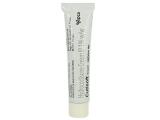
Cortaid (hydrocortisone topical) is a mild corticosteroid cream indicated for the temporary relief of itching, redness, swelling, and inflammation associated with minor skin irritations, rashes, insect bites, contact dermatitis, and mild eczema. Hydrocortisone works by inducing lipocortin (annexin-1) synthesis, which inhibits phospholipase A2 and thereby reduces the production of inflammatory mediators such as prostaglandins and leukotrienes. It also suppresses the migration of inflammatory cells and stabilizes lysosomal membranes. When used as directed, Cortaid provides rapid relief from pruritus and calms inflamed skin without the need for a prescription.
Usual adult dose: Apply a thin film of Cortaid cream or ointment to the affected area 2 to 4 times daily. The product should be gently massaged into the skin until it disappears. Treatment is typically limited to a maximum of 7 days unless directed by a healthcare professional. For external use only; avoid contact with the eyes, mouth, and mucous membranes. Do not cover the treated area with bandages, waterproof diapers, or tight‑fitting clothing unless specifically instructed by a physician, as occlusive dressings can significantly increase systemic absorption. If symptoms worsen or persist beyond one week, a medical evaluation is recommended.
Dosage form: Topical cream or ointment: 1% (each gram contains 10 mg of hydrocortisone). Available in a 15 g tube. Some formulations also offer a 0.5% strength.
Onset of action: Symptomatic relief from itching and burning is often felt within minutes to a few hours after application. Visible reduction of redness and swelling typically improves over 1 to 3 days of consistent use.
Duration of action: The local anti‑inflammatory effect persists for several hours, supporting application up to 4 times daily. As a short‑term symptom controller, treatment should be discontinued once the skin irritation resolves.
Alcohol recommendation: There is no known direct systemic interaction between topical hydrocortisone and alcoholic beverages. However, excessive alcohol consumption may compromise overall skin health and wound healing, potentially delaying recovery from the underlying skin condition.
Most common side effects: Mild, transient burning, stinging, itching, dryness, or redness at the site of application. These reactions are usually of short duration and resolve with continued use. Prolonged use, application to large areas of the body, or use under occlusive dressings can increase the risk of systemic absorption, potentially leading to reversible hypothalamic‑pituitary‑adrenal (HPA) axis suppression, Cushingoid features, hyperglycemia, and glucosuria. Cortaid should not be used on the face, groin, or axillae without medical advice, as these areas are more prone to steroid‑induced skin thinning. It is not recommended for diaper rash or for use in children under 2 years of age unless directed by a physician. If the treated area becomes infected or if a rash develops, the product should be discontinued and a healthcare professional consulted.
Would you like to try Cortaid (Hydrocortisone topical) without a prescription?
Buy Generic Cortaid (Hydrocortisone topical) without prescription in Canada
At our pharmacy, you can buy Cortaid without a prescription, with discreet and anonymous packaging delivered within 5-14 days across Canada.
What is Cortaid?
Cortaid is a topical corticosteroid cream that calms irritated, itchy, and inflamed skin. The active ingredient is hydrocortisone, a mild steroid that works by telling the immune cells in your skin to stop releasing the chemicals that cause redness, swelling, and itching. It's the go-to treatment for insect bites, mild eczema, contact dermatitis from poison ivy, seborrheic dermatitis, and simple dry, itchy rashes. It doesn't cure the underlying problem, but it breaks the itch-scratch cycle fast enough to let the skin heal.
Hydrocortisone is the gentlest of the topical steroids. It's available over the counter in 0.5% and 1% strengths. Cortaid typically comes as a 1% cream, which is strong enough to handle most minor skin irritations but safe enough to use on the face or in skin folds for short periods. The 15 g tube is a convenient size for a single rash or to keep in a first-aid kit. Relief usually starts within minutes to hours as the steroid is absorbed, though visible healing of the skin takes a few days.
Mechanism and Pharmacology
Hydrocortisone binds to glucocorticoid receptors inside skin cells, keratinocytes, fibroblasts, and inflammatory cells. The activated receptor moves into the nucleus and interferes with transcription factors like NF-kB. This shuts down the production of inflammatory proteins: prostaglandins, leukotrienes, and cytokines like interleukin-1. At the same time, it stabilizes the membranes of lysosomes inside the cells, preventing the release of enzymes that would damage surrounding tissue. Blood vessels in the area constrict, reducing redness and swelling. The itch quiets because the nerves are no longer being bombarded by histamine and other pruritic signals.
Because it's a low-potency corticosteroid, the risk of systemic absorption is minimal when used on small areas of intact skin. Even when absorbed, the drug is quickly broken down in the liver and excreted. The 15 g tube contains a cream base that moisturizes the skin while the steroid does its job. This combination of immediate soothing and lasting anti-inflammatory effect makes it a first-line home treatment for many common rashes.
How to Use Cortaid
Wash the affected area with mild soap and water and pat it dry. Apply a thin film of the cream and rub it in gently. Do this 1 to 4 times a day, depending on how angry the rash is. For most itchy rashes, twice a day is plenty. Do not cover the area with a tight bandage or plastic wrap unless your doctor tells you to. Occlusion increases the potency and can push the mild steroid into behaving like a strong one, causing skin thinning.
Use it for only as long as the rash persists, usually no more than 7 days on the face or sensitive areas, and not more than 2 weeks on the body unless a doctor is guiding you. If the rash is not better after a week, or if it gets worse, stop and see a doctor. It might be infected or need a different treatment. Cortaid is not for diaper rash, fungal infections like ringworm, or bacterial infections like impetigo. Putting a steroid on an infection masks the symptoms while the germs spread.
If you miss an application, just put it on when you remember. There's no need to double up.
Side Effects of Cortaid
Used correctly on small areas, side effects are rare. You might feel a mild sting or burn when you first apply it, especially on broken skin. This passes quickly. Long-term or widespread use can cause the skin to thin, develop stretch marks, or bruise easily. The face, armpits, and groin absorb the drug more readily and are more vulnerable to thinning. Don't use it on these areas for longer than a week without medical advice.
Allergic contact dermatitis to the cream base or the preservative is uncommon but possible. If the rash spreads, becomes intensely itchy, or blisters, stop the cream and consult a doctor. Hydrocortisone cream is not absorbed into the bloodstream in amounts that would cause the internal side effects of oral steroids like prednisone. You won't get a moon face or high blood pressure from a pea-sized dab on a bug bite.
High-Risk Groups (Elderly, Pregnancy)
Pregnancy. Hydrocortisone cream is considered safe during pregnancy. The amount that gets through the skin is negligible, and decades of over-the-counter use have not shown an increased risk of birth defects. It's a first-line treatment for mild pregnancy-related rashes like PUPPP. As always, use the smallest amount needed and only for short periods. Do not use it on the breasts before nursing; wash the area first.
Breastfeeding is safe. Even if applied to the nipple area for dermatitis, it should be washed off before the baby feeds, not because it's dangerous, but because the baby shouldn't swallow the cream.
Elderly skin is already thin and fragile. Use Cortaid sparingly and for the shortest time possible. Don't use it routinely for chronic dry skin; a good moisturizer is a better long-term solution. If an older person has a persistent itchy rash, it's worth seeing a doctor to rule out scabies, shingles, or other conditions that a steroid alone won't fix.
Children absorb more of the drug through their skin relative to their body weight. Stick to the 0.5% strength for babies and toddlers, and only use it for a few days. Never use it on a diaper rash without a doctor's approval. If a diaper rash is caused by yeast, a steroid will make it worse.
Interaction With Activities (Driving, Alcohol)
Cortaid is a cream you put on your skin. It doesn't make you drowsy or dizzy, and you can drive and drink alcohol as you normally would. There are no restrictions. If the itching was keeping you awake, treating it might actually help you sleep and be more alert the next day. Just avoid getting the cream in your eyes.
Drug Interactions
There are no known systemic drug interactions with over-the-counter topical hydrocortisone. You can safely use it alongside any oral medication. Don't mix it with other topical products on the same area of skin without asking a pharmacist. Putting a steroid cream under another thick ointment can increase its strength and lead to skin thinning. If you need to use multiple skin treatments, space them out by at least 30 minutes.
Alternative Options
Cortaid works for mild inflammation. If your skin needs something else, here's what to look for.
Antihistamine creams (like Benadryl cream) numb the itch directly, but they can cause allergic reactions themselves and should not be used for more than a few days. Calamine lotion is a classic for poison ivy and chickenpox; it dries out weeping blisters but doesn't reduce inflammation as well as a steroid. Moisturizers with ceramides are the real solution for chronic eczema; they repair the skin barrier so you need less steroid. Stronger prescription steroids (like betamethasone or mometasone) are for severe, thick-skinned areas like hands and feet, but they are too strong for the face or groin. Topical calcineurin inhibitors (tacrolimus, pimecrolimus) are non-steroid prescription creams that calm eczema without thinning the skin, useful for long-term management of sensitive areas.
INN, Brand Names, and Classification in Canada
INN (International Nonproprietary Name): Hydrocortisone (topical)
Available brand names in Canada: Cortate (1% cream), Cortaid (1% cream), and generic hydrocortisone cream 0.5% and 1%
ATC code: D07AA02
Forms and strengths: Cream 1% in 15 g, 30 g tubes; also available as 0.5% cream and ointment
Manufacturers: Johnson & Johnson Inc., Bayer Inc., and diverse generic manufacturers including Teva Canada and Apotex
Registration status in Canada: Registered
Classification: Over-the-counter (OTC)
Frequently Asked Questions
Can I use Cortaid on my face?
Yes, for a few days. The skin on your face is thin and absorbs the steroid more easily, so don't use it for more than a week unless your doctor says it's okay. Avoid the eyelids. If you're treating something like perioral dermatitis, a steroid cream can make it worse, so get the rash diagnosed first.
Does Cortaid treat fungal infections?
No. It might make the itching feel better for a little while, but the fungus will thrive under the suppressed immune response. Ringworm, jock itch, and yeast infections need an antifungal cream. Using a steroid alone will make them spread.
Is 15 g enough?
For a few bug bites or a small patch of eczema, yes. A 15 g tube will last several weeks if you're treating a small area twice a day. If you need to cover a large part of your body, a bigger tube or a stronger prescription steroid might be more practical.
Can I use it for acne?
No. Steroid creams can cause or worsen acne. They might temporarily reduce the redness of a big pimple, but they don't treat the clogged pore or the bacteria, and they can lead to steroid acne or perioral dermatitis with continued use.
Can I use it on my dog?
Hydrocortisone cream can be used on dogs for hot spots and minor itching, but you must prevent them from licking it off. Always check with your vet first. Some dog rashes are infections that steroids will hide and worsen.
Delivery Information Across Canada
We ship Cortaid and generic hydrocortisone cream to all provinces and territories. Delivery times vary depending on how remote your location is:
- Ontario (Toronto, Ottawa, Mississauga): 5 to 7 days
- Quebec (Montreal, Quebec City, Laval): 5 to 7 days
- British Columbia (Vancouver, Victoria, Burnaby): 5 to 9 days
- Alberta (Calgary, Edmonton, Red Deer): 5 to 9 days
- Manitoba (Winnipeg, Brandon): 5 to 9 days
- Saskatchewan (Saskatoon, Regina): 5 to 9 days
- Nova Scotia (Halifax, Sydney): 5 to 9 days
- New Brunswick (Moncton, Fredericton): 5 to 9 days
- Newfoundland and Labrador (St. John's, Corner Brook): 7 to 14 days
- Prince Edward Island (Charlottetown): 7 to 14 days
- Yukon, Northwest Territories, Nunavut: 7 to 14 days
All shipments are packed discreetly with no branding or indication of contents on the outside.


| Shipping method | Delivery time | Price | |
 Delivery Delivery |
14-21 days | 14.95$ | Tracking# available in 4 days |
 Delivery Delivery |
9-14 days | 30$ | Tracking# available in 2 days |
- Shipping worldwide
- Confidentiality and anonymity guarantee
- Safe and secure
- Discrete looking packages
- Dispatch orders within 24 hours
- 100% success delivery


