


 Secure and Reliable
  High quality
  Worldwide shipping
  Bonuses and Discounts
  Money back Guarantee
 - Bestsellers
- Alcoholism
- COVID-19
- Allergy
- Anti Fungal
- Alzheimers
- Anti Viral
- Anti-Depressants
- Anti-Inflammatory
- Antibacterial
- Antiparasitic
- Antibiotics
- Arthritis
- Asthma
- Birth Control
- Blood Pressure
- Cancer
- Cardiovascular
- Cholesterol
- Diabetes
- Diuretics
- Erectile Dysfunction
- Eye Drop
- Gastro Health
- General Health
- Hair Loss
- Hepatitis C Virus (HCV)
- HIV
- Hormones
- Men's ED Packs
- Men's Health
- Mental Illness
- Motion Sickness
- Muscle Relaxant
- Pain Relief
- Parkinson’s Disease
- Veterinary Medicines
- Quit Smoking
- Vitamins
- Skin Care
- Sleeping Aids
- Weight Loss
- Women's Health
Generic Cymbalta ( Duloxetine )
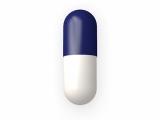
Buy Generic Cymbalta (Duloxetine) without prescription in Canada
In our Canadian pharmacy, you can buy Cymbalta (Duloxetine) without a prescription, with delivery across Canada within 5‑14 days. Discreet and anonymous packaging.
Cymbalta (duloxetine hydrochloride) is a serotonin and norepinephrine reuptake inhibitor (SNRI) antidepressant used to treat major depressive disorder, generalised anxiety disorder, and several chronic pain conditions. It works by increasing the levels of serotonin and norepinephrine, two key neurotransmitters in the brain and spinal cord, which helps improve mood, relieve anxiety, and reduce the perception of pain. This dual action makes it particularly useful for patients whose depression or anxiety is accompanied by physical pain, such as fibromyalgia, diabetic peripheral neuropathy, or chronic musculoskeletal pain.
Usual adult dose: For major depressive disorder, the recommended starting dose is 40 mg to 60 mg per day, taken either as a single daily dose or as 20 mg or 30 mg twice daily. For generalised anxiety disorder, the starting dose is 60 mg once daily. For diabetic peripheral neuropathic pain, fibromyalgia, and chronic musculoskeletal pain, the recommended dose is 60 mg once daily, although some patients may start at 30 mg once daily for the first week to improve tolerability. Doses above 60 mg per day have not been shown to provide additional benefit for most indications and are associated with a higher rate of side effects. The maximum recommended dose is 120 mg per day for depression and anxiety.
Dosage form: Delayed‑release capsules available in 20 mg, 30 mg, 40 mg, and 60 mg strengths. The capsules should be swallowed whole and not crushed, chewed, or opened.
Onset of action: Some improvement in sleep, energy, or appetite may occur within the first 1 to 2 weeks of treatment. For depression and anxiety, the full therapeutic effect typically requires 4 to 8 weeks of continuous therapy. Pain relief may begin within the first week of treatment for neuropathic conditions.
Duration of action: The elimination half‑life of duloxetine is approximately 12 hours (range 8 to 17 hours), supporting once‑daily or twice‑daily dosing. Steady‑state plasma concentrations are typically achieved after 3 days of regular administration.
Alcohol recommendation: Alcohol consumption should be avoided during treatment with Cymbalta. Duloxetine alone can increase liver enzymes, and combining it with alcohol, particularly heavy or chronic alcohol use, significantly increases the risk of severe liver injury. Patients with substantial alcohol use should not be prescribed duloxetine.
Most common side effects: Nausea, dry mouth, drowsiness, fatigue, constipation, decreased appetite, increased sweating, and dizziness. Nausea is the most frequently reported side effect and is typically mild to moderate, often diminishing after the first week or two of treatment. Sexual dysfunction, including decreased libido and delayed ejaculation, may also occur.
Would you like to try Cymbalta (Duloxetine) without a prescription?
General Information about Cymbalta (Duloxetine)
- INN (International Nonproprietary Name): Duloxetine (as duloxetine hydrochloride).
- Brand names available in Canada: Cymbalta® (Eli Lilly Canada Inc., although the brand is now cancelled post‑market). Generic versions are widely available and include APO‑Duloxetine (Apotex Inc.), TEVA‑Duloxetine (Teva Canada Limited), Sandoz Duloxetine (Sandoz Canada Inc.), PMS‑Duloxetine (Pharmascience Inc.), AURO‑Duloxetine (Auro Pharma Inc.), JAMP‑Duloxetine (JAMP Pharma Corporation), M‑Duloxetine (Mantra Pharma Inc.), MAR‑Duloxetine (Marcan Pharmaceuticals Inc.), MINT‑Duloxetine (Mint Pharmaceuticals), NRA‑Duloxetine (Nora Pharma Inc.), RAN‑Duloxetine (Ranbaxy Pharmaceuticals Canada Inc.), and Sanis Duloxetine (Sanis Health Inc.).
- ATC code: N06AX21.
- Dosage forms and strengths: Delayed‑release (enteric‑coated) capsules: 20 mg, 30 mg, 40 mg, and 60 mg. The 20 mg and 40 mg strengths are also used for stress urinary incontinence in some jurisdictions, though that indication is not approved in Canada.
- Manufacturers in Canada: Eli Lilly Canada Inc. (original brand Cymbalta, now cancelled post‑market), Apotex Inc., Teva Canada Limited, Sandoz Canada Inc., Pharmascience Inc., Auro Pharma Inc., JAMP Pharma Corporation, Mantra Pharma Inc., Marcan Pharmaceuticals Inc., Mint Pharmaceuticals, Nora Pharma Inc., Ranbaxy Pharmaceuticals Canada Inc., Sanis Health Inc., and other generic manufacturers.
- Registration status in Canada: Approved by Health Canada. The original brand Cymbalta received its Notice of Compliance on November 1, 2007. Multiple generic formulations are currently marketed and available by prescription.
- OTC / Rx classification: Prescription only (Rx). Schedule I drug under the Controlled Drugs and Substances Act.
Mechanism of Action and Pharmacology
Duloxetine is a selective serotonin and norepinephrine reuptake inhibitor (SNRI). Its primary mechanism of action is the potent inhibition of the presynaptic reuptake of serotonin (5‑hydroxytryptamine, 5‑HT) and norepinephrine (NE) by blocking the serotonin transporter (SERT) and norepinephrine transporter (NET) respectively. This inhibition increases the synaptic concentrations of these monoamine neurotransmitters, thereby enhancing monoaminergic neurotransmission in brain regions associated with mood regulation, anxiety, and pain perception. Duloxetine has a relatively balanced affinity for SERT and NET, with a serotonin‑to‑norepinephrine affinity ratio of approximately 10:1, which provides consistent noradrenergic effects at all therapeutic doses. This balanced reuptake inhibition is thought to underpin its efficacy in both depression and chronic pain conditions.
In addition to its effects on mood, duloxetine enhances the activity of noradrenergic and serotonergic neurons in the descending spinal pain pathway. These descending neurons inhibit the activity of dorsal horn neurons in the spinal cord, suppressing excessive pain input from reaching the brain. A deficiency in these inhibitory signals is hypothesised to result in excess input reaching the brain, which is perceived as pain. Duloxetine restores these inhibitory signals, providing relief from neuropathic and chronic pain. Duloxetine also increases dopamine levels specifically in the prefrontal cortex, an area heavily involved in depression. This increase occurs because norepinephrine transporters have a significant affinity for dopamine, and blocking these transporters in the prefrontal cortex—where dopamine transporters are scarce—leads to a localised increase in dopamine.
Duloxetine demonstrates minimal affinity for histaminergic (H1), muscarinic cholinergic, alpha‑1 adrenergic, and dopaminergic (D2) receptors, which contributes to its relatively favourable side‑effect profile compared with older tricyclic antidepressants.
Following oral administration, duloxetine is well absorbed, although there is a median 2‑hour lag until absorption begins. Maximal plasma concentrations occur approximately 6 hours after dosing. The absolute bioavailability averages approximately 50% (range 32‑80%) due to extensive first‑pass metabolism. Food does not significantly affect the peak concentration but may delay the time to reach peak concentration by approximately 2 hours and modestly decrease the extent of absorption (approximately 11%). Duloxetine is extensively metabolised in the liver, primarily by cytochrome P450 1A2 (CYP1A2) and to a lesser extent by CYP2D6. The major metabolites are glucuronide and sulphate conjugates of 4‑hydroxy duloxetine, which are pharmacologically inactive. The elimination half‑life is approximately 12 hours (range 8 to 17 hours), and its pharmacokinetics are dose‑proportional over the therapeutic range. Steady‑state plasma concentrations are typically achieved after 3 days of regular administration. Duloxetine is highly protein‑bound (greater than 90%), primarily to albumin and alpha‑1 acid glycoprotein. Approximately 70% of a dose is excreted in the urine as metabolites, and 20% is eliminated in the faeces.
Indications
- Major Depressive Disorder (MDD): For the treatment of major depressive disorder in adults. Efficacy has been demonstrated in short‑term trials of 8 to 9 weeks and in maintenance studies of up to 6 months.
- Generalised Anxiety Disorder (GAD): For the treatment of generalised anxiety disorder in adults. Efficacy has been demonstrated in short‑term trials of up to 10 weeks and in maintenance studies of up to 6 months.
- Diabetic Peripheral Neuropathic Pain (DPNP): For the management of neuropathic pain associated with diabetic peripheral neuropathy in adults. Duloxetine is one of only two antidepressants (along with amitriptyline) with a Health Canada approved indication for neuropathic pain.
- Fibromyalgia: For the management of pain associated with fibromyalgia in adults.
- Chronic Musculoskeletal Pain: For the management of chronic low back pain and chronic pain due to osteoarthritis of the knee in adults.
- Duloxetine is not approved for use in children and adolescents under 18 years of age for depression, although Health Canada has approved it for GAD in paediatric patients aged 7 years and older in some formulations. It should not be used in patients with uncontrolled narrow‑angle glaucoma.
Important Warnings and Precautions
At‑risk groups
- Pregnancy: There are no adequate and well‑controlled studies of duloxetine in pregnant women. Duloxetine should be used during pregnancy only if the potential benefit clearly outweighs the potential risk to the foetus. Neonates exposed to serotonergic antidepressants late in the third trimester may develop complications requiring prolonged hospitalisation, respiratory support, and tube feeding. There is a potential for increased risk of postpartum hemorrhage with drugs that affect serotonin reuptake.
- Breastfeeding: Duloxetine is excreted in human breast milk. A decision must be made whether to discontinue breastfeeding or to discontinue the drug, taking into account the importance of the medication to the mother.
- Paediatrics (< 18 years): Safety and efficacy in children and adolescents for major depressive disorder have not been established. Antidepressants increase the risk of suicidal thinking and behaviour in children, adolescents, and young adults in short‑term studies. Duloxetine is not officially approved by Health Canada for use in children and adolescents for depression, although physicians may prescribe it off‑label when the potential benefits outweigh the risks.
- Elderly: No dose adjustment is recommended based on age alone. However, elderly patients may be more sensitive to the adverse effects of duloxetine, including hyponatraemia, orthostatic hypotension, and an increased risk of falls. Caution is advised.
- Hepatic impairment: Duloxetine should not be used in patients with any degree of hepatic impairment, including those with substantial alcohol use, because of the risk of hepatic failure, sometimes fatal. Liver function tests should be assessed before initiating treatment and periodically during therapy.
- Renal impairment: Duloxetine is not recommended for patients with end‑stage renal disease (creatinine clearance < 30 mL/min) or those requiring haemodialysis. In patients with mild to moderate renal impairment (CrCl 30–80 mL/min), no dose adjustment is required, but a lower starting dose and gradual dose increase may be considered.
- Bipolar disorder: Screen for bipolar disorder, mania, and hypomania prior to starting treatment. Duloxetine may precipitate a manic or hypomanic episode in patients with undiagnosed bipolar disorder.
- Seizure disorders: Use with caution in patients who have a history of seizures. Duloxetine has not been systematically evaluated in patients with seizure disorders.
- Angle‑closure glaucoma: Duloxetine can cause pupillary dilation, which may trigger an acute attack of angle‑closure glaucoma in susceptible individuals. It is contraindicated in patients with uncontrolled narrow‑angle glaucoma.
- Cardiovascular disease: Duloxetine may increase blood pressure. Blood pressure should be monitored periodically, particularly in patients with pre‑existing hypertension, cardiovascular disease, or cerebrovascular disease.
- Hyponatraemia: Cases of hyponatraemia have been reported with serotonergic antidepressants, including duloxetine. Caution is advised in elderly patients, those taking diuretics, and those who are otherwise volume‑depleted.
- Abnormal bleeding: Duloxetine, like other serotonergic antidepressants, may increase the risk of bleeding events, including gastrointestinal and cutaneous bleeding. Caution is advised in patients taking anticoagulants or antiplatelet agents.
- Hepatotoxicity: Hepatic failure, sometimes fatal, has been reported in patients taking duloxetine. Cases presented as hepatitis with abdominal pain, hepatomegaly, and elevation of transaminase levels to more than twenty times the upper limit of normal, with or without jaundice. Duloxetine should be discontinued in patients who develop jaundice or other evidence of clinically significant liver dysfunction and should not be resumed unless another cause can be established.
- Serotonin syndrome: A potentially life‑threatening serotonin syndrome may occur with duloxetine, particularly when combined with other serotonergic drugs. Symptoms include mental status changes (agitation, confusion, coma), autonomic instability (hyperthermia, tachycardia, labile blood pressure, diaphoresis), neuromuscular abnormalities (hyperreflexia, myoclonus, rigidity, tremor), and gastrointestinal symptoms (nausea, vomiting, diarrhoea). Immediate medical attention is required.
- Suicidality: Antidepressants, including duloxetine, carry a boxed warning for an increased risk of suicidal thinking and behaviour in children, adolescents, and young adults aged 24 years and under during the first few months of treatment. All patients should be closely monitored for clinical worsening, suicidality, or unusual changes in behaviour.
- Discontinuation syndrome: Abrupt discontinuation of duloxetine may cause withdrawal symptoms including dizziness, nausea, headache, paraesthesia, vomiting, irritability, nightmares, insomnia, and anxiety. A gradual dose reduction is recommended when discontinuing treatment.
- Allergy: Do not take Cymbalta if you have a known hypersensitivity to duloxetine hydrochloride or any excipient in the formulation.
Driving and alcohol
Cymbalta may cause dizziness, drowsiness, and impaired cognitive and motor skills. Patients should be cautioned about driving or operating hazardous machinery until they are reasonably certain that duloxetine does not adversely affect their mental alertness and motor coordination. Alcohol consumption should be avoided during treatment with Cymbalta. Using duloxetine concomitantly with heavy alcohol intake may be associated with severe liver injury, and duloxetine should not be prescribed for patients with substantial alcohol use. Even moderate alcohol consumption may increase the risk of dizziness and drowsiness and may interfere with the effectiveness of the medication.
Dosage Instructions
- Major Depressive Disorder (Adults): The recommended initial dose is 40 mg to 60 mg per day, taken as a single dose or as 20 mg or 30 mg twice daily. Some patients may benefit from starting at 30 mg once daily for one week before increasing to 60 mg once daily, to improve tolerability. The target dose is 60 mg per day. There is no evidence that doses above 60 mg per day confer additional benefit. The maximum dose is 120 mg per day. Acute episodes generally require several months or more of sustained pharmacological therapy.
- Generalised Anxiety Disorder (Adults): The recommended starting dose is 60 mg once daily. Some patients may start at 30 mg once daily for one week before increasing to 60 mg once daily. The dose may be increased in increments of 30 mg once daily, up to a maximum of 120 mg per day. There is no evidence that doses above 60 mg per day confer additional benefit.
- Diabetic Peripheral Neuropathic Pain (Adults): The recommended dose is 60 mg once daily. Some patients may start at 30 mg once daily for one week before increasing to 60 mg once daily. There is no evidence that doses above 60 mg per day confer additional benefit. Efficacy beyond 12 weeks has not been established in controlled studies.
- Fibromyalgia (Adults): The recommended starting dose is 30 mg once daily for one week, then increase to 60 mg once daily. The target dose is 60 mg once daily. There is no evidence that doses above 60 mg per day confer additional benefit.
- Chronic Musculoskeletal Pain (Adults): The recommended starting dose is 30 mg once daily for one week, then increase to 60 mg once daily. The target dose is 60 mg once daily.
- Elderly: No dose adjustment based on age is generally required, but the lowest effective dose should be used, and caution is advised.
- Administration: Duloxetine delayed‑release capsules should be swallowed whole with a glass of water. They should not be crushed, chewed, or opened, as this may destroy the enteric coating that protects the drug from stomach acid. The capsules may be taken with or without food, although taking with food may reduce gastrointestinal upset.
- Missed dose: If a dose is missed, take it as soon as remembered on the same day. If it is close to the time of the next scheduled dose, skip the missed dose and resume the regular schedule. Do not double the dose.
- Discontinuation: Gradual dose reduction over at least 1 to 2 weeks is recommended when discontinuing duloxetine to minimise the risk of withdrawal symptoms.
Side Effects and Contraindications
- Very common side effects (≥ 10%): Nausea (23‑25%), dry mouth (13‑15%), headache (14%), somnolence (10‑11%), and fatigue (10‑11%).
- Common side effects (1‑10%): Dizziness (9‑10%), constipation (9‑10%), insomnia (9‑11%), decreased appetite (7‑9%), hyperhidrosis (increased sweating, 6‑7%), diarrhoea (6‑8%), vomiting (3‑5%), weight loss (2‑3%), and sexual dysfunction (decreased libido, erectile dysfunction, delayed ejaculation, anorgasmia; 4‑6%).
- Less common but serious side effects: Hepatotoxicity (hepatic failure, sometimes fatal), serotonin syndrome, abnormal bleeding (including gastrointestinal haemorrhage), hyponatraemia, orthostatic hypotension, syncope, tachycardia, hypertension, urinary retention, elevated liver enzymes (ALT/AST), jaundice, Stevens‑Johnson syndrome, and angle‑closure glaucoma. Activation of mania or hypomania may occur in patients with bipolar disorder.
- Discontinuation symptoms: Abrupt discontinuation may lead to dizziness, nausea, headache, paraesthesia, vomiting, irritability, nightmares, insomnia, and anxiety. A gradual dose taper is recommended.
- Contraindications: Hypersensitivity to duloxetine hydrochloride or any excipient in the formulation. Concomitant use with monoamine oxidase inhibitors (MAOIs), including linezolid and intravenous methylene blue. Starting duloxetine in a patient who is being treated with an MAOI, or within 14 days of discontinuing an MAOI. Starting an MAOI in a patient who is being treated with duloxetine, or within 5 days of discontinuing duloxetine. Uncontrolled narrow‑angle glaucoma. Substantial alcohol use. Any degree of hepatic impairment.
Drug Interactions
- Monoamine oxidase inhibitors (MAOIs) — contraindicated: Concomitant use of duloxetine with MAOIs, including linezolid and intravenous methylene blue, increases the risk of serotonin syndrome and is contraindicated. A 14‑day washout period is required before starting duloxetine after stopping an MAOI, and a 5‑day washout period is required before starting an MAOI after stopping duloxetine.
- Other serotonergic drugs: Concomitant use of duloxetine with other serotonergic agents increases the risk of serotonin syndrome. These include SSRIs, other SNRIs, tricyclic antidepressants, triptans, fentanyl, lithium, tramadol, buspirone, amphetamines, tryptophan, and St. John's wort. Monitor for symptoms of serotonin syndrome if co‑administration is clinically necessary.
- Strong CYP1A2 inhibitors: Fluvoxamine, ciprofloxacin, and enoxacin can significantly increase duloxetine plasma concentrations. Fluvoxamine increases duloxetine exposure approximately 6‑fold. Co‑administration of duloxetine with potent CYP1A2 inhibitors should be avoided.
- CYP2D6 inhibitors: Paroxetine, fluoxetine, bupropion, and quinidine can increase duloxetine plasma concentrations by approximately 60%. A dose reduction of duloxetine may be considered.
- Smoking (CYP1A2 inducer): Smoking reduces duloxetine AUC by approximately 33%. Smokers may require higher doses of duloxetine to achieve therapeutic effect. Conversely, smoking cessation may lead to increased duloxetine exposure and potential toxicity.
- CNS depressants: Alcohol, benzodiazepines, opioids, sedating antihistamines, and other central nervous system depressants may increase the sedative and psychomotor‑impairing effects of duloxetine.
- Anticoagulants and antiplatelet agents: Duloxetine may increase the risk of bleeding when co‑administered with warfarin, aspirin, clopidogrel, heparin, and NSAIDs. For patients taking warfarin, carefully monitor the international normalized ratio (INR).
- Drugs metabolised by CYP2D6: Duloxetine is a moderate inhibitor of CYP2D6 and may increase plasma concentrations of drugs metabolised by this enzyme, including tricyclic antidepressants (e.g., nortriptyline, amitriptyline, imipramine, desipramine), some antipsychotics (e.g., risperidone), and atomoxetine. Dose adjustments of these agents may be required.
- Antihypertensives: Duloxetine may increase blood pressure and could theoretically antagonise the effects of antihypertensive medications. Blood pressure should be monitored.
- Alcohol: Duloxetine should not be prescribed for patients with substantial alcohol use because of the increased risk of severe liver injury. Even moderate alcohol use increases the risk of dizziness and drowsiness.
Practical Advice
- Administration: Take Cymbalta exactly as prescribed by your doctor. Swallow the delayed‑release capsule whole with a glass of water; do not crush, chew, or open the capsule. The medication may be taken with or without food, but taking it with food may help reduce nausea, which is the most common side effect during the first week of treatment. Try to take it at the same time each day to maintain consistent blood levels.
- Monitoring: Regular follow‑up with your doctor is essential, particularly during the first weeks of treatment and after dosage changes. Blood pressure should be monitored periodically, especially in patients with pre‑existing hypertension. Liver function tests should be assessed before starting treatment and periodically during therapy. Patients should be monitored for clinical worsening, emergence of suicidal thoughts or behaviour, and unusual changes in mood or behaviour.
- Storage: Store at room temperature (15‑30 °C) in a dry place, protected from moisture and light. Keep out of the reach and sight of children.
- Lifestyle: Cymbalta is most effective when used as part of a comprehensive treatment plan that includes psychotherapy, lifestyle changes, and social support. Maintain a balanced diet and regular sleep schedule. Avoid alcohol, as it significantly increases the risk of liver damage. Do not drive or operate heavy machinery until you know how the medication affects you. Rising slowly from a sitting or lying position may help minimise dizziness.
- Missed dose: If you miss a dose, take it as soon as remembered on the same day. If it is close to the time of your next dose, skip the missed dose and resume your regular schedule. Do not double the dose.
- When to seek medical review: Contact your doctor immediately if you experience signs of liver injury (jaundice, dark urine, right upper abdominal pain, unexplained fatigue), serotonin syndrome (agitation, confusion, rapid heart rate, high fever, muscle rigidity, seizures), manic episode (extreme elation, racing thoughts, risk‑taking behaviour), abnormal bleeding, severe allergic reaction (rash, swelling of the face, tongue, or throat, difficulty breathing), or worsening depression with suicidal thoughts.
- Disposal: Return unused or expired medication to a pharmacy for safe disposal. Do not flush down the toilet or discard in household waste.
Alternative Medications
- Selective serotonin reuptake inhibitors (SSRIs): Sertraline (Zoloft), escitalopram (Cipralex), fluoxetine (Prozac), paroxetine (Paxil), and citalopram (Celexa) are first‑line antidepressants for major depressive disorder and generalised anxiety disorder. They have a more activating profile and are less likely to cause nausea, but they may carry a higher risk of sexual dysfunction and do not have the same broad analgesic effects as duloxetine.
- Venlafaxine (Effexor XR): Another SNRI that is a first‑line agent for depression and generalised anxiety disorder. Venlafaxine has a shorter half‑life and a higher risk of hypertension and discontinuation syndrome compared with duloxetine, but it may be more effective for some patients.
- Desvenlafaxine (Pristiq): An SNRI that is the active metabolite of venlafaxine. It has a more predictable pharmacokinetic profile and may be better tolerated than venlafaxine, but it does not have the same pain‑indication approvals as duloxetine.
- Milnacipran (Savella): An SNRI that is approved for the management of fibromyalgia, with a more balanced norepinephrine‑to‑serotonin reuptake inhibition ratio than duloxetine. It is not approved for depression in Canada.
- Tricyclic antidepressants (TCAs): Amitriptyline (Elavil) and nortriptyline (Aventyl) are effective for neuropathic pain and depression, but they have a higher burden of anticholinergic side effects, sedation, and cardiotoxicity in overdose. They are generally reserved for treatment‑resistant cases.
- Gabapentinoids: Gabapentin (Neurontin) and pregabalin (Lyrica) are first‑line anticonvulsants for neuropathic pain, fibromyalgia, and generalised anxiety disorder (pregabalin). They do not have the antidepressant effects of duloxetine but may be used as alternatives or adjuncts for pain conditions.
- Mirtazapine (Remeron): An atypical antidepressant with a different mechanism of action that provides sedation and appetite stimulation. It lacks the serotonergic side effects of duloxetine but does not have the same analgesic benefits.
- Bupropion (Wellbutrin): An activating antidepressant with a low incidence of sexual dysfunction and weight gain. It is not effective for anxiety disorders or chronic pain conditions and is not a suitable alternative for patients requiring pain relief.
- Non‑pharmacological approaches: Cognitive behavioural therapy (CBT), interpersonal therapy (IPT), and behavioural activation are evidence‑based psychotherapies for depression. For pain conditions, physiotherapy, graded exercise, acupuncture, and mindfulness‑based stress reduction can be helpful adjunctive measures.
Clinical Efficacy
The efficacy of duloxetine for the treatment of major depressive disorder has been established in multiple randomised, double‑blind, placebo‑controlled clinical trials. In short‑term studies of 8 to 9 weeks' duration, duloxetine 60 mg once daily produced a significantly greater reduction in the Hamilton Depression Rating Scale (HAM‑D17) total score compared with placebo. Response rates (defined as a ≥ 50% reduction in HAM‑D17) were approximately 45‑55% for duloxetine compared with 30‑35% for placebo. Duloxetine has also been shown to be effective in preventing relapse over a 6‑month maintenance period, with a significantly longer time to relapse compared with placebo.
For generalised anxiety disorder, duloxetine 60 mg to 120 mg once daily demonstrated significant improvement in the Hamilton Anxiety Rating Scale (HAM‑A) compared with placebo in short‑term studies of up to 10 weeks. A 2024 head‑to‑head meta‑analysis found that duloxetine was comparable in efficacy to other first‑line agents for GAD, including venlafaxine and pregabalin, with a similar overall tolerability profile.
For diabetic peripheral neuropathic pain, duloxetine 60 mg once daily produced a significant reduction in the weekly mean 24‑hour average pain severity score compared with placebo, with pain relief beginning as early as the first week of treatment. The number needed to treat (NNT) for a 50% reduction in pain intensity is approximately 6. Duloxetine is one of only two antidepressants (along with amitriptyline) with Health Canada approval for this indication.
For fibromyalgia, duloxetine 60 mg once daily demonstrated significant improvement in the Brief Pain Inventory (BPI) average pain severity score and the Patient Global Impression of Improvement (PGI‑I) compared with placebo in studies of up to 6 months' duration. For chronic musculoskeletal pain, including chronic low back pain and osteoarthritis knee pain, duloxetine 60 mg once daily significantly reduced pain severity and improved physical function compared with placebo.
The Canadian Network for Mood and Anxiety Treatments (CANMAT) 2023 clinical guidelines list duloxetine as a first‑line pharmacological treatment for major depressive disorder in adults, particularly for patients with comorbid pain conditions. Duloxetine is also recognised as a first‑line agent for generalised anxiety disorder. The Canadian Pain Society guidelines recommend duloxetine as a first‑line treatment for diabetic peripheral neuropathy and fibromyalgia.
Important:
Cymbalta (duloxetine) is a prescription medication that should be used only under the supervision of a qualified healthcare professional. It carries a boxed warning for an increased risk of suicidal thinking and behaviour in children, adolescents, and young adults under 24 years of age. All patients, regardless of age, should be closely monitored for clinical worsening, suicidality, or unusual changes in behaviour, particularly during the first few months of treatment and after dosage changes. Duloxetine can cause severe liver injury, which may be fatal, and should not be used in patients with hepatic impairment or those with substantial alcohol use. If you develop jaundice, dark urine, right upper abdominal pain, or unexplained fatigue, contact your doctor immediately. Do not discontinue this medication abruptly; a gradual taper is required to minimise the risk of withdrawal symptoms. A rare but potentially life‑threatening serotonin syndrome may occur, particularly when duloxetine is combined with other serotonergic drugs. If you experience agitation, confusion, rapid heart rate, high fever, muscle rigidity, or seizures, seek emergency medical attention immediately. Duloxetine is contraindicated with MAOIs; a 14‑day washout period is required before starting duloxetine after stopping an MAOI, and a 5‑day washout period is required before starting an MAOI after stopping duloxetine. Avoid alcohol completely during treatment. This information is not a substitute for professional medical advice, diagnosis, or treatment.


| Shipping method | Delivery time | Price | |
 Delivery Delivery |
14-21 days | 14.95$ | Tracking# available in 4 days |
 Delivery Delivery |
9-14 days | 30$ | Tracking# available in 2 days |
- Shipping worldwide
- Confidentiality and anonymity guarantee
- Safe and secure
- Discrete looking packages
- Dispatch orders within 24 hours
- 100% success delivery


