


 Secure and Reliable
  High quality
  Worldwide shipping
  Bonuses and Discounts
  Money back Guarantee
 - Bestsellers
- Alcoholism
- COVID-19
- Allergy
- Anti Fungal
- Alzheimers
- Anti Viral
- Anti-Depressants
- Anti-Inflammatory
- Antibacterial
- Antiparasitic
- Antibiotics
- Arthritis
- Asthma
- Birth Control
- Blood Pressure
- Cancer
- Cardiovascular
- Cholesterol
- Diabetes
- Diuretics
- Erectile Dysfunction
- Eye Drop
- Gastro Health
- General Health
- Hair Loss
- Hepatitis C Virus (HCV)
- HIV
- Hormones
- Men's ED Packs
- Men's Health
- Mental Illness
- Motion Sickness
- Muscle Relaxant
- Pain Relief
- Parkinson’s Disease
- Veterinary Medicines
- Quit Smoking
- Vitamins
- Skin Care
- Sleeping Aids
- Weight Loss
- Women's Health
Generic Darunavir
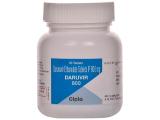
Buy Generic Darunavir () without prescription in Canada
In our Canadian pharmacy, you can buy Darunavir without a prescription, with delivery across Canada within 5‑14 days. Discreet and anonymous packaging.
Darunavir is a protease inhibitor (PI) used in combination with a low dose of ritonavir or cobicistat (as a pharmacokinetic booster) and other antiretroviral agents for the treatment of human immunodeficiency virus type 1 (HIV‑1) infection. It works by selectively binding to the active site of the HIV‑1 protease enzyme, preventing the cleavage of viral polyproteins into functional mature proteins, which results in the formation of immature, non‑infectious viral particles. Because of its high genetic barrier to resistance, darunavir is effective in both treatment‑naïve and treatment‑experienced adults and children, including those with virus that has reduced susceptibility to other protease inhibitors.
Usual adult dose: Darunavir must always be co‑administered with a pharmacokinetic booster. For treatment‑naïve patients or those with no darunavir resistance‑associated mutations, the recommended regimen is 800 mg (one 800 mg tablet) taken orally once daily, together with ritonavir 100 mg or cobicistat 150 mg once daily, with food. For treatment‑experienced patients with at least one darunavir resistance‑associated mutation, the recommended regimen is 600 mg (one 600 mg tablet) taken orally twice daily, together with ritonavir 100 mg twice daily, with food. The type and duration of therapy are individualized based on prior treatment history, resistance testing, and tolerability. The tablets must be swallowed whole and taken with a meal or a substantial snack to ensure adequate absorption.
Dosage form: Oral film‑coated tablets: 600 mg and 800 mg of darunavir (as darunavir ethanolate). Lower‑strength tablets (75 mg, 150 mg, 400 mg) and an oral suspension are also available for paediatric use and dose adjustment.
Onset of action: Significant reductions in plasma HIV‑1 RNA (viral load) are typically seen within the first 2 to 4 weeks of initiating combination antiretroviral therapy that includes darunavir. Maximal virologic suppression (viral load below the limit of detection) is usually achieved after 12 to 24 weeks of consistent daily dosing, depending on baseline viral load, immune status, and adherence.
Duration of action: Darunavir has a terminal elimination half‑life of approximately 15 hours when co‑administered with ritonavir, allowing once‑daily dosing in appropriate patients. The twice‑daily regimen is reserved for those with documented PI resistance to maintain therapeutic trough concentrations. The antiviral effect is sustained only with consistent intake; missed doses can lead to viral rebound and the development of drug resistance.
Alcohol recommendation: Alcohol consumption should be limited or avoided during treatment with Darunavir. Although there is no direct pharmacokinetic interaction, heavy alcohol intake can impair hepatic function, potentially increase the risk of hepatotoxicity, and interfere with medication adherence. Patients with pre‑existing liver disease or co‑infection with hepatitis B or C should abstain from alcohol.
Most common side effects: Diarrhoea, nausea, headache, and rash. The rash is usually mild to moderate and maculopapular, occurring in approximately 10% of patients; it typically resolves within 1‑2 weeks without discontinuation. Other common effects include vomiting, abdominal pain, dyspepsia, fatigue, and elevated liver enzymes. Serious adverse reactions include severe skin reactions such as Stevens‑Johnson syndrome and toxic epidermal necrolysis (rare), drug‑induced hepatitis, and immune reconstitution inflammatory syndrome (IRIS). Darunavir also has significant drug‑drug interactions because it is a potent inhibitor and substrate of cytochrome P450 3A4 (CYP3A4); careful review of concomitant medications is mandatory.
Would you like to try Darunavir without a prescription?
General Information about Darunavir
- INN (International Nonproprietary Name): Darunavir (as darunavir ethanolate).
- Brand names available in Canada: Prezista® (Janssen Inc.) is the original brand‑name product. Generic versions are available and include APO‑Darunavir (Apotex Inc.), TEVA‑Darunavir (Teva Canada Limited), and other manufacturer‑branded generics. Darunavir is also a component of the fixed‑dose combinations Symtuza® (darunavir/cobicistat/emtricitabine/tenofovir alafenamide) and Rezolsta® (darunavir/cobicistat).
- ATC code: J05AE10 (darunavir; protease inhibitors).
- Dosage forms and strengths: Oral film‑coated tablets: 75 mg, 150 mg, 400 mg, 600 mg, and 800 mg of darunavir (as darunavir ethanolate). Oral suspension: 100 mg/mL. The 600 mg and 800 mg tablets are the standard adult doses for twice‑daily and once‑daily regimens, respectively.
- Manufacturers in Canada: Janssen Inc. (Prezista), Apotex Inc., Teva Canada Limited, and other generic manufacturers.
- Registration status in Canada: Approved by Health Canada. Prezista received its Notice of Compliance on July 24, 2006. DINs: 02290919 (Prezista 600 mg), 02300088 (Prezista 800 mg), among others. Generic formulations are currently marketed and available by prescription.
- OTC / Rx classification: Prescription only (Rx). Schedule I drug under the Controlled Drugs and Substances Act. Darunavir must be prescribed by a licensed Canadian healthcare professional experienced in the management of HIV infection.
Mechanism of Action and Pharmacology
Darunavir is a selective, competitive inhibitor of the HIV‑1 protease enzyme. The HIV‑1 protease is responsible for the post‑translational cleavage of the Gag and Gag‑Pol polyproteins into the structural and enzymatic proteins that are essential for the production of mature, infectious viral particles. By binding to the active site of the protease enzyme, darunavir prevents this cleavage, leading to the formation of immature, non‑infectious virions. Darunavir was designed to have a high affinity for the protease active site and to retain activity against many HIV‑1 variants that are resistant to older protease inhibitors. It is active against a broad range of HIV‑1 group M (subtypes A through H) and group O primary isolates.
Darunavir is a substrate and a potent inhibitor of cytochrome P450 3A4 (CYP3A4). To achieve therapeutic plasma concentrations and overcome extensive first‑pass and systemic metabolism, darunavir must be co‑administered with a pharmacokinetic enhancer (booster), most commonly ritonavir or cobicistat, both of which are strong CYP3A4 inhibitors. Ritonavir-boosted darunavir (DRV/r) has a bioavailability of approximately 82% when taken with food. The peak plasma concentration is reached approximately 2.5–4 hours after dosing. Darunavir is approximately 95% bound to plasma proteins, primarily to alpha‑1‑acid glycoprotein. The elimination half‑life of darunavir when boosted with ritonavir is approximately 15 hours, permitting once‑daily dosing in treatment‑naïve patients or those with no darunavir resistance‑associated mutations. In patients with pre‑existing PI resistance, twice‑daily dosing is necessary to maintain inhibitory trough concentrations. Darunavir is metabolised primarily by CYP3A4, and its metabolites are excreted mainly in the faeces (79.5%) and urine (13.9%). The pharmacokinetics are significantly affected by food; taking the drug with a meal increases the area under the curve (AUC) and maximum concentration (Cmax) by approximately 30%, so it must be taken with food.
Indications
- Treatment of human immunodeficiency virus type 1 (HIV‑1) infection in adults and paediatric patients (aged 3 years and older, weighing at least 10 kg), in combination with ritonavir or cobicistat and other antiretroviral agents. Darunavir is effective for both treatment‑naïve and treatment‑experienced patients, including those with documented resistance to other protease inhibitors.
- Darunavir is not a cure for HIV‑1 infection or AIDS. It does not reduce the risk of transmitting HIV to others. Patients must continue to practise safe sex and other precautions.
Important Warnings and Precautions
At‑risk groups
- Pregnancy: Darunavir boosted with ritonavir or cobicistat is recommended as an alternative or preferred protease inhibitor in antiretroviral regimens for pregnant women with HIV‑1, according to Canadian and international guidelines. Pregnancy exposure registry data have not shown an increased risk of major birth defects. However, during pregnancy, the standard once‑daily dose of 800/100 mg darunavir/ritonavir results in lower total and trough darunavir concentrations compared with the non‑pregnant state; twice‑daily dosing (600/100 mg) is therefore recommended, particularly during the second and third trimesters, to ensure adequate viral suppression. Dosing should be managed by an HIV specialist. Women of childbearing potential should use effective contraception.
- Breastfeeding: Darunavir is excreted in human breast milk in low concentrations. In Canada, HIV‑infected women are advised not to breastfeed, irrespective of antiretroviral therapy, to avoid postnatal transmission of HIV to the infant. Breastfeeding is contraindicated.
- Paediatrics: Safety and efficacy have been established in children aged 3 years and older and weighing at least 10 kg. Dosing is weight‑based and must be determined by an HIV specialist. The 600 mg and 800 mg tablets are for adults and adolescents ≥ 40 kg; lower‑strength tablets and the oral suspension are used for smaller children.
- Elderly: No specific dose adjustment is required based on age alone. However, elderly patients are more likely to have decreased hepatic, renal, or cardiac function, and concomitant disease or drug therapy; they should be monitored carefully.
- Hepatic impairment: Darunavir is primarily metabolised by the liver. No dose adjustment is required in patients with mild to moderate hepatic impairment (Child‑Pugh A or B). The safety and efficacy of darunavir have not been established in patients with severe hepatic impairment (Child‑Pugh C); use is contraindicated in this population. Liver function tests should be monitored before and during therapy, especially in patients with pre‑existing liver disease, hepatitis B or C co‑infection, or those taking other hepatotoxic medications.
- Renal impairment: Darunavir and ritonavir are highly protein‑bound and are minimally cleared by renal excretion. No dose adjustment is required for patients with renal impairment, including those with end‑stage renal disease on haemodialysis. However, the booster ritonavir or cobicistat may require adjustment in renal impairment, particularly cobicistat which is not recommended with CrCl < 70 mL/min when co‑administered with tenofovir disoproxil fumarate. For darunavir/cobicistat fixed‑dose combination, refer to the product monograph.
- Severe skin reactions: Darunavir contains a sulfonamide moiety and has been associated with severe and potentially life‑threatening skin reactions, including Stevens‑Johnson syndrome, toxic epidermal necrolysis, drug reaction with eosinophilia and systemic symptoms (DRESS), and acute generalised exanthematous pustulosis (AGEP). A mild‑to‑moderate maculopapular rash is common (approximately 10%) during the first weeks of therapy and usually resolves with continued dosing. However, if a severe skin reaction develops, darunavir should be discontinued immediately and not restarted.
- Hepatotoxicity: Drug‑induced hepatitis, including elevated transaminases and hepatic failure, has been reported with darunavir, particularly in patients with advanced HIV disease, pre‑existing liver disease, or co‑infection with hepatitis B or C. Liver function should be monitored at baseline and periodically during treatment. If significant liver injury develops, darunavir should be interrupted or discontinued.
- Immune Reconstitution Inflammatory Syndrome (IRIS): During the initial phase of combination antiretroviral therapy, patients responding to treatment may develop an inflammatory response to indolent or residual opportunistic infections, which may necessitate further evaluation and treatment. Autoimmune disorders (such as Graves’ disease, polymyositis, and Guillain‑Barré syndrome) have also been reported in the setting of immune reconstitution.
- Drug interactions: Darunavir is a potent inhibitor of CYP3A4 and, to a lesser extent, CYP2D6. It is also a substrate of CYP3A4. Co‑administration with other drugs that are substrates, inhibitors, or inducers of CYP3A4 can result in clinically significant drug interactions, leading to increased toxicity or reduced therapeutic efficacy of the co‑administered drug. A complete medication review is essential before and during darunavir therapy.
- Haemophilia: Increased bleeding, including spontaneous skin haematomas and haemarthrosis, has been reported in patients with haemophilia type A and B treated with protease inhibitors. Such patients should be made aware of this potential effect, and factor VIII or IX replacement therapy should be readily available.
- Diabetes mellitus and hyperglycaemia: New‑onset diabetes mellitus, exacerbation of pre‑existing diabetes, and hyperglycaemia have been reported in patients receiving protease inhibitors. Blood glucose should be monitored, and appropriate therapy initiated if needed.
- Lipodystrophy and metabolic abnormalities: Combination antiretroviral therapy, including darunavir, has been associated with body fat redistribution (lipodystrophy), including central obesity, dorsocervical fat enlargement (buffalo hump), peripheral wasting, breast enlargement, and cushingoid appearance. Lipid and glucose levels should be monitored regularly.
- Allergy: Do not take Darunavir if you have a known hypersensitivity to darunavir, ritonavir, cobicistat, or any excipient in the tablet formulation.
Driving and alcohol
Darunavir may cause dizziness and fatigue, which could impair the ability to drive or operate machinery. Patients should be cautious until they know how the medication affects them. Alcohol should be limited or avoided, particularly in patients co‑infected with viral hepatitis or those with pre‑existing liver disease, because it can increase the risk of hepatotoxicity. Heavy alcohol use may also interfere with medication adherence.
Dosage Instructions
- Treatment‑naïve adults or treatment‑experienced adults with no darunavir resistance‑associated mutations: 800 mg (one 800 mg tablet) taken orally once daily, with food. Must be co‑administered with ritonavir 100 mg once daily or cobicistat 150 mg once daily.
- Treatment‑experienced adults with at least one darunavir resistance‑associated mutation: 600 mg (one 600 mg tablet) taken orally twice daily, with food. Must be co‑administered with ritonavir 100 mg twice daily. Cobicistat is not recommended for twice‑daily dosing of darunavir.
- Pregnant women: For treatment‑naïve or treatment‑experienced pregnant women, twice‑daily dosing (600 mg with ritonavir 100 mg twice daily) is recommended during the second and third trimesters, as once‑daily dosing results in lower darunavir exposure. Dosing should be managed by an HIV specialist. After delivery, the patient may be switched back to an appropriate regimen based on resistance profile.
- Paediatric patients (≥ 3 years, ≥ 10 kg): Dosing is weight‑based and must be individualised. The 600 mg and 800 mg tablets are for patients weighing ≥ 40 kg. For children weighing less than 40 kg, lower‑strength tablets or the oral suspension should be used. The total daily dose must be administered with ritonavir boosting and should be taken with food. Consult the product monograph or a paediatric HIV specialist.
- Administration: Swallow the tablet whole with a glass of water. Do not crush, chew, or split the tablet. Darunavir must be taken with food—a meal or a substantial snack containing at least 20 grams of fat—to ensure adequate absorption. The booster (ritonavir or cobicistat) must be taken at the same time as the darunavir tablet. Patients should establish a routine to take their medications at approximately the same time each day. Adherence to the prescribed regimen is critical to maintaining viral suppression and preventing the development of drug resistance.
- Missed dose: If a dose is missed by less than 6 hours for the once‑daily regimen or by less than 4 hours for the twice‑daily regimen, take it as soon as possible with food and the booster. If the missed dose is beyond these time windows, skip the missed dose and resume the regular schedule. Do not double the dose.
Side Effects and Contraindications
- Very common side effects (≥ 10%): Diarrhoea, nausea, and headache.
- Common side effects (1‑10%): Vomiting, abdominal pain or distension, dyspepsia, fatigue, rash (maculopapular, usually mild to moderate and self‑limiting), and elevated liver enzymes (ALT/AST).
- Less common but serious side effects: Severe skin reactions (Stevens‑Johnson syndrome, toxic epidermal necrolysis, DRESS, AGEP). Drug‑induced hepatitis and hepatic failure. Immune reconstitution inflammatory syndrome (IRIS). Pancreatitis (rare). New‑onset or worsening diabetes mellitus and hyperglycaemia. Lipodystrophy and metabolic abnormalities (dyslipidaemia, hypertriglyceridaemia, insulin resistance). Increased bleeding in haemophiliacs.
- Laboratory abnormalities: Increases in serum triglycerides, total cholesterol, and low‑density lipoprotein (LDL) cholesterol. Elevations in ALT, AST, and creatine phosphokinase (CPK). Hyperglycaemia. Periodic monitoring of liver function, lipid profile, and blood glucose is recommended.
- Contraindications: Known hypersensitivity to darunavir, ritonavir, cobicistat, or any excipient in the tablet formulation. Severe hepatic impairment (Child‑Pugh C). Co‑administration with drugs that are highly dependent on CYP3A4 for clearance and for which elevated plasma concentrations are associated with serious and/or life‑threatening events (e.g., alfuzosin, cisapride, colchicine [in patients with renal or hepatic impairment], ergot derivatives, lovastatin, simvastatin, lurasidone, pimozide, ranolazine, sildenafil [when used for pulmonary arterial hypertension], triazolam, oral midazolam). Co‑administration with strong CYP3A inducers that significantly reduce darunavir exposure and may lead to loss of virologic response (e.g., rifampicin, St. John’s wort). Breastfeeding in HIV‑infected women.
Drug Interactions
- Major interactions (contraindicated co‑administration): Alfuzosin, cisapride, colchicine (in renal/hepatic impairment), ergotamine and dihydroergotamine, lovastatin, simvastatin, lurasidone, pimozide, ranolazine, sildenafil (for PAH), triazolam, oral midazolam, and rifampicin. These drugs are substrates of CYP3A4 and can reach toxic levels when co‑administered with darunavir/ritonavir, leading to serious or life‑threatening events (e.g., QT prolongation, rhabdomyolysis, respiratory depression). Carbamazepine, phenobarbital, phenytoin, and St. John’s wort are strong CYP3A4 inducers that can reduce darunavir concentrations and lead to virologic failure; these combinations are contraindicated.
- Moderate interactions (dose adjustment and monitoring required): Warfarin (INR monitoring), atorvastatin (start with lowest dose and titrate), pravastatin (same), maraviroc (dose reduced to 150 mg twice daily when co‑administered with darunavir/ritonavir), voriconazole (not recommended unless benefit outweighs risk; consider therapeutic drug monitoring), budesonide and fluticasone (co‑administration may increase corticosteroid levels and cause Cushing’s syndrome; avoid unless benefit outweighs risk), quetiapine (reduce quetiapine dose), antiretrovirals (efavirenz, etravirine, nevirapine, rilpivirine—may require dose adjustment of the companion drug). Concomitant use with tenofovir disoproxil fumarate (TDF) increases tenofovir exposure; renal function should be monitored. Use with cobicistat‑containing regimens has additional interaction considerations.
- Hormonal contraceptives: Darunavir/ritonavir can reduce plasma concentrations of ethinyl estradiol and norethindrone. Women using combined oral contraceptives should be advised to use an additional or alternative non‑hormonal method of contraception (e.g., condoms). Progestin‑only contraceptives (e.g., depot medroxyprogesterone acetate) are not significantly affected and can be used.
- Narcotic analgesics: Darunavir/ritonavir can reduce plasma concentrations of methadone and buprenorphine. Patients should be monitored for opioid withdrawal symptoms, and methadone or buprenorphine dose may need to be increased.
- Other antiretroviral agents: No clinically significant interactions with dolutegravir, raltegravir, emtricitabine, lamivudine, abacavir, or enfuvirtide. Co‑administration with elvitegravir/cobicistat is not recommended because cobicistat is the booster for both drugs, and additive effects may occur.
- Food and alcohol: Must be taken with a meal or substantial snack. Alcohol should be limited or avoided, particularly in patients with liver disease.
Practical Advice
- Administration: Take darunavir exactly as prescribed, at the same times each day, together with the booster (ritonavir or cobicistat). The tablets must be swallowed whole with a full glass of water and always taken with food—a meal containing at least 20 grams of fat (e.g., a regular breakfast, lunch, or dinner). The booster and darunavir tablets can be taken together or separately but must be taken at the same dosing occasion. Do not alter the dose or stop taking the medication without consulting your HIV specialist, as this can lead to a rapid increase in viral load and drug resistance.
- Monitoring: HIV viral load and CD4 cell count should be measured regularly to assess treatment response. Liver function tests (ALT, AST, bilirubin) should be performed at baseline and periodically during treatment, especially in patients with pre‑existing liver disease, hepatitis B or C co‑infection, or those taking other hepatotoxic drugs. Fasting lipid profile and blood glucose should be monitored at baseline and periodically because of the risk of dyslipidaemia and hyperglycaemia. In patients with haemophilia, monitor for signs of increased bleeding. Weight and body habitus should be monitored for signs of lipodystrophy. Renal function should be monitored in patients taking concomitant tenofovir disoproxil fumarate.
- Storage: Store at room temperature (15‑30 °C) in a dry place, protected from moisture and light. Keep the bottle tightly closed. Keep out of the reach and sight of children.
- Lifestyle: Darunavir is not a cure for HIV. Continue to practise safe sex (use condoms) and do not share needles or other personal items that may be contaminated with blood. Maintain a healthy diet and exercise. Avoid heavy alcohol consumption and recreational drugs, which can harm the liver and interact with medications. Inform all healthcare providers, including dentists and pharmacists, that you are taking darunavir and the booster, and that you are on combination antiretroviral therapy. Carry a list of your medications with you at all times.
- Missed dose: If you miss a dose, take it with food and the booster as soon as possible, provided it is within 6 hours of the scheduled time for once‑daily dosing, or within 4 hours for twice‑daily dosing. If the time window has passed, skip the missed dose and continue with your regular schedule. Do not take a double dose to make up for a missed one.
- When to seek medical review: Contact your doctor immediately if you develop a severe skin rash (widespread, blistering, or with sores on the lips, mouth, or eyes), signs of liver injury (jaundice, dark urine, right upper abdominal pain, nausea, vomiting, severe fatigue), or signs of an allergic reaction (swelling of the face, lips, or throat, difficulty breathing). If you have diabetes or are at risk, monitor your blood sugar and report any persistent high readings. If you are a woman of childbearing potential and become pregnant or plan to become pregnant, inform your HIV specialist promptly; do not stop your antiretrovirals without medical advice.
- Disposal: Return unused or expired medication to a pharmacy for safe disposal. Do not flush down the toilet or discard in household waste.
Alternative Medications
- Other boosted protease inhibitors: Atazanavir (Reyataz®) boosted with ritonavir or cobicistat, and lopinavir/ritonavir (Kaletra®). Atazanavir has a once‑daily regimen and fewer metabolic side effects than lopinavir/ritonavir. Lopinavir/ritonavir is used primarily in treatment‑experienced patients but has more gastrointestinal side effects. Darunavir has a higher genetic barrier to resistance and is preferred over other PIs in most guidelines.
- Integrase strand transfer inhibitors (INSTIs): Dolutegravir (Tivicay®), bictegravir (in Biktarvy®), and raltegravir (Isentress®). These have excellent potency, once‑daily dosing (raltegravir twice daily for high‑dose), and a favourable side‑effect profile. INSTIs are often preferred as first‑line therapy in combination with nucleos(t)ide reverse transcriptase inhibitors.
- Non‑nucleoside reverse transcriptase inhibitors (NNRTIs): Rilpivirine (Edurant®), doravirine (Pifeltro®), and efavirenz (Sustiva®). NNRTIs have a lower genetic barrier to resistance than boosted PIs and INSTIs, and efavirenz is associated with central nervous system side effects. Rilpivirine and doravirine are better tolerated.
- Fixed‑dose combinations: Several single‑tablet regimens that do not contain darunavir are available, simplifying therapy and improving adherence. Examples include Biktarvy® (bictegravir/TAF/emtricitabine), Triumeq® (dolutegravir/abacavir/lamivudine), and Dovato® (dolutegravir/lamivudine). The choice depends on viral resistance, renal and bone health, HLA‑B*5701 status, and patient preference.
- Darunavir/cobicistat fixed‑dose combination (Rezolsta®): Combines 800 mg darunavir with 150 mg cobicistat in a single tablet, taken once daily with food. This simplifies the regimen and reduces pill burden, but cobicistat has its own drug interaction profile and is not recommended in severe renal impairment.
Clinical Efficacy
The efficacy of darunavir boosted with ritonavir (DRV/r) has been demonstrated in several large, randomised, controlled clinical trials in both treatment‑naïve and treatment‑experienced adults. In the ARTEMIS trial, treatment‑naïve patients were randomised to receive DRV/r 800/100 mg once daily or lopinavir/ritonavir (LPV/r), each combined with tenofovir/emtricitabine. At 48 weeks, DRV/r was non‑inferior to LPV/r for virologic suppression (84% vs. 78% achieving HIV‑1 RNA < 50 copies/mL) and was associated with significantly fewer gastrointestinal adverse events. At 192 weeks, DRV/r continued to demonstrate durable viral suppression and a lower rate of virologic failure. In the ODIN trial, treatment‑naïve patients or those with no DRV resistance‑associated mutations were randomised to DRV/r 800/100 mg once daily or 600/100 mg twice daily; once‑daily dosing was non‑inferior to twice‑daily dosing at 48 weeks (72% vs. 71% < 50 copies/mL).
In the POWER trials and the TITAN trial, treatment‑experienced patients with documented PI resistance were treated with DRV/r 600/100 mg twice daily plus an optimised background regimen. DRV/r demonstrated superior virologic suppression compared with investigator‑selected protease inhibitor(s) and to LPV/r, respectively. Across these studies, DRV/r reduced HIV‑1 RNA by a mean of approximately 2 log₁₀ copies/mL from baseline, and a substantial proportion of heavily treatment‑experienced patients achieved undetectable viral loads. The GRACE and TRIO studies further supported its use in special populations. Darunavir has a high genetic barrier to resistance, and the emergence of resistance in patients failing a DRV/r‑containing regimen is uncommon when adherence is maintained. Current Canadian and international HIV treatment guidelines (IAS‑USA, DHHS) recommend darunavir/ritonavir or darunavir/cobicistat as a preferred protease inhibitor component of antiretroviral therapy, particularly in patients with or at risk of PI resistance, and it remains a cornerstone of salvage therapy.
Important:
Darunavir is a prescription antiretroviral medication that must be used under the supervision of a qualified healthcare professional experienced in the management of HIV infection. It does not cure HIV or AIDS and does not prevent transmission of the virus to others. Adherence to the prescribed regimen is critical; missing doses can lead to treatment failure and drug resistance. Darunavir must always be taken with a booster (ritonavir or cobicistat) and with a meal containing fat to ensure adequate absorption. This medication has a high potential for serious drug interactions because it strongly inhibits the liver enzyme CYP3A4; before starting darunavir, you must inform your doctor of all prescription and over‑the‑counter medications, herbal products, and supplements you are taking. Do not take darunavir with drugs that are highly dependent on CYP3A4 for elimination, as toxic levels can result. Serious skin reactions, including Stevens‑Johnson syndrome and toxic epidermal necrolysis, have been reported; discontinue darunavir immediately and seek medical attention if you develop a severe rash with blistering or sores. Liver toxicity, hyperglycaemia, and bleeding in haemophiliacs are also serious risks. If you are a woman of childbearing potential, discuss your antiretroviral regimen with your HIV specialist before becoming pregnant; darunavir dosing may need to be adjusted during pregnancy. Do not stop or change your dose without medical guidance. This information is not a substitute for professional medical advice, diagnosis, or treatment.


| Shipping method | Delivery time | Price | |
 Delivery Delivery |
14-21 days | 14.95$ | Tracking# available in 4 days |
 Delivery Delivery |
9-14 days | 30$ | Tracking# available in 2 days |
- Shipping worldwide
- Confidentiality and anonymity guarantee
- Safe and secure
- Discrete looking packages
- Dispatch orders within 24 hours
- 100% success delivery


