


 Secure and Reliable
  High quality
  Worldwide shipping
  Bonuses and Discounts
  Money back Guarantee
 - Bestsellers
- Alcoholism
- COVID-19
- Allergy
- Anti Fungal
- Alzheimers
- Anti Viral
- Anti-Depressants
- Anti-Inflammatory
- Antibacterial
- Antiparasitic
- Antibiotics
- Arthritis
- Asthma
- Birth Control
- Blood Pressure
- Cancer
- Cardiovascular
- Cholesterol
- Diabetes
- Diuretics
- Erectile Dysfunction
- Eye Drop
- Gastro Health
- General Health
- Hair Loss
- Hepatitis C Virus (HCV)
- HIV
- Hormones
- Men's ED Packs
- Men's Health
- Mental Illness
- Motion Sickness
- Muscle Relaxant
- Pain Relief
- Parkinson’s Disease
- Veterinary Medicines
- Quit Smoking
- Vitamins
- Skin Care
- Sleeping Aids
- Weight Loss
- Women's Health
Generic Dexilant ( Dexlansoprazole )
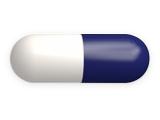
Dexilant (dexlansoprazole) is a proton pump inhibitor (PPI) indicated for the treatment of heartburn associated with symptomatic non-erosive gastroesophageal reflux disease (GERD), the healing of all grades of erosive esophagitis (EE), and the maintenance of healed erosive esophagitis and relief of heartburn in adults. Dexilant is the R-enantiomer of lansoprazole and works by irreversibly inhibiting the hydrogen-potassium adenosine triphosphatase (H+/K+ ATPase) enzyme system, known as the proton pump, on the secretory surface of gastric parietal cells, thereby suppressing both basal and stimulated gastric acid secretion. Dexilant features a proprietary dual delayed-release (DDR) formulation that provides two distinct releases of the active drug at separate pH thresholds, resulting in an extended plasma concentration-time profile and prolonged acid suppression compared to single-release PPIs.
Usual adult dose: For the healing of erosive esophagitis, the recommended dose is 60 mg once daily for up to 8 weeks. For the maintenance of healed erosive esophagitis and relief of associated heartburn, the recommended dose is 30 mg once daily for up to 6 months. For the symptomatic treatment of non-erosive GERD causing heartburn, the recommended dose is 30 mg once daily for 4 weeks. Dexilant capsules may be taken with or without food. Alternatively, the capsule may be opened and the intact granules sprinkled on one tablespoon of applesauce and swallowed immediately without chewing. The granules must not be crushed or chewed, as this would disrupt the dual delayed-release delivery system. No dosage adjustment is required for elderly patients or those with mild to moderate renal impairment. In patients with moderate hepatic impairment (Child-Pugh Class B), the maximum recommended dose is 30 mg daily.
Dosage form: Dual delayed-release capsules: 30 mg (opaque blue and grey hard gelatin capsule) and 60 mg (opaque blue hard gelatin capsule). Each capsule contains a mixture of two types of enteric-coated granules that release dexlansoprazole at different pH values, with the first release occurring in the proximal small intestine at pH 5.5 and the second release in the distal small intestine at pH 6.75, providing an extended duration of acid suppression.
Onset of action: Following oral administration, dexlansoprazole exhibits a dual-peak plasma concentration profile. The first peak concentration occurs approximately 1 to 2 hours after dosing, corresponding to release from the first group of granules. The second peak occurs approximately 4 to 5 hours after dosing, corresponding to release from the second group of granules in the distal small intestine. Pharmacodynamic effects on gastric acid secretion begin within approximately 1 hour of the first dose. Symptomatic relief of heartburn is typically observed within the first week of daily treatment, while complete healing of erosive esophagitis generally requires 4 to 8 weeks of continuous therapy.
Duration of action: The dual delayed-release formulation extends the duration of pharmacodynamic effect, maintaining intragastric pH above 4 for a mean of 71% of a 24-hour period with the 60 mg dose, which is significantly longer than that provided by single-release PPIs. The elimination half-life of dexlansoprazole in plasma is approximately 1 to 2 hours, but the therapeutic effect persists for more than 24 hours due to irreversible inactivation of the proton pump and the prolonged release profile. This extended coverage supports true once-daily dosing for all indications.
Alcohol recommendation: No clinically significant pharmacokinetic or pharmacodynamic interaction has been identified between Dexilant and alcohol. Alcohol does not directly alter the acid-suppressive efficacy of the medication. However, excessive alcohol consumption can independently irritate the gastric and esophageal mucosa, worsen symptoms of GERD, increase the risk of erosive esophagitis, and counteract the therapeutic benefits of proton pump inhibitor treatment. Patients undergoing therapy for GERD or erosive esophagitis are advised to minimize or avoid alcohol intake in accordance with established dietary and lifestyle modifications for gastroesophageal reflux disease.
Most common side effects: Diarrhea, abdominal pain, nausea, upper respiratory tract infection, vomiting, and flatulence. Headache has also been reported in clinical trials. Most adverse reactions are mild to moderate in intensity and transient in nature. Prolonged use of proton pump inhibitors has been associated with an increased risk of Clostridium difficile-associated diarrhea, osteoporosis-related fractures of the hip, wrist, or spine with long-term and high-dose therapy, hypomagnesemia (which may be symptomatic and require magnesium supplementation and discontinuation), vitamin B12 malabsorption due to hypochlorhydria, and fundic gland polyps. Patients on extended maintenance therapy should be periodically reassessed to determine the ongoing necessity of treatment.
Would you like to learn more about Dexilant (Dexlansoprazole) for the management of GERD and erosive esophagitis?
Buy Generic Dexilant (Dexlansoprazole ) without prescription in Canada
At our pharmacy, you can buy Dexilant without a prescription, with discreet and anonymous packaging delivered within 5-14 days across Canada.
What is Dexilant?
Dexilant is a proton pump inhibitor (PPI) used to treat gastroesophageal reflux disease (GERD), erosive esophagitis, and heartburn. The active ingredient is dexlansoprazole, the R-enantiomer of lansoprazole. If that sounds like a small distinction, it is, but it matters for how the drug is released. Dexlansoprazole uses a dual delayed-release formulation. The capsule contains two types of granules. One set dissolves in the proximal duodenum at a pH around 5.5, giving an early peak in blood levels about 1 to 2 hours after taking it. The second set dissolves further down the intestine at a pH above 6.75, producing a second peak 4 to 5 hours later. The idea is to extend acid suppression beyond what a standard PPI can do with a single dose.
The effect on stomach acid is not immediate. PPIs work by irreversibly inhibiting the proton pumps that are actively secreting acid at the time the drug is present in the blood. Some pumps are always active, but many are in a resting state and won't be affected by the first dose. It takes 3 to 5 days of daily dosing to reach maximal acid suppression because each day's dose knocks out the pumps that are active that day. By day 5, most pumps are inhibited and intragastric pH stays above 4 for a much larger portion of the day.
Dexilant comes in 30 mg and 60 mg capsules. The 30 mg dose is for heartburn and non-erosive GERD. The 60 mg dose is for erosive esophagitis, where the esophageal lining is visibly damaged by acid, and for maintaining healing once the esophagitis has resolved.
Mechanism and Pharmacology
Dexlansoprazole is a prodrug. It's absorbed into the bloodstream as the parent compound and then diffuses from the blood into the parietal cells of the stomach. Those cells contain secretory canaliculi, tiny channels where the H+/K+ ATPase enzyme, the proton pump, sits in the membrane pushing hydrogen ions out in exchange for potassium ions. The environment in those canaliculi is extremely acidic, with a pH below 1. When dexlansoprazole enters that acid environment, it gets protonated and converted to its active form, a sulfenamide that binds covalently to cysteine residues on the proton pump. Once bound, that pump molecule is permanently disabled. The stomach cell has to synthesize new proton pumps to resume acid secretion, which takes about 24 to 48 hours.
Because only actively secreting pumps are inhibited by each dose, and not all pumps are active at any given moment, the full acid-suppressing effect accumulates over several days. Conversely, when you stop the drug, acid secretion returns gradually as new pumps are synthesized. There's no rebound hypersecretion in the first 24 hours. Over a week or two off the drug, some people experience a temporary overshoot in acid production as the regulatory mechanisms that were suppressed by long-term PPI use wake back up.
The dual delayed-release formulation is the pharmacokinetic innovation. The first release gives a peak plasma concentration around 1 to 2 hours post-dose. The second release gives another peak at 4 to 5 hours. This extends the time that drug is circulating and available to inhibit newly activated pumps. The half-life of dexlansoprazole in plasma is short, about 1 to 2 hours, but the irreversible binding to the proton pump means the pharmacodynamic effect far outlasts the plasma half-life. The drug doesn't need to be present continuously. It just needs to be there when pumps are active.
Dexlansoprazole is extensively metabolized in the liver, primarily by CYP2C19 and to a lesser extent by CYP3A4. The metabolites are inactive and excreted in urine and feces. CYP2C19 genetic polymorphisms affect exposure. Poor metabolizers have about 2 to 3 times higher plasma levels than extensive metabolizers, but the clinical significance is minimal because the drug's effect is determined by irreversible pump binding, not sustained plasma concentration, and the safety margin is wide.
How to Use Dexilant
The standard dose for erosive esophagitis is 60 mg once daily for up to 8 weeks. For maintenance of healed erosive esophagitis, 30 mg once daily. For symptomatic non-erosive GERD, 30 mg once daily for 4 weeks. Some patients with persistent symptoms may be maintained on 30 mg long-term.
Take the capsule whole. Do not crush, chew, or split it. The dual release depends on the capsule contents remaining intact. You can take it with or without food. The original studies showed food didn't significantly affect overall absorption, though taking it 30 to 60 minutes before a meal is the traditional timing for PPIs because the proton pumps are most active after a meal stimulus. If you take it at the same time each day, you'll get consistent suppression regardless of meal timing.
If you have trouble swallowing capsules, you can open the capsule and sprinkle the granules onto a tablespoon of applesauce. Swallow the applesauce immediately without chewing. Don't save it for later. The granules are enteric-coated and will release the drug properly as long as they're not crushed.
If you miss a dose, take it as soon as you remember. If it's nearly time for the next dose, skip the missed one. Don't double up. One missed day of a PPI won't cause an immediate rebound in symptoms for most people.
PPIs are not intended for immediate relief of heartburn. If you need fast relief, an antacid or an H2 blocker like famotidine works within 30 to 60 minutes. Dexilant is for sustained control over days to weeks.
Side Effects of Dexilant
Most people tolerate Dexilant without noticeable side effects. The most common complaints are headache, diarrhea, nausea, abdominal pain, and flatulence. These occur in roughly 2 to 5 percent of patients and are usually mild and self-limiting.
Long-term use raises different concerns than short-term courses. These are class effects of PPIs, not specific to dexlansoprazole, and the evidence for some of them is stronger than for others.
Vitamin B12 deficiency can develop because stomach acid is required to release B12 from dietary protein. Without acid, B12 absorption is impaired. This takes years to become clinically significant, and the risk is mainly in older adults on continuous PPI therapy. Periodic B12 monitoring is reasonable after 2 to 3 years of use.
Magnesium deficiency, specifically hypomagnesemia, has been reported with PPIs taken for a year or more. The mechanism is reduced intestinal absorption. Symptoms include muscle cramps, arrhythmias, and seizures in severe cases. Checking a serum magnesium level once a year catches this. Most cases resolve with magnesium supplementation or stopping the PPI.
Bone fractures. Observational studies have linked long-term PPI use to a modestly increased risk of hip, wrist, and spine fractures, possibly due to reduced calcium absorption. The absolute risk is small, and it's confounded by the fact that people who take PPIs long-term tend to be older and sicker. Still, the association has been consistent enough that Health Canada and the FDA added warnings. Patients on long-term PPIs should ensure adequate calcium and vitamin D intake.
Clostridium difficile infection. Reduced stomach acid removes a barrier that kills ingested bacteria. PPIs are associated with about a 1.5 to 2-fold increased risk of C. difficile colitis. The risk is highest in hospitalized patients and those on antibiotics. For someone at home taking a PPI for GERD, the absolute risk is very low.
Kidney disease. Acute interstitial nephritis and chronic kidney disease have both been associated with PPIs in large observational studies. The mechanism for acute nephritis is likely a hypersensitivity reaction. The mechanism for chronic disease is less clear. The absolute risk is low, but it's one of the reasons PPIs should be used at the lowest effective dose for the shortest necessary duration.
Fundic gland polyps are benign growths in the stomach that occur more frequently with long-term PPI use. They're discovered incidentally during endoscopy and have no malignant potential. They're a marker of prolonged acid suppression, not a reason to stop therapy.
High-Risk Groups (Elderly, Pregnancy)
Pregnancy. Heartburn is extremely common in pregnancy, especially in the third trimester. Dexlansoprazole is FDA pregnancy category B, meaning animal studies haven't shown risk, but human data are limited. Omeprazole and pantoprazole have more pregnancy data and are generally preferred in pregnancy when a PPI is needed. That said, dexlansoprazole is not known to be teratogenic, and the systemic absorption is similar to other PPIs. The first-line approach for heartburn in pregnancy is lifestyle modification and antacids. If those fail, an H2 blocker like ranitidine (now withdrawn) or famotidine is next. PPIs are reserved for refractory symptoms, and dexlansoprazole would not be the first PPI chosen, but it's not contraindicated.
Breastfeeding. There's no published data on dexlansoprazole in breast milk. Other PPIs are excreted in milk in small amounts and are considered compatible with breastfeeding by most experts. Dexlansoprazole is likely similar, but the lack of specific data means caution is advised.
Elderly patients don't need dose adjustment based on age alone. Hepatic metabolism is the main clearance pathway, and liver function declines modestly with age. The drug has been studied in older adults without a signal for increased toxicity. The concerns in the elderly are the cumulative risks of long-term PPI use: B12 deficiency, magnesium depletion, bone fractures, and C. difficile infection. Each of these is more likely and more consequential in an older person. If a PPI is needed long-term, the lowest effective dose should be used, and periodic attempts to step down or stop should be made.
Renal impairment. No dose adjustment is needed for any degree of renal impairment. Dexlansoprazole is metabolized in the liver, and the metabolites are excreted renally, but they're inactive. However, because PPIs have been associated with renal adverse effects, kidney function should be monitored periodically in long-term users.
Hepatic impairment. In moderate hepatic impairment (Child-Pugh class B), exposure to dexlansoprazole is increased about 2-fold. The label says no dose adjustment is needed, but the maximum dose in severe impairment (Child-Pugh class C) has not been studied and should be approached cautiously. The 30 mg dose is probably sufficient in most cases.
Interaction With Activities (Driving, Alcohol)
Dexlansoprazole doesn't cause sedation, dizziness, or cognitive impairment. Driving and operating machinery are unaffected. If you're experiencing significant dizziness or confusion, it's not the PPI. Look for another cause.
Alcohol. There's no direct pharmacological interaction. Alcohol doesn't interfere with dexlansoprazole's mechanism, and dexlansoprazole doesn't alter alcohol metabolism. But alcohol is a gastric irritant. It relaxes the lower esophageal sphincter and can directly irritate the esophageal and gastric mucosa. If you have GERD or erosive esophagitis, alcohol will make your symptoms worse regardless of what medication you're taking. A PPI can reduce the acid component of reflux but won't stop the reflux itself, and alcohol promotes reflux mechanically. Reducing or eliminating alcohol is part of GERD management. If you drink, pay attention to whether your symptoms flare in the hours afterward. That will tell you more than any theoretical interaction.
Drug Interactions
Dexlansoprazole has fewer drug interactions than omeprazole or lansoprazole because it has less effect on CYP2C19. But it's not free of interactions.
Clopidogrel (Plavix) is the interaction that gets the most attention. Clopidogrel is a prodrug that requires CYP2C19 for activation. PPIs that inhibit CYP2C19, particularly omeprazole and esomeprazole, can reduce clopidogrel's antiplatelet effect. Dexlansoprazole has minimal CYP2C19 inhibition at clinical doses and is considered a safer option for patients on clopidogrel who need a PPI. Pantoprazole is also commonly used in this context for the same reason.
Drugs that require an acidic environment for absorption can have reduced bioavailability when gastric pH is elevated by a PPI. This includes ketoconazole, itraconazole, and atazanavir. The effect is substantial. Atazanavir levels can drop enough to lose HIV viral suppression. These combinations should be avoided or managed with careful monitoring. Conversely, some drugs like digoxin have slightly increased absorption in a less acidic environment, though the effect is minor.
Methotrexate, particularly at high doses used for cancer or autoimmune disease, can have reduced renal clearance when combined with PPIs, leading to elevated methotrexate levels and toxicity. This is primarily a concern with high-dose intravenous methotrexate, not the low weekly doses used for rheumatoid arthritis. Still, the combination should be mentioned to the prescribing physician.
Mycophenolate mofetil absorption is reduced by PPIs. The clinical significance depends on the context. In transplant patients, mycophenolate levels should be monitored if a PPI is added or discontinued.
Iron absorption is theoretically reduced by PPIs because stomach acid helps convert dietary iron to its absorbable form. In practice, this is rarely a problem for people with normal iron stores. For someone with iron deficiency anemia that's difficult to correct, a trial off the PPI or switching to an H2 blocker can help determine whether the PPI is contributing.
Alternative Options
Dexlansoprazole is one of several PPIs, and the differences between them are mostly in pharmacokinetics and drug interaction profiles rather than major efficacy gaps.
Omeprazole (Losec) is the original PPI and the most studied. It's available over the counter in Canada at 20 mg. It's effective but has more CYP2C19 inhibition than newer PPIs, so drug interactions are more of a concern. It's inexpensive and widely available as a generic.
Esomeprazole (Nexium) is the S-enantiomer of omeprazole. It was developed to provide slightly better acid suppression than omeprazole, and it does, though the clinical advantage is modest. Like omeprazole, it inhibits CYP2C19 and interacts with clopidogrel.
Pantoprazole (Pantoloc, Tecta) has the least CYP2C19 inhibition among the PPIs and is preferred in patients on clopidogrel or multiple other medications. It's available as a prescription and over the counter in Canada. It's well tolerated and has an extensive safety record.
Lansoprazole (Prevacid) is the racemic mixture from which dexlansoprazole is derived. It's effective and available OTC. The dual-release formulation of dexlansoprazole offers longer acid suppression than standard lansoprazole, but whether that translates into better healing rates or symptom control is debated.
Rabeprazole (Pariet) has a faster onset of action than some other PPIs and less CYP2C19 dependence, so genetic variability matters less. It's prescription-only in Canada.
H2 receptor antagonists (famotidine, now that ranitidine has been withdrawn) are the main alternative class. They block histamine-stimulated acid secretion rather than inhibiting the pump directly. They work faster, within 30 to 60 minutes, and are effective for mild to moderate GERD and episodic heartburn. They don't suppress acid as completely or for as long as PPIs. Tolerance can develop with continuous use. For severe esophagitis, PPIs are superior.
Antacids (calcium carbonate, aluminum/magnesium hydroxide) neutralize acid that's already been secreted. They work in minutes and are ideal for occasional symptoms. They don't prevent acid production and don't heal esophageal damage.
Lifestyle modifications remain part of GERD management regardless of medication choice: weight loss if overweight, elevating the head of the bed, avoiding meals within 3 hours of lying down, and reducing trigger foods (fatty meals, caffeine, chocolate, mint, citrus, tomatoes). These changes address the mechanical and dietary causes of reflux. A PPI reduces the acidity of what refluxes, but it doesn't stop the reflux itself.
INN, Brand Names, and Classification in Canada
INN (International Nonproprietary Name): Dexlansoprazole
Available brand names in Canada: Dexilant
ATC code: A02BC06
Forms and strengths: Delayed-release capsules 30 mg and 60 mg
Manufacturers: Takeda Canada Inc.
Registration status in Canada: Registered
Classification: Prescription (Rx)
Choosing the Right PPI and Duration
Dexilant's dual-release mechanism gives it a longer duration of acid suppression than standard PPIs, which may translate into better symptom control for some patients, particularly those with nighttime symptoms that break through once-daily dosing of other PPIs. The clinical trial data show numerical advantages in pH control compared to lansoprazole and esomeprazole, but the differences in healing rates and symptom scores are modest. For most people with typical GERD, a standard PPI like pantoprazole or omeprazole works well and costs less.
The 30 mg dose is appropriate for non-erosive GERD and maintenance therapy. The 60 mg dose is for healing erosive esophagitis, which is a more serious condition that needs more aggressive acid suppression. Once the esophagus has healed, confirmed by endoscopy, stepping down to 30 mg is standard.
PPIs should be used at the lowest effective dose for the shortest necessary duration. For a single episode of heartburn, a 2-week course may be enough. For chronic GERD, long-term therapy is often needed, but attempts to step down to the lowest dose that controls symptoms, or to use on-demand dosing, should be made periodically. Abruptly stopping a PPI after long-term use can cause a temporary rebound in acid secretion that lasts 1 to 2 weeks. Tapering the dose or overlapping with an H2 blocker during the transition can ease this.
Dexilant is legally classified as prescription-only in Canada. However, through our pharmacy, you can purchase Dexilant without a prescription and receive it in discreet packaging anywhere across the country.
Frequently Asked Questions
How fast does Dexilant work?
Some people feel improvement within 24 hours of the first dose, but maximal acid suppression takes 3 to 5 days of daily use. It's not a fast-acting antacid. For immediate relief of heartburn, use an antacid or an H2 blocker like famotidine.
Can I take Dexilant long-term?
Yes, if needed. The safety record for long-term PPI use is extensive, but there are risks to consider: vitamin B12 deficiency, magnesium depletion, bone fractures, and a small increase in enteric infections. These risks accumulate over years, not weeks. If you need a PPI indefinitely, use the lowest effective dose, monitor for nutritional deficiencies periodically, and discuss with your doctor whether a trial off therapy is reasonable every year or two.
Is Dexilant safe during pregnancy?
There are PPIs with more pregnancy data (omeprazole, pantoprazole), and those are usually preferred. Dexlansoprazole is category B and not known to be harmful, but it's not first-line in pregnancy. Antacids and H2 blockers should be tried first.
Does Dexilant interact with clopidogrel?
Less than omeprazole or esomeprazole do. Dexlansoprazole has minimal CYP2C19 inhibition and is considered one of the safer PPIs to use with clopidogrel, along with pantoprazole. Still, mention both medications to your doctor and pharmacist.
Can I open the capsule?
Yes, you can sprinkle the granules onto a tablespoon of applesauce and swallow it immediately. Don't chew the granules. Don't mix with other foods or liquids. Don't save the mixture for later. The granules are enteric-coated and will work properly as long as they reach the intestine intact.
What makes Dexilant different from lansoprazole?
Dexlansoprazole is the purified active enantiomer of lansoprazole, and it uses a dual delayed-release system that gives two peaks of drug release several hours apart. This extends acid suppression over a longer portion of the day. Whether that translates into meaningfully better symptom control is individual. Some people notice a difference. Many don't.
Delivery Information Across Canada
We ship Dexilant to all provinces and territories. Delivery times vary depending on how remote your location is:
- Ontario (Toronto, Ottawa, Mississauga): 5 to 7 days
- Quebec (Montreal, Quebec City, Laval): 5 to 7 days
- British Columbia (Vancouver, Victoria, Burnaby): 5 to 9 days
- Alberta (Calgary, Edmonton, Red Deer): 5 to 9 days
- Manitoba (Winnipeg, Brandon): 5 to 9 days
- Saskatchewan (Saskatoon, Regina): 5 to 9 days
- Nova Scotia (Halifax, Sydney): 5 to 9 days
- New Brunswick (Moncton, Fredericton): 5 to 9 days
- Newfoundland and Labrador (St. John's, Corner Brook): 7 to 14 days
- Prince Edward Island (Charlottetown): 7 to 14 days
- Yukon, Northwest Territories, Nunavut: 7 to 14 days
All shipments are packed discreetly with no branding or indication of contents on the outside.


| Shipping method | Delivery time | Price | |
 Delivery Delivery |
14-21 days | 14.95$ | Tracking# available in 4 days |
 Delivery Delivery |
9-14 days | 30$ | Tracking# available in 2 days |
- Shipping worldwide
- Confidentiality and anonymity guarantee
- Safe and secure
- Discrete looking packages
- Dispatch orders within 24 hours
- 100% success delivery


