


 Secure and Reliable
  High quality
  Worldwide shipping
  Bonuses and Discounts
  Money back Guarantee
 - Bestsellers
- Alcoholism
- COVID-19
- Allergy
- Anti Fungal
- Alzheimers
- Anti Viral
- Anti-Depressants
- Anti-Inflammatory
- Antibacterial
- Antiparasitic
- Antibiotics
- Arthritis
- Asthma
- Birth Control
- Blood Pressure
- Cancer
- Cardiovascular
- Cholesterol
- Diabetes
- Diuretics
- Erectile Dysfunction
- Eye Drop
- Gastro Health
- General Health
- Hair Loss
- Hepatitis C Virus (HCV)
- HIV
- Hormones
- Men's ED Packs
- Men's Health
- Mental Illness
- Motion Sickness
- Muscle Relaxant
- Pain Relief
- Parkinson’s Disease
- Veterinary Medicines
- Quit Smoking
- Vitamins
- Skin Care
- Sleeping Aids
- Weight Loss
- Women's Health
Generic Diflucan ( Fluconazole )
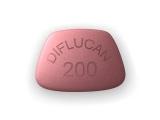
Buy Generic Diflucan (Fluconazole) without prescription in Canada
In our Canadian pharmacy, you can buy Diflucan (Fluconazole) without a prescription, with delivery across Canada within 5‑14 days. Discreet and anonymous packaging.
Diflucan (fluconazole) is a triazole antifungal agent used to treat a variety of fungal infections, including vaginal candidiasis (yeast infection), oropharyngeal and oesophageal candidiasis, cryptococcal meningitis, and systemic Candida infections. It works by inhibiting the fungal cytochrome P450 enzyme lanosterol 14‑α‑demethylase, which blocks the conversion of lanosterol to ergosterol, a vital component of the fungal cell membrane. This disruption weakens the membrane, causing leakage of cellular contents and ultimately the death of the fungus.
Usual adult dose: For vaginal candidiasis, a single oral dose of 150 mg is usually sufficient. For oropharyngeal candidiasis, 100 mg is taken once daily for 7‑14 days; for oesophageal candidiasis, doses of 100‑200 mg once daily are used for a minimum of 14‑30 days. For cryptococcal meningitis, a starting dose of 400 mg is followed by 200‑400 mg once daily for 6‑12 months. The 50 mg strength may be used for paediatric dosing or as a step‑down dose. All doses are taken with or without food, as a single daily dose. Higher doses may be used in severe infections at the discretion of the prescribing physician.
Dosage form: Oral tablets: 50 mg, 100 mg, 150 mg, and 200 mg. An oral suspension (10 mg/mL and 40 mg/mL) and an injectable solution are also available.
Onset of action: For vaginal candidiasis, symptom relief is typically noticed within 24 hours, with complete resolution in 1‑3 days. For oral and oesophageal infections, clinical improvement is usually seen within the first week of therapy, but the full course must be completed to prevent relapse.
Duration of action: The elimination half‑life of fluconazole is approximately 30 hours (range 20‑50 hours), allowing once‑daily dosing. Therapeutic concentrations persist in vaginal secretions for at least 72 hours after a single 150 mg dose.
Alcohol recommendation: Alcohol consumption should be limited or avoided during treatment with Diflucan. Heavy alcohol intake may increase the risk of hepatotoxicity, and alcohol can worsen gastrointestinal side effects such as nausea. There is no direct disulfiram‑like reaction.
Most common side effects: Headache, nausea, abdominal pain, diarrhoea, and rash. Single‑dose therapy for vaginal candidiasis is generally very well tolerated. Rare but serious adverse effects include hepatotoxicity (including fatalities), QT interval prolongation, severe skin reactions such as Stevens‑Johnson syndrome, and anaphylaxis. Liver function tests should be monitored in patients on prolonged therapy or with pre‑existing liver disease.
Would you like to try Diflucan (Fluconazole) without a prescription?
General Information about Diflucan (Fluconazole)
- INN (International Nonproprietary Name): Fluconazole
- Brand names available in Canada: Diflucan® (Pfizer Canada Inc.) is the original brand‑name product. Widely available generic versions include APO‑Fluconazole (Apotex Inc.), TEVA‑Fluconazole (Teva Canada Limited), Sandoz Fluconazole (Sandoz Canada Inc.), PMS‑Fluconazole (Pharmascience Inc.), JAMP‑Fluconazole (JAMP Pharma Corporation), and many others. Fluconazole is also available as an oral suspension and an injectable solution.
- ATC code: J02AC01 (triazole antifungals).
- Dosage forms and strengths: Oral tablets: 50 mg, 100 mg, 150 mg, and 200 mg. Powder for oral suspension: 10 mg/mL and 40 mg/mL. Solution for intravenous infusion: 2 mg/mL.
- Manufacturers in Canada: Pfizer Canada Inc. (Diflucan), Apotex Inc., Teva Canada Limited, Sandoz Canada Inc., Pharmascience Inc., JAMP Pharma Corporation, and other generic manufacturers.
- Registration status in Canada: Approved by Health Canada. First marketed in Canada in 1990. Multiple generic formulations are currently available by prescription. DINs: 02045942 (Diflucan 50 mg), 02045950 (Diflucan 100 mg), 02045969 (Diflucan 150 mg), among others.
- OTC / Rx classification: Prescription only (Rx). Schedule I drug under the Controlled Drugs and Substances Act. A valid prescription from a licensed Canadian healthcare professional is required, although the 150 mg single‑dose treatment for vaginal candidiasis is available without a prescription in some Canadian provinces under the “behind‑the‑counter” pharmacy classification following consultation with a pharmacist.
Mechanism of Action and Pharmacology
Fluconazole is a synthetic triazole antifungal agent that acts as a highly selective inhibitor of the fungal cytochrome P450 enzyme lanosterol 14‑α‑demethylase (CYP51). This enzyme is responsible for converting lanosterol to ergosterol, the principal sterol in the fungal cell membrane. By inhibiting this step, fluconazole causes the accumulation of 14‑α‑methyl sterols and depletes ergosterol, leading to increased membrane permeability, leakage of intracellular constituents, and inhibition of fungal growth. In contrast to ketoconazole, fluconazole is a much weaker inhibitor of mammalian cytochrome P450 enzymes, which results in a lower potential for drug interactions and less hormonal suppression. Fluconazole is primarily fungistatic but may be fungicidal against some organisms depending on the concentration and the susceptibility of the fungus.
After oral administration, fluconazole is rapidly and almost completely absorbed, with an oral bioavailability of over 90%. Peak plasma concentrations are reached within 1‑2 hours, and food does not affect absorption. The drug is widely distributed throughout body fluids and tissues, including the central nervous system, where concentrations in the cerebrospinal fluid reach approximately 80% of the corresponding plasma levels. Fluconazole is weakly protein‑bound (11‑12%), and its elimination half‑life is approximately 30 hours (range 20‑50 hours). It is excreted primarily unchanged in the urine, with about 80% of a dose appearing in the urine as unchanged drug. The long half‑life supports once‑daily dosing and single‑dose therapy for vulvovaginal candidiasis. In patients with renal impairment, the dose must be reduced because of the drug’s extensive renal excretion.
Indications
- Vaginal candidiasis (yeast infection): A single oral dose of 150 mg is indicated for the treatment of uncomplicated vulvovaginal candidiasis. In complicated or recurrent cases, a longer course (e.g., 150 mg once every 72 hours for three doses) may be prescribed.
- Oropharyngeal and oesophageal candidiasis: For the treatment of Candida infections of the mouth and throat, often in immunocompromised patients.
- Cryptococcal meningitis: For the treatment of cryptococcal infections of the central nervous system, particularly in patients with HIV/AIDS, both for acute therapy and for long‑term suppression to prevent relapse.
- Systemic candidiasis: Including candidaemia, disseminated candidiasis, and other invasive Candida infections.
- Prophylaxis: For the prevention of candidiasis in patients undergoing bone marrow transplantation or receiving chemotherapy or radiation.
- Diflucan is not indicated for the treatment of dermatophyte infections (e.g., tinea pedis, tinea corporis) as first‑line therapy; those are generally treated with topical agents or oral terbinafine.
Important Warnings and Precautions
At‑risk groups
- Pregnancy: The use of a single 150 mg dose of fluconazole for vaginal candidiasis during pregnancy is generally not recommended unless the potential benefit justifies the potential risk to the foetus. Higher doses or prolonged courses during the first trimester have been associated with a possible increased risk of congenital malformations, including craniosynostosis and musculoskeletal abnormalities. Pregnant women should be counselled on the available safety data. Women of childbearing potential may take the single‑dose treatment, but chronic or high‑dose therapy during pregnancy is contraindicated.
- Breastfeeding: Fluconazole is excreted in human breast milk, with concentrations similar to those in maternal plasma. The single 150 mg dose is considered compatible with breastfeeding by the American Academy of Pediatrics, but repeated or high‑dose therapy may warrant caution. Nursing mothers should consult their physician.
- Paediatrics: Safety and efficacy have been established for specific indications in children. Dosing is weight‑based. The oral suspension is commonly used for paediatric patients. Fluconazole is not recommended for vaginal candidiasis in pre‑menarchal children.
- Elderly: No specific dose adjustment is required for age alone, but renal function should be assessed because the drug is primarily excreted by the kidneys. Elderly patients may have age‑related renal impairment, which would require dose reduction.
- Renal impairment: Fluconazole is cleared primarily by renal excretion. In patients with a creatinine clearance of ≤ 50 mL/min, the dose should be reduced by 50%. For single‑dose therapy (150 mg) for vaginal candidiasis, no adjustment is needed. In patients on haemodialysis, a full dose should be given after each dialysis session.
- Hepatic impairment: Rare cases of serious hepatotoxicity, including fatalities, have been reported with fluconazole, primarily in patients with serious underlying diseases. Liver function tests should be monitored during prolonged therapy. Fluconazole should be discontinued if signs and symptoms of liver injury develop.
- QT prolongation: Fluconazole may cause QT interval prolongation on the electrocardiogram, which can lead to torsade de pointes, a potentially fatal cardiac arrhythmia. This risk is increased in patients with pre‑existing heart disease, electrolyte abnormalities, and concomitant use of other QT‑prolonging drugs. Use with caution and consider ECG monitoring in at‑risk patients.
- Severe skin reactions: Stevens‑Johnson syndrome and toxic epidermal necrolysis have been reported in association with fluconazole. Patients should be advised to discontinue the medication and seek immediate medical attention if a rash develops.
- Allergy: Do not take Diflucan if you have a known hypersensitivity to fluconazole, other azole antifungals, or any excipient in the formulation. Cross‑sensitivity may occur between azoles.
Driving and alcohol
Diflucan is not known to impair the ability to drive or operate machinery. However, some patients may experience dizziness or seizures, although these are uncommon. Patients should ensure they are not adversely affected before driving. Alcohol consumption should be limited or avoided during treatment. While there is no direct pharmacokinetic interaction, alcohol may increase the risk of liver toxicity, and heavy drinking can exacerbate gastrointestinal side effects.
Dosage Instructions
- Vaginal candidiasis: A single 150 mg tablet taken orally. The tablet should be swallowed whole with a glass of water; it may be taken with or without food. In recurrent or complicated cases, the single dose may be repeated once every 72 hours for a total of three doses.
- Oropharyngeal candidiasis: 100 mg once daily for 7‑14 days. The duration may be extended in severely immunocompromised patients.
- Oesophageal candidiasis: 100‑200 mg once daily for a minimum of 14‑30 days.
- Cryptococcal meningitis: A loading dose of 400 mg on the first day, followed by 200‑400 mg once daily for 6‑12 months, depending on clinical response and immune status. For HIV‑infected patients, long‑term suppressive therapy with 200 mg once daily may be used after completion of primary therapy.
- Renal impairment: In patients with a creatinine clearance of ≤ 50 mL/min, the dose should be reduced by 50%. For single‑dose treatment of vaginal candidiasis, no dose adjustment is necessary. For patients on haemodialysis, one full dose should be administered after each dialysis session.
- Administration: The tablet should be swallowed whole with a full glass of water. It may be taken with or without food; food does not significantly affect absorption. For children and patients who cannot swallow tablets, the oral suspension is available. The suspension should be shaken well before each use and measured with the calibrated dosing device provided.
- Missed dose: For daily therapy, if a dose is missed, take it as soon as remembered on the same day. If it is close to the time of the next dose, skip the missed dose and resume the regular schedule. Do not double the dose. For the single‑dose regimen, a missed dose is not applicable; the tablet should be taken as soon as possible.
Side Effects and Contraindications
- Common side effects (incidence ≥ 1%): Headache (2‑13%), nausea (2‑7%), abdominal pain (2‑6%), diarrhoea (2‑3%), and rash (2‑3%). These effects are generally mild and transient.
- Less common but serious side effects: Hepatotoxicity (including hepatic failure, jaundice, and elevated transaminases), QT interval prolongation and torsade de pointes, severe cutaneous adverse reactions including Stevens‑Johnson syndrome and toxic epidermal necrolysis, anaphylaxis, and seizures.
- Laboratory abnormalities: Elevations in liver enzymes (ALT, AST, alkaline phosphatase) and bilirubin have been observed, particularly in patients receiving prolonged therapy or with pre‑existing liver disease. Monitoring of liver function is recommended for treatment courses longer than 14 days.
- Contraindications: Known hypersensitivity to fluconazole, other azole antifungals, or any excipient in the formulation. Concomitant use with terfenadine, astemizole, cisapride, pimozide, or quinidine is contraindicated because fluconazole can increase plasma levels of these drugs and cause life‑threatening cardiac arrhythmias. Concomitant use with erythromycin or with other drugs that prolong the QT interval is also contraindicated or must be closely monitored.
Drug Interactions
- Major interactions (contraindicated): Cisapride, pimozide, quinidine, terfenadine, and astemizole are absolutely contraindicated with fluconazole because of the risk of QT prolongation and torsade de pointes. Erythromycin should not be co‑administered for the same reason.
- Moderate interactions (monitor closely): Warfarin and other coumarin anticoagulants: Fluconazole significantly increases the prothrombin time and the risk of bleeding. INR should be monitored closely, and the warfarin dose should be adjusted. Oral hypoglycaemics (e.g., sulfonylureas): Fluconazole can increase plasma levels of these drugs, leading to hypoglycaemia. Blood glucose should be monitored. Phenytoin: Fluconazole increases phenytoin levels, which may lead to toxicity; phenytoin levels should be monitored. Cyclosporine and tacrolimus: Fluconazole increases serum levels of these immunosuppressants, requiring dose reduction and therapeutic drug monitoring. Theophylline: Fluconazole may increase theophylline levels, increasing the risk of toxicity; monitor levels. Rifampicin and other CYP3A4 inducers: These drugs decrease fluconazole levels; an increase in fluconazole dose may be required. Hydrochlorothiazide: Concomitant use may increase fluconazole plasma concentrations by about 40%, but dose adjustment is not routinely required.
- Alcohol: Limit or avoid alcohol to reduce the risk of hepatotoxicity and gastrointestinal side effects.
Practical Advice
- Administration: For vaginal candidiasis, a single 150 mg tablet is swallowed with water; food does not matter. For other infections, take the tablet at the same time each day. Complete the full prescribed course even if symptoms improve earlier.
- Monitoring: For prolonged therapy (beyond 14 days), liver function tests should be monitored at baseline and periodically. Renal function should be assessed before starting and during therapy, with dose adjustments made for creatinine clearance ≤ 50 mL/min. In patients on warfarin, monitor INR closely. In patients on sulfonylureas, monitor blood glucose.
- Storage: Store at room temperature (15‑30 °C) in a dry place, protected from moisture and light. Keep the container tightly closed and out of the reach and sight of children.
- Lifestyle: For vaginal yeast infections, avoid wearing tight synthetic underwear, and use cotton underwear to allow ventilation. Avoid douching or using scented products. If you have recurrent infections, discuss with your doctor possible underlying causes. Avoid alcohol during treatment to minimise the risk of liver stress.
- Missed dose: If you miss a daily dose, take it as soon as you remember on the same day. If it is almost time for your next dose, skip the missed dose and continue with your regular schedule. Do not take a double dose.
- When to seek medical review: Contact your doctor immediately if you develop signs of liver injury (jaundice, dark urine, right upper abdominal pain, unexplained fatigue), a severe or widespread skin rash, palpitations or fainting, or signs of an allergic reaction. If you are pregnant or become pregnant while taking fluconazole, inform your doctor.
- Disposal: Return unused or expired medication to a pharmacy for safe disposal. Do not flush down the toilet or discard in household waste.
Alternative Medications
- Topical azole antifungals for vaginal candidiasis: Clotrimazole (Canesten®) cream or vaginal tablets, miconazole (Monistat®) suppositories, and terconazole (Terazol®) cream are available over the counter and are first‑line treatments for uncomplicated yeast infections. They provide local therapy with minimal systemic absorption and are preferred during pregnancy.
- Itraconazole (Sporanox®): Another triazole antifungal used for candidiasis and dermatophyte infections. It is a strong CYP3A4 inhibitor and has more drug interactions and a higher risk of hepatic toxicity than fluconazole. It is an alternative when fluconazole is not appropriate.
- Voriconazole (Vfend®) and Posaconazole (Posanol®): Extended‑spectrum triazoles used for severe, resistant, or invasive fungal infections, often in immunocompromised patients. They are reserved for complicated cases and are generally not first‑line for routine candidiasis.
- Echinocandins (caspofungin, micafungin): Intravenous antifungals used for invasive candidiasis and aspergillosis, particularly when azole resistance is suspected. They are not available in oral form.
- Non‑pharmacological measures: For vaginal candidiasis, maintain good perineal hygiene, avoid excessive moisture, and consider dietary modifications (e.g., reducing sugar intake) to discourage yeast overgrowth, although evidence for dietary interventions is limited.
Clinical Efficacy
Fluconazole has been extensively studied and is a well‑established first‑line treatment for vaginal and mucosal candidiasis. In uncomplicated vulvovaginal candidiasis, a single oral 150 mg dose achieves mycological and clinical cure rates of 80‑95%, comparable to topical azole therapy. Its convenience and high patient acceptability make it a preferred option for many women. In oropharyngeal and oesophageal candidiasis, fluconazole 100‑200 mg daily produces clinical cure rates of approximately 80‑90%, and it is recommended as initial therapy by the Infectious Diseases Society of America (IDSA) and the Canadian clinical practice guidelines for HIV/AIDS. For cryptococcal meningitis, fluconazole is used as consolidation and maintenance therapy after initial treatment with amphotericin B plus flucytosine, and it significantly reduces the risk of relapse. The drug has a favourable safety profile when used short‑term, with the most common adverse effects being mild gastrointestinal disturbances. The risk of serious hepatotoxicity and QT prolongation is low but requires vigilance in patients with predisposing factors or on prolonged therapy. Fluconazole is on the World Health Organization Model List of Essential Medicines.
Important:
Diflucan (fluconazole) is a prescription antifungal medication that should be used only under the supervision of a qualified healthcare professional. Serious and potentially fatal liver damage has been reported, especially in patients with serious underlying medical conditions. Discontinue the medication immediately and contact your doctor if you develop signs of liver injury (jaundice, dark urine, unexplained fatigue, or right upper abdominal pain). Fluconazole can also cause life‑threatening heart rhythm disturbances (QT prolongation and torsade de pointes), particularly when combined with other drugs that affect the heart. Do not take Diflucan if you are taking cisapride, pimozide, quinidine, terfenadine, or astemizole. It may increase the effect of warfarin and cause bleeding; INR monitoring is essential. A single 150 mg dose for vaginal yeast infection is generally safe, but prolonged or high‑dose therapy during pregnancy should be avoided. If you become pregnant while taking fluconazole, inform your doctor. This information is not a substitute for professional medical advice, diagnosis, or treatment.


| Shipping method | Delivery time | Price | |
 Delivery Delivery |
14-21 days | 14.95$ | Tracking# available in 4 days |
 Delivery Delivery |
9-14 days | 30$ | Tracking# available in 2 days |
- Shipping worldwide
- Confidentiality and anonymity guarantee
- Safe and secure
- Discrete looking packages
- Dispatch orders within 24 hours
- 100% success delivery


