


 Secure and Reliable
  High quality
  Worldwide shipping
  Bonuses and Discounts
  Money back Guarantee
 - Bestsellers
- Alcoholism
- COVID-19
- Allergy
- Anti Fungal
- Alzheimers
- Anti Viral
- Anti-Depressants
- Anti-Inflammatory
- Antibacterial
- Antiparasitic
- Antibiotics
- Arthritis
- Asthma
- Birth Control
- Blood Pressure
- Cancer
- Cardiovascular
- Cholesterol
- Diabetes
- Diuretics
- Erectile Dysfunction
- Eye Drop
- Gastro Health
- General Health
- Hair Loss
- Hepatitis C Virus (HCV)
- HIV
- Hormones
- Men's ED Packs
- Men's Health
- Mental Illness
- Motion Sickness
- Muscle Relaxant
- Pain Relief
- Parkinson’s Disease
- Veterinary Medicines
- Quit Smoking
- Vitamins
- Skin Care
- Sleeping Aids
- Weight Loss
- Women's Health
Generic Disulfiram
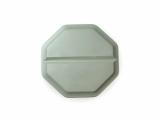
Buy Generic Disulfiram () without prescription in Canada
In our Canadian pharmacy, you can buy Disulfiram without a prescription, with delivery across Canada within 5‑14 days. Discreet and anonymous packaging.
Disulfiram is a medication used to support the management of chronic alcohol dependence. It acts as a psychological deterrent by blocking the normal breakdown of alcohol in the body, leading to a rapid buildup of a toxic substance called acetaldehyde. If even a small amount of alcohol is consumed while taking disulfiram, it triggers an intensely unpleasant physical reaction, which helps to discourage further drinking.
Usual adult dose: Treatment should only begin after the patient has abstained from alcohol for at least 12 hours. The typical initial dose is 500 mg taken once daily for 1 to 2 weeks. This is usually followed by a maintenance dose, averaging 250 mg daily, with a total range of 125 mg to a maximum of 500 mg daily. Daily doses should never exceed 500 mg.
Dosage form: Oral tablets available in 250 mg and 500 mg strengths.
Onset of action: The enzyme-blocking effect is irreversible and lasts for the life of the enzyme. While the drug is absorbed relatively quickly, the peak clinical effect in terms of potential for a reaction with alcohol may be delayed for up to 8‑12 hours after a dose.
Duration of action: The sensitivity to alcohol can persist for up to 1‑2 weeks (sometimes longer) after the last dose of disulfiram due to the time needed for the body to synthesize new enzymes.
Alcohol recommendation: Total abstinence from alcohol is mandatory while taking disulfiram and for at least 14 days after stopping the medication. Even small amounts of alcohol from unexpected sources like sauces, vinegars, cough syrups, tonics, mouthwashes, and aftershaves can trigger a severe reaction.
Most common side effects: Common side effects not related to alcohol consumption include drowsiness, fatigue, headache, a metallic or garlic-like aftertaste, and skin rash. If alcohol is consumed, a severe reaction including flushing, throbbing headache, nausea, vomiting, chest pain, palpitations, and shortness of breath will occur within minutes.
Would you like to try Disulfiram without a prescription?
General Information about Disulfiram
- INN (International Nonproprietary Name): Disulfiram
- Brand names available in Canada: Disulfiram is not currently available as a regularly marketed brand-name product. Historically, the brand name Antabuse (tablets, 250 mg and 500 mg) from Wyeth-Ayerst Canada Inc. was marketed, but its status is now "Cancelled Post Market". A 500 mg tablet is also listed in the Health Canada Drug Product Database. Presently, disulfiram may be accessible via Health Canada's Special Access Programme (SAP) for patients who have not responded to first-line therapies.
- ATC code: N07BB01 (drugs used in alcohol dependence)
- Dosage forms and strengths: Oral tablets: 250 mg and 500 mg.
- Manufacturers in Canada: Historically, Wyeth-Ayerst Canada Inc. Generic manufacturers may supply via special access; no specific commercial manufacturer is currently actively marketing the product in Canada.
- Registration status in Canada: Approved (historic status: Marketed, now Cancelled Post Market for the Antabuse 250 mg brand). Available through the Special Access Programme (SAP).
- OTC / Rx classification: Prescription only (Rx). A valid prescription from a licensed Canadian healthcare professional is required.
Mechanism of Action and Pharmacology
Disulfiram is an irreversible inhibitor of the enzyme aldehyde dehydrogenase (ALDH). Normally, alcohol (ethanol) is metabolized in the liver first to acetaldehyde and then quickly broken down by ALDH into harmless acetic acid. Disulfiram blocks this second step. If alcohol is consumed, acetaldehyde accumulates in the blood at concentrations 5 to 10 times higher than normal, leading to a characteristic and highly unpleasant "disulfiram-alcohol reaction". This reaction serves as a strong psychological deterrent against drinking. Disulfiram also inhibits dopamine beta-hydroxylase, which can lead to the depletion of norepinephrine and may contribute to hypotension, as well as inhibit several cytochrome P450 enzymes in the liver. The absorption of disulfiram from the gastrointestinal tract is slow and incomplete, but it is highly lipid-soluble and distributed widely in fatty tissues. Its elimination half-life is complex, with clinical effects persisting for days to weeks due to the irreversible enzyme inhibition.
Indications
- Used as a supportive aid in the management of carefully selected chronic alcohol-dependent patients who are motivated to remain in a state of enforced sobriety.
- Must be combined with a comprehensive treatment program that includes psychological and social support.
- It is not a "cure" for alcoholism and is unlikely to be effective without the patient's full commitment and supervised administration.
- In Canada, disulfiram is typically considered a second-line option for patients who have not responded to or are intolerant of first-line medications like naltrexone and acamprosate.
Important Warnings and Precautions
At‑risk groups
- Pregnancy: The safety of disulfiram during pregnancy has not been established. It should be used during pregnancy only if the potential benefit clearly justifies the potential risk to the fetus. Women of childbearing potential should use effective contraception.
- Breastfeeding: It is not known whether disulfiram is excreted in human milk. Due to the potential for serious adverse reactions in a nursing infant, a decision should be made to discontinue breastfeeding or discontinue the medication.
- Paediatrics (< 18 years): Safety and efficacy have not been established in children. Use is not recommended.
- Elderly: Elderly patients may be more susceptible to the toxic effects of disulfiram and the disulfiram-alcohol reaction. The lowest effective dose should be used, with careful monitoring.
- Hepatic impairment: Disulfiram is contraindicated in patients with severe liver disease. Baseline liver function tests (AST/ALT) should be performed and treatment avoided if levels are more than 3 to 5 times the upper limit of normal. Fatal cases of hepatitis have been reported, some occurring many months into therapy.
- Renal impairment: Use with caution; a dosage adjustment may be necessary.
- Cardiovascular disease: The disulfiram-alcohol reaction can cause profound hypotension, tachycardia, and myocardial ischemia. Therefore, disulfiram is contraindicated in patients with severe myocardial disease or coronary occlusion.
- Psychiatric disorders: Disulfiram is contraindicated in patients with psychoses. It can precipitate or worsen psychotic reactions and mood disorders, particularly at high doses or in combination with other drugs like metronidazole or isoniazid.
- Diabetes mellitus: The disulfiram-alcohol reaction can cause significant fluctuations in blood sugar. Patients with diabetes should be closely monitored.
- Epilepsy: Caution is advised as alcohol withdrawal or the disulfiram-alcohol reaction could potentially trigger seizures.
- Hypothyroidism: Disulfiram can affect iodine metabolism and should be used with caution.
Driving and alcohol
Disulfiram itself can cause drowsiness and fatigue, especially during the first few weeks of therapy, which can impair the ability to drive or operate machinery safely. Patients must be cautioned about this. However, the most profound warning relates to alcohol. The consumption of any form of alcohol (beer, wine, spirits) is absolutely forbidden. This prohibition also extends to all products containing even trace amounts of alcohol, including certain cough and cold remedies, mouthwashes, tonics, sauces (e.g., some cooking wines and vinegars), aftershaves, and hand sanitizers. A severe reaction can be triggered by inhaling fumes from paints, varnishes, or industrial solvents. Patients must read labels carefully and be fully informed about these hidden sources of alcohol. The driving task itself can be dangerously impaired during a disulfiram-alcohol reaction.
Dosage Instructions
- Initiation of therapy: Never administer disulfiram to a patient in a state of alcohol intoxication or without their full knowledge and consent. A minimum of 12 hours of abstinence from alcohol is required before the first dose.
- Standard dosage regimen: The typical initial dose is 500 mg taken once daily for 1 to 2 weeks. This is followed by a maintenance dose, averaging 250 mg daily (with a range of 125 mg to a maximum of 500 mg). The total daily dose should not exceed 500 mg.
- Administration: Tablets are taken orally, preferably in the morning. If excessive drowsiness occurs, dosing can be shifted to the evening. For non-compliant patients, tablets can be crushed and mixed with a liquid, but this must be done under direct observation to ensure ingestion.
- Supervised challenge test: In the past, a supervised "challenge" dose of alcohol was sometimes administered in a hospital setting to demonstrate the reaction. This practice is now largely considered unnecessary and is dangerous, particularly for patients over 50. It should only be performed in exceptional circumstances with full resuscitation facilities available.
- Missed dose: If a dose is missed, take it as soon as remembered. If it is nearing the time for the next dose, skip the missed dose and continue with the regular schedule. Do not double the dose.
- Duration of therapy: Treatment is long-term and may continue for months or years, as long as the patient remains motivated and benefits from the deterrent effect. Tachyphylaxis (tolerance) does not develop; indeed, sensitivity to alcohol may increase with continued therapy.
Side Effects and Contraindications
- Side effects without alcohol (common): Drowsiness, fatigue, headache, acneiform or allergic skin rashes, metallic or garlic-like aftertaste, and impotence or decreased libido. These effects often diminish after the first few weeks of therapy.
- The Disulfiram-Alcohol Reaction (a medical emergency): Flushing, throbbing headache, nausea, copious vomiting, sweating, thirst, chest pain, palpitations, difficulty breathing, hyperventilation, rapid heartbeat, dizziness, and confusion. In severe cases, this can progress to respiratory depression, cardiovascular collapse, heart attack, acute heart failure, unconsciousness, convulsions, and death. The reaction can occur up to 14 days (or longer) after the last dose of disulfiram.
- Serious adverse effects (unrelated to alcohol): Liver toxicity (including hepatitis and fatal hepatic failure), peripheral neuropathy (numbness, tingling, or pain in extremities), optic neuritis (blurred vision, eye pain), and psychotic reactions (confusion, paranoia, mania). Any signs of liver problems (yellowing skin/eyes, dark urine, severe abdominal pain) or nerve damage require immediate discontinuation and medical attention.
- Contraindications: Absolute contraindications include current alcohol intoxication, known hypersensitivity to disulfiram or thiuram derivatives (found in some pesticides and rubber), severe myocardial disease, coronary artery occlusion, and psychosis. Relative contraindications include pregnancy, breastfeeding, severe hepatic or renal impairment, and age under 18.
Drug Interactions
- Metronidazole: Concomitant use can lead to acute confusional states and psychotic reactions. This combination is contraindicated.
- Alcohol-containing products: All forms of ethanol (in beverages, cough syrups, tonics, mouthwashes, etc.) are strictly contraindicated.
- Warfarin: Disulfiram inhibits the metabolism of warfarin, significantly increasing its anticoagulant effect and the risk of bleeding. Close monitoring of INR and dose adjustment of warfarin is essential.
- Phenytoin: Disulfiram can cause a rapid and significant increase in serum phenytoin levels, leading to toxicity. Levels should be monitored and the dose adjusted.
- Isoniazid: May increase the risk of psychosis and central nervous system adverse effects.
- Benzodiazepines: Disulfiram may reduce the clearance of benzodiazepines that undergo extensive hepatic metabolism (e.g., chlordiazepoxide, diazepam), prolonging their sedative effects. Lorazepam and oxazepam are not affected by this interaction.
- Theophylline and Caffeine: Disulfiram can significantly reduce the clearance of theophylline and caffeine, leading to toxic levels.
- Other interactions: Caution is advised with tricyclic antidepressants, bupropion, methadone, sertraline, and protease inhibitors (e.g., amprenavir).
Practical Advice
- Administration: Take the tablet at the same time each day with a full glass of water. It can be taken with food to reduce stomach upset. Swallow tablets whole; do not crush or chew them unless instructed for supervised administration.
- Monitoring: Regular follow-up with a physician is essential. This includes monitoring of liver function (before starting and periodically during therapy), complete blood counts, and serum chemistries. A physical examination should screen for signs of peripheral neuropathy or liver injury.
- Storage: Store at room temperature (15‑30 °C) in a dry place, protected from moisture and light. Keep the container tightly closed and out of reach of children.
- Lifestyle: Enroll in a comprehensive alcohol treatment program that includes psychosocial support, counselling, and self-help groups. The success of disulfiram treatment is highly dependent on the patient's motivation and support system. Avoid all hidden sources of alcohol.
- Medical Alert Card: Patients should carry identification indicating they are taking disulfiram, so that appropriate care can be given in an emergency.
- Disposal: Return unused or expired medication to a pharmacy for safe disposal. Do not flush down the toilet or discard in household waste.
Alternative Medications
- Naltrexone: An opioid receptor antagonist that reduces alcohol craving and the rewarding "high" of drinking. It is a first-line treatment, available in Canada under the brand name Revia and as a long-acting injectable. Unlike disulfiram, it does not cause sickness if alcohol is consumed.
- Acamprosate (Campral): A first-line agent that is thought to stabilize chemical signaling in the brain that is disrupted by chronic alcohol use. It helps to reduce prolonged withdrawal symptoms like insomnia, anxiety, and restlessness.
- Gabapentin and Topiramate: Anticonvulsant medications used off-label to treat alcohol dependence, particularly for reducing heavy drinking days. They do not require a period of abstinence before starting, unlike disulfiram.
- Baclofen: A muscle relaxant that, in some studies, has shown efficacy in promoting abstinence, particularly in patients with advanced liver disease where other medications are contraindicated.
- Psychosocial Therapy: For patients who cannot or will not take pharmacotherapy, structured cognitive-behavioral therapy (CBT), motivational interviewing, and 12-step facilitation programs are effective alternatives. Pharmacotherapy combined with psychosocial support yields the best outcomes.
Clinical Efficacy
Clinical trials and decades of clinical experience have established disulfiram's role as a supervised deterrent to drinking. A landmark multicenter Veterans Administration cooperative study in 605 men demonstrated that among patients who relapsed, those taking a therapeutic dose of 250 mg reported significantly fewer drinking days (49.0 ± 8.4) compared to those on a placebo dose (86.5 ± 13.6). A key finding was that outcomes were highly dependent on medication adherence. Subsequent systematic reviews have noted that the evidence for disulfiram's efficacy in sustaining continuous abstinence is mixed, but its strength lies in reducing drinking frequency when administered under supervision. In Canada, it is reserved as a second-line option for highly motivated patients in a structured treatment context. Its use has largely declined in favor of naltrexone and acamprosate, though it remains a valuable tool for a subset of patients who have not benefited from other therapies.
Important:
Disulfiram is a prescription medication that must be used only under the close supervision of a qualified healthcare professional. It is designed to be an aversive deterrent and must always be combined with a comprehensive alcohol treatment program that includes psychosocial support. A full understanding of the disulfiram-alcohol reaction is mandatory before starting therapy. The consumption of any form of alcohol, including hidden sources in cooking, toiletries, and medications, can cause a severe, life-threatening reaction that requires immediate emergency medical attention. Liver damage, including fatal hepatic failure, is a rare but serious risk that can occur even without drinking alcohol. You must inform your doctor immediately if you experience signs of liver problems (jaundice, dark urine, severe fatigue) or nerve issues (tingling, numbness, pain). This medication is not a substitute for professional medical advice, diagnosis, or treatment.


| Shipping method | Delivery time | Price | |
 Delivery Delivery |
14-21 days | 14.95$ | Tracking# available in 4 days |
 Delivery Delivery |
9-14 days | 30$ | Tracking# available in 2 days |
- Shipping worldwide
- Confidentiality and anonymity guarantee
- Safe and secure
- Discrete looking packages
- Dispatch orders within 24 hours
- 100% success delivery


