


 Secure and Reliable
  High quality
  Worldwide shipping
  Bonuses and Discounts
  Money back Guarantee
 - Bestsellers
- Alcoholism
- COVID-19
- Allergy
- Anti Fungal
- Alzheimers
- Anti Viral
- Anti-Depressants
- Anti-Inflammatory
- Antibacterial
- Antiparasitic
- Antibiotics
- Arthritis
- Asthma
- Birth Control
- Blood Pressure
- Cancer
- Cardiovascular
- Cholesterol
- Diabetes
- Diuretics
- Erectile Dysfunction
- Eye Drop
- Gastro Health
- General Health
- Hair Loss
- Hepatitis C Virus (HCV)
- HIV
- Hormones
- Men's ED Packs
- Men's Health
- Mental Illness
- Motion Sickness
- Muscle Relaxant
- Pain Relief
- Parkinson’s Disease
- Veterinary Medicines
- Quit Smoking
- Vitamins
- Skin Care
- Sleeping Aids
- Weight Loss
- Women's Health
Generic Elidel ( Pimecrolimus )
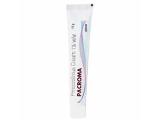
Elidel (pimecrolimus) cream 1% is a topical calcineurin inhibitor indicated for the short‑term and intermittent long‑term treatment of mild to moderate atopic dermatitis (eczema) in non‑immunocompromised patients aged 2 years and older, where conventional therapies such as topical corticosteroids are deemed inadvisable, inadequately effective, or not tolerated. Pimecrolimus works by inhibiting calcineurin in T‑lymphocytes, which blocks the production and release of inflammatory cytokines and mediators that cause the redness, itching, and inflammation associated with eczema. Elidel is not a corticosteroid and does not cause skin thinning. It is used to control flares and, when applied at the first signs and symptoms, may reduce the frequency and severity of subsequent flares.
Usual adult dose: Apply a thin layer of Elidel cream 1% to the affected skin areas twice daily, in the morning and evening. The cream should be gently and completely massaged into the skin. Treatment should be initiated at the first signs or symptoms of atopic dermatitis. If no improvement is seen after 6 weeks of continuous use, the diagnosis should be re‑evaluated. After the flare has resolved, treatment should be discontinued. Elidel is not for continuous long‑term daily use; it is used intermittently to manage flares. Emollients can be applied immediately after use. The hands should be washed after application unless the hands are being treated.
Dosage form: Topical cream: 1% strength (10 mg of pimecrolimus per gram of cream). Available in tubes of 10 g and 30 g.
Onset of action: Significant relief from itching and improvement in the appearance of eczema lesions may be seen as early as the first week of treatment, with continued improvement typically observed over subsequent weeks of intermittent use.
Duration of action: Applied twice daily to maintain local anti‑inflammatory effect. Intermittent use at the first signs of a flare is a strategy employed to prolong flare‑free intervals, with clinical data supporting a reduction in the number of flares over time.
Alcohol recommendation: Patients should be aware that facial flushing, rash, burning, itching, or swelling may occur if they consume alcohol during or shortly after treatment with Elidel. This is a known drug interaction and patients should be cautioned about the potential for an alcohol‑related skin reaction.
Most common side effects: The most common adverse reaction is a local sensation of burning or warmth at the application site, which tends to be mild to moderate and generally lasts only a few days, resolving as the skin heals. Other common reactions include application site irritation, pruritus, and erythema. Skin infections such as folliculitis, impetigo, and herpes simplex may occur less frequently. Long‑term safety, including the potential risk of skin cancer and lymphoma, is not fully established; therefore, the minimum amount needed for symptom control should be used, and continuous long‑term daily use should be avoided. The cream should not be applied to areas affected by acute cutaneous viral infections. Sun protection, including avoidance of natural sunlight and artificial ultraviolet light, should be employed during treatment. Elidel should not be used in immunocompromised patients or in children under 2 years of age.
Would you like to try Elidel (Pimecrolimus) without a prescription?
Buy Generic Elidel (Pimecrolimus) without prescription in Canada
At our pharmacy, you can buy Elidel without a prescription, with discreet and anonymous packaging delivered within 5-14 days across Canada.
What is Elidel?
Elidel is a non-steroid cream that treats eczema, also known as atopic dermatitis. The active ingredient is pimecrolimus, an immunosuppressant that works locally in the skin to calm inflammation and itching. It's not a corticosteroid, which is the whole point. Steroid creams can thin the skin, cause stretch marks, and lead to dependency if overused on delicate areas like the face, neck, and eyelids. Elidel doesn't do that. It can be applied to those sensitive zones without the same long-term structural damage. The trade-off is that it's not as potent as a strong steroid, and its label carries a theoretical cancer warning that has been debated for years. The actual risk after more than two decades of use remains unproven.
Elidel is used for mild to moderate atopic dermatitis in adults and children as young as 3 months. It's typically applied twice daily during a flare, then stopped once the skin clears. For people who get frequent flares, a maintenance schedule of twice weekly application to areas that tend to break out can keep eczema quiet. The relief begins within a week, but the full effect builds over several weeks. It's not a rescue cream you dab on when you feel the first tingle. It's a treatment you use according to a plan, even when your skin looks calm, if that's what your doctor prescribes. The cream comes in tubes of 10 g and 30 g. A 30 g tube is usually enough for ongoing use on limited areas like the face and neck.
Mechanism and Pharmacology
Pimecrolimus binds to an intracellular protein called FKBP12. The drug-protein complex then inhibits calcineurin, a phosphatase that would normally activate a transcription factor called NFAT. Without NFAT, T-cells in the skin don't get the signal to release inflammatory cytokines like interleukin-2. The local immune response dials down. Fewer inflammatory cells infiltrate the skin, mast cells release less histamine, and the redness and itch subside. Because pimecrolimus acts on T-cells specifically, it doesn't damage keratinocytes or fibroblasts the way corticosteroids do. No skin thinning, no telangiectasia, no steroid rebound.
Systemic absorption through intact skin is minimal. Even with widespread application, blood levels of pimecrolimus remain very low, far below the concentrations needed for any systemic effect. The cream base itself is moisturizing, which helps repair the skin barrier that is defective in atopic dermatitis. The drug is metabolized in the skin and, for the small amount that reaches the bloodstream, in the liver by CYP3A4. The molecular size of pimecrolimus is larger than tacrolimus, which limits its penetration through intact skin. This makes it slightly less potent than topical tacrolimus but also reduces systemic absorption even further. It's a local treatment with negligible internal impact.
How to Use Elidel
Apply a thin layer of the cream to the affected areas twice daily. Rub it in gently and completely. A small amount goes a long way. Wash your hands after applying unless the hands are being treated. The cream is not greasy like an ointment, so it absorbs quickly and can be worn under clothing or makeup. Start treatment at the first sign of a flare. Use it until the skin is completely clear, then stop. Do not use it continuously for months on end without a break.
If your eczema returns quickly, your doctor may recommend a proactive schedule: apply the cream twice a week, for example Monday and Thursday, to areas that commonly flare. This reduces the total amount of drug used and can prevent flares from starting. If you forget a dose, apply it as soon as you remember. If it's almost time for the next application, skip the missed one. Don't double up. Moisturizers are part of the treatment. Apply a bland, fragrance-free emollient liberally and often. You can apply moisturizer before or after Elidel, but wait a few minutes between them so you don't dilute the cream. Avoid occlusive dressings over the treated area unless your doctor tells you otherwise. Occlusion increases absorption. During treatment, limit sun exposure and do not use tanning beds. Ultraviolet light can worsen eczema and may theoretically increase the risk of skin damage while on an immunosuppressant.
Side Effects of Elidel
The most common side effect is a burning or stinging sensation at the application site. This happens in about 20 to 30 percent of patients during the first few days. It's not an allergy. It's the drug interacting with nerve endings in inflamed skin. The sensation usually peaks in the first week and then fades as the skin heals. Applying the cream to cool, dry skin can reduce it. Storing the tube in the refrigerator also helps. If the burning is intolerable, a 1% hydrocortisone cream applied a few hours later can take the edge off, but check with your doctor first.
Itching, redness, and a warm sensation are also common early on. These are not reasons to stop. They pass. Alcohol intolerance is a peculiar side effect: some people find that drinking alcohol while using Elidel causes facial flushing and a feeling of heat. It's not dangerous, just uncomfortable, and it resolves when the alcohol wears off. Skin infections, particularly herpes simplex cold sores, occur slightly more often in treated areas because local immunity is dampened. If you develop painful blisters or a spreading rash, stop the cream and see your doctor.
The boxed warning about malignancy is based on the drug's mechanism and rare post-marketing reports of lymphoma and skin cancer. After more than two decades of use and multiple long-term safety registries, no causal link has been established. Health Canada and the FDA both state that the available data do not show an increased risk of cancer with topical pimecrolimus. The warning remains as a precaution. That said, Elidel should not be used by people with compromised immune systems or on areas of active infection.
High-Risk Groups (Elderly, Pregnancy)
Pregnancy. Pimecrolimus is pregnancy category C. Animal studies using oral doses far higher than topical exposure showed no teratogenicity. Human data are limited but have not demonstrated harm. Systemic absorption from topical use is negligible. If you have eczema that needs control during pregnancy, Elidel can be considered, especially on the face where steroids are risky. The decision should be made with your dermatologist and obstetrician. For mild eczema, emollients and low-potency topical steroids with more safety data are often preferred, but Elidel is a reasonable option.
Breastfeeding. Topical pimecrolimus passes into breast milk in negligible amounts, if at all. It is considered compatible with breastfeeding by most experts. Avoid applying it to the nipple area to prevent direct infant ingestion. Elderly patients can use Elidel, but their skin is thinner and may be more sensitive to the stinging. Start with once-daily application in the evening and use a good moisturizer. Children aged 3 months and older can use the 1% cream. The safety profile in children is similar to adults. The boxed warning applies to all ages. Long-term studies in children have not shown an increased risk of malignancy. Infants under 3 months should not use Elidel. People with Netherton syndrome or other severe skin barrier defects should not use topical pimecrolimus, as the drug can be absorbed in dangerous amounts. The same caution applies to anyone with a severely damaged skin barrier from burns or widespread erosions.
Interaction With Activities (Driving, Alcohol)
Elidel does not cause drowsiness, dizziness, or cognitive impairment. You can drive and operate machinery normally. The burning sensation on your skin won't affect your reaction time. Alcohol deserves a special note. Some people experience a sudden facial flush when they drink alcohol while using Elidel. This is not an allergy and not dangerous, but it can be startling. It starts within 15 to 30 minutes of the first drink and fades over an hour or two. If it bothers you, reduce or avoid alcohol on days you apply the cream to your face. Sun exposure should be managed. Elidel itself does not cause photosensitivity, but sunburn damages the skin barrier and can trigger eczema. Use sunscreen and protective clothing.
Drug Interactions
Systemic drug interactions are essentially nonexistent because topical pimecrolimus stays in the skin. The tiny amount absorbed is not enough to affect other medications. There are no significant interactions with oral drugs. Topical interactions are the relevant concern. Do not use other potentially irritating products on the same area unless your doctor tells you to. This includes harsh soaps, alcohol-based toners, and chemical exfoliants. Emollients are safe and encouraged. If you are receiving ultraviolet light therapy, tell your doctor. Elidel should be washed off before phototherapy sessions and not reapplied until after the treatment is done. Concurrent use with topical corticosteroids is sometimes prescribed, but only under medical supervision.
Alternative Options
Elidel is one of two topical calcineurin inhibitors. The other is tacrolimus (Protopic), an ointment that's slightly more potent but also more likely to sting. Both are steroid-sparing options for sensitive areas. Topical corticosteroids remain the first-line treatment for most eczema flares because they work faster and are less expensive. Hydrocortisone 1% is safe over the counter for mild facial eczema. Stronger prescription steroids are used for severe flares on the body. The problem is that steroids cannot be used continuously on thin skin without causing damage. That's where Elidel earns its place. It can be used on the eyelids, around the mouth, and in skin folds for weeks or months without atrophy. Crisaborole (Eucrisa) is a non-steroid PDE4 inhibitor ointment for mild to moderate eczema. It's safe but causes stinging in about 30 percent of users. For severe eczema that doesn't respond to topicals, dupilumab (Dupixent) is an injectable biologic that blocks the IL-4 and IL-13 pathway. It's highly effective but expensive and requires injection every two weeks.
INN, Brand Names, and Classification in Canada
INN (International Nonproprietary Name): Pimecrolimus
Available brand names in Canada: Elidel, and generic pimecrolimus cream
ATC code: D11AH02
Forms and strengths: Cream 1% in tubes of 10 g, 15 g, 30 g, 60 g. The 10 g and 30 g sizes are most common.
Manufacturers: Bausch Health Canada Inc. (Elidel), and diverse generic manufacturers
Registration status in Canada: Registered
Classification: Prescription (Rx)
Frequently Asked Questions
Why does Elidel burn when I apply it?
The burning is caused by the drug's effect on nerve endings in the skin. It's most intense during the first week and fades as the eczema heals. Storing the cream in the refrigerator and applying it to cool, dry skin can reduce the discomfort. The burning is not an allergy and not a reason to stop unless it's severe.
Can I use Elidel on my face?
Yes, that's one of its main advantages. It can be used on the face, eyelids, neck, and skin folds without the risk of skin thinning that comes with prolonged steroid use. Be careful to avoid the eyes. If cream gets in your eye, rinse with water.
How long can I use it?
During a flare, use it twice daily until the skin is clear, then stop. For maintenance, your doctor may prescribe twice-weekly application to areas that tend to flare. This can go on for months. Do not use it continuously without breaks. Regular review with your doctor is essential.
Does Elidel cause cancer?
The boxed warning is based on the drug's mechanism of action and rare post-marketing reports. After twenty years of use and multiple long-term studies, no causal link has been established. The actual risk, if any, is extremely low. The warning remains as a precaution for patients with compromised immune systems.
Can I drink alcohol while using Elidel?
You can, but some people get an uncomfortable facial flush when they drink. It's not dangerous. If it happens to you, reduce alcohol or avoid it on days you apply the cream to your face.
Delivery Information Across Canada
We ship Elidel and generic pimecrolimus cream to all provinces and territories. Delivery times vary depending on how remote your location is:
- Ontario (Toronto, Ottawa, Mississauga): 5 to 7 days
- Quebec (Montreal, Quebec City, Laval): 5 to 7 days
- British Columbia (Vancouver, Victoria, Burnaby): 5 to 9 days
- Alberta (Calgary, Edmonton, Red Deer): 5 to 9 days
- Manitoba (Winnipeg, Brandon): 5 to 9 days
- Saskatchewan (Saskatoon, Regina): 5 to 9 days
- Nova Scotia (Halifax, Sydney): 5 to 9 days
- New Brunswick (Moncton, Fredericton): 5 to 9 days
- Newfoundland and Labrador (St. John's, Corner Brook): 7 to 14 days
- Prince Edward Island (Charlottetown): 7 to 14 days
- Yukon, Northwest Territories, Nunavut: 7 to 14 days
All shipments are packed discreetly with no branding or indication of contents on the outside.


| Shipping method | Delivery time | Price | |
 Delivery Delivery |
14-21 days | 14.95$ | Tracking# available in 4 days |
 Delivery Delivery |
9-14 days | 30$ | Tracking# available in 2 days |
- Shipping worldwide
- Confidentiality and anonymity guarantee
- Safe and secure
- Discrete looking packages
- Dispatch orders within 24 hours
- 100% success delivery


