


 Secure and Reliable
  High quality
  Worldwide shipping
  Bonuses and Discounts
  Money back Guarantee
 - Bestsellers
- Alcoholism
- COVID-19
- Allergy
- Anti Fungal
- Alzheimers
- Anti Viral
- Anti-Depressants
- Anti-Inflammatory
- Antibacterial
- Antiparasitic
- Antibiotics
- Arthritis
- Asthma
- Birth Control
- Blood Pressure
- Cancer
- Cardiovascular
- Cholesterol
- Diabetes
- Diuretics
- Erectile Dysfunction
- Eye Drop
- Gastro Health
- General Health
- Hair Loss
- Hepatitis C Virus (HCV)
- HIV
- Hormones
- Men's ED Packs
- Men's Health
- Mental Illness
- Motion Sickness
- Muscle Relaxant
- Pain Relief
- Parkinson’s Disease
- Veterinary Medicines
- Quit Smoking
- Vitamins
- Skin Care
- Sleeping Aids
- Weight Loss
- Women's Health
Generic Elmiron ( Pentosan polysulfate )
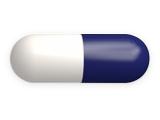
Elmiron (pentosan polysulfate sodium) is a low molecular weight heparinoid compound indicated for the relief of bladder pain or discomfort associated with interstitial cystitis. The exact mechanism is not fully established, but pentosan polysulfate is thought to adhere to the bladder wall, providing a protective coating that buffers the urothelium against irritating solutes in the urine and reduces inflammation. It is taken orally, and although only a small fraction of the drug is excreted in the urine, this fraction is believed to be responsible for the therapeutic effect on the bladder. Elmiron is not an analgesic and does not provide immediate symptom relief; it may take several months to achieve a clinically meaningful response.
Usual adult dose: The recommended dose is 100 mg taken orally three times daily, with or without food. The capsules should be swallowed whole with water. Treatment should be continued for at least 3 to 6 months to assess response, as symptom improvement is often gradual. If a dose is missed, it should be taken as soon as remembered, but two doses should not be taken at the same time. No dose adjustment is required in renal or hepatic impairment; however, caution is advised in patients with bleeding disorders or those taking anticoagulants because of the weak anticoagulant effect of pentosan polysulfate. Elmiron is available only by prescription in Canada.
Dosage form: Hard gelatin capsules: 100 mg (white to off-white, opaque, imprinted with "BNP" and "100"). Available in bottles of 100 capsules.
Onset of action: Symptom relief from interstitial cystitis is typically gradual and may not become apparent until after 3 months of continuous three-times-daily therapy. Maximum benefit may require up to 6 months. Patients should be counselled that the onset is delayed and that treatment must be continued even if early improvement is not observed.
Duration of action: The clinical effect persists as long as the medication is taken regularly three times daily. The elimination half-life of pentosan polysulfate is approximately 4 to 5 hours after oral administration, but the effect on the bladder urothelium is cumulative and depends on continuous dosing. Upon discontinuation, symptoms may gradually return over weeks to months.
Alcohol recommendation: Alcohol should be used with caution during Elmiron therapy. Alcohol can irritate the bladder and may worsen interstitial cystitis symptoms in some patients. In addition, pentosan polysulfate has a mild anticoagulant effect, and alcohol may increase the risk of gastrointestinal bleeding. Patients should limit alcohol intake and report any signs of unusual bruising or bleeding.
Most common side effects: Diarrhea, nausea, abdominal pain, headache, and alopecia (hair loss). Hair loss is usually mild and reversible upon discontinuation. Rare but serious adverse effects include abnormal liver function tests, thrombocytopenia, and bleeding events such as bruising or gastrointestinal hemorrhage. A recent concern is a specific retinal toxicity known as pigmentary maculopathy, which has been reported in patients taking Elmiron long-term; patients should have regular ophthalmologic examinations and report any visual changes such as difficulty reading or adjusting to darkness. Elmiron is contraindicated in patients with known hypersensitivity to pentosan polysulfate or any component of the formulation. It should be used with caution in patients with a history of bleeding, aneurysm, or heparin-induced thrombocytopenia. Elmiron is available only by prescription in Canada and must be prescribed and monitored by a healthcare professional experienced in the management of interstitial cystitis.
Would you like to try Elmiron (Pentosan polysulfate) without a prescription?
Buy Generic Elmiron (Pentosan polysulfate) without prescription in Canada
At our pharmacy, you can buy Elmiron without a prescription, with discreet and anonymous packaging delivered within 5-14 days across Canada.
What is Elmiron?
Elmiron is a medication used to treat interstitial cystitis, also called painful bladder syndrome. The active ingredient is pentosan polysulfate sodium, a drug that forms a protective layer over the damaged lining of the bladder. Interstitial cystitis is a chronic condition where the inner surface of the bladder becomes irritated, inflamed, and leaky. Urine, which is acidic and contains irritants, seeps into the bladder wall and causes pain, urgency, and frequency. Elmiron coats the bladder lining and helps repair the natural barrier, reducing the irritation and the symptoms. It is not a painkiller. It does not work instantly. It rebuilds the protective layer over weeks to months. Many patients begin to notice a reduction in pain and urgency after 3 to 6 months of continuous use. Some people need up to a year to feel the full benefit.
Elmiron is a long-term treatment, not a rescue medication. It is taken by mouth, usually one 100 mg capsule three times a day, with or without food. It is not a cure for interstitial cystitis, but it can significantly reduce the severity of symptoms and improve quality of life. The drug is available as a generic under the name pentosan polysulfate sodium. The brand name Elmiron is manufactured by Janssen. One important caution: Elmiron has been linked to a rare but serious eye condition called pigmentary maculopathy, which can affect vision. This has changed the way doctors monitor patients on the drug and is discussed in detail below.
Mechanism and Pharmacology
Pentosan polysulfate sodium is a semisynthetic polysaccharide that resembles the natural glycosaminoglycans found in the protective mucus layer of the bladder. In interstitial cystitis, this layer is thin or defective. When taken orally, a small fraction of pentosan polysulfate is excreted in the urine, where it adheres to the bladder wall. It forms a temporary, protective coating that blocks irritants and acids from reaching the damaged tissue. It also has mild anti-inflammatory and anticoagulant properties. The coating effect is not permanent, which is why the drug must be taken continuously. When it is stopped, the symptoms often return after a few months.
After oral administration, only about 3 to 6 percent of the dose reaches the urine in active form. The rest is absorbed, metabolized in the liver and spleen, and excreted slowly. The half-life is about 4 to 5 hours, but the clinical effect on the bladder lasts much longer because the drug binds to the bladder wall. Peak plasma levels are reached in about 2 hours. Food does not significantly affect absorption, so the capsules can be taken with or without meals. The drug does not cross the blood-brain barrier and has minimal systemic side effects at the usual dose. However, it does have a mild anticoagulant effect, which is why it should be used cautiously in patients taking blood thinners. The most concerning long-term side effect is the retinal toxicity, which was discovered only recently. The exact mechanism is not fully understood, but it appears to be related to the drug's accumulation in the retinal pigment epithelium over years of continuous use. This is not reversible, and it can lead to permanent vision loss if not detected early.
How to Use Elmiron
The standard dose is one 100 mg capsule taken three times daily, morning, afternoon, and evening. The capsules should be swallowed whole with water. They can be taken with or without food, but taking them at the same times each day helps keep the protective coating steady. Do not crush or chew the capsules. If you miss a dose, take it as soon as you remember, unless it is almost time for the next dose. In that case, skip the missed dose and continue on your regular schedule. Do not double up. The drug is intended for long-term use. Improvement is gradual. Do not stop taking it after a few weeks because you do not feel a difference. It can take three to six months to see the full effect. Your doctor will likely ask you to stay on it for at least six months before deciding whether it is working for you. If it is effective, it is usually continued indefinitely, with regular follow-up.
Because of the risk of pigmentary maculopathy, regular eye examinations are essential. The Canadian Ophthalmological Society and the manufacturer recommend a baseline eye exam before starting Elmiron, then annual exams after five years of use, and more frequent exams if you have been on it for a long time or notice any vision changes. The eye condition can develop silently, with no symptoms at first. Later symptoms include difficulty reading, trouble adjusting to dim light, blurred vision, or seeing dark spots. If you notice any change in your vision, stop the drug and see an ophthalmologist immediately. Early detection is the only way to limit damage. Your doctor will weigh the benefits of Elmiron against this risk, especially if you have pre-existing retinal disease or a family history of macular degeneration. Do not stop the drug on your own without discussing with your doctor, because a sudden stop can cause a flare of bladder symptoms.
Side Effects of Elmiron
The most common side effects are mild and usually improve with time. Diarrhea, nausea, upset stomach, and headache are reported most often. Hair loss can occur in some patients. This is usually mild and reversible when the drug is stopped, but it can be distressing. Some people also experience a rash or dizziness. These side effects are not usually dangerous and often settle within the first few weeks. Taking the capsules with food can reduce stomach upset.
The most serious concern is the retinal toxicity, known as Elmiron-associated pigmentary maculopathy. This condition damages the retina, particularly the macula, which is responsible for sharp central vision. It typically develops after several years of continuous use, often after three to seven years or longer. The risk increases with the total cumulative dose. Symptoms include difficulty reading, blurred vision, dark spots, and trouble seeing in low light. The damage is not reversible, and there is no treatment. That is why the eye monitoring schedule is so important. Another rare but serious side effect is bleeding. Because pentosan polysulfate has mild anticoagulant properties, it can increase the risk of bruising, nosebleeds, and, very rarely, internal bleeding. If you are scheduled for surgery or a dental procedure, tell your doctor you are taking Elmiron, because it may need to be stopped a few days before. Allergic reactions, including rash and swelling, are rare. If you experience sudden vision changes, signs of bleeding, or a severe allergic reaction, seek medical attention immediately.
High-Risk Groups (Elderly, Pregnancy)
Pregnancy. Elmiron is pregnancy category B. Animal studies have not shown fetal harm, but there are no adequate studies in pregnant women. It should be used during pregnancy only if clearly needed. If you are pregnant or planning to become pregnant, discuss with your doctor. Interstitial cystitis can be very painful, and managing it during pregnancy is important, but the safest approach should be individualized. Breastfeeding. It is not known whether pentosan polysulfate passes into breast milk. The manufacturer recommends caution. If you breastfeed while taking Elmiron, monitor the infant for diarrhea or unusual bruising. Discuss with your doctor. Elderly patients are at higher risk of the retinal toxicity because they are more likely to have been on the drug for many years and may already have age-related macular changes. Eye exams are essential. Older adults are also more prone to bleeding and should be monitored carefully if they take anticoagulants. People with a history of bleeding disorders, stomach ulcers, or liver disease should use Elmiron with caution. Those with known retinal disease should discuss the risk with their ophthalmologist before starting. The drug is cleared by the liver and kidneys, so dose adjustment may be needed in severe impairment, though no specific guidelines exist. A complete medication review is essential.
Interaction With Activities (Driving, Alcohol)
Elmiron can cause dizziness and headache. If you feel lightheaded, do not drive or operate machinery until the sensation passes. The effect is usually mild. Alcohol should be limited. Alcohol can irritate the bladder and worsen interstitial cystitis symptoms, working against the drug. It can also increase the risk of stomach upset. While there is no direct pharmacological interaction, it is wise to avoid alcohol, especially during the first months of treatment. If you drink, do so in moderation and pay attention to whether it triggers a bladder flare. Many patients with interstitial cystitis find that alcohol, caffeine, and acidic foods make their symptoms worse. Elmiron does not change that. Avoiding trigger foods is part of managing the condition. The drug itself does not impair alertness or coordination beyond the mild dizziness some people experience.
Drug Interactions
Pentosan polysulfate has a mild anticoagulant effect. It can increase the risk of bleeding when combined with other blood thinners, including warfarin, clopidogrel, apixaban, rivaroxaban, and even high-dose aspirin. If you take any of these, your doctor will monitor you closely and may adjust the doses. The combination is not absolutely forbidden, but it requires caution. Nonsteroidal anti-inflammatory drugs (NSAIDs), like ibuprofen and naproxen, also increase bleeding risk and should be used sparingly. There are no significant interactions with most other medications, because pentosan polysulfate is not metabolized by cytochrome P450 enzymes and does not affect their levels. It can be taken safely with antibiotics, antihypertensives, and antidepressants. Always tell your doctor and pharmacist about all medicines and supplements you take, especially anything that affects bleeding. Do not start or stop Elmiron without medical advice, because stopping can cause a symptom flare.
Alternative Options
For interstitial cystitis, several alternatives exist. Non-drug measures include dietary changes, bladder training, stress management, and physical therapy for pelvic floor dysfunction. Oral medications other than Elmiron include amitriptyline, a tricyclic antidepressant that reduces bladder pain and frequency, and hydroxyzine, an antihistamine that helps with urgency. Intravesical treatments, where medication is instilled directly into the bladder, include dimethyl sulfoxide (DMSO), heparin, and lidocaine. These can provide relief when oral drugs are not enough. Some patients benefit from bladder distension procedures or nerve stimulation. The choice depends on the severity of symptoms and the patient's response. Elmiron is unique because it is the only oral drug that specifically targets the bladder lining. For many patients, it is a cornerstone of therapy. However, the retinal risk has made some doctors and patients hesitant. If you are concerned about the eye effects, discuss alternatives with your urologist. Regular eye monitoring is not optional if you stay on the drug.
INN, Brand Names, and Classification in Canada
INN (International Nonproprietary Name): Pentosan polysulfate sodium
Available brand names in Canada: Elmiron, and generic pentosan polysulfate sodium
ATC code: G04BX15
Forms and strengths: Capsules 100 mg. The standard dose is 100 mg three times daily.
Manufacturers: Janssen Inc. (Elmiron), and generic manufacturers including Apotex Inc. and Teva Canada Limited.
Registration status in Canada: Registered
Classification: Prescription (Rx)
Frequently Asked Questions
How long does Elmiron take to work?
It is slow. Most patients start to feel some improvement after 3 to 6 months of continuous use. Some need up to a year. It is important to keep taking it every day, even when you do not see immediate results. Stopping early because you think it is not working is a common mistake. Give it at least six months before judging.
Will Elmiron cure my interstitial cystitis?
No. There is no cure for interstitial cystitis. Elmiron can significantly reduce symptoms and improve quality of life, but it does not eliminate the condition. The symptoms may return if you stop the drug. It is a long-term management tool, not a one-time treatment.
What is the eye problem associated with Elmiron?
Elmiron can cause a condition called pigmentary maculopathy, which damages the macula, the part of the retina responsible for sharp central vision. It usually develops after years of use. Symptoms include difficulty reading, blurred vision, and trouble seeing in dim light. The damage is permanent, but regular eye exams can catch it early, before severe vision loss occurs.
Can I take Elmiron with my blood thinner?
Elmiron has a mild blood-thinning effect and can increase the risk of bleeding when combined with warfarin, apixaban, or similar drugs. Your doctor may need to adjust your doses and monitor you more closely. Never combine them without medical supervision.
Does Elmiron cause hair loss?
Hair loss is a common but usually mild side effect. It is typically reversible when the drug is stopped. If it is severe or bothersome, talk to your doctor. Sometimes the dose can be adjusted, or an alternative treatment can be tried.
Delivery Information Across Canada
We ship Elmiron and generic pentosan polysulfate sodium to all provinces and territories. Delivery times vary depending on how remote your location is:
- Ontario (Toronto, Ottawa, Mississauga): 5 to 7 days
- Quebec (Montreal, Quebec City, Laval): 5 to 7 days
- British Columbia (Vancouver, Victoria, Burnaby): 5 to 9 days
- Alberta (Calgary, Edmonton, Red Deer): 5 to 9 days
- Manitoba (Winnipeg, Brandon): 5 to 9 days
- Saskatchewan (Saskatoon, Regina): 5 to 9 days
- Nova Scotia (Halifax, Sydney): 5 to 9 days
- New Brunswick (Moncton, Fredericton): 5 to 9 days
- Newfoundland and Labrador (St. John's, Corner Brook): 7 to 14 days
- Prince Edward Island (Charlottetown): 7 to 14 days
- Yukon, Northwest Territories, Nunavut: 7 to 14 days
All shipments are packed discreetly with no branding or indication of contents on the outside.


| Shipping method | Delivery time | Price | |
 Delivery Delivery |
14-21 days | 14.95$ | Tracking# available in 4 days |
 Delivery Delivery |
9-14 days | 30$ | Tracking# available in 2 days |
- Shipping worldwide
- Confidentiality and anonymity guarantee
- Safe and secure
- Discrete looking packages
- Dispatch orders within 24 hours
- 100% success delivery


