


 Secure and Reliable
  High quality
  Worldwide shipping
  Bonuses and Discounts
  Money back Guarantee
 - Bestsellers
- Alcoholism
- COVID-19
- Allergy
- Anti Fungal
- Alzheimers
- Anti Viral
- Anti-Depressants
- Anti-Inflammatory
- Antibacterial
- Antiparasitic
- Antibiotics
- Arthritis
- Asthma
- Birth Control
- Blood Pressure
- Cancer
- Cardiovascular
- Cholesterol
- Diabetes
- Diuretics
- Erectile Dysfunction
- Eye Drop
- Gastro Health
- General Health
- Hair Loss
- Hepatitis C Virus (HCV)
- HIV
- Hormones
- Men's ED Packs
- Men's Health
- Mental Illness
- Motion Sickness
- Muscle Relaxant
- Pain Relief
- Parkinson’s Disease
- Veterinary Medicines
- Quit Smoking
- Vitamins
- Skin Care
- Sleeping Aids
- Weight Loss
- Women's Health
Generic Estrace ( Estradiol )
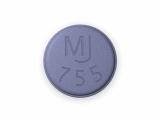
Buy Generic Estrace (Estradiol) without prescription in Canada
In our Canadian pharmacy, you can buy Estrace (Estradiol) without a prescription, with delivery across Canada within 5‑14 days. Discreet and anonymous packaging.
Estrace (estradiol hemihydrate) is a natural estrogen hormone used for the relief of moderate to severe vasomotor symptoms of menopause (hot flushes) and vulvovaginal atrophy, and for the prevention of postmenopausal osteoporosis when other therapies are unsuitable. It works by replacing the estrogen that the ovaries stop producing after menopause, thereby rebalancing hormone levels, stabilising thermoregulation, preserving bone density, and restoring the health of vaginal tissues.
Usual adult dose: The recommended starting dose is 1 mg taken orally once daily, with or without food. Depending on symptom control, the dose may be increased to a maximum of 2 mg once daily. For women with an intact uterus, a progestin must be added for 12‑14 days of each cycle to reduce the risk of endometrial hyperplasia and cancer. Hysterectomized women can take Estrace alone continuously. The lowest effective dose should be used for the shortest possible duration consistent with treatment goals.
Dosage form: Oral film‑coated tablets: 1 mg and 2 mg of estradiol (as estradiol hemihydrate). The 1 mg tablet is typically white, round, and scored; the 2 mg tablet is green or blue depending on the manufacturer.
Onset of action: Relief of menopausal hot flushes and night sweats is typically observed within 2 to 4 weeks of starting therapy, with maximum benefit achieved after 3 to 6 months. Improvement in vaginal dryness may take longer.
Duration of action: The elimination half‑life of estradiol is approximately 12 to 14 hours, but the clinical effects persist for 24 hours with once‑daily dosing. Steady‑state estrogen levels are maintained with regular daily intake. When treatment is discontinued, menopausal symptoms gradually return over days to weeks, and bone loss resumes.
Alcohol recommendation: Alcohol consumption should be limited during treatment with Estrace. Heavy alcohol intake can increase circulating estrogen levels, potentially raising the risk of estrogen‑related side effects and breast cancer. Moderate alcohol consumption (no more than one drink per day) is generally acceptable.
Most common side effects: Breast tenderness or enlargement, nausea, headache, fluid retention (bloating), weight changes, irregular vaginal bleeding or spotting (particularly during the first few months), and mood changes. These effects are often dose‑dependent and may diminish with continued use or dose reduction. Rare but serious risks include endometrial cancer (in women with an intact uterus who do not take a progestin), venous thromboembolism (blood clots), stroke, breast cancer, ovarian cancer, and gallbladder disease.
Would you like to try Estrace (Estradiol) without a prescription?
General Information about Estrace (Estradiol)
- INN (International Nonproprietary Name): Estradiol (as estradiol hemihydrate).
- Brand names available in Canada: Estrace® (BGP Pharma ULC, a division of Pfizer Canada Inc.) is the brand‑name product for estradiol hemihydrate tablets. Generic versions are widely available and include APO‑Estradiol (Apotex Inc.), TEVA‑Estradiol (Teva Canada Limited), Sandoz Estradiol (Sandoz Canada Inc.), PMS‑Estradiol (Pharmascience Inc.), and many others. Estradiol is also available in transdermal patches, gels, and vaginal formulations.
- ATC code: G03CA03 (estradiol; natural and semisynthetic estrogens, plain).
- Dosage forms and strengths: Oral film‑coated tablets: 0.5 mg, 1 mg, and 2 mg of estradiol (as estradiol hemihydrate). The 1 mg tablet is typically white, round, and scored; the 2 mg tablet is green or blue depending on the manufacturer.
- Manufacturers in Canada: BGP Pharma ULC (Estrace), Apotex Inc., Teva Canada Limited, Sandoz Canada Inc., Pharmascience Inc., and other generic pharmaceutical companies.
- Registration status in Canada: Approved by Health Canada. Marketed. DINs: 02005898 (Estrace 1 mg), 02005901 (Estrace 2 mg), and numerous generic DINs. First approved in Canada in the 1990s.
- OTC / Rx classification: Prescription only (Rx). Schedule I drug under the Controlled Drugs and Substances Act. A valid prescription from a licensed Canadian healthcare professional is required.
Mechanism of Action and Pharmacology
Estradiol is the most potent naturally occurring estrogen and is chemically identical to the estrogen produced by the ovaries in premenopausal women. It exerts its effects by binding to estrogen receptors (ER‑α and ER‑β) located in many tissues, including the hypothalamus, bone, breast, endometrium, and vagina. In the hypothalamus, estrogen restores thermoregulatory stability, reducing the frequency and severity of hot flushes. In bone, it inhibits the activity of osteoclasts and reduces bone resorption, thereby preserving bone mineral density and lowering the risk of vertebral fractures. In the vaginal epithelium, it restores thickness, glycogen content, and lubrication, alleviating symptoms of vaginal atrophy such as dryness, itching, and dyspareunia. Estradiol also has favourable effects on lipid metabolism, increasing high‑density lipoprotein (HDL) cholesterol and decreasing low‑density lipoprotein (LDL) cholesterol. In women with an intact uterus, unopposed estrogen therapy stimulates endometrial proliferation and increases the risk of endometrial hyperplasia and cancer; therefore, a progestin must be added to oppose this effect. In hysterectomized women, estrogen alone is sufficient.
After oral administration, estradiol is well absorbed from the gastrointestinal tract. It undergoes extensive first‑pass hepatic metabolism, primarily to estrone and estriol. Estradiol is highly protein‑bound (to sex‑hormone‑binding globulin and albumin). The elimination half‑life of estradiol is approximately 12‑14 hours. Metabolites are excreted in the urine. The 1 mg dose provides a low to moderate level of estrogen replacement; the 2 mg dose provides a moderate level, suitable for women who have persistent symptoms on the lower dose or who require higher bone protection.
Indications
- Vasomotor symptoms of menopause: For the relief of moderate to severe hot flushes (flashes) and night sweats associated with natural or surgical menopause.
- Vulvovaginal atrophy: For the treatment of moderate to severe symptoms of vulvar and vaginal atrophy (dryness, irritation, itching, and dyspareunia) in postmenopausal women. When used solely for vulvovaginal atrophy, topical vaginal preparations should be considered.
- Prevention of postmenopausal osteoporosis: For the prevention of bone loss and osteoporotic fractures in women with significant risk factors who are unable to take other osteoporosis therapies. The 2 mg dose provides greater bone‑sparing effects than 1 mg, but the lowest effective dose for both bone and symptom relief should be used.
- Estrace is not indicated for the treatment of cognitive decline, cardiovascular disease, or for use in premenopausal women, children, or men. It should be used for the shortest duration at the lowest effective dose consistent with treatment goals.
Important Warnings and Precautions
At‑risk groups
- Pregnancy: Estrace is absolutely contraindicated during pregnancy. There is no known indication for estrogen therapy during pregnancy. If pregnancy occurs, the medication must be discontinued immediately. Women of childbearing potential should use effective non‑hormonal contraception.
- Breastfeeding: Estrogen therapy reduces the quantity and quality of breast milk. Small amounts of estrogen are excreted in breast milk. Estrace should not be used during breastfeeding.
- Paediatrics (< 18 years): Safety and efficacy have not been established in children. Estrace is not indicated for paediatric use.
- Elderly (> 65 years): Initiation of estrogen therapy in women older than 65 years should only be undertaken after careful individual assessment of the risks and benefits, as the absolute risks of stroke, venous thromboembolism, and dementia are higher in this age group. The lowest effective dose should be used.
- Endometrial cancer risk: Unopposed estrogen therapy increases the risk of endometrial hyperplasia and endometrial cancer. In women with an intact uterus, a progestin must be added for 12‑14 days per month to reduce this risk. Any unexplained vaginal bleeding should be investigated promptly.
- Venous thromboembolism (VTE): Estrogen therapy increases the risk of deep vein thrombosis and pulmonary embolism, particularly in the first year of use and in women with thrombophilia, obesity, or prolonged immobilisation. The risk with oral estrogen is higher than with transdermal preparations. Estrace should be discontinued at least 4 weeks before major surgery or during prolonged immobility.
- Stroke and cardiovascular disease: Estrogen therapy is associated with an increased risk of ischaemic stroke. It should not be used for the prevention of cardiovascular disease. Women with pre‑existing cardiovascular disease should use estrogen with extreme caution.
- Breast cancer: Long‑term use of combined estrogen‑progestin therapy has been associated with an increased risk of breast cancer. The risk increases with duration of use. Estrogen‑alone therapy (in hysterectomized women) may also increase breast cancer risk, though to a lesser extent. All women should undergo regular breast examinations and mammography.
- Gallbladder disease: Estrogen therapy increases the risk of gallstone formation and cholecystitis.
- Hepatic impairment: Estrace is contraindicated in patients with severe liver disease or a history of cholestatic jaundice. Use with caution in mild to moderate hepatic impairment; liver function tests should be monitored.
- Hypertriglyceridemia: Estrogen therapy can cause severe hypertriglyceridemia and pancreatitis in women with pre‑existing hypertriglyceridemia. Serum triglycerides should be monitored.
- Dementia: Estrogen therapy initiated in women over 65 has been associated with an increased risk of probable dementia. It is not recommended for the prevention of cognitive decline.
- Allergy: Do not take Estrace if you have a known hypersensitivity to estradiol or any excipient in the tablet formulation.
Driving and alcohol
Estrace is not known to impair the ability to drive or operate machinery. However, some patients may experience dizziness or fatigue, particularly at the start of therapy. Patients should ensure they are not adversely affected before driving. Alcohol consumption should be limited during treatment. Heavy alcohol intake can increase circulating estrogen levels, potentially increasing the risk of estrogen‑related side effects and breast cancer. Moderate alcohol consumption (no more than one drink per day) is generally acceptable.
Dosage Instructions
- Standard adult dose (postmenopausal women): The recommended starting dose is 1 mg taken orally once daily. The dose may be increased to 2 mg once daily if symptom relief is inadequate after several weeks. The tablet may be taken at any time of day, with or without food, but a consistent routine (e.g., each morning) helps establish a habit. For women with an intact uterus, a progestin must be added for 12‑14 days per month (e.g., medroxyprogesterone acetate 5‑10 mg daily or micronized progesterone 200 mg daily) to protect the uterine lining. Hysterectomized women can take Estrace alone continuously without a progestin.
- Administration: Swallow the tablet whole with a glass of water; do not crush, chew, or split the tablet. Taking it with food may help reduce nausea. Adherence to daily dosing is important for symptom control and bone protection.
- Missed dose: If a dose is missed, take it as soon as remembered on the same day. If it is close to the time of the next scheduled dose, skip the missed dose and resume the regular once‑daily schedule. Do not double the dose.
- Duration of therapy: Estrace should be used for the shortest possible duration at the lowest effective dose consistent with treatment goals. The need for continued therapy should be reassessed periodically (e.g., every 6‑12 months). For osteoporosis prevention, long‑term therapy may be required, but the risks should be weighed against the benefits.
- Discontinuation for surgery: Estrace should be discontinued at least 4 weeks before major surgery or any procedure associated with prolonged immobilisation, to reduce the risk of blood clots. It may be restarted only after the patient is fully ambulatory.
Side Effects and Contraindications
- Very common side effects (≥ 10%): Breast tenderness or enlargement, and breakthrough uterine bleeding or spotting (especially during the first 3‑6 months of therapy).
- Common side effects (1‑10%): Nausea, bloating, weight gain, headache, dizziness, mood swings, depression, and leg cramps. These effects are often dose‑dependent and may diminish with continued use or dose reduction. The 2 mg dose is associated with a higher incidence of these effects than the 1 mg dose.
- Serious adverse reactions: Endometrial hyperplasia and endometrial cancer (in women with an intact uterus taking unopposed estrogen); venous thromboembolism (deep vein thrombosis, pulmonary embolism); ischaemic stroke; myocardial infarction; breast cancer; ovarian cancer; gallbladder disease requiring surgery; probable dementia (in women initiating therapy after age 65); pancreatitis from severe hypertriglyceridemia; and cholestatic jaundice.
- Post‑marketing reports: Erythema multiforme, erythema nodosum, and anaphylaxis have been reported rarely.
- Contraindications: Known or suspected pregnancy; breastfeeding; undiagnosed abnormal genital bleeding; known, suspected, or history of breast cancer; known or suspected estrogen‑dependent neoplasia (e.g., endometrial cancer); active or past history of venous thromboembolism; thrombophilia; active or recent arterial thromboembolic disease (e.g., myocardial infarction, stroke); severe liver disease or history of cholestatic jaundice; known hypersensitivity to estradiol or any excipient.
Drug Interactions
- Enzyme‑inducing drugs (reduce estrogen efficacy): Rifampicin, rifabutin, carbamazepine, phenobarbital, phenytoin, primidone, oxcarbazepine, topiramate, griseofulvin, and St. John’s wort can increase the hepatic metabolism of estrogens and may reduce their therapeutic effect, leading to recurrence of menopausal symptoms and reduced bone protection. A higher dose of Estrace or alternative non‑hormonal therapy may be required.
- CYP3A4 inhibitors (increase estrogen exposure): Ketoconazole, itraconazole, clarithromycin, ritonavir, and grapefruit juice may increase circulating estrogen levels. Monitoring for estrogen‑related side effects is recommended.
- Warfarin and other anticoagulants: Estrogen therapy may alter the metabolism of warfarin and affect prothrombin time. Close monitoring of the INR is advised when initiating or discontinuing estrogen.
- Thyroid hormone: Estrogen increases thyroid‑binding globulin, which may reduce free thyroid hormone levels. Women on levothyroxine may need a dose increase; thyroid function should be monitored.
- Other hormonal contraceptives: Concomitant use with other estrogen‑ or progestin‑containing contraceptives is not recommended, as it may increase estrogenic and progestogenic side effects.
- Alcohol: Heavy alcohol consumption may increase circulating estrogen levels. Limit alcohol to moderate amounts.
Practical Advice
- Administration: Take one tablet at approximately the same time each day, with or without food. Swallow whole with water. If you have an intact uterus, ensure you are also taking your prescribed progestin as directed. Do not skip the progestin component, as it protects the uterine lining.
- Monitoring: All women should have a complete medical history and physical examination, including a breast examination, pelvic examination, and blood pressure measurement, before starting therapy and at regular intervals during treatment. Mammography should be performed according to age‑appropriate screening guidelines. In women with an intact uterus, any unexplained or persistent vaginal bleeding requires prompt investigation, which may include endometrial biopsy. Liver function tests and serum triglycerides should be monitored in at‑risk patients. Bone mineral density should be monitored every 1‑2 years if Estrace is used for osteoporosis prevention.
- Storage: Store at room temperature (15‑30 °C) in a dry place, protected from moisture and light. Keep the container tightly closed. Keep out of the reach and sight of children.
- Lifestyle: Estrace is most effective when combined with a healthy lifestyle, including a balanced diet rich in calcium and vitamin D, regular weight‑bearing exercise, smoking cessation, and moderation of alcohol. Avoid prolonged immobilisation; when travelling, move legs periodically to reduce the risk of blood clots. If you are scheduled for surgery, inform your surgeon that you are taking estrogen therapy; the medication may need to be discontinued temporarily.
- Missed dose: If you miss a dose, take it as soon as you remember on the same day. If it is almost time for your next dose, skip the missed dose and return to your regular schedule. Do not take a double dose.
- When to seek medical review: Stop Estrace and contact your doctor immediately if you experience: signs of a blood clot (leg pain/swelling, sudden chest pain, coughing up blood, sudden shortness of breath); signs of a stroke (sudden severe headache, confusion, weakness on one side of the body, vision changes); signs of liver injury (jaundice, dark urine, right upper abdominal pain); a new breast lump; or unexplained heavy or prolonged vaginal bleeding. Seek emergency care for any of these symptoms.
- Disposal: Return unused or expired medication to a pharmacy for safe disposal. Do not flush down the toilet or discard in household waste.
Alternative Medications
- Lower‑dose oral estradiol: Estrace 0.5 mg daily provides lower systemic estrogen exposure with a potentially more favourable safety profile. The 1 mg and 2 mg doses are standard starting and maintenance doses; some women may achieve adequate symptom relief with 0.5 mg.
- Transdermal estradiol (patch, gel, spray): Transdermal estrogen bypasses first‑pass hepatic metabolism, reducing the risk of venous thromboembolism compared with oral estrogen. Patches (e.g., Estradot®, Climara®) and gels (e.g., Estrogel®) are approved in Canada and provide steady estrogen levels. They are preferred for women with hypertriglyceridemia or risk factors for VTE.
- Conjugated estrogens (Premarin®): A mixture of estrogens derived from pregnant mare’s urine, available in oral tablets (0.3 mg, 0.625 mg, etc.). It has a similar efficacy and risk profile to estradiol.
- Combined estrogen‑progestin products: Activelle® (estradiol plus norethindrone) and Premplus® (conjugated estrogens plus medroxyprogesterone) provide both hormones in a single tablet for women with an intact uterus, simplifying the regimen.
- Non‑hormonal therapies for hot flushes: Selective serotonin reuptake inhibitors (SSRIs) such as paroxetine (Paxil®) and serotonin‑norepinephrine reuptake inhibitors (SNRIs) such as venlafaxine (Effexor®) can reduce vasomotor symptoms. Gabapentin (Neurontin®) is also effective for some women. Clonidine and oxybutynin have also been studied.
- Non‑pharmacological approaches: Lifestyle modifications including dressing in layers, keeping the bedroom cool, avoiding hot beverages and spicy foods, regular exercise, and stress reduction techniques can help manage mild hot flushes without medication.
Clinical Efficacy
The efficacy of estradiol for the relief of menopausal symptoms and prevention of osteoporosis has been demonstrated in numerous randomised controlled trials. Estradiol 1 mg and 2 mg daily significantly reduce the frequency and severity of hot flushes by approximately 75‑90%, with significant improvement within 2‑4 weeks. The 2 mg dose provides greater bone‑sparing effects than 1 mg, with increases in bone mineral density of 3‑6% over 2 years at the lumbar spine. The Women’s Health Initiative (WHI) and other large prospective studies have established the risk‑benefit profile of estrogen therapy: unopposed estrogen reduces the risk of osteoporotic fractures but is associated with increased risks of stroke, venous thromboembolism, and, with long‑term use, breast cancer. The addition of a progestin for endometrial protection further modifies the risk profile. Current Canadian and international guidelines recommend using the lowest effective dose for the shortest possible duration, and individualising therapy based on age, time since menopause, and presence or absence of the uterus. The 1 mg dose is often sufficient for symptom relief in many women; the 2 mg dose is reserved for those who do not respond adequately to the lower dose, with careful risk‑benefit assessment.
Important:
Estrace (estradiol) is a prescription medication that should be used only under the supervision of a qualified healthcare professional. It carries serious risks, including an increased risk of endometrial cancer if used without a progestin in women with an intact uterus, and an increased risk of blood clots (venous thromboembolism), stroke, and breast cancer. You must not take Estrace if you are pregnant, breastfeeding, or have a history of blood clots, liver disease, or hormone‑dependent cancers. Seek immediate medical attention if you develop symptoms of a blood clot, stroke, or liver problems. This medication should be used at the lowest effective dose for the shortest possible duration. This information is not a substitute for professional medical advice, diagnosis, or treatment.


| Shipping method | Delivery time | Price | |
 Delivery Delivery |
14-21 days | 14.95$ | Tracking# available in 4 days |
 Delivery Delivery |
9-14 days | 30$ | Tracking# available in 2 days |
- Shipping worldwide
- Confidentiality and anonymity guarantee
- Safe and secure
- Discrete looking packages
- Dispatch orders within 24 hours
- 100% success delivery


