


 Secure and Reliable
  High quality
  Worldwide shipping
  Bonuses and Discounts
  Money back Guarantee
 - Bestsellers
- Alcoholism
- COVID-19
- Allergy
- Anti Fungal
- Alzheimers
- Anti Viral
- Anti-Depressants
- Anti-Inflammatory
- Antibacterial
- Antiparasitic
- Antibiotics
- Arthritis
- Asthma
- Birth Control
- Blood Pressure
- Cancer
- Cardiovascular
- Cholesterol
- Diabetes
- Diuretics
- Erectile Dysfunction
- Eye Drop
- Gastro Health
- General Health
- Hair Loss
- Hepatitis C Virus (HCV)
- HIV
- Hormones
- Men's ED Packs
- Men's Health
- Mental Illness
- Motion Sickness
- Muscle Relaxant
- Pain Relief
- Parkinson’s Disease
- Veterinary Medicines
- Quit Smoking
- Vitamins
- Skin Care
- Sleeping Aids
- Weight Loss
- Women's Health
Generic Ezetimibe
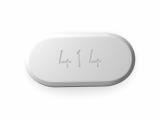
Buy Generic Ezetimibe () without prescription in Canada
In our Canadian pharmacy, you can buy Ezetimibe without a prescription, with delivery across Canada within 5-14 days. Discreet and anonymous packaging.
Ezetimibe is a lipid-lowering medication that works by selectively inhibiting the absorption of cholesterol and related plant sterols in the small intestine. It acts at the brush border of the small intestine, blocking the Niemann-Pick C1-Like 1 (NPC1L1) protein, which is responsible for transporting dietary and biliary cholesterol into the enterocyte. This reduces the delivery of intestinal cholesterol to the liver, leading to a decrease in hepatic cholesterol stores and an increase in clearance of cholesterol from the blood. Ezetimibe is used alone or, more commonly, in combination with a statin, to lower elevated total cholesterol, low-density lipoprotein cholesterol (LDL-C), and apolipoprotein B in patients with primary hypercholesterolaemia, and to reduce the risk of cardiovascular events in patients with coronary heart disease and a history of acute coronary syndrome.
Usual adult dose: The recommended dose is 10 mg taken orally once daily, at any time of day, with or without food. When ezetimibe is combined with a statin, the two medications can be taken at the same time. Therapy should be combined with a cholesterol-lowering diet, and lipid levels should be monitored periodically to assess response. No dose adjustment is required for elderly patients or those with mild hepatic impairment or mild to moderate renal impairment. The 10 mg tablet is the only standard strength.
Dosage form: Oral tablet, 10 mg.
Onset of action: Ezetimibe begins to lower cholesterol within 2 weeks of starting daily therapy, and the maximal lipid-lowering effect is typically achieved after 4 to 6 weeks of continuous treatment. Levels of LDL-C, total cholesterol, and triglycerides should be checked after at least 2 to 4 weeks of therapy to assess the response.
Duration of action: The cholesterol-lowering effect is maintained as long as the drug is taken daily. The elimination half-life of ezetimibe and its active metabolite, ezetimibe-glucuronide, is approximately 22 hours, supporting once-daily dosing. Discontinuation leads to a gradual return of cholesterol levels to pre-treatment values over several weeks.
Alcohol recommendation: Alcohol consumption does not directly interfere with the mechanism of action of Ezetimibe. However, excessive alcohol intake can raise triglyceride levels, contribute to liver damage, and increase the risk of myopathy when ezetimibe is combined with a statin. Moderate alcohol consumption is generally acceptable, but patients with liver disease or heavy alcohol use should discuss their intake with their physician.
Most common side effects: Ezetimibe is generally well tolerated. When used as monotherapy, common side effects include upper respiratory tract infection, diarrhoea, arthralgia, sinusitis, and fatigue. When combined with a statin, the most common side effects are nasopharyngitis, myalgia, back pain, and headache. Rare but serious adverse effects include myopathy and rhabdomyolysis (particularly when combined with a statin), elevated liver transaminases, pancreatitis, cholelithiasis, and hypersensitivity reactions including angioedema, rash, and anaphylaxis. Liver function tests should be monitored when ezetimibe is co-administered with a statin.
Would you like to try Ezetimibe without a prescription?
General Information about Ezetimibe
- INN (International Nonproprietary Name): Ezetimibe
- Brand names available in Canada: Ezetrol® (Merck Canada Inc.) is the original brand-name product. Generic ezetimibe tablets are widely available and include APO-Ezetimibe (Apotex Inc.), TEVA-Ezetimibe (Teva Canada Limited), Sandoz Ezetimibe (Sandoz Canada Inc.), PMS-Ezetimibe (Pharmascience Inc.), and many others. Ezetimibe is also available in fixed-dose combinations with atorvastatin (Atozet®) and with rosuvastatin (Rosuzet®).
- ATC code: C10AX09 (ezetimibe; other lipid modifying agents)
- Dosage forms and strengths: Oral tablet, 10 mg. The tablet is typically white, capsule-shaped, and debossed with "414" on one side (brand Ezetrol) or various markings on generic versions.
- Manufacturers in Canada: Merck Canada Inc. (Ezetrol), Apotex Inc., Teva Canada Limited, Sandoz Canada Inc., Pharmascience Inc., and other generic manufacturers.
- Registration status in Canada: Approved by Health Canada. Ezetrol received its Notice of Compliance on August 22, 2003. DIN: 02255856. Multiple generic formulations are currently marketed and available by prescription.
- OTC / Rx classification: Prescription only (Rx). Schedule I drug under the Controlled Drugs and Substances Act. A valid prescription from a licensed Canadian healthcare professional is required.
Mechanism of Action and Pharmacology
Ezetimibe is the first member of a unique class of lipid-lowering agents that selectively inhibit the intestinal absorption of cholesterol and related plant sterols. It is localised and acts at the brush border of the small intestine, where it specifically blocks the Niemann-Pick C1-Like 1 (NPC1L1) protein. This protein is the critical cholesterol transporter responsible for the uptake of dietary and biliary cholesterol from the intestinal lumen into the enterocyte. By inhibiting NPC1L1, ezetimibe reduces the amount of cholesterol delivered from the intestine to the liver by approximately 50-55%. This reduction in hepatic cholesterol stores leads to two compensatory effects: an upregulation of hepatic low-density lipoprotein (LDL) receptors, which increases the clearance of LDL-cholesterol from the plasma, and a reduction in the synthesis and secretion of very-low-density lipoproteins (VLDL). The net result is a lowering of total cholesterol, LDL-cholesterol, apolipoprotein B, and non-high-density lipoprotein (non-HDL) cholesterol. Ezetimibe does not affect the absorption of fat-soluble vitamins (A, D, E, K), triglycerides, or bile acids. Unlike statins, ezetimibe does not inhibit cholesterol synthesis in the liver.
After oral administration, ezetimibe is rapidly absorbed and extensively conjugated in the intestinal wall and liver to its pharmacologically active phenolic glucuronide, ezetimibe-glucuronide. The parent drug and its active metabolite both contribute to the cholesterol-lowering effect. Peak plasma concentrations of total ezetimibe (ezetimibe plus ezetimibe-glucuronide) are reached within 1 to 2 hours of an oral dose. Food does not affect the extent of absorption; therefore, ezetimibe can be taken with or without food. Ezetimibe and its metabolite are highly protein-bound (greater than 90%). The enterohepatic recirculation of the drug contributes to a prolonged terminal elimination half-life of approximately 22 hours, supporting once-daily dosing. The majority of an oral dose is excreted in the faeces (approximately 78%) as unchanged ezetimibe and its glucuronide; about 11% is excreted in the urine. Ezetimibe does not inhibit or induce cytochrome P450 enzymes and has a low potential for clinically significant drug-drug interactions.
Indications
- Primary hypercholesterolaemia: As an adjunct to diet, alone or in combination with an HMG-CoA reductase inhibitor (statin), to reduce elevated total cholesterol, LDL-cholesterol, apolipoprotein B, and non-HDL-cholesterol in patients with heterozygous familial or non-familial hypercholesterolaemia. Ezetimibe monotherapy is indicated for patients who are statin-intolerant or for whom a statin is contraindicated.
- Homozygous familial hypercholesterolaemia (HoFH): In combination with a statin and other lipid-lowering therapies (e.g., LDL apheresis) to reduce LDL-C in patients with this severe genetic disorder. If a statin is not tolerated or contraindicated, ezetimibe may be used as monotherapy.
- Homozygous sitosterolaemia (phytosterolaemia): To reduce elevated levels of plant sterols (sitosterol and campesterol) in patients with this rare genetic disorder.
- Cardiovascular risk reduction: Ezetimibe, when added to simvastatin, has been shown to reduce the risk of major cardiovascular events (cardiovascular death, nonfatal myocardial infarction, nonfatal stroke, or unstable angina requiring hospitalisation) in patients with coronary heart disease and a history of acute coronary syndrome. The landmark IMPROVE-IT trial demonstrated a significant incremental benefit of adding ezetimibe 10 mg to simvastatin 40 mg compared with simvastatin 40 mg alone.
- Ezetimibe is not indicated for the treatment of hypertriglyceridaemia or for patients with severe hepatic impairment (Child-Pugh Class C). Safety and efficacy in paediatric patients under 10 years of age have not been established.
Important Warnings and Precautions
At-risk groups
- Pregnancy: Ezetimibe should be used during pregnancy only if the potential benefit clearly outweighs the potential risk to the foetus. There are limited data on the use of ezetimibe in pregnant women. Animal studies have shown no teratogenic effects, but the safety in human pregnancy has not been established. Cholesterol and other products of cholesterol biosynthesis are essential for fetal development. The combination of ezetimibe with a statin is contraindicated during pregnancy and in women who may become pregnant. Women of childbearing potential should use effective contraception during combination therapy. If pregnancy occurs, ezetimibe should be discontinued.
- Breastfeeding: It is not known whether ezetimibe is excreted in human breast milk. In rats, ezetimibe and its metabolite were excreted in milk. Because many drugs are excreted in human milk, ezetimibe should not be used during breastfeeding unless the potential benefit justifies the potential risk to the nursing infant. The combination of ezetimibe with a statin is contraindicated during breastfeeding.
- Paediatrics: The safety and efficacy of ezetimibe in children under 10 years of age have not been established. Ezetimibe is approved for use in paediatric patients aged 10 years and older with heterozygous familial hypercholesterolaemia. Dosing is based on age and body weight; the usual dose is 10 mg once daily for patients weighing at least 25 kg. Use in children with homozygous familial hypercholesterolaemia or sitosterolaemia should be managed by a specialist.
- Elderly: No dose adjustment is required based on age alone. The efficacy and safety of ezetimibe in elderly patients (65 years and older) are comparable to those in younger adults. However, elderly patients may be at increased risk of myopathy when ezetimibe is combined with a statin, particularly those with renal impairment, frailty, or on multiple medications.
- Hepatic impairment: Ezetimibe is not recommended in patients with moderate to severe hepatic impairment (Child-Pugh Class B or C), as data are limited and drug exposure may be increased. In mild hepatic impairment (Child-Pugh Class A), no dose adjustment is required. Liver function tests (ALT, AST) should be measured before starting therapy and periodically thereafter, especially when ezetimibe is co-administered with a statin.
- Renal impairment: No dose adjustment is required in patients with mild to moderate renal impairment. In patients with severe renal disease (creatinine clearance less than 30 mL/min or on dialysis), ezetimibe should be used with caution, and the combination with a statin should be carefully monitored. The risk of myopathy and rhabdomyolysis is increased when ezetimibe is combined with a statin in patients with renal dysfunction.
- Myopathy and rhabdomyolysis: Cases of myopathy (muscle pain, tenderness, or weakness with creatine kinase levels more than 10 times the upper limit of normal) and rhabdomyolysis have been reported with ezetimibe, predominantly when used in combination with a statin. The risk is increased in elderly patients, those with renal impairment, hypothyroidism, and those taking higher doses of statins or concomitant medications that increase statin levels (e.g., strong CYP3A4 inhibitors). Patients should be advised to report unexplained muscle pain, tenderness, or weakness promptly, and creatine kinase (CK) levels should be measured. If CK levels are markedly elevated, or myopathy is diagnosed or suspected, ezetimibe and the statin should be discontinued immediately.
- Elevated liver enzymes: When ezetimibe is co-administered with a statin, liver transaminases (ALT, AST) may rise. Liver function should be monitored before starting combination therapy and periodically thereafter. In patients with persistent elevations of transaminases greater than 3 times the upper limit of normal, the combination should be used with caution and possibly discontinued.
- Allergy: Do not take Ezetimibe if you have a known hypersensitivity to ezetimibe or any excipient in the tablet formulation. Hypersensitivity reactions, including anaphylaxis, angioedema, rash, and urticaria, have been reported.
Driving and alcohol
Ezetimibe is not known to impair the ability to drive or operate machinery. No specific studies on the effects of ezetimibe on driving performance have been conducted. Alcohol consumption should be moderate during treatment. Heavy alcohol intake can increase the risk of liver toxicity, particularly when ezetimibe is combined with a statin, and may worsen hypertriglyceridaemia. Patients with significant alcohol use should be counselled about these risks.
Dosage Instructions
- Standard adult dose: 10 mg taken orally once daily, at any time of day, with or without food. If combined with a statin, the two medications can be taken at the same time. The dose should be taken consistently, and adherence to the prescribed regimen is important to achieve and maintain the desired lipid-lowering effect. No dose adjustment is required for age, sex, race, or mild hepatic or renal impairment.
- Combination therapy: When ezetimibe is prescribed with a statin, the lowest effective dose of the statin should be used, and the combination tablet (e.g., Atozet, Rosuzet) may be more convenient. Patients should follow their physician's instructions regarding the specific statin and dose.
- Monitoring: Lipid profile (total cholesterol, LDL-C, HDL-C, triglycerides) should be assessed at least 2-4 weeks after starting therapy or after a dose change, and periodically thereafter. In patients on ezetimibe-statin combination, liver function tests (ALT, AST) should be checked before starting therapy and as clinically indicated. If symptoms of myopathy develop, CK levels should be measured immediately.
- Administration: Swallow the tablet whole with a glass of water. It may be taken at any time of day, with or without food, but a consistent daily routine (e.g., each morning or evening) is recommended for adherence. Do not crush, chew, or split the tablet.
- Missed dose: If a dose is missed, take it as soon as remembered on the same day. If it is close to the time of the next scheduled dose, skip the missed dose and continue with the regular once-daily schedule. Do not double the dose.
- Duration of therapy: Ezetimibe is intended for long-term therapy. The need for continued treatment should be reassessed periodically, and lipid levels should be monitored to confirm the response. If the drug is discontinued, cholesterol levels will gradually return to pre-treatment values.
Side Effects and Contraindications
- Common side effects (monotherapy, incidence ≥ 1%): Upper respiratory tract infection, diarrhoea, arthralgia (joint pain), sinusitis, and fatigue. Headache and back pain have also been reported.
- Common side effects (combination with a statin, incidence ≥ 1%): Nasopharyngitis, myalgia (muscle pain), back pain, arthralgia, headache, and elevated liver transaminases (ALT, AST).
- Serious adverse reactions: Myopathy and rhabdomyolysis (particularly with statin co-administration), hepatotoxicity (elevated liver enzymes, hepatitis, and rarely hepatic failure), pancreatitis, cholelithiasis (gallstones), and hypersensitivity reactions including angioedema, rash, urticaria, and anaphylaxis. In the IMPROVE-IT trial, the addition of ezetimibe to simvastatin did not increase the overall risk of myopathy, cancer, or haemorrhagic stroke compared with simvastatin alone.
- Contraindications: Hypersensitivity to ezetimibe or any excipient in the tablet. When used in combination with a statin, the contraindications to the specific statin also apply (e.g., active liver disease or unexplained persistent elevations in hepatic transaminases, pregnancy and breastfeeding, and concomitant use with strong CYP3A4 inhibitors for certain statins). Ezetimibe monotherapy is contraindicated in patients with severe hepatic impairment (Child-Pugh Class C).
Drug Interactions
- Statins (atorvastatin, rosuvastatin, simvastatin, etc.): No clinically significant pharmacokinetic interaction has been observed between ezetimibe and most statins. The combination is well tolerated and provides additive LDL-C lowering. However, the risk of myopathy and rhabdomyolysis is increased with combination therapy, particularly in patients with predisposing factors. Monitor liver function and CK when initiating or adjusting doses.
- Fibrates (fenofibrate, gemfibrozil): Ezetimibe may be combined with fenofibrate, but caution is advised because fibrates can increase the risk of cholelithiasis and myopathy. Ezetimibe increased fenofibrate exposure by approximately 1.5-fold; the clinical significance is unknown. Gemfibrozil increased ezetimibe exposure by about 1.7-fold; this may increase the risk of adverse effects, but no dose adjustment is required for short-term therapy.
- Cyclosporine: Cyclosporine, an immunosuppressant and a strong CYP3A4 and P-glycoprotein inhibitor, increases ezetimibe exposure approximately 2.3-fold. Cyclosporine levels should be monitored in patients taking ezetimibe, particularly when initiating or discontinuing the drug. The combination should be used with caution, especially in renal transplant recipients, and the dose of ezetimibe should not exceed 10 mg daily.
- Bile acid sequestrants (cholestyramine, colestipol): Cholestyramine significantly reduces the absorption of ezetimibe if taken simultaneously. Ezetimibe should be taken at least 2 hours before or 4 hours after a bile acid sequestrant to minimise this interaction.
- Warfarin: Ezetimibe does not significantly affect the pharmacokinetics of warfarin, and no clinically relevant interaction has been observed. However, INR should be monitored periodically in patients taking warfarin with ezetimibe and a statin, as statins may slightly potentiate the anticoagulant effect.
- Oral contraceptives: Ezetimibe had no clinically significant effect on the pharmacokinetics of ethinyl estradiol or norethindrone in a study of oral contraceptives. No dose adjustment of oral contraceptives is required.
- Antacids: No significant interaction with aluminium- and magnesium-containing antacids has been observed. Ezetimibe can be taken with antacids.
- Food and alcohol: Food does not affect the absorption of ezetimibe. Alcohol should be consumed in moderation, particularly in patients taking concomitant statins, because of the increased risk of hepatotoxicity.
Practical Advice
- Administration: Take one 10 mg tablet once daily at the same time each day. Swallow the tablet whole with a glass of water; it can be taken with or without food. Consistency is key - a morning or evening routine will help you remember. If you are also taking a statin, you may take both medications together. Do not stop taking ezetimibe without consulting your doctor, as your cholesterol levels will rise again.
- Monitoring: Your doctor will check your fasting lipid profile (total cholesterol, LDL-C, HDL-C, triglycerides) before starting therapy and at regular intervals (usually 4-12 weeks after starting or changing the dose, and then every 6-12 months once stable). Liver function tests (ALT, AST) should be checked before starting combination therapy with a statin and periodically thereafter. If you experience unexplained muscle pain, tenderness, or weakness, contact your doctor immediately; a CK test may be needed.
- Storage: Store at room temperature (15-30 °C) in a dry place, protected from moisture and light. Keep the container tightly closed and out of the reach and sight of children.
- Lifestyle: Ezetimibe is most effective when combined with a cholesterol-lowering diet low in saturated and trans fats, regular physical activity, weight management, and smoking cessation. It is not a substitute for a healthy lifestyle. If you are taking a statin, avoid grapefruit juice in large quantities, as it may increase the risk of statin side effects. Report any new or unexplained muscle pain, dark urine, or fatigue to your doctor promptly. Alcohol should be consumed in moderation.
- Missed dose: If you miss a dose, take it as soon as you remember on the same day. If it is almost time for your next dose, skip the missed dose and return to your regular schedule. Do not double the dose.
- When to seek medical review: Contact your doctor immediately if you develop unexplained muscle pain, tenderness, or weakness - especially if accompanied by malaise or fever - as this may be a sign of myopathy or rhabdomyolysis. Also seek medical attention for signs of liver injury (jaundice, dark urine, right upper abdominal pain, unexplained fatigue), severe allergic reaction (rash, hives, swelling of the face, lips, tongue, or throat, difficulty breathing), or symptoms of gallstones (severe upper abdominal pain, nausea, vomiting).
- Disposal: Return unused or expired medication to a pharmacy for safe disposal. Do not flush down the toilet or discard in household waste.
Alternative Medications
- Statins (HMG-CoA reductase inhibitors): Atorvastatin (Lipitor®), rosuvastatin (Crestor®), simvastatin (Zocor®), pravastatin (Pravachol®), and others are the first-line pharmacotherapy for lowering LDL-C and reducing cardiovascular risk. They work by inhibiting cholesterol synthesis in the liver. Statins are more potent than ezetimibe as monotherapy; ezetimibe is often added to a statin when LDL-C targets are not achieved with a statin alone, or used as monotherapy in statin-intolerant patients.
- Bempedoic acid (Nexletol®): An oral ATP-citrate lyase inhibitor that reduces cholesterol synthesis upstream of the statin target. It is indicated as an adjunct to diet and maximally tolerated statin therapy in adults with heterozygous familial hypercholesterolaemia or established atherosclerotic cardiovascular disease who require additional LDL-C lowering. Bempedoic acid is not associated with muscle-related side effects and is an alternative for statin-intolerant patients.
- PCSK9 inhibitors (evolocumab - Repatha®, alirocumab - Praluent®): Injectable monoclonal antibodies that dramatically lower LDL-C by upregulating LDL receptors. They are used in patients with clinical atherosclerotic cardiovascular disease or familial hypercholesterolaemia who require additional LDL-C lowering beyond statins and ezetimibe, or in those who are statin-intolerant. They are administered by subcutaneous injection every 2 to 4 weeks.
- Inclisiran (Leqvio®): A small interfering RNA (siRNA) that inhibits PCSK9 synthesis in the liver. It is administered by subcutaneous injection every 6 months, providing sustained LDL-C reduction and improving adherence. It is indicated for patients with atherosclerotic cardiovascular disease or heterozygous familial hypercholesterolaemia who require additional LDL-C lowering.
- Bile acid sequestrants (cholestyramine, colestipol): Older agents that bind bile acids in the intestine, leading to increased hepatic LDL receptor activity. They are less well tolerated due to gastrointestinal side effects and must be taken several hours apart from other medications. They are rarely used as first-line therapy but may be an option for specific patients.
- Fibrates (fenofibrate, gemfibrozil): Primarily used to lower triglycerides and raise HDL-C, with a modest effect on LDL-C. They may be added to statin therapy in patients with mixed dyslipidaemia, but the combination increases the risk of myopathy and cholelithiasis.
- Non-pharmacological approaches: A heart-healthy diet (Mediterranean or Portfolio diet), regular aerobic exercise, weight loss, smoking cessation, and management of other cardiovascular risk factors (hypertension, diabetes) are the foundation of cholesterol management and can be used alone in mild cases or in combination with pharmacotherapy.
Clinical Efficacy
The efficacy of ezetimibe in lowering LDL-cholesterol has been established in numerous randomised, double-blind, placebo-controlled clinical trials. As monotherapy, ezetimibe 10 mg daily reduces LDL-C by approximately 15-22% from baseline, with additional reductions in total cholesterol (12-14%), apolipoprotein B (10-15%), and triglycerides (5-8%), and a small increase in HDL-C (1-3%). When added to ongoing statin therapy, ezetimibe produces an incremental LDL-C reduction of approximately 20-25% beyond that achieved with the statin alone, an effect that is greater than doubling the statin dose (which typically yields only an additional 5-7% LDL-C reduction). This additive effect allows more patients to achieve LDL-C goals without increasing the risk of statin-related adverse effects.
The IMPROVE-IT (Improved Reduction of Outcomes: Vytorin Efficacy International Trial) study, a landmark cardiovascular outcomes trial, randomised 18,144 patients with recent acute coronary syndrome (within 10 days) to receive ezetimibe 10 mg / simvastatin 40 mg or simvastatin 40 mg alone. After a median follow-up of 6 years, the primary composite endpoint of cardiovascular death, nonfatal myocardial infarction, nonfatal stroke, or hospitalisation for unstable angina was significantly reduced by 6.4% in the ezetimibe/simvastatin group compared with simvastatin alone (hazard ratio 0.936; 95% CI 0.89-0.99; p = 0.016). The mean LDL-C achieved was 53.7 mg/dL in the combination group versus 69.5 mg/dL in the simvastatin-alone group. The benefit was consistent across prespecified subgroups, including those with diabetes, older age, and prior revascularisation. Importantly, the addition of ezetimibe did not increase the risk of myopathy, cancer, or haemorrhagic stroke.
Current Canadian clinical practice guidelines, including the 2021 Canadian Cardiovascular Society (CCS) Dyslipidaemia Guidelines, recommend ezetimibe as a second-line agent to be added to maximally tolerated statin therapy when LDL-C targets are not met. It is also recommended for use as monotherapy in patients who are statin-intolerant or who have contraindications to statins. Ezetimibe is widely available, cost-effective, and generally well tolerated. Its role in the management of hypercholesterolaemia is firmly established, and the 10 mg tablet is the standard dose for all indications.
Important:
Ezetimibe is a prescription medication that should be used only under the supervision of a qualified healthcare professional. It is not a substitute for a healthy diet and lifestyle. When used in combination with a statin, the risk of muscle damage (myopathy and rhabdomyolysis) and liver enzyme elevations is increased. You must promptly report any unexplained muscle pain, tenderness, or weakness to your doctor. Liver function should be monitored before and during combination therapy. Ezetimibe combined with a statin is contraindicated during pregnancy and breastfeeding. Women of childbearing potential should use effective contraception. If you become pregnant, discontinue ezetimibe and the statin immediately and contact your doctor. This medication is only one part of a comprehensive cholesterol management plan that includes diet, exercise, and regular lipid monitoring. This information is not a substitute for professional medical advice, diagnosis, or treatment.


| Shipping method | Delivery time | Price | |
 Delivery Delivery |
14-21 days | 14.95$ | Tracking# available in 4 days |
 Delivery Delivery |
9-14 days | 30$ | Tracking# available in 2 days |
- Shipping worldwide
- Confidentiality and anonymity guarantee
- Safe and secure
- Discrete looking packages
- Dispatch orders within 24 hours
- 100% success delivery


