


 Secure and Reliable
  High quality
  Worldwide shipping
  Bonuses and Discounts
  Money back Guarantee
 - Bestsellers
- Alcoholism
- COVID-19
- Allergy
- Anti Fungal
- Alzheimers
- Anti Viral
- Anti-Depressants
- Anti-Inflammatory
- Antibacterial
- Antiparasitic
- Antibiotics
- Arthritis
- Asthma
- Birth Control
- Blood Pressure
- Cancer
- Cardiovascular
- Cholesterol
- Diabetes
- Diuretics
- Erectile Dysfunction
- Eye Drop
- Gastro Health
- General Health
- Hair Loss
- Hepatitis C Virus (HCV)
- HIV
- Hormones
- Men's ED Packs
- Men's Health
- Mental Illness
- Motion Sickness
- Muscle Relaxant
- Pain Relief
- Parkinson’s Disease
- Veterinary Medicines
- Quit Smoking
- Vitamins
- Skin Care
- Sleeping Aids
- Weight Loss
- Women's Health
Flonase Nasal Spray ( Fluticasone )
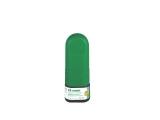
Flonase (fluticasone propionate) is an intranasal corticosteroid available without a prescription for the relief of symptoms associated with seasonal allergic rhinitis, perennial allergic rhinitis, and year-round non-allergic nasal inflammation. It exerts its therapeutic effect by binding to glucocorticoid receptors in the nasal mucosa, suppressing the production of inflammatory cytokines, inhibiting mast cell and eosinophil activation, and reducing vascular permeability. This multi-faceted anti-inflammatory action effectively controls nasal congestion, sneezing, rhinorrhea, and nasal itching.
Usual adult dose: For adults 18 years and older, the recommended starting dose is 2 sprays (50 mcg per spray) into each nostril once daily (total daily dose of 200 mcg). Once adequate symptom control is achieved, patients should reduce to the lowest effective dose, which may be 1 spray into each nostril once daily (total daily dose of 100 mcg). For patients who do not respond adequately to once-daily dosing, the total daily dose may be administered as 1 spray per nostril twice daily. Full therapeutic benefit requires consistent daily use and is typically achieved after 3 to 4 days of continuous treatment. For seasonal allergies, initiating treatment 1 to 2 weeks before the expected start of the allergen season maximizes efficacy.
Dosage form: Nasal spray, aqueous suspension 50 mcg per metered spray. Each actuation delivers 50 mcg of micronized fluticasone propionate in an aqueous, isotonic, pH-adjusted suspension. Available in 60-spray and 120-spray metered-dose pump bottles.
Onset of action: Initial symptomatic relief may be noticed within 12 hours of the first dose; however, maximum clinical benefit for seasonal allergic rhinitis is generally achieved after 3 to 4 days of regular once-daily administration. Flonase is not indicated for the immediate relief of acute nasal symptoms and should be used on a regular schedule rather than on an as-needed basis for optimal results.
Duration of action: The local anti-inflammatory activity persists for approximately 24 hours after a single intranasal dose, enabling once-daily maintenance therapy. The systemic elimination half-life of fluticasone propionate following intranasal administration is approximately 7.8 hours, although tissue-level pharmacodynamic effects extend well beyond this period.
Alcohol recommendation: There is no known pharmacodynamic or pharmacokinetic interaction between intranasal fluticasone propionate and alcohol. Alcohol consumption does not directly affect the safety or efficacy of Flonase. Patients may consume alcohol responsibly according to standard dietary practices, though alcohol may independently contribute to nasal mucosal vasodilation and congestion in some individuals.
Most common side effects: Headache, epistaxis (nosebleed), nasal burning or irritation, pharyngitis, and sneezing. These local adverse effects are typically mild to moderate in severity and often diminish with continued use. To minimize the risk of septal irritation and epistaxis, the spray should be directed away from the nasal septum. At recommended intranasal doses, systemic absorption is minimal, and the risk of hypothalamic-pituitary-adrenal axis suppression is negligible.
Would you like to try Flonase (Fluticasone) for 24-hour allergy symptom control?
Buy Flonase Nasal Spray (Fluticasone) without prescription in Canada
At our pharmacy, you can buy Flonase without a prescription, with discreet and anonymous packaging delivered within 5-14 days across Canada.
What is Flonase?
Flonase is a nasal corticosteroid spray for allergic rhinitis. The active ingredient is fluticasone propionate, a synthetic glucocorticoid that suppresses inflammation in the nasal passages. It treats the full spectrum of allergy symptoms: congestion, sneezing, runny nose, itchy nose, and itchy watery eyes. Unlike antihistamines that only block histamine after it's already been released, Flonase calms the entire inflammatory response upstream. That means fewer symptoms overall, not just a partial masking of one or two.
It's not a fast-acting rescue spray. Some people notice mild improvement within 12 hours, but the real benefit accumulates over several days. Full effect typically takes 3 to 7 days of consistent daily use. This is a maintenance medication. You use it daily during allergy season or year-round for perennial allergies, and the inflammation stays suppressed. Stop using it, and symptoms creep back within days as the allergic process reasserts itself.
The standard presentation in Canada is a metered-dose spray delivering 50 mcg of fluticasone propionate per actuation. It's available over the counter under the brand name Flonase and as generic fluticasone propionate nasal spray. There's also Flonase Sensimist, which uses fluticasone furoate instead of propionate, has a finer mist, and is dosed at 27.5 mcg per spray. Different salt form, different device, similar outcome.
Mechanism and Pharmacology
Fluticasone propionate binds to glucocorticoid receptors inside nasal epithelial and inflammatory cells. Once bound, the receptor complex moves into the cell nucleus and alters gene transcription. It suppresses the production of pro-inflammatory cytokines like IL-4, IL-5, and IL-13, which are key drivers of the allergic cascade. It also inhibits the influx of eosinophils, mast cells, and basophils into nasal tissue. Fewer inflammatory cells arriving means less histamine, fewer leukotrienes, and less swelling.
It also reduces vascular permeability in the nasal mucosa. That means less fluid leaking out of blood vessels into the surrounding tissue, which is what causes the stuffy, swollen feeling of nasal congestion. The combined effect on inflammatory cells and vascular tone makes it effective for both the itching and sneezing of allergies and the congestion that antihistamines often miss.
The pharmacokinetics are favourable. Fluticasone propionate has very low oral bioavailability, less than 1 percent, because of extensive first-pass metabolism in the liver. The fraction absorbed from the nasal mucosa enters the bloodstream, but at therapeutic doses the systemic exposure is minimal. The half-life after intravenous administration is about 7 to 8 hours, but the local anti-inflammatory effect in nasal tissue lasts long enough for once-daily dosing. The drug is metabolized by CYP3A4 to an inactive metabolite, which is excreted in bile and feces.
How to Use Flonase
The adult dose is 2 sprays in each nostril once daily, for a total of 200 mcg per day. Once symptoms are well controlled, some people drop to 1 spray per nostril once daily as maintenance. The maximum effect depends on regular use, not the dose size on any given day.
Children aged 4 to 11 should start with 1 spray per nostril once daily. If that's not enough after a week, it can be increased to 2 sprays per nostril once daily, then reduced back to 1 spray when symptoms settle. For kids under 4, Flonase is not recommended without a doctor's guidance.
Shake the bottle before each use. If it's new or hasn't been used for a week or more, prime it by spraying into the air until a fine mist appears. Blow your nose gently first. Tilt your head forward slightly, insert the nozzle, and aim toward the outer wall of the nostril, not straight up toward the center. Spray while breathing in slowly. Don't inhale sharply. That pulls the medication past the nose and into the throat. After spraying, avoid blowing your nose for a few minutes.
If you miss a dose, take it when you remember. If it's nearly time for the next dose, skip the missed one. Don't double up. The medication works through cumulative tissue effect, so one missed dose won't unravel everything.
Side Effects of Flonase
Most side effects stay local. Nasal irritation, mild burning, dryness, or sneezing right after spraying are the most common complaints. These tend to improve as the nasal tissue adjusts over the first week or two. If dryness is a problem, using a saline nasal gel or spray beforehand helps.
Nosebleeds are the side effect people mention most often. Fluticasone can thin the nasal mucosa slightly, and the spray nozzle can mechanically irritate the septum. Directing the spray toward the outer nostril wall rather than the center reduces this risk substantially. Most nosebleeds on Flonase are minor, a few drops of blood or blood-tinged mucus, not a steady flow. If bleeding is frequent or heavy, stop for a few days and let the tissue heal.
Headaches occur in a small percentage of users. The mechanism isn't entirely clear, but they're usually mild and transient. Throat irritation or a slight cough can happen if medication drips down the back of the throat. Tilting the head forward during application, not backward, minimizes postnasal drip.
Serious systemic effects like adrenal suppression, cataracts, or increased intraocular pressure are extremely rare with nasal fluticasone at standard doses. The systemic exposure is just too low. These risks are more relevant to high-dose inhaled or oral corticosteroids. Long-term users who are concerned can have routine eye exams, but the evidence doesn't support alarm.
High-Risk Groups (Elderly, Pregnancy)
Pregnancy. Fluticasone propionate is FDA pregnancy category C, which means animal studies have shown some risk but human data are limited. That sounds more alarming than it is in practice. Budesonide has better pregnancy data and is the preferred nasal steroid during pregnancy, but fluticasone is also widely used without reported increases in congenital malformations. The amount absorbed systemically from nasal use is tiny. If you're pregnant and your allergies are severe enough to need treatment, talk to your doctor, but know that untreated allergies that interfere with sleep and breathing also aren't ideal. The risk calculation is not one-sided.
Breastfeeding is considered compatible with fluticasone nasal spray. The amount excreted in breast milk after nasal administration is negligible. No adverse effects have been documented in breastfed infants.
Elderly patients need no dose adjustment. The main thing to watch is the slightly increased risk of nasal bleeding, especially in those taking aspirin, clopidogrel, warfarin, or direct oral anticoagulants. If you're on a blood thinner, mention the nasal spray to your doctor and use a saline spray to keep the mucosa moisturized.
Children 4 and older can use Flonase at age-appropriate doses. Long-term growth studies with nasal fluticasone haven't shown the growth suppression that can occur with high-dose inhaled corticosteroids for asthma. The nasal dose is much lower in terms of systemic exposure. For children under 4, safety and efficacy aren't well established, so it's best to avoid it or get a pediatrician's input.
People with active nasal or sinus infections should clear the infection before starting Flonase. Corticosteroids suppress local immunity, which could make an infection linger. The same applies to recent nasal surgery or trauma. Let tissue heal first.
If you have a history of glaucoma or cataracts, mention it to your doctor before long-term use. The risk is low, but anyone with pre-existing eye conditions deserves a bit more caution.
Interaction With Activities (Driving, Alcohol)
Flonase doesn't affect alertness, cognition, or reaction time. Driving and operating machinery are fine. If anything, treating the allergies that make your eyes water and your nose run while driving is a net safety gain.
Alcohol doesn't interact with fluticasone. They don't share metabolic pathways in a clinically meaningful way, and nasal fluticasone doesn't cause sedation. That said, alcohol can dilate blood vessels in the nose and worsen congestion. A heavy night of drinking during allergy season might leave you more stuffed up than usual. That's the alcohol, not the interaction.
The main daily life consideration is consistency. Flonase works because you use it every day, not because you dose it at the first sign of trouble. If you're traveling, keep it in your bag. If you're camping, bring it. The dose you skip today is the congestion you feel tomorrow.
Drug Interactions
Nasal fluticasone has few interactions because systemic levels are so low. The swallowed portion is metabolized by CYP3A4 in the liver, so strong CYP3A4 inhibitors can theoretically increase systemic exposure. In practice, the clinical significance is minor.
Ritonavir, cobicistat, and other protease inhibitors used for HIV are the most potent CYP3A4 inhibitors. Co-administration with nasal fluticasone has been associated with rare cases of Cushing's syndrome and adrenal suppression, mostly in people also using high-dose inhaled fluticasone for asthma. The risk with nasal-only use is much lower, but it's still worth mentioning to your doctor if you're on these medications.
Ketoconazole, itraconazole, and voriconazole are strong azole antifungals that inhibit CYP3A4. They can increase fluticasone levels several-fold. Again, the risk of systemic corticosteroid effects is lower with nasal spray than with inhaled or oral formulations, but combining them for long periods should be done with awareness.
Clarithromycin and erythromycin are moderate CYP3A4 inhibitors. The interaction with nasal fluticasone is unlikely to cause problems, but it exists on paper.
There are no significant interactions with antihistamines (cetirizine, loratadine, fexofenadine), decongestants (pseudoephedrine), or leukotriene receptor antagonists (montelukast). Flonase is routinely combined with these without issue.
Alternative Options
Flonase is one of several nasal corticosteroids, and the differences between them are often more about personal tolerance than clear efficacy gaps. Here's the landscape:
Budesonide (Rhinocort) is the other widely available OTC nasal steroid in Canada. It has the best pregnancy safety data and extensive first-pass metabolism that keeps systemic exposure low. Some people find it less drying than fluticasone. At 100 mcg per spray, the dosing differs from Flonase's 50 mcg, but the clinical outcome is similar. It tends to be slightly less expensive in generic form.
Mometasone (Nasonex) is a prescription nasal steroid with higher potency per microgram. It's often used when OTC options haven't been enough. Some people prefer the feel of the spray and find it causes fewer nosebleeds. The device design is a bit more refined.
Triamcinolone (Nasacort) is alcohol-free, which can make a difference for people whose nasal passages get painfully dry on other sprays. It's available OTC in Canada. The spray sensation is gentler, and the once-daily dosing matches Flonase.
Fluticasone furoate (Flonase Sensimist) is the newer formulation from the same manufacturer. It delivers a finer mist that stays in the nose better with less postnasal drip. The dose is 27.5 mcg per spray, two sprays per nostril once daily. It's more expensive than generic fluticasone propionate and not necessarily more effective, but the user experience is smoother. For people who hate the sensation of a standard nasal spray, Sensimist is worth trying.
Oral antihistamines (cetirizine, loratadine, fexofenadine, desloratadine) handle sneezing, itching, and hives but are weak on congestion. They work within hours, so they're better for intermittent mild symptoms. Many people combine an oral antihistamine with Flonase during peak allergy season. The antihistamine covers the histamine surge, the steroid handles the background inflammation.
Leukotriene receptor antagonists (montelukast) block a different inflammatory pathway and are prescription-only. They're more commonly used when allergies overlap with asthma. As a standalone for allergic rhinitis, they're less effective than nasal steroids.
Decongestant sprays (oxymetazoline) are for short-term rescue. They work in minutes and last 10 to 12 hours, but the 3-day limit is strict. Use them to get through the worst of a cold while you wait for Flonase to kick in, then stop.
Immunotherapy addresses the underlying allergy rather than suppressing symptoms. Allergy shots or sublingual tablets train the immune system to tolerate specific allergens over 2 to 3 years. It's a time commitment and requires an allergist, but it's the only treatment that changes the disease rather than managing it.
INN, Brand Names, and Classification in Canada
INN (International Nonproprietary Name): Fluticasone propionate
Available brand names in Canada: Flonase, Flonase Sensimist (fluticasone furoate), and various generic fluticasone propionate nasal sprays
ATC code: R01AD08
Forms and strengths: Metered-dose nasal spray delivering 50 mcg per spray (Flonase) or 27.5 mcg per spray (Flonase Sensimist)
Manufacturers: GSK (GlaxoSmithKline) for Flonase, and diverse generic manufacturers including Apotex, Teva, and Sandoz
Registration status in Canada: Registered
Classification: Over-the-counter (OTC)
Getting the Most Out of Flonase
Flonase is effective but not instant. The most common reason people think it doesn't work is that they use it for two days, feel no dramatic change, and abandon it. Give it a full week of daily use. If your allergy season is predictable, start Flonase a week before the pollen count climbs. Pre-treatment works better than catching up once the inflammation is in full swing.
The second most common problem is technique. Spraying straight up into the nose sends the medication down the throat and onto the septum, where it can cause irritation and bleeding without much therapeutic benefit. Aim toward the outer corner of the eye on each side. That directs the spray onto the turbinates, where the allergic inflammation is concentrated.
If you're using it seasonally, you can stop when the season ends without tapering. There's no withdrawal or rebound. If you're using it year-round, routine eye exams every year or two are reasonable, not because Flonase is known to cause eye problems, but because anyone on long-term corticosteroids, even locally acting ones, deserves monitoring.
Flonase is available without a prescription at Canadian pharmacies. Generic fluticasone propionate costs less and is the same drug at the same dose. Through our pharmacy, you can order it online with discreet packaging and delivery anywhere in Canada.
Frequently Asked Questions
How fast does Flonase start working?
Some people feel mild relief within 12 hours, but full effectiveness takes 3 to 7 days of consistent use. It's not a rescue spray for sudden symptoms. Start it before your allergy season begins if you can, or commit to a week of daily use before deciding whether it helps.
Can I use Flonase every day long-term?
Yes. The safety data for long-term daily use is good. The systemic dose is a tiny fraction of what's used in asthma inhalers, and the risks of adrenal suppression or growth effects are negligible at nasal doses. People with year-round allergies often use it daily for years without problems.
Is Flonase safe during pregnancy?
Budesonide has better pregnancy data and is the preferred nasal steroid in pregnancy. Fluticasone is category C, which means limited human data but no established pattern of harm. The systemic absorption from nasal use is very low. If your allergies are severe and budesonide isn't an option or hasn't worked, discuss fluticasone with your doctor. The risk of untreated severe allergies during pregnancy isn't zero either.
Can I use Flonase with antihistamines?
Yes. The combination is safe and often more effective than either alone. The antihistamine covers sneezing and itching within hours, and Flonase handles congestion and background inflammation over days. Many people use an oral antihistamine in the morning and Flonase at the same time.
Does Flonase cause rebound congestion?
No. Rebound congestion is caused by overuse of decongestant sprays like oxymetazoline (Afrin). Flonase is a corticosteroid with a completely different mechanism. You can use it daily for months and stop abruptly without rebound. Your allergy symptoms may return, but that's the underlying condition, not withdrawal.
What's the difference between Flonase and Flonase Sensimist?
Flonase contains fluticasone propionate, 50 mcg per spray. Sensimist contains fluticasone furoate, 27.5 mcg per spray. Sensimist has a finer mist and less postnasal drip. Both are once-daily, both are effective. Sensimist costs more. The choice usually comes down to whether you prefer the spray sensation and whether your insurance or budget favours one over the other.
Why does my nose bleed sometimes when I use Flonase?
The spray can dry out the nasal lining and the mechanical force of the spray can irritate the septum. Aim toward the outer wall of the nostril, not the center. Using a saline nasal spray or gel before Flonase helps moisturize the tissue. If bleeding is persistent, take a break for a few days and let the mucosa heal.
Delivery Information Across Canada
We ship Flonase and generic fluticasone nasal spray to all provinces and territories. Delivery times vary depending on how remote your location is:
- Ontario (Toronto, Ottawa, Mississauga): 5 to 7 days
- Quebec (Montreal, Quebec City, Laval): 5 to 7 days
- British Columbia (Vancouver, Victoria, Burnaby): 5 to 9 days
- Alberta (Calgary, Edmonton, Red Deer): 5 to 9 days
- Manitoba (Winnipeg, Brandon): 5 to 9 days
- Saskatchewan (Saskatoon, Regina): 5 to 9 days
- Nova Scotia (Halifax, Sydney): 5 to 9 days
- New Brunswick (Moncton, Fredericton): 5 to 9 days
- Newfoundland and Labrador (St. John's, Corner Brook): 7 to 14 days
- Prince Edward Island (Charlottetown): 7 to 14 days
- Yukon, Northwest Territories, Nunavut: 7 to 14 days
All shipments are packed discreetly with no branding or indication of contents on the outside.


| Shipping method | Delivery time | Price | |
 Delivery Delivery |
14-21 days | 14.95$ | Tracking# available in 4 days |
 Delivery Delivery |
9-14 days | 30$ | Tracking# available in 2 days |
- Shipping worldwide
- Confidentiality and anonymity guarantee
- Safe and secure
- Discrete looking packages
- Dispatch orders within 24 hours
- 100% success delivery


