


 Secure and Reliable
  High quality
  Worldwide shipping
  Bonuses and Discounts
  Money back Guarantee
 - Bestsellers
- Alcoholism
- COVID-19
- Allergy
- Anti Fungal
- Alzheimers
- Anti Viral
- Anti-Depressants
- Anti-Inflammatory
- Antibacterial
- Antiparasitic
- Antibiotics
- Arthritis
- Asthma
- Birth Control
- Blood Pressure
- Cancer
- Cardiovascular
- Cholesterol
- Diabetes
- Diuretics
- Erectile Dysfunction
- Eye Drop
- Gastro Health
- General Health
- Hair Loss
- Hepatitis C Virus (HCV)
- HIV
- Hormones
- Men's ED Packs
- Men's Health
- Mental Illness
- Motion Sickness
- Muscle Relaxant
- Pain Relief
- Parkinson’s Disease
- Veterinary Medicines
- Quit Smoking
- Vitamins
- Skin Care
- Sleeping Aids
- Weight Loss
- Women's Health
Generic Fosamax ( Alendronate )
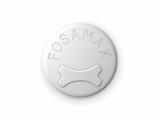
Buy Generic Fosamax (Alendronate) without prescription in Canada
In our Canadian pharmacy, you can buy Fosamax (Alendronate) without a prescription, with delivery across Canada within 5-14 days. Discreet and anonymous packaging.
Fosamax (alendronate sodium) is a bisphosphonate medication that works by inhibiting osteoclast-mediated bone resorption, thereby increasing bone mineral density and reducing the risk of fractures. It is used for the prevention of osteoporosis in postmenopausal women at risk (35 mg once weekly) and for the treatment of osteoporosis to reduce the incidence of vertebral and hip fractures (70 mg once weekly). The drug is also indicated for osteoporosis in men and for glucocorticoid-induced osteoporosis.
Usual adult dose: For prevention of postmenopausal osteoporosis, the recommended dose is 35 mg taken orally once weekly. For treatment of postmenopausal osteoporosis and for osteoporosis in men, the recommended dose is 70 mg once weekly. The tablet must be taken with a full glass of plain water (not mineral water) first thing in the morning, at least 30 minutes before the first food, beverage, or other medication of the day. Patients must remain upright (sitting or standing) for at least 30 minutes after taking the tablet and until after their first food. Failure to follow these instructions may increase the risk of oesophageal irritation.
Dosage form: Oral tablets: 35 mg and 70 mg (as alendronate sodium). The 35 mg tablet is typically white, oval, and debossed with "35" on one side; the 70 mg tablet is typically white, oval, and debossed with "70".
Onset of action: Alendronate begins to inhibit bone resorption within weeks, but measurable changes in bone mineral density are typically observed after 3 to 6 months of continuous weekly therapy. Maximal reduction in fracture risk requires at least 1 year of treatment and is maintained with ongoing use.
Duration of action: Alendronate has a prolonged skeletal retention time, and its effects on bone persist for months to years after discontinuation. However, continuous weekly dosing is required to maintain optimal fracture protection. The drug is not metabolized; the portion that is not taken up by bone is excreted unchanged in the urine.
Alcohol recommendation: Alcohol consumption does not directly interfere with the mechanism of action of Fosamax. However, heavy alcohol intake is a risk factor for osteoporosis and falls, and it may increase the risk of gastrointestinal side effects when combined with bisphosphonates. Moderate alcohol consumption is generally acceptable.
Most common side effects: Abdominal pain, dyspepsia (indigestion), acid regurgitation, nausea, constipation or diarrhoea, musculoskeletal (bone, muscle, or joint) pain, and headache. The most serious adverse effect is oesophageal irritation, ulceration, or perforation, which can occur if the tablet is not taken according to the strict dosing instructions. Osteonecrosis of the jaw (ONJ) and atypical femoral fractures have been reported rarely. Hypocalcaemia may occur, particularly in patients with vitamin D deficiency or hypoparathyroidism; serum calcium and vitamin D levels should be corrected before starting therapy.
Would you like to try Fosamax (Alendronate) without a prescription?
General Information about Fosamax (Alendronate)
- INN (International Nonproprietary Name): Alendronate (as alendronate sodium).
- Brand names available in Canada: Fosamax® (Merck Canada Inc.) is the original brand-name product. Generic versions are widely available and include APO-Alendronate (Apotex Inc.), TEVA-Alendronate (Teva Canada Limited), Sandoz Alendronate (Sandoz Canada Inc.), PMS-Alendronate (Pharmascience Inc.), and many others. Alendronate is also available in a fixed-dose combination with cholecalciferol (vitamin D3) as Fosavance® (70 mg alendronate / 2800 IU or 5600 IU vitamin D3).
- ATC code: M05BA04 (alendronate; bisphosphonates).
- Dosage forms and strengths: Oral tablets: 35 mg and 70 mg (as alendronate sodium). A 10 mg daily tablet is also available in some markets but is rarely used since the introduction of weekly dosing. Tablets are typically white, oval, and debossed.
- Manufacturers in Canada: Merck Canada Inc. (Fosamax), Apotex Inc., Teva Canada Limited, Sandoz Canada Inc., Pharmascience Inc., and other generic pharmaceutical companies.
- Registration status in Canada: Approved by Health Canada. Fosamax 70 mg DIN 02230868, Fosamax 35 mg DIN 02247735. Multiple generic formulations are currently marketed and available by prescription.
- OTC / Rx classification: Prescription only (Rx). Schedule I drug under the Controlled Drugs and Substances Act. A valid prescription from a licensed Canadian healthcare professional is required.
Mechanism of Action and Pharmacology
Alendronate is a nitrogen-containing bisphosphonate that acts primarily on bone. It is a potent inhibitor of osteoclast-mediated bone resorption. At the cellular level, alendronate binds to hydroxyapatite crystals in bone and is selectively taken up by active osteoclasts. Once inside the osteoclast, alendronate inhibits the enzyme farnesyl pyrophosphate synthase, which disrupts the mevalonate pathway and prevents the prenylation of small GTPase signalling proteins essential for osteoclast function. This leads to loss of the ruffled border, disruption of the cytoskeleton, and ultimately osteoclast apoptosis. The net result is a reduction in bone turnover, with a decrease in both resorption and, secondarily, formation, leading to a gradual increase in bone mineral density and improved bone strength. Alendronate reduces the risk of vertebral and hip fractures by 40-50% in postmenopausal women with osteoporosis, as demonstrated in the Fracture Intervention Trial (FIT).
Following oral administration, the bioavailability of alendronate is very low (approximately 0.6% for the 70 mg tablet under optimal fasting conditions). Food and beverages other than plain water significantly reduce absorption. The drug is rapidly cleared from plasma; approximately 50% of the absorbed dose is taken up by bone, where it has a long terminal half-life of more than 10 years. The remainder is excreted unchanged in the urine. Alendronate is not metabolized. The strict dosing instructions - taking the tablet on an empty stomach with plain water only, remaining upright for at least 30 minutes, and delaying food and other medications - are critical to maximize absorption and minimize oesophageal irritation.
Indications
- Treatment of postmenopausal osteoporosis: Fosamax 70 mg once weekly is indicated for the treatment of postmenopausal osteoporosis to reduce the risk of vertebral and hip fractures.
- Prevention of postmenopausal osteoporosis: Fosamax 35 mg once weekly is indicated for the prevention of osteoporosis in postmenopausal women who are at risk of developing the disease and for whom the desired clinical outcome is to maintain bone mass and reduce the risk of future fracture.
- Osteoporosis in men: Fosamax 70 mg once weekly is indicated for the treatment of osteoporosis in men to increase bone mineral density.
- Glucocorticoid-induced osteoporosis: Alendronate is indicated for the prevention and treatment of glucocorticoid-induced osteoporosis in men and women. The recommended dose is 5 mg once daily or 35 mg once weekly, depending on the clinical situation.
- Fosamax is not indicated for the treatment of Paget's disease of bone in the weekly formulation; for that condition, a 40 mg daily dose is used for 6 months, but that strength is not part of this description.
Important Warnings and Precautions
At-risk groups
- Pregnancy: Alendronate should not be used during pregnancy. It has been shown to cause fetal harm in animal studies, including delayed labour, dystocia, and hypocalcaemia. There are no adequate and well-controlled studies in pregnant women. Women of childbearing potential should use effective contraception during treatment. If pregnancy occurs, the drug should be discontinued.
- Breastfeeding: It is not known whether alendronate is excreted in human breast milk. Because many drugs are excreted in human milk, and because of the potential for serious adverse reactions in a nursing infant, breastfeeding is not recommended during treatment. A decision must be made whether to discontinue breastfeeding or to discontinue the drug.
- Paediatrics: Safety and efficacy in children have not been established. Fosamax should not be used in paediatric patients, except in rare cases of severe osteogenesis imperfecta under specialist supervision.
- Elderly: No dose adjustment is required based on age alone. However, elderly patients are more likely to have renal impairment, vitamin D deficiency, and pre-existing upper gastrointestinal disorders. Renal function should be assessed before starting therapy, and adequate calcium and vitamin D intake must be ensured. The risk of oesophageal irritation and osteonecrosis of the jaw may be higher in this population.
- Renal impairment: Alendronate is not recommended for patients with a creatinine clearance below 35 mL/min because of limited clinical experience and an increased risk of accumulation. For patients with CrCl 35-60 mL/min, no dose adjustment is required, but renal function should be monitored periodically. Alendronate is contraindicated in patients with severe renal impairment (CrCl < 35 mL/min).
- Oesophageal disorders: Alendronate can cause local irritation of the upper gastrointestinal mucosa. It is contraindicated in patients with abnormalities of the oesophagus that delay oesophageal emptying, such as stricture or achalasia. It should be used with extreme caution in patients with active or a recent history of upper gastrointestinal disorders, such as dysphagia, oesophagitis, gastritis, duodenitis, or ulcers. Patients must be instructed to take the tablet according to the strict instructions to minimize the risk of oesophageal injury. If new or worsening oesophageal symptoms (dysphagia, pain on swallowing, retrosternal pain, heartburn) develop, the drug should be discontinued immediately and the patient evaluated.
- Osteonecrosis of the jaw (ONJ): Osteonecrosis of the jaw, generally associated with tooth extraction and/or local infection with delayed healing, has been reported in patients taking bisphosphonates, including alendronate. Risk factors include cancer, chemotherapy, radiotherapy, corticosteroids, poor oral hygiene, and pre-existing dental disease. A dental examination with appropriate preventive dentistry should be considered prior to treatment. Patients should be advised to maintain good oral hygiene, have regular dental check-ups, and report any oral symptoms such as jaw pain, swelling, or loose teeth. In patients requiring invasive dental procedures, discontinuation of bisphosphonate therapy may reduce the risk of ONJ, but the optimal duration of the drug holiday is unknown; clinical judgment of the treating physician and dentist should guide the management.
- Atypical femoral fractures: Low-energy subtrochanteric or diaphyseal femoral fractures have been reported in patients receiving bisphosphonate therapy. These fractures often occur with minimal or no trauma and may be preceded by prodromal thigh or groin pain, sometimes in association with imaging findings of stress fractures. Any patient who presents with new thigh or groin pain should be evaluated to rule out an incomplete femoral fracture. Discontinuation of bisphosphonate therapy should be considered in patients with evidence of an atypical femoral fracture, pending a risk-benefit assessment.
- Hypocalcaemia and vitamin D deficiency: Alendronate can lower serum calcium and phosphate levels. Pre-existing hypocalcaemia must be corrected before initiating therapy. All patients should ensure adequate intake of calcium (at least 1000-1200 mg daily) and vitamin D (800-2000 IU daily). In patients with inadequate dietary intake, supplementation is mandatory. In patients with severe vitamin D deficiency or hypoparathyroidism, serum calcium should be monitored closely.
- Musculoskeletal pain: Severe and occasionally incapacitating bone, joint, and/or muscle pain has been reported, with onset ranging from one day to several months after starting bisphosphonate therapy. In most patients, symptoms resolve upon discontinuation, but some have had recurrence of symptoms when rechallenged with the same or another bisphosphonate.
- Allergy: Do not take Fosamax if you have a known hypersensitivity to alendronate sodium or any excipient in the tablet formulation.
Driving and alcohol
Fosamax is not known to impair the ability to drive or operate machinery. Some patients may experience dizziness, headache, or fatigue, but these effects are uncommon. Alcohol does not have a direct pharmacokinetic interaction with alendronate, but heavy alcohol consumption is a risk factor for osteoporosis and falls, and it may increase the risk of gastrointestinal irritation when combined with the medication. Moderation is advised.
Dosage Instructions
- Prevention of postmenopausal osteoporosis: 35 mg taken orally once weekly. The tablet must be taken with a full glass (180-240 mL) of plain water (not mineral water, coffee, tea, or juice) first thing in the morning, at least 30 minutes before the first food, beverage, or other medication of the day. The patient must remain upright (sitting or standing) for at least 30 minutes and until after the first food of the day. The tablet should not be taken at bedtime or before arising for the day.
- Treatment of postmenopausal osteoporosis and osteoporosis in men: 70 mg taken orally once weekly, following the same strict administration instructions as above.
- Administration: Swallow the tablet whole with a full glass of plain water. Do not crush, chew, or suck on the tablet because of the potential for oropharyngeal ulceration. Wait at least 30 minutes before eating, drinking anything other than plain water, or taking any other medication, including antacids, calcium supplements, and vitamins. The 30-minute waiting period and upright posture are essential to maximize absorption and prevent oesophageal irritation.
- Calcium and vitamin D supplementation: All patients should ensure adequate intake of calcium (1000-1200 mg/day) and vitamin D (800-2000 IU/day), through diet and/or supplements. Calcium supplements should be taken at a different time of day than alendronate, ideally with a meal at least 30 minutes after the alendronate dose.
- Missed dose: If a dose is missed, take one tablet on the morning after the patient remembers. Then return to the original once-weekly schedule on the chosen day. Do not take two tablets on the same day.
- Duration of therapy: The optimal duration of bisphosphonate therapy is not established. The need for continued treatment should be re-evaluated periodically, typically after 3 to 5 years, based on individual fracture risk. In patients at low to moderate fracture risk, a drug holiday may be considered after 3-5 years of treatment; in those at high fracture risk, treatment may be continued for up to 10 years with periodic reassessment.
Side Effects and Contraindications
- Very common side effects (≥ 10%): Musculoskeletal pain (bone, joint, or muscle pain) - though this is often related to the underlying osteoporosis itself. Abdominal pain and dyspepsia are common but are minimized by proper administration.
- Common side effects (1-10%): Acid regurgitation, nausea, constipation, diarrhoea, flatulence, headache, and fatigue.
- Serious adverse reactions: Oesophageal irritation, oesophagitis, oesophageal ulcers, and oesophageal perforation (rare but life-threatening). Osteonecrosis of the jaw (ONJ), atypical femoral fractures, severe musculoskeletal pain, and hypocalcaemia (particularly in patients with hypoparathyroidism or vitamin D deficiency). Hypersensitivity reactions including urticaria, angioedema, and Stevens-Johnson syndrome have been reported rarely.
- Contraindications: Hypersensitivity to alendronate or any excipient. Abnormalities of the oesophagus that delay oesophageal emptying (e.g., stricture, achalasia). Inability to stand or sit upright for at least 30 minutes. Severe renal impairment (creatinine clearance < 35 mL/min). Pre-existing hypocalcaemia (must be corrected before starting therapy). Pregnancy and breastfeeding.
Drug Interactions
- Calcium supplements and antacids: Calcium, magnesium, aluminium, and iron preparations, as well as antacids, significantly reduce the absorption of alendronate if taken at the same time. They must be taken at least 30 minutes after the alendronate dose, ideally with a meal.
- Non-steroidal anti-inflammatory drugs (NSAIDs): Concomitant use with alendronate may increase the risk of gastrointestinal mucosal injury and bleeding. Use with caution, particularly in the elderly and those with a history of peptic ulcer disease.
- Medications that cause hypocalcaemia: Loop diuretics, corticosteroids, and aminoglycosides can lower serum calcium and may potentiate the hypocalcaemic effect of alendronate. Serum calcium should be monitored.
- No significant interactions with other drugs: Alendronate is not metabolized and does not induce or inhibit hepatic cytochrome P450 enzymes. Therefore, it has few clinically relevant pharmacokinetic interactions with other drugs. Warfarin, digoxin, and thyroxine do not interact with alendronate.
- Intravenous ranitidine: Intravenous ranitidine may increase alendronate bioavailability, but this interaction is not clinically relevant with oral dosing. No dose adjustment is required.
Practical Advice
- Administration: Take Fosamax exactly as directed, on the same day each week. Choose a day that is easy to remember. Swallow the tablet whole with a full glass of plain water (180-240 mL) immediately after getting up for the day, at least 30 minutes before any food, drink, or other medication. Do not lie down for at least 30 minutes and until after your first meal. Do not take the tablet with mineral water, coffee, tea, or juice, as these can reduce absorption.
- Monitoring: Bone mineral density (BMD) should be measured at baseline and every 1-2 years to assess response to therapy. Serum calcium, phosphate, and vitamin D levels should be checked before starting treatment and periodically during therapy. In patients with renal impairment, monitor renal function. Any new or worsening oesophageal symptoms, mouth or jaw pain, swelling, or non-healing sores must be reported immediately.
- Storage: Store at room temperature (15-30 °C) in a tightly closed container, protected from moisture and light. Keep out of the reach and sight of children.
- Lifestyle: Adequate intake of calcium and vitamin D is essential. A balanced diet rich in calcium (dairy products, leafy greens, fortified foods), regular weight-bearing exercise (walking, resistance training), smoking cessation, and moderation of alcohol are fundamental to any osteoporosis management plan. Avoid lying down for at least 30 minutes after taking the tablet to prevent oesophageal irritation. If you develop heartburn, pain on swallowing, or chest pain, stop the medication and contact your doctor.
- Missed dose: If you forget to take your weekly dose, take one tablet on the morning after you remember, then return to your regular schedule. Never take two tablets on the same day.
- When to seek medical review: Contact your doctor immediately if you experience: difficulty or pain when swallowing, severe heartburn or chest pain that does not go away, new or worsening heartburn, jaw pain, numbness or swelling, a loose tooth or any non-healing sore in the mouth, or new or unusual pain in the hip or thigh. Seek emergency medical attention if you have signs of a severe allergic reaction (swelling of the face, lips, tongue, or throat, difficulty breathing).
- Disposal: Return unused or expired medication to a pharmacy for safe disposal. Do not flush down the toilet or discard in household waste.
Alternative Medications
- Other oral bisphosphonates: Risedronate (Actonel®) is available as 35 mg once weekly for prevention and 150 mg once monthly for treatment. Zoledronic acid (Aclasta®) is an intravenous bisphosphonate given once yearly, which bypasses gastrointestinal issues and is convenient for patients who cannot adhere to strict oral instructions. Etidronate (Didrocal®) is an older bisphosphonate used in a 14-day cyclical regimen.
- Denosumab (Prolia®): A RANKL inhibitor administered subcutaneously every 6 months. It is a potent antiresorptive agent that provides fracture protection comparable to or greater than bisphosphonates, without gastrointestinal side effects. It requires adequate calcium and vitamin D intake and is often used in patients who cannot tolerate oral bisphosphonates or have severe renal impairment.
- Raloxifene (Evista®): A selective estrogen receptor modulator (SERM) that reduces vertebral fracture risk and also reduces the risk of invasive breast cancer. It does not have the gastrointestinal risks of bisphosphonates but may cause hot flushes and increases the risk of venous thromboembolism. It is an alternative for postmenopausal women who cannot take bisphosphonates.
- Hormone replacement therapy (HRT): Estrogen therapy, with or without a progestin, is effective for the prevention of osteoporosis in postmenopausal women but carries risks of breast cancer, stroke, and thromboembolism. It is reserved for women who also have significant menopausal symptoms and are under 60 years of age, and it should be used at the lowest effective dose for the shortest possible duration.
- Teriparatide (Forteo®): A recombinant human parathyroid hormone that stimulates bone formation (anabolic therapy). It is used for patients with severe osteoporosis who have failed or are intolerant of bisphosphonates, or for those at very high fracture risk. It is given as a daily subcutaneous injection for up to 2 years.
- Non-pharmacological approaches: A diet rich in calcium and vitamin D, regular weight-bearing and resistance exercise, fall prevention strategies, smoking cessation, and moderation of alcohol are essential for all patients with osteoporosis and can be used alone in mild cases or in combination with pharmacotherapy.
Clinical Efficacy
The efficacy of alendronate in the prevention and treatment of osteoporosis has been established in numerous large, randomised, double-blind, placebo-controlled clinical trials. The Fracture Intervention Trial (FIT), which enrolled over 6,400 postmenopausal women with low bone mass, demonstrated that alendronate 5 mg daily for 2 years followed by 10 mg daily (the daily equivalent of the 70 mg weekly dose) significantly reduced the incidence of vertebral fractures by 47%, hip fractures by 51%, and all clinical fractures by 36% compared with placebo. For the prevention of osteoporosis, the Early Postmenopausal Intervention Cohort (EPIC) study showed that alendronate 5 mg daily (equivalent to 35 mg weekly) increased bone mineral density and reduced bone turnover markers in early postmenopausal women without established osteoporosis. The weekly 70 mg regimen was shown to be therapeutically equivalent to the daily 10 mg dose, with similar efficacy in reducing fracture risk and a comparable safety profile. Alendronate is recommended as a first-line therapy for the prevention and treatment of osteoporosis by Osteoporosis Canada, the National Osteoporosis Foundation, and other international guidelines. The 35 mg and 70 mg once-weekly tablets are convenient and improve adherence compared with daily dosing. The drug is generally well tolerated, with the most significant safety concerns being upper gastrointestinal adverse effects and, rarely, osteonecrosis of the jaw and atypical femoral fractures, which require appropriate patient selection and monitoring.
Important:
Fosamax (alendronate) is a prescription medication that must be used under the supervision of a qualified healthcare professional. The strict dosing instructions must be followed exactly to prevent serious oesophageal injury. Take the tablet on an empty stomach, with a full glass of plain water only, and remain upright for at least 30 minutes. Do not take it with mineral water, coffee, tea, or juice. Do not lie down, eat, or take any other medications for at least 30 minutes after taking Fosamax. This medication can cause severe irritation, ulcers, or perforation of the oesophagus, especially if these instructions are not followed. Rare but serious adverse effects include osteonecrosis of the jaw, especially after dental procedures, and unusual fractures of the thigh bone. You must report any new or worsening heartburn, pain on swallowing, jaw pain or numbness, or new hip or thigh pain immediately. Fosamax is not to be taken by patients with severe kidney disease, oesophageal disorders that delay swallowing, or those who cannot stand or sit upright for 30 minutes. Adequate calcium and vitamin D are essential during therapy. This information is not a substitute for professional medical advice, diagnosis, or treatment.


| Shipping method | Delivery time | Price | |
 Delivery Delivery |
14-21 days | 14.95$ | Tracking# available in 4 days |
 Delivery Delivery |
9-14 days | 30$ | Tracking# available in 2 days |
- Shipping worldwide
- Confidentiality and anonymity guarantee
- Safe and secure
- Discrete looking packages
- Dispatch orders within 24 hours
- 100% success delivery


