


 Secure and Reliable
  High quality
  Worldwide shipping
  Bonuses and Discounts
  Money back Guarantee
 - Bestsellers
- Alcoholism
- COVID-19
- Allergy
- Anti Fungal
- Alzheimers
- Anti Viral
- Anti-Depressants
- Anti-Inflammatory
- Antibacterial
- Antiparasitic
- Antibiotics
- Arthritis
- Asthma
- Birth Control
- Blood Pressure
- Cancer
- Cardiovascular
- Cholesterol
- Diabetes
- Diuretics
- Erectile Dysfunction
- Eye Drop
- Gastro Health
- General Health
- Hair Loss
- Hepatitis C Virus (HCV)
- HIV
- Hormones
- Men's ED Packs
- Men's Health
- Mental Illness
- Motion Sickness
- Muscle Relaxant
- Pain Relief
- Parkinson’s Disease
- Veterinary Medicines
- Quit Smoking
- Vitamins
- Skin Care
- Sleeping Aids
- Weight Loss
- Women's Health
Generic Furadantin ( Nitrofurantoin )
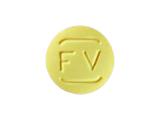
Buy Generic Furadantin (Nitrofurantoin) without prescription in Canada
In our Canadian pharmacy, you can buy Furadantin (Nitrofurantoin) without a prescription, with delivery across Canada within 5‑14 days. Discreet and anonymous packaging.
Furadantin (nitrofurantoin) is a synthetic nitrofuran antibiotic used primarily for the treatment and prevention of uncomplicated lower urinary tract infections (cystitis) caused by susceptible strains of Escherichia coli, Enterococcus faecalis, and other Gram‑negative and Gram‑positive organisms. It works by being reduced inside bacterial cells by bacterial flavoproteins to reactive intermediates that damage multiple ribosomal proteins, DNA, and other macromolecules, leading to a broad bactericidal effect concentrated in the urinary tract. This selective activity spares normal bowel flora and minimises systemic side effects, making it a first‑line agent for acute cystitis.
Usual adult dose: For acute uncomplicated cystitis, the recommended dose is 50 mg to 100 mg taken orally four times daily, or 100 mg twice daily as the macrocrystalline formulation (Macrobid), for 5 to 7 days. The 50 mg tablet allows flexible dosing for patients who require lower doses or who experience gastrointestinal intolerance. The drug should be taken with food or milk to enhance absorption and reduce stomach upset. For long‑term suppressive therapy to prevent recurrent infections, a single daily dose of 50 mg to 100 mg at bedtime may be used for up to 12 months. Therapy must be completed as prescribed, even if symptoms improve earlier.
Dosage form: Oral tablets: 50 mg and 100 mg of nitrofurantoin (as macrocrystalline nitrofurantoin or nitrofurantoin monohydrate/macrocrystals, depending on the formulation). An oral suspension (25 mg/5 mL) is also available in some markets. In Canada, nitrofurantoin is available as Macrobid® (100 mg capsules, nitrofurantoin monohydrate/macrocrystals) and Macrodantin® (50 mg and 100 mg capsules, macrocrystalline nitrofurantoin), as well as generic nitrofurantoin tablets.
Onset of action: Clinical improvement, such as reduced urinary frequency, urgency, and dysuria, typically begins within 24 to 48 hours of starting therapy. Bactericidal concentrations in the urine are achieved shortly after the first dose, and the full course eradicates the pathogen in most uncomplicated infections.
Duration of action: The elimination half‑life of nitrofurantoin is approximately 30 minutes to 1 hour in patients with normal renal function; however, the drug concentrates in the urine, and therapeutic levels persist for several hours after each oral dose, supporting four‑times‑daily or twice‑daily dosing depending on the formulation. The prophylactic effect of a single bedtime dose lasts throughout the night.
Alcohol recommendation: Alcohol consumption does not have a direct pharmacokinetic interaction with Furadantin. However, alcohol should be limited during treatment because it can irritate the bladder, worsen urinary symptoms, and contribute to dehydration, which may reduce the efficacy of therapy. Moderate alcohol intake is generally acceptable.
Most common side effects: Nausea, vomiting, loss of appetite, diarrhoea, and abdominal pain. These gastrointestinal effects are dose‑related and are minimised by taking the medication with food or milk. Other common effects include headache, drowsiness, and a brownish discolouration of the urine (a harmless effect of the drug). Rare but serious adverse effects include pulmonary toxicity (acute, subacute, or chronic interstitial pneumonitis and pulmonary fibrosis, which can be fatal), hepatotoxicity (hepatitis, cholestatic jaundice, hepatic necrosis), peripheral neuropathy (particularly in patients with renal impairment, anaemia, diabetes, or alcoholism), and haemolytic anaemia in patients with glucose‑6‑phosphate dehydrogenase (G6PD) deficiency. Prolonged use increases the risk of serious pulmonary and hepatic reactions.
Would you like to try Furadantin (Nitrofurantoin) without a prescription?
General Information about Furadantin (Nitrofurantoin)
- INN (International Nonproprietary Name): Nitrofurantoin
- Brand names available in Canada: Furadantin® is not a marketed brand in Canada. Nitrofurantoin is available in Canada as Macrobid® (nitrofurantoin monohydrate/macrocrystals 100 mg capsules), Macrodantin® (macrocrystalline nitrofurantoin 50 mg and 100 mg capsules), and generic nitrofurantoin tablets in 50 mg and 100 mg strengths. The active ingredient nitrofurantoin is supplied in two primary formulations: macrocrystalline (slower absorption, less gastrointestinal upset) and microcrystalline. Our pharmacy supplies internationally sourced Furadantin tablets through the international supply chain for personal importation.
- ATC code: J01XE01 (nitrofuran derivatives)
- Dosage forms and strengths: Oral tablets: 50 mg and 100 mg of nitrofurantoin (as macrocrystalline or microcrystalline nitrofurantoin). Oral suspension: 25 mg/5 mL in some markets.
- Manufacturers in Canada: Nitrofurantoin generic tablets are manufactured by various companies including Apotex Inc., Teva Canada Limited, and Sandoz Canada Inc. Macrobid and Macrodantin are distributed by Bausch Health, Canada Inc. Furadantin is manufactured internationally and imported for personal use.
- Registration status in Canada: Approved by Health Canada for nitrofurantoin in the formulations mentioned. The specific Furadantin brand has not been issued a Notice of Compliance; however, generic nitrofurantoin tablets 50 mg and 100 mg are approved under various DINs (e.g., 00628522 for 50 mg, 00628530 for 100 mg). Macrobid DIN 02028221.
- OTC / Rx classification: Prescription only (Rx). Schedule I drug under the Controlled Drugs and Substances Act. A valid prescription from a licensed Canadian healthcare professional is required.
Mechanism of Action and Pharmacology
Nitrofurantoin is a bactericidal antibiotic whose mechanism of action is unique among urinary antiseptics. After oral administration, the drug is rapidly absorbed and almost entirely excreted in the urine, where it reaches therapeutic concentrations. Inside bacterial cells, nitrofurantoin is reduced by bacterial nitroreductases to highly reactive, short‑lived intermediates. These intermediates non‑specifically attack bacterial ribosomal proteins, DNA, RNA, and cell wall synthesis, leading to inhibition of multiple vital cellular processes. Because multiple bacterial targets are affected, the development of resistance is relatively uncommon. The bactericidal activity is concentration‑dependent and enhanced in acidic urine. Nitrofurantoin is active against a wide range of Gram‑positive and Gram‑negative urinary pathogens, including Escherichia coli, Enterococcus faecalis, Staphylococcus saprophyticus, Klebsiella pneumoniae, and Proteus mirabilis (although susceptibility of the latter may be variable). It is not active against Pseudomonas aeruginosa or most Proteus vulgaris strains. Because systemic absorption is minimal, nitrofurantoin does not achieve therapeutic levels in tissues outside the urinary tract, and therefore it is not useful for pyelonephritis or systemic infections.
The absolute bioavailability of nitrofurantoin varies with the formulation: macrocrystalline forms are absorbed more slowly and cause less gastrointestinal irritation. Peak urinary concentrations are achieved within 1 to 2 hours after dosing. Approximately 60‑70% of an oral dose is protein‑bound in plasma, but this is not clinically relevant because the drug is not intended for systemic effect. The elimination half‑life of nitrofurantoin is short (about 30 minutes to 1 hour) in patients with normal renal function, but the drug concentrates in the urine, where it remains above the MIC for susceptible organisms for several hours, supporting four‑times‑daily or twice‑daily dosing depending on the preparation. In patients with significant renal impairment (creatinine clearance below 60 mL/min), urinary concentrations may be inadequate for efficacy, and systemic accumulation of the drug increases the risk of toxicity. Therefore, nitrofurantoin is contraindicated in patients with an estimated glomerular filtration rate (eGFR) below 30 mL/min.
Indications
- Acute uncomplicated cystitis: Treatment of lower urinary tract infections (cystitis) caused by susceptible strains of Escherichia coli, Enterococcus faecalis, Staphylococcus saprophyticus, and other susceptible organisms. Nitrofurantoin is a first‑line agent for uncomplicated UTIs, as recommended by the Infectious Diseases Society of America (IDSA) and Canadian guidelines.
- Prevention of recurrent urinary tract infections: Long‑term suppressive therapy to reduce the frequency of recurrent cystitis in women, particularly those with frequent, symptomatic recurrences. A single daily dose of 50 mg to 100 mg at bedtime is commonly used for this indication.
- Note: Nitrofurantoin is not effective for the treatment of pyelonephritis (upper urinary tract infection), perinephric abscess, or systemic infections because it does not achieve therapeutic tissue concentrations. It should not be used in patients with creatinine clearance below 30 mL/min because of inadequate urinary excretion and increased risk of systemic toxicity.
Important Warnings and Precautions
At‑risk groups
- Pregnancy: Nitrofurantoin is generally considered safe during the second and third trimesters of pregnancy and is commonly used for the treatment of asymptomatic bacteriuria and acute cystitis. However, it should be avoided during the first trimester because of a possible association with birth defects (limited data). It is also contraindicated near term (at 38‑42 weeks of gestation) and during labour and delivery because of the theoretical risk of haemolytic anaemia in the newborn due to immature erythrocyte enzyme systems. Pregnant women should use nitrofurantoin only when clearly needed and under medical supervision.
- Breastfeeding: Nitrofurantoin is excreted in breast milk in very low concentrations and is generally considered compatible with breastfeeding. However, it should be avoided in nursing mothers of infants with known or suspected glucose‑6‑phosphate dehydrogenase (G6PD) deficiency because of the risk of haemolysis. The infant should be monitored for gastrointestinal disturbances or rash.
- Paediatrics: Nitrofurantoin is used in children aged 1 month and older for the treatment of lower UTIs and for prophylaxis. Dosing is weight‑based (typically 5‑7 mg/kg/day divided into four doses for treatment; 1‑2 mg/kg/day as a single dose for prophylaxis). Safety and efficacy in infants under 1 month of age have not been established.
- Elderly: Elderly patients are at increased risk of pulmonary toxicity, hepatotoxicity, and peripheral neuropathy, particularly with prolonged use or in the presence of renal impairment. Renal function should be assessed before and periodically during therapy. The lowest effective dose should be used for the shortest possible duration.
- Renal impairment: Nitrofurantoin is contraindicated in patients with an estimated glomerular filtration rate (eGFR) below 30 mL/min because of the risk of inadequate urinary concentrations (leading to treatment failure) and systemic accumulation (leading to toxicity). In patients with eGFR 30‑60 mL/min, the drug may be used with caution, but the potential for reduced efficacy and increased risk of adverse effects must be considered. Renal function should be monitored regularly.
- Hepatic impairment: Nitrofurantoin should be used with caution in patients with pre‑existing liver disease. Hepatotoxicity, including hepatitis, cholestatic jaundice, and hepatic necrosis, has been reported, particularly with prolonged therapy. Liver function tests should be monitored periodically, and the drug should be discontinued immediately if signs of liver injury (jaundice, dark urine, right upper quadrant pain, unexplained fatigue) develop.
- Pulmonary toxicity: Acute, subacute, and chronic pulmonary reactions, including interstitial pneumonitis, pulmonary fibrosis, and respiratory failure, have been reported. These reactions can occur at any time during therapy and may be fatal. Acute pulmonary reactions usually occur within the first week of treatment and are characterised by fever, chills, dyspnoea, cough, and chest pain; they are generally reversible upon discontinuation. Chronic pulmonary reactions (including pulmonary fibrosis) are more insidious, develop after months to years of continuous therapy, and may be irreversible. Patients should be monitored for respiratory symptoms, and the drug should be discontinued immediately if pulmonary toxicity is suspected. A chest X‑ray and pulmonary function tests should be considered.
- Peripheral neuropathy: Severe and irreversible peripheral neuropathy, predominantly sensory and motor, has been reported, particularly in patients with renal impairment, anaemia, diabetes mellitus, electrolyte imbalance, vitamin B deficiency, or alcoholism. Early symptoms include paraesthesias, muscle weakness, and loss of reflexes. If neuropathy develops, nitrofurantoin must be discontinued immediately and permanently.
- Haemolytic anaemia: Haemolysis can occur in patients with glucose‑6‑phosphate dehydrogenase (G6PD) deficiency. Nitrofurantoin should be used with caution in populations with a higher prevalence of G6PD deficiency (e.g., individuals of African, Mediterranean, Middle Eastern, or Southeast Asian descent). Patients should be monitored for signs of haemolysis, including jaundice, dark urine, and fatigue.
- Allergy: Do not take Furadantin if you have a known hypersensitivity to nitrofurantoin, other nitrofuran derivatives, or any excipient in the formulation. Hypersensitivity reactions, including anaphylaxis, angioedema, Stevens‑Johnson syndrome, and drug‑induced lupus, have been reported rarely.
Driving and alcohol
Furadantin may cause drowsiness, dizziness, and headache, which could impair the ability to drive or operate machinery. Patients should be cautious until they know how the medication affects them. Alcohol consumption should be limited during treatment, as it may worsen urinary symptoms, contribute to dehydration, and exacerbate gastrointestinal side effects. There is no direct pharmacokinetic interaction, but heavy alcohol use can increase the risk of peripheral neuropathy and hepatotoxicity.
Dosage Instructions
- Acute uncomplicated cystitis (adults): 50 mg to 100 mg taken orally four times daily, or 100 mg twice daily as the macrocrystalline/monohydrate formulation (Macrobid), for 5 to 7 days. The 50 mg tablet allows adjustment for patients who require lower doses or who experience gastrointestinal intolerance. The drug should be taken with food or milk to enhance absorption and reduce stomach upset.
- Prophylaxis of recurrent UTIs (adults): 50 mg to 100 mg once daily at bedtime for up to 12 months, or as directed by a physician. The lowest effective dose should be used.
- Paediatric dosing (≥ 1 month): Treatment: 5‑7 mg/kg/day divided into four doses for 5‑7 days. Prophylaxis: 1‑2 mg/kg/day as a single dose at bedtime. The tablet may be crushed and mixed with food or liquid for children who cannot swallow whole tablets; however, the bitter taste may be masked by food.
- Renal impairment: Contraindicated in patients with eGFR below 30 mL/min. If eGFR is 30‑60 mL/min, use with caution, and monitor for adverse effects; the dose may need to be reduced.
- Administration: Swallow the tablet whole with a full glass of water, and always take it with food or milk to improve absorption and reduce gastrointestinal upset. For the prophylactic dose, taking it at bedtime allows the drug to concentrate in the bladder overnight. Complete the full prescribed course of treatment, even if symptoms improve earlier.
- Missed dose: If a dose is missed, take it as soon as remembered on the same day with food. If it is close to the time of the next dose, skip the missed dose and resume the regular schedule. Do not double the dose.
Side Effects and Contraindications
- Very common side effects (≥ 10%): Nausea, vomiting, loss of appetite, and diarrhoea. These gastrointestinal effects are dose‑related and can be minimised by taking the medication with food or milk and using the macrocrystalline formulation.
- Common side effects (1‑10%): Headache, drowsiness, dizziness, and brownish discolouration of the urine (a harmless effect of the drug). Skin rash and urticaria may also occur.
- Serious adverse reactions: Pulmonary toxicity (acute interstitial pneumonitis, pulmonary fibrosis, respiratory failure — may be fatal); hepatotoxicity (hepatitis, cholestatic jaundice, hepatic necrosis — may be fatal); peripheral neuropathy (can be severe and irreversible); haemolytic anaemia (especially in G6PD‑deficient patients); pancreatitis; Clostridioides difficile‑associated diarrhoea; Stevens‑Johnson syndrome, toxic epidermal necrolysis, and drug‑induced lupus (rare).
- Contraindications: Known hypersensitivity to nitrofurantoin or any excipient. Severe renal impairment (eGFR < 30 mL/min). Anuria or oliguria. Pregnancy near term (38‑42 weeks) and during labour and delivery. Infants under 1 month of age. History of cholestatic jaundice or hepatic dysfunction associated with nitrofurantoin use. Known G6PD deficiency (relative contraindication; use only if essential and with caution).
Drug Interactions
- Magnesium trisilicate‑containing antacids: Concomitant administration may reduce the absorption of nitrofurantoin. Separate dosing by at least 2 hours.
- Probenecid and sulfinpyrazone: These drugs reduce the renal tubular secretion of nitrofurantoin, decreasing its urinary concentration and potentially reducing its antibacterial efficacy, while increasing serum levels and the risk of systemic toxicity. Concomitant use should be avoided.
- Quinolone antibiotics (e.g., ciprofloxacin, norfloxacin): Nitrofurantoin may antagonise the antibacterial action of quinolones. Co‑administration is not recommended.
- Oral typhoid vaccine: Nitrofurantoin may inactivate the live oral typhoid vaccine. The vaccine should be administered at least 24 hours before or after a dose of nitrofurantoin.
- Warfarin: Nitrofurantoin does not have a clinically significant interaction with warfarin, but as with any antibiotic, monitor INR more frequently due to possible alterations in vitamin K production by gut flora.
- Oral contraceptives: Nitrofurantoin does not appear to reduce the efficacy of oral contraceptives, unlike many other antibiotics, because it does not significantly affect the enterohepatic circulation of ethinyl estradiol. However, individual cases of contraceptive failure have been reported with antibiotics; women should be counselled about the small risk and consider a backup barrier method.
Practical Advice
- Administration: Always take Furadantin with food or a glass of milk to improve absorption and reduce stomach upset. Swallow the tablet whole; do not crush or chew unless necessary for paediatric dosing (and then mask the bitter taste with food). If you are using the drug for prophylaxis, take it at bedtime so that it remains in the bladder overnight. Drink plenty of fluids to help flush the urinary system, but do not overhydrate to the point that urine concentration is excessively diluted. Complete the entire prescribed course, even if symptoms resolve earlier.
- Monitoring: No routine laboratory monitoring is required for short‑term therapy in healthy individuals. For prolonged prophylactic therapy (beyond 6 months), monitor liver function tests (ALT, AST) and renal function periodically. A chest X‑ray and pulmonary function tests may be considered if respiratory symptoms develop. Patients should be instructed to report any new respiratory symptoms (cough, shortness of breath, chest pain, fever), signs of liver injury (jaundice, dark urine, right upper abdominal pain, fatigue), or neurological symptoms (tingling, numbness, muscle weakness).
- Storage: Store at room temperature (15‑30 °C) in a tightly closed container, protected from light and moisture. Keep out of the reach and sight of children.
- Lifestyle: To prevent recurrent UTIs, consider non‑pharmacological measures: wipe from front to back after using the toilet, urinate before and after sexual intercourse, avoid spermicide‑containing contraceptives, and drink adequate fluids. Cranberry products may offer modest benefit, though evidence is mixed. Avoid excessive alcohol, which can worsen urinary symptoms and increase the risk of side effects. If you experience severe nausea, vomiting, diarrhoea, or a new cough, contact your doctor promptly.
- Missed dose: If you miss a dose, take it with food as soon as you remember on the same day. If it is almost time for your next dose, skip the missed dose and continue with your regular schedule. Do not double the dose.
- When to seek medical review: Discontinue Furadantin and seek immediate medical attention if you develop: signs of a pulmonary reaction (persistent cough, difficulty breathing, chest pain, fever with chills); signs of liver injury (jaundice, dark urine, right upper abdominal pain, severe fatigue); signs of peripheral neuropathy (tingling, numbness, burning, or weakness in the hands or feet); signs of an allergic reaction (rash, hives, swelling of the face or throat, difficulty breathing); or signs of haemolytic anaemia (pale skin, dark urine, severe fatigue, yellowing of the skin or eyes).
- Disposal: Return unused or expired medication to a pharmacy for safe disposal. Do not flush down the toilet or discard in household waste.
Alternative Medications
- Trimethoprim‑sulfamethoxazole (Bactrim®, Septra®): A first‑line alternative for uncomplicated cystitis, though resistance rates among E. coli have increased in many regions. It is a sulfonamide combination that can be used in patients without allergy or G6PD deficiency.
- Fosfomycin trometamol (Monurol®): A single‑dose oral antibiotic for uncomplicated lower UTIs. It is active against many resistant Gram‑negative organisms, including ESBL‑producing strains, and is an excellent alternative when nitrofurantoin cannot be used.
- Pivmecillinam (not available in Canada): A penicillin antibiotic with specific activity against Gram‑negative urinary pathogens; widely used in Europe. Not available in Canada, but may be sourced internationally.
- Fluoroquinolones (ciprofloxacin, levofloxacin): Effective but reserved for complicated UTIs or when first‑line agents are contraindicated or not tolerated, due to their adverse effect profile (tendinitis, QT prolongation, antibiotic resistance promotion).
- Amoxicillin‑clavulanate (Clavulin®, Augmentin®): An alternative for UTIs when other agents cannot be used, though resistance rates among E. coli are high.
- Non‑pharmacological measures: Adequate fluid intake, proper hygiene, cranberry products (for prophylaxis), and avoidance of spermicides can help reduce the frequency of UTIs and may complement antibiotic therapy.
Clinical Efficacy
Nitrofurantoin has been a cornerstone of therapy for uncomplicated lower urinary tract infections for over six decades. Clinical trials and meta‑analyses have demonstrated that a 5‑ to 7‑day course of nitrofurantoin achieves clinical and bacteriological cure rates of 85‑95% in uncomplicated cystitis, comparable to trimethoprim‑sulfamethoxazole, fosfomycin, and fluoroquinolones. Its efficacy is particularly notable against Escherichia coli, the predominant pathogen, and it retains activity against many strains resistant to other oral agents. A 2015 systematic review and meta‑analysis confirmed nitrofurantoin as one of the recommended first‑line therapies for acute uncomplicated cystitis, with no significant difference in clinical success compared with trimethoprim‑sulfamethoxazole or ciprofloxacin, but with a lower propensity to induce collateral damage to the intestinal microbiome. For prophylaxis of recurrent UTIs, a 2018 Cochrane review concluded that nitrofurantoin 50‑100 mg once daily is effective in reducing the frequency of recurrences in women, though gastrointestinal side effects can limit long‑term adherence. The drug’s concentrated urinary excretion, broad spectrum against common uropathogens, and low risk of promoting systemic resistance make it a preferred agent in both Canadian and international clinical practice guidelines. However, its use is restricted to lower UTIs, and caution is required in patients with renal impairment, prolonged therapy, or susceptibility to the rare but serious pulmonary and hepatic adverse effects.
Important:
Furadantin (nitrofurantoin) is a prescription antibiotic that should be used only under the supervision of a qualified healthcare professional. It is intended for the treatment and prevention of lower urinary tract infections only and is not effective against kidney infections or systemic infections. This medication can cause serious, life‑threatening pulmonary toxicity (acute or chronic lung inflammation and scarring), liver damage, and irreversible nerve damage (peripheral neuropathy). These risks increase with prolonged use and in patients with kidney disease, diabetes, or alcoholism. Seek immediate medical attention if you develop a new cough, shortness of breath, chest pain, yellowing of the skin or eyes, dark urine, or tingling/numbness in the hands or feet. Do not take this drug if you have severe kidney impairment (eGFR below 30 mL/min) or are near the end of pregnancy. Inform your doctor about any history of G6PD deficiency, anaemia, or liver disease. This medication should always be taken with food to reduce stomach upset. This information is not a substitute for professional medical advice, diagnosis, or treatment.


| Shipping method | Delivery time | Price | |
 Delivery Delivery |
14-21 days | 14.95$ | Tracking# available in 4 days |
 Delivery Delivery |
9-14 days | 30$ | Tracking# available in 2 days |
- Shipping worldwide
- Confidentiality and anonymity guarantee
- Safe and secure
- Discrete looking packages
- Dispatch orders within 24 hours
- 100% success delivery


