


 Secure and Reliable
  High quality
  Worldwide shipping
  Bonuses and Discounts
  Money back Guarantee
 - Bestsellers
- Alcoholism
- COVID-19
- Allergy
- Anti Fungal
- Alzheimers
- Anti Viral
- Anti-Depressants
- Anti-Inflammatory
- Antibacterial
- Antiparasitic
- Antibiotics
- Arthritis
- Asthma
- Birth Control
- Blood Pressure
- Cancer
- Cardiovascular
- Cholesterol
- Diabetes
- Diuretics
- Erectile Dysfunction
- Eye Drop
- Gastro Health
- General Health
- Hair Loss
- Hepatitis C Virus (HCV)
- HIV
- Hormones
- Men's ED Packs
- Men's Health
- Mental Illness
- Motion Sickness
- Muscle Relaxant
- Pain Relief
- Parkinson’s Disease
- Veterinary Medicines
- Quit Smoking
- Vitamins
- Skin Care
- Sleeping Aids
- Weight Loss
- Women's Health
Generic Geodon ( Ziprasidone )
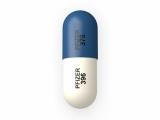
Buy Generic Geodon (Ziprasidone) without prescription in Canada
In our Canadian pharmacy, you can buy Geodon (Ziprasidone) without a prescription, with delivery across Canada within 5‑14 days. Discreet and anonymous packaging.
Geodon (ziprasidone hydrochloride) is an atypical antipsychotic medication used to treat symptoms of schizophrenia and the manic or mixed episodes of bipolar I disorder. It works by helping to restore the balance of dopamine and serotonin, two key neurotransmitters in the brain involved in mood, thought, and behaviour. This action helps reduce hallucinations, delusions, and disorganized thinking, as well as stabilize mood and prevent relapse.
Usual adult dose: For schizophrenia, the usual starting dose is 40 mg taken twice daily with food. The dose can be increased by your doctor every 2 days up to a maximum of 80 mg twice daily. For the acute manic phase of bipolar disorder, the recommended starting dose is 40 mg twice daily for 1 day, then increased to 60 mg or 80 mg twice daily as tolerated. All doses must be taken with food to ensure adequate absorption.
Dosage form: Oral capsules available in 20 mg, 40 mg, and 80 mg strengths.
Onset of action: Some improvement in agitation or sleep may be seen within the first week of treatment. However, the full antipsychotic and mood-stabilizing effects typically develop over several weeks of continuous therapy.
Duration of action: The effects of a dose last approximately 12 hours, which is why it is prescribed to be taken twice daily.
Alcohol recommendation: Alcohol consumption should be avoided during treatment with Geodon. Combining alcohol with this medication can increase the risk of side effects such as dizziness, drowsiness, and liver problems, and may interfere with the effectiveness of the medication.
Most common side effects: Feeling unusually tired or sleepy, nausea or upset stomach, constipation, dizziness, headache, and abnormal movements such as restlessness or muscle stiffness.
Would you like to try Geodon (Ziprasidone) without a prescription?
General Information about Geodon (Ziprasidone)
- INN (International Nonproprietary Name): Ziprasidone (as ziprasidone hydrochloride monohydrate).
- Brand names available in Canada: Zeldox® (Pfizer Canada Inc.), Auro-Ziprasidone (Auro Pharma Inc.), PMS-Ziprasidone (Pharmascience Inc.), GD-Ziprasidone (GenMed, a division of Pfizer Canada Inc.), and Mylan-Ziprasidone (Mylan Pharmaceuticals ULC).
- ATC code: N05AE04
- Dosage forms and strengths: Oral capsules: 20 mg, 40 mg, and 80 mg (as ziprasidone).
- Manufacturers in Canada: Pfizer Canada Inc., Auro Pharma Inc., Pharmascience Inc., GenMed (a division of Pfizer Canada Inc.), and Mylan Pharmaceuticals ULC.
- Registration status in Canada: Approved by Health Canada.
- OTC / Rx classification: Prescription only (Rx). Schedule I drug.
Mechanism of Action and Pharmacology
Ziprasidone is a second-generation, or atypical, antipsychotic. Its therapeutic effects are believed to be mediated through a combination of activities on the brain's dopamine and serotonin receptors. Specifically, it acts as a potent antagonist at D2 (dopamine type 2) and 5-HT2A (serotonin type 2A) receptors. This balanced blockade is thought to reduce the positive symptoms of schizophrenia (like hallucinations and delusions) while also improving negative and mood symptoms, with a lower risk of motor side effects compared to older antipsychotics. Ziprasidone also has a high affinity for 5-HT1A receptors, where it acts as an agonist, which may contribute to its antidepressant and anxiolytic effects. Unlike many other atypical antipsychotics, it has a relatively low propensity for causing significant weight gain, hyperglycemia, or lipid abnormalities. The medication must be taken with a meal of at least 500 calories for adequate absorption. It is extensively metabolized by the liver (primarily by the enzyme aldehyde oxidase, with a minor contribution from CYP3A4), with an elimination half-life of about 7 hours.
Indications
- The treatment of schizophrenia and related psychotic disorders in adults.
- The acute treatment of manic or mixed episodes associated with bipolar I disorder in adults.
- Maintenance treatment of bipolar I disorder when response has been established during an acute episode.
- Geodon is not approved by Health Canada for use in children and adolescents, though it may be prescribed off-label in certain cases under specialist care.
- It is not approved for the treatment of dementia-related psychosis.
Important Warnings and Precautions
At‑risk groups
- Elderly (dementia-related psychosis): There is a significantly higher risk of death in elderly patients with dementia who take antipsychotic drugs. Geodon is not approved for this use and should be avoided.
- Cardiac risks: Ziprasidone can prolong the QT interval on an ECG, which can lead to a potentially fatal heart arrhythmia called torsades de pointes. It should not be used in patients with a known history of QT prolongation, a recent heart attack, or severe heart failure. It is also contraindicated with other drugs known to significantly prolong the QT interval.
- Pregnancy: There are limited data on the use of ziprasidone during pregnancy. It should be used during pregnancy only if the potential benefit clearly justifies the potential risk to the fetus. Infants exposed to antipsychotics in the third trimester are at risk for extrapyramidal and/or withdrawal symptoms after delivery.
- Breastfeeding: It is not known if ziprasidone passes into human breast milk. Because of the potential for serious adverse reactions in a nursing infant, breastfeeding is not recommended during treatment.
- Elderly: Older adult patients may be more susceptible to adverse effects such as orthostatic hypotension (a sudden drop in blood pressure upon standing), sedation, and the cardiac risks mentioned above. Lower starting doses are often considered.
- Neuroleptic Malignant Syndrome (NMS): A rare but potentially fatal condition characterized by severe muscle rigidity, high fever, altered mental status, and irregular pulse/blood pressure. Immediate medical attention is required, and the drug must be stopped.
- Seizure disorders: Antipsychotics can lower the seizure threshold; use with caution in patients with a history of seizures.
- Metabolic changes: Atypical antipsychotics can cause weight gain, high blood sugar (which can lead to diabetes), and high cholesterol. While the risk with ziprasidone is generally lower than with some other antipsychotics, baseline and periodic monitoring is recommended.
- Allergy: Do not take Geodon if you are allergic to ziprasidone or any of the other ingredients.
Driving and alcohol
Geodon can cause significant drowsiness, dizziness, and may impair your thinking or motor skills. You should avoid driving, operating heavy machinery, or performing other hazardous activities until you know how this medication affects you. Alcohol should be avoided during treatment, as it can make these side effects much worse and may increase the risk of liver problems.
Dosage Instructions
- Schizophrenia: The initial dose is 40 mg twice daily, taken with food. The dose may be increased by your doctor every 2 days up to a maximum of 80 mg twice daily, based on individual response and tolerability.
- Bipolar I Disorder (Acute Manic or Mixed Episodes): The starting dose is 40 mg twice daily on day 1, which is then increased to 60 mg or 80 mg twice daily on day 2. Subsequent adjustments are based on clinical response.
- Maintenance Treatment: Your doctor will determine the lowest effective dose for long-term maintenance. Responders should continue their dose to prevent relapse.
- Administration: All doses must be taken with food (at least 500 calories). If taken on an empty stomach, the medication will not be properly absorbed. The capsules should be swallowed whole with a glass of water and must not be opened, crushed, or chewed.
- Missed dose: If you miss a dose by only a few hours, take it with food as soon as you remember. If it is almost time for your next dose, skip the missed dose and continue with your regular schedule. Do not take a double dose.
Side Effects and Contraindications
- Most common side effects: Somnolence (excessive sleepiness), nausea, constipation, dizziness, extrapyramidal symptoms (such as restlessness, muscle stiffness, tremor), and headache. These side effects are often dose-related and may diminish over time.
- Rare but serious side effects: QT interval prolongation and torsades de pointes (a life-threatening heart rhythm), Neuroleptic Malignant Syndrome (NMS), severe allergic reactions (anaphylaxis), and a decrease in white blood cell count (agranulocytosis). Seizures, priapism (a prolonged, painful erection), and a rare but serious skin reaction (DRESS) have also been reported. Seek emergency medical attention for symptoms of a heart problem (fast or irregular heartbeat, fainting), NMS (high fever, muscle rigidity, confusion), or any severe allergic reaction (rash, swelling of the face/tongue/throat, difficulty breathing).
- Contraindications: Geodon is absolutely contraindicated in patients with known hypersensitivity to ziprasidone or any excipient in the formulation. It is also contraindicated in patients with a known history of QT prolongation, those who have had a recent myocardial infarction, or those with uncompensated heart failure. Coadministration with other drugs that significantly prolong the QT interval (such as certain antiarrhythmics, other antipsychotics, and some antibiotics) is also contraindicated.
Drug Interactions
- Major interactions (contraindicated): Drugs that are known to significantly prolong the QT interval, such as certain antiarrhythmics (e.g., amiodarone, sotalol, dofetilide), other antipsychotics (e.g., pimozide, thioridazine), and certain antibiotics (e.g., moxifloxacin). This combination increases the risk of a fatal heart arrhythmia.
- Other CNS depressants: Alcohol, benzodiazepines, opioids, and other medications that affect the brain can increase the sedative and psychomotor-impairing effects of Geodon.
- Antihypertensive agents: Ziprasidone can enhance the effects of certain blood pressure medications, potentially causing a sudden and dangerous drop in blood pressure.
- Medications affecting electrolytes: Any medication that can lower potassium or magnesium levels (e.g., certain diuretics) will increase the risk of a serious heart rhythm disturbance from Geodon.
Practical Advice
- Administration: Always take Geodon with a substantial meal. A consistent habit, such as taking it with breakfast and dinner, helps you remember and ensures proper absorption.
- Monitoring: Your doctor will need to monitor your heart health with an ECG before and during treatment. They will also periodically monitor your blood sugar, weight, and cholesterol levels. If you have diabetes, monitor your blood sugar closely, as Geodon can increase it.
- Storage: Store at room temperature (15‑30 °C) in a dry place, protected from moisture and light. Keep out of reach and sight of children.
- Lifestyle: A healthy diet and regular exercise are important to counteract potential weight gain and metabolic changes. Be sure to drink plenty of fluids and avoid overheating, as this medication can affect your body's ability to regulate temperature.
- Discontinuation: Do not stop taking this medication suddenly without consulting your doctor, as this can cause withdrawal symptoms or a return of your condition. A gradual dose reduction is recommended.
- Disposal: Return unused or expired medication to a pharmacy for safe disposal. Do not flush down the toilet or discard in household waste.
Alternative Medications
- Other atypical antipsychotics: Olanzapine (Zyprexa), risperidone (Risperdal), quetiapine (Seroquel), and aripiprazole (Abilify) are other second-generation antipsychotics used for similar conditions. The choice depends on individual factors, including side-effect profiles. For example, quetiapine and aripiprazole are less likely to affect the heart rhythm.
- Older, typical antipsychotics: Haloperidol (Haldol) or loxapine are effective, especially for the positive symptoms of schizophrenia, but have a much higher risk of causing permanent motor side effects like tardive dyskinesia.
- Mood stabilizers: For bipolar disorder, lithium or valproate (Depakene) are first-line treatments that may be used as alternatives to or in combination with an antipsychotic.
- Metabolically-friendly alternatives: For patients concerned with weight gain, metabolic syndrome, or cardiac issues, aripiprazole and lurasidone (Latuda) are atypical antipsychotics with a lower risk of these specific problems, although they each have their own side effect profiles.
Clinical Efficacy
The efficacy of ziprasidone for the treatment of schizophrenia and bipolar disorder is well-established. In clinical trials for schizophrenia, ziprasidone was significantly superior to placebo in reducing both positive symptoms (hallucinations, delusions) and negative symptoms (social withdrawal, lack of emotion). A key finding was its relatively neutral metabolic profile; compared to olanzapine, patients taking ziprasidone experienced significantly less weight gain and fewer increases in cholesterol and blood sugar. For bipolar I disorder, ziprasidone monotherapy demonstrated a rapid and sustained improvement in manic symptoms, with a response rate (≥50% decrease in manic symptoms) significantly higher than placebo within the first week. Long-term maintenance studies have also shown that ziprasidone is effective in preventing relapse and stabilizing mood over 6–12 months. The medication's impact on the QT interval was observed during clinical trials, and while it is a valid safety concern, no increase in the rate of sudden cardiac death was found in a large, real-world comparative effectiveness study when compared to olanzapine or risperidone.
Important:
Geodon (ziprasidone) is a prescription medication that should be used only under the supervision of a qualified healthcare professional. It can cause a life-threatening heart rhythm problem called QT prolongation, especially if you have certain pre-existing heart conditions or are taking other medications that affect the heart. You must provide your doctor with a complete medical history and a list of all medications you are taking. All doses must be taken with food; if not, the medication will not work effectively. Do not stop taking Geodon abruptly, as this may cause serious withdrawal symptoms or a relapse of your condition. If you experience symptoms such as fainting, fast or irregular heartbeat, uncontrolled muscle movements, high fever, confusion, or a severe skin reaction (e.g., a spreading rash with fever), seek immediate medical attention. This information is not a substitute for professional medical advice, diagnosis, or treatment.


| Shipping method | Delivery time | Price | |
 Delivery Delivery |
14-21 days | 14.95$ | Tracking# available in 4 days |
 Delivery Delivery |
9-14 days | 30$ | Tracking# available in 2 days |
- Shipping worldwide
- Confidentiality and anonymity guarantee
- Safe and secure
- Discrete looking packages
- Dispatch orders within 24 hours
- 100% success delivery


