


 Secure and Reliable
 High quality
 Worldwide shipping
 Bonuses and Discounts
 Money back Guarantee
- Bestsellers
- Alcoholism
- COVID-19
- Allergy
- Anti Fungal
- Alzheimers
- Anti Viral
- Anti-Depressants
- Anti-Inflammatory
- Antibacterial
- Antiparasitic
- Antibiotics
- Arthritis
- Asthma
- Birth Control
- Blood Pressure
- Cancer
- Cardiovascular
- Cholesterol
- Diabetes
- Diuretics
- Erectile Dysfunction
- Eye Drop
- Gastro Health
- General Health
- Hair Loss
- Hepatitis C Virus (HCV)
- HIV
- Hormones
- Men's ED Packs
- Men's Health
- Mental Illness
- Motion Sickness
- Muscle Relaxant
- Pain Relief
- Parkinson’s Disease
- Veterinary Medicines
- Quit Smoking
- Vitamins
- Skin Care
- Sleeping Aids
- Weight Loss
- Women's Health
Generic Grifulvin V ( Griseofulvin )
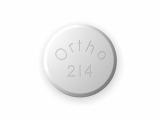
Grifulvin V is an antifungal medication which used to treat fungal infections of the skin, scalp, and nails such as jock itch, athlete's foot, and barber's itch. The infections maybe caused by various types of dermatomycetes (Trichophytons, Microsporums, and Epidermophytons).
Buy Generic Grifulvin V (Griseofulvin) without prescription in Canada
At our Canadian pharmacy, you can purchase Grifulvin V (griseofulvin) 250 mg tablets without a prescription, with discreet and anonymous packaging delivered within 5-14 days across US/Canada.
Grifulvin V is an oral antifungal used to treat fungal infections of the skin, scalp, and nails caused by dermatophytes. It is most often prescribed for tinea capitis (ringworm of the scalp), tinea corporis (ringworm of the body), tinea pedis (athlete's foot), and onychomycosis (fungal nail infection) when topical treatment is not practical or has not worked. The medication works by interfering with fungal cell division, which stops the infection from spreading to newly formed skin, hair, and nail tissue.
A note on availability: Grifulvin V is a U.S. brand and is not marketed in Canada. Griseofulvin itself has no currently marketed Canadian product. The Canadian brand Grisovin-FP 250 mg (DIN 02100274, Roberts Pharmaceutical Canada Inc.) was cancelled post-market on August 11, 1999, and the older Glaxo Canada DIN 00012254 was also cancelled. Fulvicin products are likewise cancelled. Our pharmacy sources griseofulvin through international channels, which is how we can offer it here. The dosing and safety information below reflects the U.S. product labelling and standard clinical references for griseofulvin.
The usual adult dose is 500 mg of microsize griseofulvin per day, taken as 250 mg twice daily. More extensive infections may need 750 mg to 1 g per day to start, reduced to 500 mg or less once a response is seen. Children over 2 years are usually dosed at 10 mg/kg per day. Treatment length depends on the site: tinea capitis usually needs 4 to 6 weeks, tinea corporis 2 to 4 weeks, tinea pedis 4 to 8 weeks, fingernail infections at least 4 months, and toenail infections at least 6 months.
The administration form is a 250 mg microsize tablet. Griseofulvin is also available in some markets as a 125 mg tablet, a 500 mg tablet, and an oral suspension.
Griseofulvin does not work overnight. It is deposited in keratin as new skin, hair, and nail tissue forms, so visible improvement usually takes several weeks. Nail infections can take months to clear because the infected nail has to grow out.
Alcohol should be avoided during treatment. Griseofulvin can cause a disulfiram-like reaction with alcohol, with flushing, nausea, and palpitations. It can also add to drowsiness and dizziness.
The most common side effects are headache, nausea, vomiting, diarrhea, and abdominal discomfort. Headache is especially common early in treatment and often eases with continued use.
Would you like to try Grifulvin V without a prescription?
Common Use Grifulvin V
Griseofulvin is a fungistatic antibiotic produced by Penicillium griseofulvum. It binds to tubulin in fungal cells and disrupts the mitotic spindle, which stops the fungus from dividing and spreading. It is active against dermatophytes, including Trichophyton species, Microsporum species, and Epidermophyton floccosum. Griseofulvin is not effective against Candida, Malassezia, or systemic fungal infections. The drug is absorbed from the gut, and with microsize formulations absorption is improved by taking it with a fatty meal. Once in the bloodstream, it concentrates in keratin-producing tissues, which is why it works for skin, hair, and nail infections. Griseofulvin is approved in the United States for tinea capitis, tinea corporis, tinea pedis, tinea barbae, tinea cruris, and tinea unguium caused by susceptible dermatophytes. It is not a first-choice treatment for every fungal infection, and it should not be used for infections that could be treated effectively with a topical agent.
Basic Grifulvin V Information
- INN (International Nonproprietary Name): Griseofulvin
- Brand names available in Canada: No griseofulvin product is currently marketed in Canada. The Canadian brand Grisovin-FP 250 mg (DIN 02100274, Roberts Pharmaceutical Canada Inc.) and Glaxo Canada's Grisovin FP 250 mg (DIN 00012254) are cancelled post-market. Grifulvin V is a U.S. brand. Other international brand names include Fulvicin, Grisovin, and Gris-PEG.
- ATC Code: D01BA01
- Forms and dosages: Tablets – 250 mg (microsize) and 500 mg (microsize). Ultramicrosize tablets are available in 125 mg and 250 mg strengths in some markets. An oral suspension of 125 mg/5 mL is also available in some countries.
- Manufacturers in Canada: Not applicable. Griseofulvin has no current Canadian manufacturer. The last Canadian DINs were held by Roberts Pharmaceutical Canada Inc. and Glaxo Canada Inc. Grifulvin V is manufactured for the U.S. market by Ortho-McNeil-Janssen Pharmaceuticals, now part of Janssen Pharmaceuticals.
- Registration status in Canada: Not approved. There is no current Notice of Compliance or marketed DIN for griseofulvin in Canada. The most recent Canadian product, Grisovin-FP 250 mg (DIN 02100274), has a current status of "Cancelled Post Market" with a status date of August 11, 1999.
- OTC / Rx classification: Prescription only (Rx) in countries where it is marketed. It is not legally sold over-the-counter in Canada.
Dosage & Direction
Take griseofulvin exactly as your doctor prescribes. For adults, the usual dose of microsize griseofulvin is 500 mg per day, taken as 250 mg twice daily. Patients with less severe or less extensive infections may need less, while those with widespread lesions may need a starting dose of 750 mg to 1 g per day. Once a response is seen, the dose can be reduced gradually to 500 mg or less. For children older than 2 years, a dose of 10 mg/kg per day is usually adequate, given in divided doses. Take the tablet with or after a fatty meal, because food increases absorption. Swallow it whole with water. Do not crush or chew it unless your doctor or pharmacist tells you to. Treatment must continue until the infecting organism is completely eradicated, as confirmed by clinical or laboratory examination. Representative treatment periods are tinea capitis 4 to 6 weeks, tinea corporis 2 to 4 weeks, tinea pedis 4 to 8 weeks, fingernail infections at least 4 months, and toenail infections at least 6 months. Clinical relapse will occur if the medication is stopped before the fungus is fully cleared. If you miss a dose, take it as soon as you remember. If it is almost time for your next dose, skip the missed one and continue with your regular schedule. Do not take two doses at once. Do not stop the medication early just because the visible infection looks better.
Precautions
Griseofulvin can cause liver injury. Rare cases of hepatitis, cholestasis, and hepatocellular failure have been reported, including fatalities. Your doctor should check your liver function before treatment and periodically during long courses, especially if you have a history of liver disease or take other hepatotoxic drugs. Stop the medication and contact your doctor if you develop yellowing of the skin or eyes, dark urine, pale stools, persistent nausea, or unusual tiredness. Griseofulvin can cause blood disorders, including leukopenia, neutropenia, granulocytopenia, and thrombocytopenia. A complete blood count should be checked periodically during prolonged treatment. Stop the drug and seek medical advice if you develop fever, sore throat, mouth ulcers, easy bruising, or unusual bleeding. Griseofulvin can cause photosensitivity reactions. Avoid prolonged exposure to sunlight and artificial ultraviolet light, and use sunscreen if you cannot avoid sun exposure. Severe skin reactions, including erythema multiforme, Stevens-Johnson syndrome, and toxic epidermal necrolysis, have been reported rarely. Stop the medication and seek emergency care if you develop a rash with blisters, peeling skin, or sores in the mouth or eyes. Griseofulvin can cause headache, dizziness, drowsiness, and impairment of coordination. Do not drive or operate machinery until you know how it affects you. The drug can cause gastrointestinal irritation, and it should be taken with food. It can also cause oral thrush and angular cheilitis because it alters the normal flora. Tell your doctor if you have porphyria, because griseofulvin can precipitate an attack. It is contraindicated in patients with hepatocellular failure. Griseofulvin can cause fetal harm when used during pregnancy. It is contraindicated in pregnant women and in women who may become pregnant, because it can cause congenital abnormalities. Women of childbearing potential should use effective contraception during treatment and for at least one month after the last dose. It is not known whether griseofulvin passes into breast milk, so breastfeeding is not recommended during treatment. Griseofulvin can cause a lupus-like syndrome or exacerbate existing lupus erythematosus. Tell your doctor if you have lupus. It can also cause peripheral neuropathy, and it should be stopped if numbness or tingling develops. Older adults may be more sensitive to the neurological and gastrointestinal effects.
Contraindications
Do not take griseofulvin if you have had an allergic reaction to griseofulvin or any of the inactive ingredients in the tablet. Griseofulvin is contraindicated in patients with porphyria, because it can precipitate an acute attack. It is contraindicated in patients with hepatocellular failure. Do not use griseofulvin during pregnancy. It can cause fetal harm, including congenital abnormalities, and should not be used in women who are or may become pregnant. Griseofulvin is contraindicated in patients with a history of lupus erythematosus or a lupus-like syndrome, because it can exacerbate the condition. It should not be used in patients with severe liver disease. Griseofulvin is not recommended for children under 2 years of age, because safety and effectiveness have not been established. Do not use griseofulvin for fungal infections that are not caused by dermatophytes, such as Candida or Malassezia infections, because it is not effective against these organisms.
Possible Side Effects
The most common side effects of griseofulvin are headache, nausea, vomiting, diarrhea, abdominal pain, and flatulence. Headache is especially common early in treatment and may be severe enough to require a dose reduction or discontinuation. Other common effects include dizziness, fatigue, insomnia, and a metallic taste. Griseofulvin can cause photosensitivity, so sunburn may develop more easily than usual. It can also cause a rash, urticaria, and itching. Oral thrush and angular cheilitis can occur because the drug alters normal bacterial flora. Serious side effects require immediate medical attention. Liver injury can cause jaundice, dark urine, and abdominal pain. Blood disorders can cause fever, sore throat, bruising, or bleeding. Severe skin reactions can cause blisters, peeling, and mucosal sores. Peripheral neuropathy can cause numbness, tingling, or weakness in the hands and feet. Lupus-like syndrome can cause joint pain, rash, and fever. If you develop any of these, stop the medication and seek medical help right away. Most side effects are reversible once the drug is stopped, but liver injury and severe skin reactions can be life-threatening if not recognized early.
Drug Interaction
Griseofulvin is a potent inducer of cytochrome P450 enzymes, especially CYP3A4 and CYP1A2, and it can also induce P-glycoprotein. This means it can reduce the blood levels and effectiveness of many other drugs. It can reduce the effectiveness of oral contraceptives, so women who take griseofulvin should use a backup method of contraception and continue it for at least one month after stopping griseofulvin. Griseofulvin can reduce the anticoagulant effect of warfarin, so INR should be monitored closely when the two are used together. It can reduce the levels of cyclosporine, tacrolimus, and sirolimus, which are used to prevent organ transplant rejection. It can reduce the levels of some antiretrovirals, including protease inhibitors and non-nucleoside reverse transcriptase inhibitors. It can reduce the effectiveness of phenobarbital, and phenobarbital can reduce the effectiveness of griseofulvin. Griseofulvin can interact with alcohol to cause a disulfiram-like reaction, with flushing, nausea, vomiting, and palpitations. It should not be taken with alcohol. Griseofulvin can reduce the effectiveness of some antibiotics, including tetracyclines, and it may interact with sulfonamides. Tell your doctor and pharmacist about every medication you take, including over-the-counter products, vitamins, and herbal supplements.
Missed Dose
If you miss a dose of griseofulvin, take it as soon as you remember. If it is almost time for your next dose, skip the missed one and continue with your regular schedule. Do not take two doses at once to make up for a missed one. If you miss several doses in a row, contact your doctor before restarting. Missing doses can allow the fungal infection to return or spread, so try to take the medication at the same times each day.
Overdose
There is limited experience with griseofulvin overdose. Taking too much may cause nausea, vomiting, diarrhea, headache, dizziness, and drowsiness. In severe cases, it can cause liver injury and blood disorders. There is no specific antidote. Treatment is symptomatic and supportive. Contact a poison control centre or go to an emergency department if you or someone else has taken more than the prescribed dose. Do not try to manage an overdose at home.
Storage
Store griseofulvin tablets at room temperature between 20 and 25 degrees Celsius (68 and 77 degrees Fahrenheit). Keep the container tightly closed and protect it from light and moisture. Do not store in the bathroom or near a sink. Keep out of reach of children and pets. Do not use after the expiry date on the label. Dispose of unused medication according to local guidelines. Do not flush griseofulvin down the toilet or pour it down the sink.
Disclaimer
We provide only general information about medications which does not cover all directions, possible drug integrations, or precautions. Information at the site cannot be used for self-treatment and self-diagnosis. Any specific instructions for a particular patient should be agreed with your health care adviser or doctor in charge of the case. We disclaim reliability of this information and mistakes it could contain. We are not responsible for any direct, indirect, special or other indirect damage as a result of any use of the information on this site and also for consequences of self-treatment.


| Shipping method | Delivery time | Price | |
 Delivery |
14-21 days | 14.95$ | Tracking# available in 4 days |
 Delivery |
9-14 days | 30$ | Tracking# available in 2 days |
- Shipping worldwide
- Confidentiality and anonymity guarantee
- Safe and secure
- Discrete looking packages
- Dispatch orders within 24 hours
- 100% success delivery


