


 Secure and Reliable
  High quality
  Worldwide shipping
  Bonuses and Discounts
  Money back Guarantee
 - Bestsellers
- Alcoholism
- COVID-19
- Allergy
- Anti Fungal
- Alzheimers
- Anti Viral
- Anti-Depressants
- Anti-Inflammatory
- Antibacterial
- Antiparasitic
- Antibiotics
- Arthritis
- Asthma
- Birth Control
- Blood Pressure
- Cancer
- Cardiovascular
- Cholesterol
- Diabetes
- Diuretics
- Erectile Dysfunction
- Eye Drop
- Gastro Health
- General Health
- Hair Loss
- Hepatitis C Virus (HCV)
- HIV
- Hormones
- Men's ED Packs
- Men's Health
- Mental Illness
- Motion Sickness
- Muscle Relaxant
- Pain Relief
- Parkinson’s Disease
- Veterinary Medicines
- Quit Smoking
- Vitamins
- Skin Care
- Sleeping Aids
- Weight Loss
- Women's Health
Generic Isosorbide ( Isosorbide )
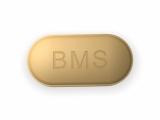
Isosorbide mononitrate is a long-acting organic nitrate vasodilator indicated for the prophylactic management of chronic stable angina pectoris. It is the active 5-mononitrate metabolite of isosorbide dinitrate and works by undergoing intracellular biotransformation to nitric oxide, a potent activator of the enzyme guanylate cyclase in vascular smooth muscle cells. The resulting increase in cyclic guanosine monophosphate (cGMP) leads to dephosphorylation of myosin light chains and relaxation of vascular smooth muscle, producing dilation of both peripheral veins and arteries. Venodilation predominates, reducing venous return and ventricular preload, thereby decreasing myocardial wall tension and oxygen demand. Arterial dilation reduces systemic vascular resistance and afterload, further lowering cardiac work. In addition, isosorbide mononitrate dilates epicardial coronary arteries and improves collateral blood flow to ischemic myocardial regions. It is not intended for the acute termination of an anginal attack; sublingual nitroglycerin should be used for immediate relief of acute symptoms.
Usual adult dose: The recommended starting dose is 20 mg to 30 mg administered twice daily, with the two doses given 7 hours apart to maintain a nitrate-free interval. A typical dosing schedule is to take the first dose upon awakening and the second dose 7 hours later, ensuring a 17-hour nitrate-free period overnight. This nitrate-free interval is critical to minimize the development of nitrate tolerance, which can render the medication ineffective. For patients requiring higher doses, 40 mg or 60 mg may be administered twice daily following the same asymmetric dosing schedule. Alternatively, extended-release formulations (Imdur) are available as 30 mg, 60 mg, or 120 mg tablets administered once daily upon awakening. The dose should be titrated to the lowest effective level that achieves satisfactory angina prophylaxis while minimizing adverse effects such as headache. Abrupt discontinuation should be avoided; the dose should be tapered over several weeks to prevent rebound angina in patients on chronic therapy.
Dosage form: Tablets: 20 mg (white, round, scored), 30 mg (white, round, scored), 40 mg (white, round, scored), and 60 mg (white, round, scored). Extended-release tablets (Imdur) are available as 30 mg, 60 mg, and 120 mg oval, film-coated tablets for once-daily administration. The scored design of the immediate-release tablets allows for dose adjustments and flexible titration.
Onset of action: Following oral administration, isosorbide mononitrate is rapidly and completely absorbed from the gastrointestinal tract, with peak plasma concentrations achieved within approximately 30 to 60 minutes for immediate-release tablets. The anti-anginal prophylactic effect begins within approximately 30 minutes of dosing. Extended-release formulations produce a slower onset with peak concentrations at 3 to 4 hours, providing a gradual rise in plasma levels that may improve tolerability. Steady-state plasma concentrations are achieved within 2 to 3 days of regular twice-daily dosing.
Duration of action: The elimination half-life of isosorbide mononitrate is approximately 4 to 5 hours. The anti-anginal effect of immediate-release formulations persists for approximately 5 to 7 hours, consistent with the recommended twice-daily asymmetric dosing schedule. Extended-release formulations provide approximately 12 hours of anti-anginal coverage, followed by a nitrate-free interval during the latter portion of the dosing interval. The active metabolite isosorbide is pharmacologically inert, and the drug undergoes predominantly renal elimination.
Alcohol recommendation: Alcohol consumption should be minimized or avoided during treatment with isosorbide mononitrate. Both alcohol and organic nitrates produce vasodilation, and their combined use can result in additive hypotensive effects, including significant reductions in blood pressure, dizziness, lightheadedness, orthostatic hypotension, and syncope. Patients should be cautioned about the potential for severe postural hypotension, particularly when rising from a sitting or lying position. If alcohol is consumed, intake should be limited and patients should understand how the combination affects them before driving or operating machinery.
Most common side effects: Headache is the most frequently reported adverse effect, occurring in up to 50% to 80% of patients during the initial weeks of therapy. Nitrate-induced headaches are typically throbbing, bifrontal, and dose-related, reflecting cerebral vasodilation. These headaches generally diminish in intensity with continued treatment over 1 to 2 weeks. Other common side effects include dizziness, lightheadedness, flushing of the face and neck, orthostatic hypotension, and reflex tachycardia. Less frequently, patients may experience nausea, vomiting, or a sensation of warmth. Nitrate tolerance, characterized by the progressive diminution of therapeutic efficacy with sustained exposure, is a clinically significant concern; strict adherence to the nitrate-free interval is essential to maintain anti-anginal efficacy. Methemoglobinemia is a rare but serious adverse effect associated with nitrate therapy. Isosorbide mononitrate is absolutely contraindicated in patients taking phosphodiesterase type 5 (PDE5) inhibitors such as sildenafil, tadalafil, or vardenafil, as the combination can precipitate profound, life-threatening hypotension.
Would you like to learn more about isosorbide mononitrate for the prevention of chronic stable angina?
Buy Generic Isosorbide (Isosorbide) without prescription in Canada
At our pharmacy, you can buy Isosorbide Mononitrate without a prescription, with discreet and anonymous packaging delivered within 5-14 days across Canada.
What is Isosorbide Mononitrate?
Isosorbide mononitrate is a nitrate medication used to prevent angina pectoris, the chest pain caused by reduced blood flow to the heart muscle. It's not a painkiller. It doesn't stop an angina attack that's already happening. What it does is prevent attacks from occurring by keeping coronary arteries dilated and reducing the workload on the heart.
The drug is a vasodilator. It relaxes smooth muscle in blood vessel walls, particularly veins, and to a lesser extent arteries. Venous dilation reduces the amount of blood returning to the heart, which lowers the pressure inside the heart chambers and reduces the oxygen demand of the cardiac muscle. Arterial dilation, including dilation of the coronary arteries themselves, improves oxygen supply. The net effect is that the heart's oxygen supply and demand come back into balance, and angina is less likely to occur.
Isosorbide mononitrate is the active metabolite of isosorbide dinitrate. The dinitrate form is metabolized in the liver to the mononitrate, which is the compound that actually does the work. Giving the mononitrate directly bypasses that metabolic step and provides more predictable blood levels. It's formulated as an extended-release tablet designed to provide a steady concentration of drug throughout the day. The onset of action is about 30 to 60 minutes after oral dosing. The anti-anginal effect lasts about 12 to 14 hours from a single extended-release tablet.
Isosorbide mononitrate is available in 20 mg, 30 mg, 40 mg, and 60 mg extended-release tablets. The usual starting dose is 30 mg once daily, titrated up as needed and tolerated.
Mechanism and Pharmacology
Isosorbide mononitrate is a prodrug that enters vascular smooth muscle cells and is denitrated to release nitric oxide (NO). Nitric oxide activates soluble guanylate cyclase, which increases intracellular cyclic guanosine monophosphate (cGMP). cGMP activates protein kinase G, which phosphorylates myosin light chain kinase and reduces intracellular calcium concentrations. The result is relaxation of vascular smooth muscle.
At low concentrations, the effect is predominantly on veins. Venodilation increases venous capacitance and reduces venous return to the heart. This decreases ventricular filling pressure, or preload, which reduces myocardial wall tension and oxygen consumption. At higher concentrations, arteries and arterioles also dilate, reducing systemic vascular resistance, or afterload, which further decreases the work of the heart. Coronary arteries, including stenotic segments, also dilate, improving blood flow to ischemic areas of the myocardium.
The clinical relevance is that nitrates don't just mask angina pain. They address the underlying imbalance between oxygen supply and demand that causes the pain. They're anti-ischemic drugs, not analgesics.
Isosorbide mononitrate is well absorbed orally, with bioavailability approaching 100 percent because there's no first-pass metabolism to speak of. The extended-release formulation releases the drug slowly over about 10 to 12 hours. Peak plasma concentration occurs about 3 to 4 hours after dosing. The half-life is about 4 to 5 hours. It's metabolized in the liver to inactive glucuronide conjugates and excreted in urine, primarily as metabolites.
The major limitation of nitrate therapy is tolerance. With continuous exposure to nitrates, the vascular smooth muscle becomes less responsive. The mechanism involves depletion of sulfhydryl groups needed for nitric oxide release and increased oxidative stress that inactivates NO. A nitrate-free interval of at least 10 to 12 hours per day is essential to allow the vasculature to recover its responsiveness. This is why isosorbide mononitrate is dosed once daily in the morning, with the effect wearing off overnight.
How to Use Isosorbide Mononitrate
The usual starting dose is 30 mg once daily, taken in the morning upon waking. The dose can be increased to 60 mg or 120 mg once daily depending on response and tolerance. Some patients do well on 20 mg. Others need 60 mg. The principle is to use the lowest dose that prevents angina without causing intolerable headache or hypotension.
Take the tablet whole with water. Do not crush, chew, or split extended-release tablets. Breaking the extended-release matrix dumps the entire dose at once, which can cause severe headache, hypotension, and reflex tachycardia.
The dosing schedule is asymmetric by design. You take the tablet in the morning. The drug levels rise during the day, providing protection during the hours when you're active and the heart is under load. Levels then fall during the evening and overnight. This 10 to 12 hour nitrate-free interval is not a flaw. It's a necessary feature that prevents the development of tolerance. If you took it twice daily, the constant nitrate exposure would cause tolerance within days, and the drug would stop working.
If you miss a dose, take it as soon as you remember unless it's late in the day. If it's afternoon or evening, skip the missed dose and take the next one at the usual time the following morning. Do not double up, and do not take a dose close to bedtime. Taking it at night eliminates the nitrate-free interval and accelerates tolerance.
Isosorbide mononitrate is for prevention, not for acute angina attacks. If you have chest pain despite being on the medication, use your short-acting nitrate, usually nitroglycerin spray or sublingual tablets, as prescribed. The mononitrate is background therapy. The short-acting nitrate is rescue therapy. They're used together, not one instead of the other.
Side Effects of Isosorbide Mononitrate
Headache is the most common side effect and the one that drives many people to stop treatment. It's caused by vasodilation of cerebral blood vessels and meningeal arteries. The headache is typically throbbing, bifrontal, and most intense an hour or two after the dose. It's a sign the drug is working, which is small comfort when your head is pounding. The headache often diminishes with continued use over a week or two as the body adapts. Starting at a lower dose and titrating up slowly helps. Simple analgesics like acetaminophen can be used. If the headache is severe and persistent despite a low dose, the drug may not be tolerable, and an alternative anti-anginal should be considered.
Hypotension and dizziness occur because the drug lowers blood pressure. The drop is usually modest, 5 to 10 mmHg systolic, but it can be more in volume-depleted patients or those on other vasodilators. Orthostatic hypotension, a drop in blood pressure on standing, can cause lightheadedness and falls. Rise slowly from sitting or lying down, especially in the morning when the drug's effect is peaking.
Flushing and a sensation of warmth are caused by cutaneous vasodilation. They're harmless and transient.
Reflex tachycardia can occur as the body compensates for the drop in blood pressure by increasing heart rate. This is more common at higher doses. If the heart rate increases significantly, it can increase myocardial oxygen demand and partly offset the anti-anginal benefit. Beta-blockers blunt this reflex and are often co-prescribed with nitrates for this reason.
Nausea is less common but can occur. Taking the tablet with a small amount of food may help without interfering with absorption.
High-Risk Groups (Elderly, Pregnancy)
Pregnancy. Isosorbide mononitrate is FDA pregnancy category C. There are no adequate human studies. Animal studies have not shown teratogenicity, but the data are limited. Nitrates are used during pregnancy only if clearly needed. The main indication would be for pregnant women with significant coronary artery disease, which is rare. If a pregnant woman has angina, the management should be co-managed with a cardiologist and maternal-fetal medicine specialist.
Breastfeeding. It's unknown whether isosorbide mononitrate is excreted in human breast milk. Nitroglycerin, a related nitrate, is excreted in small amounts. The risk to the infant is unknown. Breastfeeding while on isosorbide mononitrate should be a risk-benefit decision made with a doctor.
Elderly patients are more sensitive to the hypotensive effects of nitrates. Baroreceptor reflexes are less robust with age, so the drop in blood pressure is less well compensated. Orthostatic hypotension and falls are real concerns. Start at 20 mg, titrate slowly, and assess for dizziness on standing. The benefit of angina prevention must be weighed against the risk of a hip fracture from a fall.
Hypovolemia, from diuretic use, dehydration, or blood loss, amplifies the hypotensive effect of nitrates. Volume status should be optimized before starting or increasing the dose.
Severe anemia reduces the oxygen-carrying capacity of blood. Nitrates reduce venous return, which further decreases oxygen delivery to tissues. In a patient with significant anemia and angina, the anemia should be corrected rather than relying on nitrates to reduce myocardial oxygen demand.
Hypertrophic cardiomyopathy with left ventricular outflow tract obstruction is a relative contraindication. Nitrates reduce preload, which can increase the outflow tract gradient and worsen symptoms. The same applies to severe aortic stenosis.
Interaction With Activities (Driving, Alcohol)
Isosorbide mononitrate can cause dizziness, hypotension, and in some people syncope. Driving during the first few days of treatment or after a dose increase should be approached cautiously. If you feel lightheaded or your vision blurs on standing, do not drive until those symptoms resolve. Once you're on a stable dose and know how the drug affects you, driving is generally safe for most people.
Alcohol amplifies the vasodilatory and hypotensive effects of nitrates. A drink or two can cause more dizziness and a larger drop in blood pressure than either drug alone. The combination also causes a throbbing headache in some people. It's not contraindicated, but it should be approached cautiously, especially during the first few hours after taking the morning dose when nitrate levels are peaking. Heavy drinking while on nitrate therapy is inadvisable.
Drug Interactions
Phosphodiesterase type 5 (PDE5) inhibitors are the most dangerous interaction. Sildenafil (Viagra), tadalafil (Cialis), vardenafil (Levitra), and avanafil (Stendra) all potentiate the vasodilatory effect of nitrates by inhibiting the breakdown of cGMP. The combination can cause severe, prolonged hypotension that is refractory to treatment and can be fatal. A man who takes a PDE5 inhibitor must not take any nitrate for at least 24 hours after sildenafil or vardenafil, and at least 48 hours after tadalafil. This interaction is absolute and non-negotiable.
Other antihypertensives and vasodilators have additive effects. Beta-blockers, calcium channel blockers, ACE inhibitors, ARBs, and diuretics all lower blood pressure. When isosorbide mononitrate is added, the combined effect can cause symptomatic hypotension. This is usually manageable by starting at a low nitrate dose and titrating slowly. The combination of a beta-blocker and a nitrate is actually synergistic for angina because the beta-blocker prevents the reflex tachycardia from the nitrate, and the nitrate offsets any increase in preload from the beta-blocker.
Ergot alkaloids used for migraine (ergotamine, dihydroergotamine) can have their vasoconstrictive effect opposed by nitrates. The clinical significance is unclear, but the combination should be used with awareness.
Alternative Options
Isosorbide mononitrate is one of several classes of anti-anginal drugs, and it's often used in combination with other agents rather than as monotherapy.
Beta-blockers (metoprolol, bisoprolol, atenolol) reduce heart rate and contractility, decreasing myocardial oxygen demand. They're first-line therapy for stable angina. They're effective, well studied, and reduce mortality in patients with prior myocardial infarction. They don't cause the headache that nitrates do. They can cause fatigue, bradycardia, and cold extremities.
Calcium channel blockers (amlodipine, diltiazem, verapamil) reduce afterload and dilate coronary arteries. Amlodipine is the most commonly used for angina because it's well tolerated and dosed once daily. Diltiazem and verapamil also slow heart rate. They're alternatives or add-ons to beta-blockers.
Short-acting nitrates (nitroglycerin spray or sublingual tablets) are for acute attacks and prophylaxis immediately before exertion. They work within 1 to 3 minutes and last 30 to 60 minutes. Every patient on isosorbide mononitrate should also have a short-acting nitrate for breakthrough symptoms. The long-acting nitrate prevents most attacks. The short-acting nitrate handles the ones that break through.
Ranolazine (Ranexa) reduces angina by inhibiting late sodium channels in cardiac myocytes, reducing calcium overload and improving diastolic relaxation. It doesn't affect heart rate or blood pressure, so it's a useful add-on in patients who are already at the limit of their hemodynamic tolerance for beta-blockers and nitrates. It can cause QT prolongation and interacts with several drugs.
Ivabradine (Procoralan) reduces heart rate by inhibiting the If current in the sinoatrial node. It's an option for patients who can't tolerate beta-blockers or whose heart rate remains elevated despite them. It doesn't lower blood pressure.
Revascularization with percutaneous coronary intervention (stenting) or coronary artery bypass grafting is indicated when optimal medical therapy fails to control symptoms or when the coronary anatomy is high-risk. Medications are first-line. Procedures are for when medications aren't enough.
INN, Brand Names, and Classification in Canada
INN (International Nonproprietary Name): Isosorbide-5-mononitrate
Available brand names in Canada: Imdur, and generic isosorbide mononitrate
ATC code: C01DA14
Forms and strengths: Extended-release tablets 20 mg, 30 mg, 40 mg, 60 mg
Manufacturers: AstraZeneca Canada Inc. (Imdur), Teva Canada Limited, Sandoz Canada Inc., Apotex Inc., and diverse generic manufacturers
Registration status in Canada: Registered
Classification: Prescription (Rx)
Managing Nitrate Tolerance
Tolerance is the central challenge of long-term nitrate therapy. It develops within 24 to 48 hours of continuous exposure. The solution built into the dosing is the nitrate-free interval. By taking the tablet once daily in the morning, you get coverage during the day and allow nitrate levels to fall overnight. The vasculature resets its responsiveness during those low-nitrate hours.
Some patients experience nocturnal angina during the nitrate-free interval. This is the trade-off. Daytime protection with a vulnerable window at night. If nocturnal angina is a problem, a beta-blocker or calcium channel blocker can be added to cover the overnight hours without using nitrates. The combination of a nitrate during the day and a beta-blocker at night provides 24-hour protection without continuous nitrate exposure.
The headache from nitrates often leads patients to stop the drug before they've given it a fair trial. If you can push through the first week, the headache often diminishes or resolves. Acetaminophen helps. Starting at the lowest dose and increasing gradually helps more. A patient who can't tolerate any nitrate dose due to headache should switch to a different class of anti-anginal rather than abandoning treatment.
Isosorbide mononitrate is legally classified as prescription-only in Canada. However, through our pharmacy, you can purchase Isosorbide Mononitrate without a prescription and receive it in discreet packaging anywhere across the country.
Frequently Asked Questions
Why can't I take isosorbide mononitrate for acute chest pain?
The extended-release formulation is designed for slow absorption over hours. It doesn't act fast enough to relieve an angina attack that's already started. For acute symptoms, use your short-acting nitroglycerin spray or sublingual tablets. If chest pain persists after three doses of short-acting nitrate taken 5 minutes apart, seek emergency medical attention.
Why do I get a headache every time I take it?
Headache is caused by dilation of blood vessels in the brain. It's a direct effect of the drug and a sign it's working. It usually improves after a week or two of continued use. Start at a low dose, use acetaminophen if needed, and give your body time to adapt.
Can I take Viagra while on isosorbide mononitrate?
No. PDE5 inhibitors and nitrates are an absolute contraindication. The combination can cause a fatal drop in blood pressure. If you need treatment for erectile dysfunction, discuss non-PDE5 options with your doctor. Do not stop your nitrate to take a PDE5 inhibitor without medical supervision.
What happens if I take the tablet at night instead of in the morning?
If you take it at night, nitrate levels remain elevated continuously, and tolerance develops within days. The drug stops working for angina prevention. The morning dosing with a nitrate-free overnight interval is essential for maintaining efficacy.
Can I stop isosorbide mononitrate abruptly?
Stopping abruptly is not dangerous in the sense of causing a withdrawal syndrome, but your angina will return, possibly with increased frequency. Nitrate withdrawal can cause rebound coronary vasospasm in some patients. If you need to stop, do so under medical supervision with a plan for alternative anti-anginal therapy.
Delivery Information Across Canada
We ship Isosorbide Mononitrate to all provinces and territories. Delivery times vary depending on how remote your location is:
- Ontario (Toronto, Ottawa, Mississauga): 5 to 7 days
- Quebec (Montreal, Quebec City, Laval): 5 to 7 days
- British Columbia (Vancouver, Victoria, Burnaby): 5 to 9 days
- Alberta (Calgary, Edmonton, Red Deer): 5 to 9 days
- Manitoba (Winnipeg, Brandon): 5 to 9 days
- Saskatchewan (Saskatoon, Regina): 5 to 9 days
- Nova Scotia (Halifax, Sydney): 5 to 9 days
- New Brunswick (Moncton, Fredericton): 5 to 9 days
- Newfoundland and Labrador (St. John's, Corner Brook): 7 to 14 days
- Prince Edward Island (Charlottetown): 7 to 14 days
- Yukon, Northwest Territories, Nunavut: 7 to 14 days
All shipments are packed discreetly with no branding or indication of contents on the outside.


| Shipping method | Delivery time | Price | |
 Delivery Delivery |
14-21 days | 14.95$ | Tracking# available in 4 days |
 Delivery Delivery |
9-14 days | 30$ | Tracking# available in 2 days |
- Shipping worldwide
- Confidentiality and anonymity guarantee
- Safe and secure
- Discrete looking packages
- Dispatch orders within 24 hours
- 100% success delivery


