


 Secure and Reliable
  High quality
  Worldwide shipping
  Bonuses and Discounts
  Money back Guarantee
 - Bestsellers
- Alcoholism
- COVID-19
- Allergy
- Anti Fungal
- Alzheimers
- Anti Viral
- Anti-Depressants
- Anti-Inflammatory
- Antibacterial
- Antiparasitic
- Antibiotics
- Arthritis
- Asthma
- Birth Control
- Blood Pressure
- Cancer
- Cardiovascular
- Cholesterol
- Diabetes
- Diuretics
- Erectile Dysfunction
- Eye Drop
- Gastro Health
- General Health
- Hair Loss
- Hepatitis C Virus (HCV)
- HIV
- Hormones
- Men's ED Packs
- Men's Health
- Mental Illness
- Motion Sickness
- Muscle Relaxant
- Pain Relief
- Parkinson’s Disease
- Veterinary Medicines
- Quit Smoking
- Vitamins
- Skin Care
- Sleeping Aids
- Weight Loss
- Women's Health
Generic Lasix ( Furosemide )
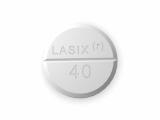
Buy Generic Lasix (Furosemide) without prescription in Canada
In our Canadian pharmacy, you can buy Lasix (Furosemide) without a prescription, with delivery across Canada within 5‑14 days. Discreet and anonymous packaging.
Lasix (furosemide) is a potent loop diuretic, commonly called a “water pill,” used to treat high blood pressure (hypertension) and to reduce excess fluid (oedema) caused by congestive heart failure, liver cirrhosis, and kidney disorders. It works by inhibiting the reabsorption of sodium and chloride in the thick ascending limb of the loop of Henle in the kidneys, which causes a powerful increase in the excretion of water and electrolytes, thereby lowering blood pressure and relieving swelling. Its powerful diuretic action makes it particularly useful when rapid fluid removal is needed or when other diuretics are ineffective.
Usual adult dose: For oedema, the usual starting dose is 20 mg to 80 mg taken as a single dose in the morning; if necessary, the dose may be increased by 20 mg to 40 mg at intervals of 6 to 8 hours until the desired diuretic effect is achieved. The effective dose range is highly variable; some patients may require doses of 40 mg to 100 mg once or twice daily for severe fluid retention. For hypertension, the usual starting dose is 40 mg twice daily; the 100 mg tablet is generally reserved for patients with significant volume overload or severe hypertension who have not responded to lower doses. In all cases, therapy should be individualised and the lowest effective dose used. The tablet is best taken in the morning to avoid nocturia.
Dosage form: Oral tablets: 20 mg, 40 mg, and 100 mg. Also available as an oral solution (10 mg/mL) and injectable solution.
Onset of action: Diuresis begins within 30 to 60 minutes after an oral dose, peaks in 1 to 2 hours, and lasts approximately 4 to 6 hours, though in patients with severe renal impairment the duration may be prolonged.
Duration of action: The diuretic effect of a single oral dose lasts about 4 to 6 hours; however, the antihypertensive effect is more prolonged and is maintained with twice‑daily dosing. The elimination half‑life is approximately 2 hours in patients with normal renal function but may be extended to 9 to 20 hours in those with end‑stage renal disease.
Alcohol recommendation: Alcohol consumption should be limited or avoided during treatment with Lasix. Alcohol can lower blood pressure further, increasing the risk of dizziness, light‑headedness, and fainting, and it may also worsen dehydration and electrolyte imbalances.
Most common side effects: Frequent urination, dizziness, light‑headedness, headache, gastrointestinal upset (nausea, vomiting, diarrhoea), and electrolyte imbalances, particularly low potassium (hypokalaemia), low sodium (hyponatraemia), and low magnesium (hypomagnesaemia). Muscle cramps, weakness, and thirst are common. Rare but serious side effects include ototoxicity (hearing loss or tinnitus, particularly with high doses or rapid intravenous administration), severe skin reactions, and acute kidney injury. Careful monitoring of electrolytes and fluid status is required, particularly with the 100 mg dose.
Would you like to try Lasix (Furosemide) without a prescription?
General Information about Lasix (Furosemide)
- INN (International Nonproprietary Name): Furosemide
- Brand names available in Canada: Lasix® (Sanofi‑Aventis Canada Inc.) is the original brand‑name product. Generic versions are widely available and include APO‑Furosemide (Apotex Inc.), TEVA‑Furosemide (Teva Canada Limited), Sandoz Furosemide (Sandoz Canada Inc.), PMS‑Furosemide (Pharmascience Inc.), and many others. The 100 mg tablet is less commonly prescribed than the 20 mg and 40 mg strengths but is available under the brand name Lasix and as a generic.
- ATC code: C03CA01 (sulfonamide diuretics, loop diuretics).
- Dosage forms and strengths: Oral tablets: 20 mg, 40 mg, and 100 mg. Oral solution: 10 mg/mL. Injectable solution: 10 mg/mL.
- Manufacturers in Canada: Sanofi‑Aventis Canada Inc. (Lasix), Apotex Inc., Teva Canada Limited, Sandoz Canada Inc., Pharmascience Inc., and other generic manufacturers.
- Registration status in Canada: Approved by Health Canada. Marketed (DINs: 00513734 for Lasix 20 mg, 00513742 for Lasix 40 mg, 00513750 for Lasix 100 mg). The original brand has been available for decades; generic formulations are also approved.
- OTC / Rx classification: Prescription only (Rx). Schedule I drug under the Controlled Drugs and Substances Act. A valid prescription from a licensed Canadian healthcare professional is required.
Mechanism of Action and Pharmacology
Furosemide is a potent loop diuretic that acts primarily on the thick ascending limb of the loop of Henle in the nephron. It inhibits the Na⁺/K⁺/2Cl⁻ cotransporter on the luminal membrane, blocking the reabsorption of sodium, potassium, and chloride from the tubular fluid back into the blood. This leads to the excretion of these electrolytes and, consequently, water, causing a powerful and rapid diuresis. The drug also reduces the reabsorption of calcium and magnesium and has a direct vasodilatory effect on venous capacitance vessels, which contributes to a rapid reduction in cardiac preload (the volume of blood returning to the heart). Furosemide also stimulates renin release and can activate the renin‑angiotensin‑aldosterone system, which may partially counteract its antihypertensive effect over time. Unlike thiazide diuretics, furosemide remains effective even in patients with significantly reduced renal function (creatinine clearance as low as 20 mL/min). Furosemide is approximately 90‑99% bound to plasma proteins, primarily albumin. It is metabolized in the liver to inactive metabolites and excreted primarily by the kidneys (about 60‑90% of an oral dose), with the remainder eliminated in the faeces. The elimination half‑life is approximately 1.5 to 2 hours in healthy individuals but is prolonged in renal failure and congestive heart failure. The diuretic response is dose‑dependent, and the 100 mg dose is used for patients with severe fluid overload or diuretic resistance.
Indications
- Oedema: Lasix is indicated for the treatment of oedema associated with congestive heart failure, cirrhosis of the liver (hepatic cirrhosis with ascites), and renal disease, including nephrotic syndrome. It is particularly useful when a potent, rapid‑acting diuretic is required.
- Hypertension: Lasix may be used alone or in combination with other antihypertensive agents for the treatment of mild to moderate hypertension. Thiazide diuretics are generally preferred as first‑line agents for uncomplicated hypertension, but furosemide is an alternative when thiazides are ineffective or contraindicated (e.g., in patients with significant renal impairment).
- Furosemide is also used off‑label for the management of hypercalcaemia (when combined with adequate hydration), and as adjunctive therapy in acute pulmonary oedema and acute hypercalcaemia.
- Not recommended for use in children; safety and efficacy in paediatric patients have not been established for the oral tablet formulation, though the injectable form is used in specialist paediatric settings.
Important Warnings and Precautions
At‑risk groups
- Pregnancy: Lasix should be used during pregnancy only if clearly needed and when the potential benefit justifies the potential risk to the foetus. Furosemide crosses the placenta and may cause fetal diuresis and electrolyte disturbances. It is not recommended for routine use in pregnancy‑induced oedema or hypertension.
- Breastfeeding: Furosemide is excreted in breast milk and may inhibit lactation. A decision must be made whether to discontinue breastfeeding or to discontinue the drug, taking into account the importance of the medication to the mother.
- Paediatrics: The oral tablet is not recommended for use in children; safety and efficacy have not been established. Injectable furosemide is used with extreme caution in specialist paediatric settings, with careful dose adjustment based on weight.
- Elderly: Elderly patients are more susceptible to the hypotensive and electrolyte‑depleting effects of furosemide. Lower starting doses (e.g., 20 mg) are recommended, and renal function and electrolytes should be monitored frequently.
- Renal impairment: Furosemide is effective in patients with reduced renal function, but the risk of ototoxicity and electrolyte disturbances is increased. In severe renal impairment (creatinine clearance < 20 mL/min), higher doses (up to 100 mg or more) may be required to achieve diuresis, with careful monitoring. Loop diuretics are the preferred agents for volume management in renal failure.
- Hepatic impairment: Use with extreme caution in patients with severe liver disease, particularly those with cirrhosis and ascites. Rapid fluid and electrolyte shifts may precipitate hepatic encephalopathy or coma. Hospitalisation for initiation of therapy is often warranted in such cases.
- Electrolyte disturbances: Furosemide can cause profound hypokalaemia, hyponatraemia, hypomagnesaemia, hypocalcaemia, and metabolic alkalosis. Serum electrolytes, particularly potassium, must be monitored regularly, especially with the 100 mg dose. Potassium supplementation or concurrent use of potassium‑sparing diuretics may be required.
- Ototoxicity: Tinnitus, reversible or irreversible hearing loss, and deafness have been reported, particularly after rapid intravenous injection, high oral doses (e.g., 100 mg or more daily), and in patients with renal impairment. Furosemide should be used with caution in patients taking other ototoxic drugs (e.g., aminoglycoside antibiotics).
- Diabetes mellitus: Furosemide may impair glucose tolerance and increase insulin resistance. Blood glucose should be monitored, and doses of insulin or oral hypoglycaemic agents may need adjustment.
- Gout: Loop diuretics can increase serum uric acid levels and may precipitate acute gouty arthritis in susceptible individuals.
- Systemic lupus erythematosus (SLE): Furosemide may exacerbate or activate SLE.
- Sulfonamide allergy: Furosemide is a sulfonamide derivative and should be used with caution, if at all, in patients with a known hypersensitivity to sulfonamide‑derived drugs. Cross‑sensitivity may occur.
- Allergy: Do not take Lasix if you have a known hypersensitivity to furosemide, other sulfonamide derivatives, or any excipient in the formulation.
Driving and alcohol
Lasix may cause dizziness, light‑headedness, or orthostatic hypotension, particularly during the initial stages of therapy or when the dose is increased. Patients should be cautious when driving, operating machinery, or performing hazardous tasks until they know how the medication affects them. Alcohol consumption should be limited or avoided during treatment because it can potentiate the orthostatic hypotensive effects of furosemide, increasing the risk of dizziness, fainting, and falls.
Dosage Instructions
- Oedema (Adults): The usual initial dose is 20 mg to 80 mg given as a single dose, preferably in the morning. If a diuretic response occurs, the same dose may be repeated after 6 to 8 hours if necessary. The dose may be titrated upward by 20 mg to 40 mg increments until the desired effect is achieved. For patients with severe oedema or diuretic resistance, doses of 40 mg to 100 mg once or twice daily may be required. The maximum recommended dose is 600 mg per day, but such high doses are rarely needed and are reserved for carefully monitored patients in hospital settings.
- Hypertension (Adults): The usual starting dose is 40 mg twice daily. If the blood pressure response is inadequate, the dose may be increased or another antihypertensive agent added. The 100 mg tablet is rarely needed for hypertension alone and is generally reserved for patients with concomitant volume overload.
- Elderly patients: Initiate at a lower dose (e.g., 20 mg) and titrate slowly, with close monitoring of fluid status and electrolytes.
- Renal impairment: Patients with severe renal impairment may require higher doses to achieve diuresis; starting doses of 40 mg to 80 mg or higher may be necessary, but always with careful monitoring for toxicity.
- Administration: Take the tablet with a full glass of water, with or without food. Morning administration is preferred to avoid nocturia. The 100 mg tablet is particularly potent and should be taken exactly as prescribed. Do not crush or chew the tablet. If a second daily dose is needed, it should be taken in the afternoon to prevent overnight urination.
- Missed dose: If a dose is missed, take it as soon as remembered on the same day. If it is close to the time of the next scheduled dose, skip the missed dose and resume the regular schedule. Do not double the dose.
Side Effects and Contraindications
- Very common side effects (≥ 10%): Electrolyte imbalances, particularly hypokalaemia, hyponatraemia, hypomagnesaemia, and hypocalcaemia. Signs include muscle cramps, weakness, arrhythmias, and confusion. Frequent urination is an expected pharmacologic effect.
- Common side effects (1‑10%): Dizziness, light‑headedness, orthostatic hypotension, headache, gastrointestinal disturbances (nausea, vomiting, diarrhoea), and increased thirst. Hyperuricaemia and attacks of gout may occur.
- Less common but serious side effects: Ototoxicity (tinnitus, hearing loss, which may be irreversible, particularly with high‑dose intravenous therapy or with concurrent ototoxic drugs), severe skin reactions (including Stevens‑Johnson syndrome, toxic epidermal necrolysis), acute interstitial nephritis, pancreatitis, and blood dyscrasias (agranulocytosis, thrombocytopenia, aplastic anaemia). Metabolic alkalosis may develop. Increases in serum creatinine and blood urea nitrogen (BUN) may occur, particularly in volume‑depleted patients.
- Contraindications: Anuria or complete renal shutdown. Severe electrolyte depletion (hyponatraemia, hypokalaemia). Pre‑coma associated with hepatic cirrhosis and ascites. Hypersensitivity to furosemide, other sulfonamide derivatives, or any excipient in the formulation. Pregnancy (routine use) and breastfeeding (relative contraindication).
Drug Interactions
- Aminoglycoside antibiotics (e.g., gentamicin, tobramycin): Additive ototoxicity and nephrotoxicity; concomitant use should be avoided unless the benefit outweighs the risk, and close monitoring is required.
- Other antihypertensives: Additive blood‑pressure‑lowering effects; dose adjustment may be necessary.
- Non‑steroidal anti‑inflammatory drugs (NSAIDs): NSAIDs may reduce the diuretic and antihypertensive effects of furosemide and may increase the risk of acute renal failure, particularly in volume‑depleted patients.
- Lithium: Furosemide reduces the renal clearance of lithium, significantly increasing the risk of lithium toxicity. Concomitant use is generally not recommended; if unavoidable, monitor lithium levels closely.
- Digoxin: Furosemide‑induced hypokalaemia and hypomagnesaemia increase the risk of digoxin toxicity and serious arrhythmias. Serum potassium and magnesium levels should be monitored and maintained within normal limits.
- Antidiabetic agents: Furosemide may impair glucose tolerance and reduce the effectiveness of insulin and oral hypoglycaemic drugs. Monitor blood glucose.
- Corticosteroids and amphotericin B: These agents can increase potassium loss and the risk of hypokalaemia.
- Neuromuscular blocking agents: Furosemide may potentiate the effects of curare‑like muscle relaxants.
- Alcohol, barbiturates, and narcotics: Additive orthostatic hypotensive effects.
Practical Advice
- Administration: Take Lasix exactly as prescribed, preferably in the morning to avoid nocturia. If a second dose is needed, take it in the early afternoon. Swallow the tablet whole with a full glass of water; it may be taken with or without food. Do not crush or chew. Drink adequate fluids, but avoid excessive intake that could counteract the diuretic effect.
- Monitoring: Regular monitoring of serum electrolytes (particularly potassium, sodium, magnesium, and calcium), renal function (creatinine, BUN), blood pressure, and body weight is essential. More frequent monitoring is needed during the initial weeks of therapy, after dose changes (especially to 100 mg), and in elderly patients. Serum uric acid and blood glucose should be monitored periodically in patients at risk of gout or diabetes. Signs and symptoms of fluid and electrolyte imbalance (dry mouth, thirst, weakness, lethargy, drowsiness, restlessness, muscle pain or cramps, hypotension, oliguria, tachycardia, and gastrointestinal disturbance) should be reported.
- Storage: Store at room temperature (15‑30 °C) in a tightly closed container, protected from light and moisture. Keep out of the reach and sight of children.
- Lifestyle: Follow a balanced diet; your doctor may recommend a potassium‑rich diet or supplementation to prevent hypokalaemia. Do not use potassium‑containing salt substitutes without consulting your doctor. Avoid prolonged sun exposure, as furosemide can increase sensitivity to sunlight. Rise slowly from sitting or lying positions to minimise dizziness. Weigh yourself daily at the same time (preferably in the morning after voiding) and report any rapid weight gain or loss to your doctor.
- Missed dose: If you miss a dose, take it as soon as you remember on the same day. If it is close to the time of your next dose, skip the missed dose and return to your regular schedule. Never take a double dose to make up for a missed one.
- When to seek medical review: Contact your doctor immediately if you experience symptoms of a serious electrolyte imbalance (severe muscle cramps, irregular heartbeat, extreme weakness, confusion), signs of dehydration (very dry mouth, extreme thirst, little or no urination), sudden decrease in hearing or ringing in the ears, a severe skin reaction (rash, blistering, or peeling of the skin), or signs of an allergic reaction (hives, swelling of the face, tongue, or throat, difficulty breathing). If you become pregnant, inform your doctor.
- Disposal: Return unused or expired medication to a pharmacy for safe disposal. Do not flush down the toilet or discard in household waste.
Alternative Medications
- Other loop diuretics: Bumetanide (Burinex®) and torsemide (Demadex®) are alternative loop diuretics with similar mechanisms and indications. Bumetanide is particularly useful in patients allergic to furosemide, and torsemide has a longer half‑life and more predictable absorption.
- Thiazide and thiazide‑like diuretics: Hydrochlorothiazide (Microzide®), chlorthalidone (Thalitone®), and indapamide (Lozide®) are first‑line agents for hypertension but are less effective than loop diuretics in patients with reduced renal function (creatinine clearance < 30 mL/min).
- Potassium‑sparing diuretics: Spironolactone (Aldactone®), eplerenone (Inspra®), and amiloride (Midamor®) are used in combination with loop diuretics to counteract potassium loss, particularly in heart failure and cirrhosis.
- ACE inhibitors (e.g., ramipril, lisinopril) and ARBs (e.g., losartan, candesartan): These agents are the cornerstone of heart failure and hypertension management and are often combined with furosemide to improve outcomes and counteract the activation of the renin‑angiotensin system caused by diuresis.
- Non‑pharmacological approaches: Dietary sodium restriction, fluid management, daily weight monitoring, and treatment of the underlying condition (e.g., cardiac, hepatic, or renal disease) are essential components of oedema and hypertension management.
Clinical Efficacy
Furosemide has been a cornerstone of diuretic therapy for over five decades. Its efficacy in rapidly mobilising excess fluid in congestive heart failure, hepatic cirrhosis, and renal disease is undisputed. In the treatment of hypertension, furosemide lowers blood pressure effectively, but thiazide diuretics are generally preferred for uncomplicated hypertension because of their more favourable metabolic profile and longer duration of action. The 100 mg dose is a key tool for managing diuretic resistance—a condition where the natriuretic response to a standard dose is blunted due to disease state, reduced renal function, or compensatory sodium retention. In these cases, furosemide 40 mg to 100 mg orally once or twice daily, or even higher doses in a monitored setting, can restore effective diuresis. Clinically, the dose must be individualised, and the lowest effective dose should always be used to minimise the risk of electrolyte disturbances and ototoxicity. Furosemide remains one of the most widely prescribed diuretics worldwide, and its clinical utility, established safety profile when appropriately monitored, and low cost support its essential role in the management of fluid overload and hypertension.
Important:
Lasix (furosemide) is a prescription medication that should be used only under the supervision of a qualified healthcare professional. It is a powerful diuretic that can cause severe fluid and electrolyte imbalances, including life‑threatening hypokalaemia, hyponatraemia, and dehydration. This risk is particularly high with the 100 mg dose. Routine laboratory monitoring of electrolytes, renal function, and blood pressure is essential. Seek medical attention immediately if you experience symptoms such as severe muscle cramps or weakness, rapid or irregular heartbeat, fainting, a sudden decrease in hearing or ringing in the ears, severe dizziness, or signs of a serious allergic reaction (such as rash, swelling of the face, lips, tongue, or throat, and difficulty breathing). Do not take this medication if you are unable to urinate. Do not discontinue therapy without consulting your doctor, as this may lead to rebound fluid retention. Alcohol potentiates the orthostatic hypotensive effects of this medication and should be limited or avoided. This information is not a substitute for professional medical advice, diagnosis, or treatment.
 5 stars out of 5
5 stars out of 5
5 stars out of 5
5 stars out of 5
5 stars out of 5
 4 stars out of 5
5 stars out of 5
5 stars out of 5
5 stars out of 5
5 stars out of 5
5 stars out of 5
4 stars out of 5
5 stars out of 5
5 stars out of 5
5 stars out of 5
5 stars out of 5
5 stars out of 5
5 stars out of 5
5 stars out of 5
5 stars out of 5
5 stars out of 5
5 stars out of 5
4 stars out of 5
5 stars out of 5
4 stars out of 5
4 stars out of 5
4 stars out of 5
5 stars out of 5
5 stars out of 5
5 stars out of 5
5 stars out of 5
5 stars out of 5
5 stars out of 5
5 stars out of 5
5 stars out of 5
5 stars out of 5
4 stars out of 5
5 stars out of 5
5 stars out of 5
5 stars out of 5
5 stars out of 5
5 stars out of 5
5 stars out of 5
4 stars out of 5
5 stars out of 5
4 stars out of 5
4 stars out of 5
4 stars out of 5
4 stars out of 5
4 stars out of 5
4 stars out of 5
4 stars out of 5
5 stars out of 5
5 stars out of 5
4 stars out of 5
4 stars out of 5
4 stars out of 5
4 stars out of 5
4 stars out of 5
5 stars out of 5
4 stars out of 5
5 stars out of 5
4 stars out of 5
5 stars out of 5
5 stars out of 5
5 stars out of 5
5 stars out of 5
5 stars out of 5
4 stars out of 5
5 stars out of 5
5 stars out of 5
5 stars out of 5
5 stars out of 5
5 stars out of 5
5 stars out of 5
5 stars out of 5
5 stars out of 5
5 stars out of 5
5 stars out of 5
4 stars out of 5
5 stars out of 5
4 stars out of 5
4 stars out of 5
4 stars out of 5
5 stars out of 5
5 stars out of 5
5 stars out of 5
5 stars out of 5
5 stars out of 5
5 stars out of 5
5 stars out of 5
5 stars out of 5
5 stars out of 5
4 stars out of 5
5 stars out of 5
5 stars out of 5
5 stars out of 5
5 stars out of 5
5 stars out of 5
5 stars out of 5
4 stars out of 5
5 stars out of 5
4 stars out of 5
4 stars out of 5
4 stars out of 5
4 stars out of 5
4 stars out of 5
4 stars out of 5
4 stars out of 5
5 stars out of 5
5 stars out of 5
4 stars out of 5
4 stars out of 5
4 stars out of 5
4 stars out of 5
4 stars out of 5
5 stars out of 5
4 stars out of 5
5 stars out of 5


| Shipping method | Delivery time | Price | |
 Delivery Delivery |
14-21 days | 14.95$ | Tracking# available in 4 days |
 Delivery Delivery |
9-14 days | 30$ | Tracking# available in 2 days |
- Shipping worldwide
- Confidentiality and anonymity guarantee
- Safe and secure
- Discrete looking packages
- Dispatch orders within 24 hours
- 100% success delivery


