


 Secure and Reliable
  High quality
  Worldwide shipping
  Bonuses and Discounts
  Money back Guarantee
 - Bestsellers
- Alcoholism
- COVID-19
- Allergy
- Anti Fungal
- Alzheimers
- Anti Viral
- Anti-Depressants
- Anti-Inflammatory
- Antibacterial
- Antiparasitic
- Antibiotics
- Arthritis
- Asthma
- Birth Control
- Blood Pressure
- Cancer
- Cardiovascular
- Cholesterol
- Diabetes
- Diuretics
- Erectile Dysfunction
- Eye Drop
- Gastro Health
- General Health
- Hair Loss
- Hepatitis C Virus (HCV)
- HIV
- Hormones
- Men's ED Packs
- Men's Health
- Mental Illness
- Motion Sickness
- Muscle Relaxant
- Pain Relief
- Parkinson’s Disease
- Veterinary Medicines
- Quit Smoking
- Vitamins
- Skin Care
- Sleeping Aids
- Weight Loss
- Women's Health
Generic Lenalidomide
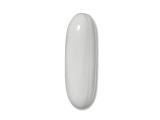
Lenalidomide is an immunomodulatory agent indicated for the treatment of transfusion‑dependent anemia due to low‑ or intermediate‑1‑risk myelodysplastic syndromes (MDS) associated with a deletion 5q cytogenetic abnormality, multiple myeloma in combination with dexamethasone, and mantle cell lymphoma in patients who have relapsed or progressed after bortezomib and rituximab. It works by modulating the immune system, inhibiting the production of pro‑inflammatory cytokines, enhancing T‑cell and natural killer cell activity, and exerting direct antiproliferative effects on malignant plasma cells. Lenalidomide also inhibits angiogenesis. It is a structural analogue of thalidomide but with a different side‑effect profile and greater potency. The 10 mg capsule is used for dose titration and as a standard strength in several treatment regimens.
Usual adult dose: For multiple myeloma, the recommended starting dose is 25 mg once daily on Days 1 to 21 of a 28‑day cycle, in combination with dexamethasone. The 10 mg capsule is used for dose reductions or as a starting dose in patients with moderate renal impairment. For myelodysplastic syndromes with deletion 5q, the dose is 10 mg once daily on Days 1 to 21 of a 28‑day cycle; treatment continues until disease progression or intolerance. For mantle cell lymphoma, the dose is 25 mg once daily on Days 1 to 21 of a 28‑day cycle, with dose adjustments for toxicity. Capsules should be taken orally with water, with or without food, at approximately the same time each day. They must not be opened, crushed, or chewed. Renal dose adjustment is essential: in patients with creatinine clearance below 30 mL/min, the dose is 5 to 15 mg once daily depending on indication, and in end‑stage renal disease, 5 mg once daily or lower. If a dose is missed, the patient may take it if less than 12 hours have elapsed; otherwise, the missed dose should be skipped.
Dosage form: Hard gelatin capsules: 10 mg (blue‑green and pale yellow, imprinted with “10 mg” and “Rev” depending on brand). Available in blister packs of 21 or 28 capsules, dispensed only through a controlled distribution program.
Onset of action: For multiple myeloma, clinical response, measured by reduction in M‑protein and improvement in hematologic parameters, is typically observed within 1 to 3 months of starting therapy. For deletion 5q MDS, transfusion independence may be achieved after 2 to 4 months of treatment. Peak plasma concentrations occur 0.5 to 1.5 hours after oral dosing.
Duration of action: The elimination half‑life of lenalidomide is approximately 3 hours in patients with normal renal function, but the immunomodulatory and antineoplastic effects persist beyond the dosing interval because of downstream cellular changes. The standard cycle involves 21 days of treatment followed by 7 days off; this schedule maintains efficacy while allowing hematologic recovery.
Alcohol recommendation: Alcohol should be avoided or strictly limited during lenalidomide therapy. Alcohol can potentiate drowsiness and dizziness, increase gastrointestinal irritation, and may exacerbate hematologic toxicities such as neutropenia and thrombocytopenia. Patients with myeloma or MDS often have coexisting renal or hepatic impairment, and alcohol may worsen these conditions.
Most common side effects: Thrombocytopenia, neutropenia, anemia, fatigue, diarrhea, constipation, nausea, muscle cramps, rash, and peripheral edema. Venous thromboembolism (deep vein thrombosis and pulmonary embolism) is a serious risk, particularly when lenalidomide is combined with dexamethasone or other thrombogenic agents; prophylactic anticoagulation is recommended in many patients. Lenalidomide is highly teratogenic; it is absolutely contraindicated during pregnancy and in women of childbearing potential who cannot comply with mandatory pregnancy testing and effective contraception. In Canada, lenalidomide is available only through the RevAid controlled distribution program. Other serious adverse events include hepatotoxicity, severe cutaneous reactions such as Stevens‑Johnson syndrome, tumour lysis syndrome, and second primary malignancies, especially in the maintenance setting. Peripheral neuropathy is less common than with thalidomide but can occur. Patients should be monitored with complete blood counts at baseline, every 1 to 2 weeks for the first 2 months, and monthly thereafter, and renal function should be assessed regularly. Lenalidomide is not a cure and must be prescribed and supervised by a healthcare professional experienced in oncology or hematology.
Would you like to try Lenalidomide without a prescription?
Buy Generic Lenalidomide () without prescription in Canada
At our pharmacy, you can buy Lenalidomide without a prescription, with discreet and anonymous packaging delivered within 5-14 days across Canada.
What is Lenalidomide?
Lenalidomide is an immunomodulatory drug used to treat certain blood cancers and bone marrow disorders. It belongs to a class of medications that affect the immune system and the bone marrow environment where blood cells are made. The primary conditions it treats are multiple myeloma, a cancer of plasma cells, and myelodysplastic syndromes, a group of disorders where the bone marrow doesn't produce enough healthy blood cells. It is also used for mantle cell lymphoma, a rare type of non-Hodgkin lymphoma. The drug works in several ways: it stimulates the immune system to attack cancer cells, blocks the growth of new blood vessels that feed tumours, and directly kills abnormal cells in the bone marrow.
Lenalidomide is not chemotherapy in the traditional sense. It's a pill taken by mouth, and for many patients it is taken daily for 21 days followed by 7 days off, in repeated cycles. It is often combined with other medications, such as dexamethasone, a steroid. The 10 mg strength is a common dose, especially for patients with kidney problems, or for maintenance therapy after a stem cell transplant, or for those who cannot tolerate the full 25 mg dose. The effect is not immediate. It can take weeks to months to see a reduction in cancer markers or improvement in blood counts. The drug is usually taken long-term, for as long as it keeps working and side effects are manageable.
Mechanism and Pharmacology
Lenalidomide is a derivative of thalidomide, but with a much stronger immunomodulatory effect and a different side effect profile. It works through several mechanisms. It binds to a protein called cereblon, which is part of an enzyme complex involved in protein degradation. This binding alters the complex's activity, leading to the breakdown of specific proteins that are essential for the survival of abnormal plasma cells. In multiple myeloma, this causes apoptosis, or programmed cell death, of the cancer cells. Lenalidomide also stimulates T-cells and natural killer cells, enhancing the immune system's ability to recognize and destroy tumour cells. In addition, it inhibits angiogenesis, the formation of new blood vessels, and reduces the production of inflammatory cytokines in the bone marrow.
After oral administration, lenalidomide is rapidly absorbed, reaching peak plasma levels in about 1 to 1.5 hours. Food does not significantly affect the total amount absorbed, but taking it with a meal may reduce the peak concentration slightly. The drug is eliminated primarily by the kidneys, with about 65 percent of the dose excreted unchanged in urine. This is why kidney function is critical. In patients with reduced kidney function, the dose must be adjusted, sometimes substantially. The 10 mg dose is often used in patients with moderate renal impairment or as a reduced dose for those who experience side effects. The half-life is about 3 to 4 hours, but the biological effects last much longer because of the downstream changes in cellular signalling. The drug is not metabolized by cytochrome P450 enzymes to any significant extent, which means it has fewer drug interactions than many other cancer drugs. However, it does interact with certain medications that affect kidney function or blood clotting.
How to Use Lenalidomide
The dose and schedule depend on the condition being treated and the patient's kidney function. The standard starting dose for multiple myeloma is usually 25 mg once daily for 21 days, followed by 7 days off. But the 10 mg dose is used in specific situations: for maintenance therapy after a stem cell transplant, the starting dose is often 10 mg once daily, given continuously or on a 21/7 schedule. For patients with moderate kidney impairment, the starting dose may be 10 mg once daily. For myelodysplastic syndromes, the dose is usually 10 mg once daily for 21 days of a 28-day cycle. Always follow your doctor's instructions exactly.
Take the capsule at the same time each day, with or without food. Swallow it whole with water. Do not break, chew, or open the capsule. If you miss a dose and it is less than 12 hours late, take it as soon as you remember. If it is more than 12 hours late, skip the missed dose and take the next one at the regular time. Do not take two doses to make up for a missed one. Do not stop taking lenalidomide suddenly without discussing with your oncologist. If you have to stop, your doctor will give you instructions. While taking this medicine, you must not donate blood. The drug can cause severe birth defects, and even a tiny amount in a blood donation could harm a pregnant woman who receives it.
Side Effects of Lenalidomide
The most common and serious side effects are related to the bone marrow. Low blood counts are expected. Neutropenia, a low white blood cell count, increases the risk of infections. Thrombocytopenia, a low platelet count, increases the risk of bleeding and bruising. Anemia, low red blood cells, causes fatigue and shortness of breath. Blood counts are monitored regularly, and doses may be held or reduced if counts drop too low. Fatigue is extremely common and can be profound. It may improve over time, but some patients feel tired for the entire duration of treatment. Other common side effects include diarrhea, constipation, nausea, muscle cramps, and swelling in the arms or legs due to fluid retention. A skin rash can occur, sometimes severe.
Blood clots are a serious risk, especially when lenalidomide is combined with dexamethasone or other chemotherapy. Patients may be prescribed a blood thinner, such as aspirin, warfarin, or a direct oral anticoagulant, to reduce this risk. Signs of a blood clot include sudden swelling, pain, or redness in one leg, sudden shortness of breath, or chest pain. Seek emergency care if these occur. Lenalidomide can also cause nerve damage, leading to tingling, numbness, or pain in the hands and feet. This is called peripheral neuropathy and can be permanent. Liver problems, including elevated liver enzymes and, rarely, severe hepatitis, can occur. Watch for yellowing of the skin or eyes. Lenalidomide is teratogenic. It causes severe birth defects and fetal death. Women of childbearing age must use two forms of reliable contraception, and men must use condoms because the drug is present in semen. Pregnancy must be avoided during treatment and for at least 4 weeks after the last dose. A special program, called Revlimid REMS or similar in Canada, requires regular pregnancy tests and education about contraception.
High-Risk Groups (Elderly, Pregnancy)
Pregnancy is an absolute contraindication. Lenalidomide is a known teratogen, and even a single dose can cause severe birth defects, including missing limbs and organ malformations. Women who are pregnant or may become pregnant must not handle the capsules. Two forms of effective contraception are required, and regular pregnancy testing is mandatory. Men taking lenalidomide must use a condom during any sexual contact with a woman of childbearing age, because the drug is present in semen and could theoretically cause harm. Breastfeeding is also contraindicated.
Elderly patients can use lenalidomide, but they are more likely to have reduced kidney function and are at higher risk of blood clots and infections. Doses are often reduced. A thorough evaluation of kidney function is essential before starting. The 10 mg dose is frequently used in older patients. People with moderate to severe kidney impairment require dose adjustment. The drug is cleared by the kidneys, and if the kidneys are not working well, blood levels can rise to dangerous levels. Patients on dialysis may need a reduced dose and careful monitoring. Liver impairment does not usually require dose adjustment, but liver enzymes should be checked regularly. Patients with a history of blood clots or stroke should be evaluated carefully before starting lenalidomide, as the drug increases the risk of thrombosis, especially when combined with dexamethasone.
Interaction With Activities (Driving, Alcohol)
Lenalidomide can cause fatigue, dizziness, and confusion. If you experience these, do not drive or operate heavy machinery. The fatigue can come on suddenly and be severe, especially at the start of treatment. Alcohol should be avoided or limited. Alcohol can worsen liver function, increase the risk of bleeding, and add to the fatigue. It can also interact with other medications you may be taking, such as dexamethasone. Heavy drinking is strongly discouraged while on this medication. If you drink, keep it light and tell your doctor honestly.
Drug Interactions
Lenalidomide has relatively few direct drug interactions because it is not metabolized by the cytochrome P450 system. However, it can interact with other drugs that affect the bone marrow or the kidneys. Combining it with other myelosuppressive agents, such as chemotherapy, can increase the risk of low blood counts. The dose of lenalidomide may need to be reduced. Dexamethasone, a steroid often used with lenalidomide, increases the risk of blood clots. Patients are typically given a blood thinner. Digoxin levels may be increased when taken with lenalidomide, so monitoring of digoxin levels is recommended. Epoetin alfa or darbepoetin, used to treat anemia, may increase the risk of blood clots when used with lenalidomide. NSAIDs, like ibuprofen, should be used with caution, especially in patients with kidney problems, because they can worsen kidney function. Always tell your oncologist and pharmacist about every medication, supplement, and herbal product you take.
Alternative Options
For multiple myeloma, many newer drugs are available. Proteasome inhibitors like bortezomib (Velcade) and carfilzomib (Kyprolis) are used, often in combination with lenalidomide or other agents. Monoclonal antibodies, such as daratumumab (Darzalex), have transformed treatment. Pomalidomide (Pomalyst) is a related immunomodulatory drug used for relapsed disease. Thalidomide is the older parent drug, but it has more severe neuropathy and sedation. For myelodysplastic syndromes, azacitidine and decitabine are used. The choice of therapy depends on the specific type of cancer, the patient's kidney function, prior treatments, and overall health. Lenalidomide remains a cornerstone for multiple myeloma, especially as maintenance therapy after transplant, because it prolongs remission. It is also important for patients with the 5q deletion subtype of myelodysplastic syndrome, where it can reduce the need for blood transfusions.
INN, Brand Names, and Classification in Canada
INN (International Nonproprietary Name): Lenalidomide
Available brand names in Canada: Revlimid, and generic lenalidomide
ATC code: L04AX04
Forms and strengths: Capsules 5 mg, 10 mg, 15 mg, 25 mg. The 10 mg capsule is used for specific dosing regimens.
Manufacturers: Bristol-Myers Squibb Canada (Revlimid), and generic manufacturers including Apotex Inc. and Teva Canada Limited.
Registration status in Canada: Registered
Classification: Prescription (Rx)
Frequently Asked Questions
Why is there a special program for this medicine?
Lenalidomide is a powerful teratogen. It can cause severe birth defects if taken during pregnancy. The program ensures that patients understand the risks, use effective contraception, and undergo regular pregnancy testing if they are of childbearing potential. It's not because the drug is dangerous for everyone, but because the risk to a developing fetus is extreme and must be managed carefully.
Can I drink alcohol while taking lenalidomide?
It is best to avoid alcohol. Alcohol can worsen liver function, increase fatigue, and add to the risk of bleeding. If you do drink, keep it very light and tell your doctor. Heavy drinking is strongly discouraged.
Will I lose my hair?
Hair loss is not a common side effect of lenalidomide. Some patients experience mild thinning, but it is usually not as severe as with traditional chemotherapy. If it occurs, it is often temporary.
How long will I need to take this medicine?
It depends on your condition and how you respond. For multiple myeloma, lenalidomide is often taken as maintenance therapy for years, until the disease progresses or side effects become intolerable. For myelodysplastic syndromes, it may be taken until the blood counts no longer improve. Your doctor will monitor your progress and adjust the plan.
What if I miss a dose?
If you remember within 12 hours, take it. If it has been more than 12 hours, skip the missed dose and take the next one at the regular time. Do not double up. Consistency is important, but one missed dose is not usually a crisis. If you are unsure, call your pharmacist.
Delivery Information Across Canada
We ship Lenalidomide to all provinces and territories. Delivery times vary depending on how remote your location is:
- Ontario (Toronto, Ottawa, Mississauga): 5 to 7 days
- Quebec (Montreal, Quebec City, Laval): 5 to 7 days
- British Columbia (Vancouver, Victoria, Burnaby): 5 to 9 days
- Alberta (Calgary, Edmonton, Red Deer): 5 to 9 days
- Manitoba (Winnipeg, Brandon): 5 to 9 days
- Saskatchewan (Saskatoon, Regina): 5 to 9 days
- Nova Scotia (Halifax, Sydney): 5 to 9 days
- New Brunswick (Moncton, Fredericton): 5 to 9 days
- Newfoundland and Labrador (St. John's, Corner Brook): 7 to 14 days
- Prince Edward Island (Charlottetown): 7 to 14 days
- Yukon, Northwest Territories, Nunavut: 7 to 14 days
All shipments are packed discreetly with no branding or indication of contents on the outside.


| Shipping method | Delivery time | Price | |
 Delivery Delivery |
14-21 days | 14.95$ | Tracking# available in 4 days |
 Delivery Delivery |
9-14 days | 30$ | Tracking# available in 2 days |
- Shipping worldwide
- Confidentiality and anonymity guarantee
- Safe and secure
- Discrete looking packages
- Dispatch orders within 24 hours
- 100% success delivery


