


 Secure and Reliable
  High quality
  Worldwide shipping
  Bonuses and Discounts
  Money back Guarantee
 - Bestsellers
- Alcoholism
- COVID-19
- Allergy
- Anti Fungal
- Alzheimers
- Anti Viral
- Anti-Depressants
- Anti-Inflammatory
- Antibacterial
- Antiparasitic
- Antibiotics
- Arthritis
- Asthma
- Birth Control
- Blood Pressure
- Cancer
- Cardiovascular
- Cholesterol
- Diabetes
- Diuretics
- Erectile Dysfunction
- Eye Drop
- Gastro Health
- General Health
- Hair Loss
- Hepatitis C Virus (HCV)
- HIV
- Hormones
- Men's ED Packs
- Men's Health
- Mental Illness
- Motion Sickness
- Muscle Relaxant
- Pain Relief
- Parkinson’s Disease
- Veterinary Medicines
- Quit Smoking
- Vitamins
- Skin Care
- Sleeping Aids
- Weight Loss
- Women's Health
Generic Levofloxacin
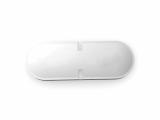
Buy Generic Levofloxacin () without prescription in Canada
In our Canadian pharmacy, you can buy Levofloxacin without a prescription, with delivery across Canada within 5‑14 days. Discreet and anonymous packaging.
Levofloxacin is a broad‑spectrum fluoroquinolone antibiotic used to treat a wide range of mild, moderate, and severe bacterial infections, including those of the respiratory tract, sinuses, skin, kidneys, bladder, and prostate. It works by inhibiting two essential bacterial enzymes-DNA gyrase and topoisomerase IV - which are required for DNA replication, transcription, repair, and recombination. This dual inhibition blocks bacterial DNA synthesis, leading to rapid bactericidal activity against both Gram‑positive and Gram‑negative organisms.
Usual adult dose: The recommended dose and duration depend on the type and severity of infection. For most respiratory and urinary tract infections, 250 mg to 500 mg is taken orally once every 24 hours for 5 to 14 days. For more complicated infections, such as hospital‑acquired pneumonia or severe sinusitis, 750 mg once daily may be prescribed for 5 to 14 days. The tablet should be swallowed whole with a full glass of water and may be taken with or without food. Patients should maintain adequate hydration and avoid taking the medication at the same time as antacids, iron, zinc, or calcium supplements, which can interfere with absorption; these products should be taken at least 2 hours before or 2 hours after levofloxacin.
Dosage form: Oral film‑coated tablets: 250 mg, 500 mg, and 750 mg of levofloxacin. Also available as an oral solution and as an injectable solution for intravenous use.
Onset of action: Levofloxacin is rapidly and almost completely absorbed after oral administration, with peak plasma concentrations reached within 1 to 2 hours. Clinical improvement, such as reduction of fever and symptoms, is typically seen within 48 to 72 hours of starting therapy, although the full course must be completed to achieve bacterial eradication and prevent the development of resistance.
Duration of action: The elimination half‑life of levofloxacin is approximately 6 to 8 hours, allowing once‑daily dosing. Therapeutic concentrations in tissues and fluids, including the lungs, sinuses, prostate, and urine, are maintained well above the minimum inhibitory concentration (MIC) for susceptible organisms throughout the 24‑hour dosing interval.
Alcohol recommendation: Alcohol consumption does not directly interfere with the antibacterial action of Levofloxacin. However, alcohol should be limited during treatment because it can worsen gastrointestinal side effects such as nausea and diarrhoea, impair the immune response, and contribute to dehydration. There is no disulfiram‑like reaction.
Most common side effects: Nausea, diarrhoea, headache, dizziness, constipation, and insomnia. These are generally mild and transient. However, levofloxacin, like other fluoroquinolones, carries a boxed warning for potentially irreversible, disabling adverse reactions including tendinitis and tendon rupture (especially the Achilles tendon, particularly in patients over 60 years of age or taking corticosteroids), peripheral neuropathy, and central nervous system effects such as seizures, psychiatric disturbances, and worsening of myasthenia gravis. Other serious risks include QT interval prolongation and cardiac arrhythmias, aortic aneurysm and dissection, hepatotoxicity, severe photosensitivity, and Clostridioides difficile‑associated diarrhoea. Due to these safety concerns, levofloxacin should be reserved for infections when no alternative treatment options are available.
Would you like to try Levofloxacin without a prescription?
General Information about Levofloxacin
- INN (International Nonproprietary Name): Levofloxacin (as levofloxacin hemihydrate).
- Brand names available in Canada: The brand‑name product Levaquin® (Janssen Inc.) was discontinued in Canada in 2019, but generic levofloxacin tablets are widely available and include APO‑Levofloxacin (Apotex Inc.), TEVA‑Levofloxacin (Teva Canada Limited), Sandoz Levofloxacin (Sandoz Canada Inc.), PMS‑Levofloxacin (Pharmascience Inc.), and many others. Levofloxacin is also available as a solution for intravenous infusion and as an oral solution (25 mg/mL).
- ATC code: J01MA12 (levofloxacin; fluoroquinolones).
- Dosage forms and strengths: Oral film‑coated tablets: 250 mg, 500 mg, and 750 mg (as levofloxacin hemihydrate). Oral solution: 25 mg/mL. Injectable solution: 5 mg/mL in single‑dose vials or premixed bags.
- Manufacturers in Canada: Apotex Inc., Teva Canada Limited, Sandoz Canada Inc., Pharmascience Inc., and other generic pharmaceutical companies. The original brand Levaquin was manufactured by Janssen Inc.
- Registration status in Canada: Approved by Health Canada. Levofloxacin first received its Notice of Compliance in the late 1990s. Multiple generic formulations are currently marketed and available by prescription. DINs: 02240763 (250 mg), 02240764 (500 mg), 02242547 (750 mg), and numerous generic DINs.
- OTC / Rx classification: Prescription only (Rx). Schedule I drug under the Controlled Drugs and Substances Act. A valid prescription from a licensed Canadian healthcare professional is required.
Mechanism of Action and Pharmacology
Levofloxacin is the levo‑isomer of the racemic fluoroquinolone ofloxacin and is the active antibacterial component. It is a bactericidal agent that targets two essential type II topoisomerase enzymes in bacteria: DNA gyrase and topoisomerase IV. DNA gyrase is responsible for introducing negative supercoils into DNA, which is necessary for DNA replication and transcription; topoisomerase IV is involved in chromosome segregation during cell division. By forming a ternary complex with these enzymes and DNA, levofloxacin blocks the resealing of the DNA strands, leading to double‑strand breaks, inhibition of nucleic acid synthesis, and ultimately bacterial cell death. Its potency against both Gram‑positive and Gram‑negative organisms, including penicillin‑resistant Streptococcus pneumoniae, Haemophilus influenzae, Moraxella catarrhalis, and many Enterobacteriaceae, makes it a broad‑spectrum agent. However, it is less active against Pseudomonas aeruginosa than ciprofloxacin and has limited activity against anaerobes.
Levofloxacin is rapidly and almost completely absorbed after oral administration, with an absolute bioavailability of approximately 99%. Food does not significantly affect absorption; however, co‑administration with antacids containing magnesium or aluminum, sucralfate, iron, or zinc supplements substantially reduces oral absorption and should be avoided. Peak plasma concentrations are achieved 1 to 2 hours after dosing. The drug is widely distributed throughout the body, with particularly high concentrations in pulmonary tissues, bronchial secretions, sinus mucosa, urine, and prostatic tissue. Plasma protein binding is approximately 30‑40%. Levofloxacin is minimally metabolised in the liver and is excreted primarily unchanged in the urine (approximately 80%) via glomerular filtration and active tubular secretion. The elimination half‑life is 6 to 8 hours, which supports once‑daily dosing. In patients with renal impairment, clearance is reduced proportionally to creatinine clearance, and dose adjustments are necessary to avoid accumulation and toxicity. The drug is not significantly removed by haemodialysis, though continuous ambulatory peritoneal dialysis removes a small fraction.
Indications
- Respiratory tract infections: Community‑acquired pneumonia (including multidrug‑resistant Streptococcus pneumoniae), acute bacterial exacerbations of chronic bronchitis, and acute bacterial sinusitis.
- Urinary tract infections: Complicated and uncomplicated urinary tract infections, including acute pyelonephritis and chronic bacterial prostatitis caused by susceptible Escherichia coli, Klebsiella pneumoniae, and other organisms.
- Skin and soft tissue infections: Mild to moderate cellulitis and wound infections, including those caused by methicillin‑susceptible Staphylococcus aureus and Streptococcus pyogenes.
- Inhalational anthrax (post‑exposure): For the treatment and prophylaxis of inhalational anthrax caused by Bacillus anthracis in adults and children.
- Other infections: Nosocomial pneumonia, acute pelvic inflammatory disease, and as part of combination therapy for multidrug‑resistant tuberculosis (off‑label use).
- Due to the risk of serious adverse effects, levofloxacin should be reserved for infections when no alternative treatment options are available, as per Health Canada and FDA recommendations.
Important Warnings and Precautions
At‑risk groups
- Pregnancy: Levofloxacin should be used during pregnancy only if the potential benefit clearly outweighs the potential risk to the foetus. Fluoroquinolones have been shown to cause arthropathy and cartilage damage in weight‑bearing joints of immature animals, and they should generally be avoided during pregnancy. Women of childbearing potential should use effective contraception during therapy.
- Breastfeeding: Levofloxacin is excreted in human breast milk. Because of the potential for serious adverse reactions in the nursing infant, including arthropathy, a decision must be made whether to discontinue breastfeeding or to discontinue the drug, taking into account the importance of the medication to the mother. If breastfeeding is continued, the infant should be monitored for gastrointestinal disturbances and possible effects on joints.
- Paediatrics: The safety and efficacy of levofloxacin in children under 18 years of age have not been established for most indications, and it is generally not recommended due to the risk of musculoskeletal injury. Exceptions include inhalational anthrax (post‑exposure) and, in some cases, complicated urinary tract infections, where the benefit may outweigh the risk. Use in children must be under specialist guidance.
- Elderly (≥ 60 years): Elderly patients are at significantly increased risk of fluoroquinolone‑associated tendinitis and tendon rupture, particularly the Achilles tendon, especially if they are also receiving corticosteroids. They are also more susceptible to QT interval prolongation, aortic aneurysm/dissection, and neuropsychiatric adverse effects. Lower doses based on renal function may be required, and careful monitoring is essential.
- Renal impairment: Levofloxacin is primarily excreted renally. In patients with a creatinine clearance below 50 mL/min, the dose must be reduced and/or the dosing interval extended to prevent drug accumulation and toxicity. For CrCl 20‑49 mL/min, the usual starting dose is followed by half the daily dose; for CrCl 10‑19 mL/min, the dose is 250 mg to 500 mg every 48 hours depending on the indication; for CrCl below 10 mL/min (including haemodialysis and continuous ambulatory peritoneal dialysis), specific reduced dosing schedules are available in the product monograph.
- Hepatic impairment: Levofloxacin undergoes minimal hepatic metabolism. No dose adjustment is required in patients with mild to moderate hepatic impairment. However, in patients with severe hepatic impairment, caution is advised, and liver function should be monitored, as rare cases of hepatotoxicity including fatal hepatic failure have been reported.
- Tendinitis and tendon rupture: Levofloxacin has been associated with an increased risk of tendinitis and tendon rupture, which can occur within hours of starting treatment or up to several months after discontinuation. The risk is highest in patients over 60, those taking corticosteroids, and in those with renal impairment or solid organ transplantation. Patients should be advised to discontinue levofloxacin immediately at the first sign of tendon pain, swelling, or inflammation, and to avoid exercise and weight‑bearing on the affected limb. The most commonly involved tendon is the Achilles tendon, but rotator cuff, hand, and other tendons may also be affected.
- Peripheral neuropathy: Sensory or sensorimotor polyneuropathy resulting in paraesthesia, hypaesthesia, dysesthesia, or weakness has been reported. It can occur rapidly and may be irreversible. Levofloxacin should be discontinued at the first sign of neuropathic symptoms (pain, burning, tingling, numbness, weakness).
- Central nervous system effects: Fluoroquinolones can cause seizures, increased intracranial pressure (including pseudotumour cerebri), dizziness, confusion, tremors, hallucinations, depression, psychotic reactions, and rarely suicidal ideation or acts. Use with caution in patients with known or suspected CNS disorders that may predispose to seizures. Discontinue the drug if psychiatric or nervous system symptoms develop.
- QT interval prolongation: Levofloxacin can prolong the QT interval on the electrocardiogram, leading to a risk of torsade de pointes and ventricular arrhythmias. It should be used with caution in patients with known QT prolongation, electrolyte abnormalities (hypokalaemia, hypomagnesaemia), congenital long QT syndrome, or those taking Class IA or III antiarrhythmics or other QT‑prolonging drugs. ECG monitoring may be considered in high‑risk patients.
- Aortic aneurysm and dissection: Epidemiological studies have reported an increased risk of aortic aneurysm and dissection, particularly in elderly patients, with the use of fluoroquinolones. Levofloxacin should not be used in patients with a history of aortic aneurysm or dissection, or those with risk factors (e.g., hypertension, Marfan syndrome, Ehlers‑Danlos syndrome, atherosclerosis) unless no other antibiotic is appropriate.
- Hypersensitivity and severe skin reactions: Serious and occasionally fatal hypersensitivity (anaphylactic) reactions, as well as severe cutaneous adverse reactions including Stevens‑Johnson syndrome (SJS) and toxic epidermal necrolysis (TEN), have been reported. Discontinue levofloxacin immediately at the first appearance of a skin rash or any sign of hypersensitivity.
- Hepatotoxicity: Cases of severe liver injury, including fatal hepatic failure, have been reported. Patients should be advised to stop the drug and contact their doctor immediately if signs or symptoms of liver injury develop (jaundice, dark urine, pruritus, abdominal pain).
- Clostridioides difficile‑associated diarrhoea (CDAD): As with many antibiotics, levofloxacin can cause overgrowth of C. difficile, leading to pseudomembranous colitis, which can be fatal. CDAD should be considered in any patient who develops diarrhoea during or after treatment.
- Photosensitivity: Levofloxacin can cause moderate to severe phototoxicity. Patients should avoid excessive sunlight or artificial UV exposure (tanning beds, sunlamps) and use sunscreen and protective clothing during treatment.
- Allergy: Do not take Levofloxacin if you have a known hypersensitivity to levofloxacin, other fluoroquinolones, or any excipient in the tablet.
Driving and alcohol
Levofloxacin may cause dizziness, drowsiness, visual disturbances, and other central nervous system side effects that could impair the ability to drive or operate hazardous machinery. Patients should not drive or engage in potentially dangerous activities until they know how the medication affects them. Alcohol should be limited during treatment because it may worsen gastrointestinal side effects, interfere with the immune response, and contribute to dehydration. There is no direct pharmacokinetic interaction.
Dosage Instructions
- Adults with normal renal function (CrCl ≥ 50 mL/min): Doses are based on the type of infection.
• Community‑acquired pneumonia: 500 mg once daily for 7‑14 days; for severe cases, 750 mg once daily for 5 days may be used.
• Acute bacterial sinusitis: 500 mg once daily for 10‑14 days or 750 mg once daily for 5 days.
• Acute bacterial exacerbation of chronic bronchitis: 500 mg once daily for 7 days.
• Complicated urinary tract infections and acute pyelonephritis: 250 mg once daily for 10 days, or 750 mg once daily for 5 days for pyelonephritis.
• Uncomplicated urinary tract infections: 250 mg once daily for 3 days.
• Chronic bacterial prostatitis: 500 mg once daily for 28 days.
• Skin and soft tissue infections (mild to moderate): 500 mg once daily for 7‑10 days; complicated: 750 mg once daily for 7‑14 days.
• Inhalational anthrax (post‑exposure): 500 mg once daily for 60 days in adults; for children, weight‑based dosing. - Renal impairment (CrCl < 50 mL/min): The dose must be reduced. In general, for CrCl 20‑49 mL/min, the initial dose is followed by half the usual daily dose; for CrCl 10‑19 mL/min, 250 mg to 500 mg every 48 hours is used depending on the indication. Specific recommendations exist for each indication; consult the product monograph. For haemodialysis and CAPD, additional reduced doses and supplemental doses after dialysis are advised.
- Administration: Swallow the tablet whole with a full glass of water. It may be taken with or without food. However, avoid taking levofloxacin at the same time as antacids containing magnesium or aluminum, sucralfate, iron, zinc, or multivitamins containing these minerals; separate by at least 2 hours. Drink plenty of fluids to stay well hydrated during therapy. Complete the full prescribed course, even if symptoms improve earlier.
- Missed dose: If a dose is missed, take it as soon as remembered on the same day. If it is close to the time of the next dose, skip the missed dose and resume the regular schedule. Do not double the dose.
Side Effects and Contraindications
- Common side effects (≥ 1%): Nausea (7%), diarrhoea (5%), headache (6%), dizziness (3%), constipation (3%), and insomnia (4%). These are generally mild and self‑limiting.
- Serious adverse reactions (boxed warning and other major risks): Tendinitis and tendon rupture, peripheral neuropathy, central nervous system effects (seizures, psychiatric disturbances), exacerbation of myasthenia gravis, QT interval prolongation and torsade de pointes, aortic aneurysm and dissection, severe hepatotoxicity, Clostridioides difficile‑associated diarrhoea, severe hypersensitivity reactions (anaphylaxis, SJS, TEN), and photosensitivity. Hypoglycaemia and hyperglycaemia have been reported, particularly in diabetic patients; blood glucose should be monitored.
- Contraindications: Known hypersensitivity to levofloxacin, other fluoroquinolones, or any excipient in the tablet. History of tendinitis or tendon rupture associated with fluoroquinolone use. Pre‑existing myasthenia gravis (due to risk of exacerbation). Known prolongation of the QT interval, congenital long QT syndrome, or concomitant use of Class IA or III antiarrhythmics. Patients with a history of aortic aneurysm or dissection, or at high risk for these conditions, should generally not receive levofloxacin unless no other antibiotic is appropriate. Pregnancy and breastfeeding (relative contraindications).
Drug Interactions
- Antacids, sucralfate, iron, zinc, and didanosine: These products significantly reduce the oral absorption of levofloxacin if taken simultaneously. Administer levofloxacin at least 2 hours before or 2 hours after these agents.
- Non‑steroidal anti‑inflammatory drugs (NSAIDs): Concomitant use of fluoroquinolones and NSAIDs may increase the risk of CNS stimulation and seizures. Monitor closely.
- Warfarin: Levofloxacin may enhance the anticoagulant effect of warfarin, leading to an increased risk of bleeding. The INR should be monitored more frequently, and the warfarin dose adjusted as needed.
- Theophylline: Levofloxacin may decrease theophylline clearance, increasing theophylline levels and the risk of toxicity. Theophylline levels should be monitored.
- Oral hypoglycaemics and insulin: Fluoroquinolones can cause disturbances of blood glucose, including hyperglycaemia and hypoglycaemia. Diabetic patients should monitor their blood glucose more closely, and doses of antidiabetic agents may need adjustment.
- Drugs that prolong the QT interval: Co‑administration with Class IA (e.g., quinidine, procainamide) or Class III (e.g., amiodarone, sotalol) antiarrhythmics, antipsychotics, tricyclic antidepressants, and other QT‑prolonging drugs significantly increases the risk of ventricular arrhythmias. This combination should be avoided or used with extreme caution and ECG monitoring.
- Cyclosporine: Levofloxacin may slightly increase cyclosporine serum concentrations; monitor renal function and cyclosporine levels.
- Probenecid and cimetidine: These drugs may interfere with the renal tubular secretion of levofloxacin, increasing its plasma concentration. No specific dose adjustment is recommended for short‑term therapy, but caution is advised.
- Oral contraceptives: As with other antibiotics, levofloxacin may transiently reduce the efficacy of hormonal contraceptives by interfering with enterohepatic circulation of ethinyl estradiol. A backup barrier method is recommended.
Practical Advice
- Administration: Take levofloxacin at the same time each day with a full glass of water. It can be taken with or without food, but if you take antacids, iron, zinc, or multivitamins, separate them by at least 2 hours. Stay well hydrated and avoid excessive caffeine, as fluoroquinolones may potentiate caffeine effects. Complete the full course, even if you feel better. Stop the medication immediately and contact your doctor if you experience tendon pain, weakness, numbness, tingling, seizures, confusion, or signs of an allergic reaction.
- Monitoring: For prolonged therapy, monitor complete blood counts, liver and renal function. In patients with diabetes, blood glucose should be monitored closely. In patients at risk of QT prolongation, consider an ECG. If diarrhoea develops, especially if watery or bloody, contact your doctor before using anti‑diarrhoeal medication.
- Storage: Store at room temperature (15‑30 °C) in a dry place, protected from moisture and light. Keep out of reach of children.
- Lifestyle: Avoid direct sunlight and UV exposure; use sunscreen. Avoid alcohol to reduce gastrointestinal upset and support recovery. Do not drive or operate machinery until you know how the drug affects you. Report any new or worsening symptoms immediately.
- When to seek medical review: Seek immediate medical attention if you experience signs of a tendon rupture (a snap or pop in a tendon area, severe pain, bruising, or inability to move a joint), symptoms of peripheral neuropathy, seizures, severe allergic reaction, liver injury, or an irregular heartbeat with dizziness or fainting. If you are over 60 or taking corticosteroids, be especially vigilant.
- Disposal: Return unused or expired medication to a pharmacy for safe disposal.
Alternative Medications
- Amoxicillin (Amoxil®) or amoxicillin‑clavulanate (Clavulin®): First‑line penicillins for many respiratory infections, with a more favourable safety profile. Levofloxacin should only be used when these are not appropriate.
- Cefuroxime axetil (Ceftin®) or cefixime (Suprax®): Second‑ and third‑generation cephalosporins for respiratory and urinary infections, avoiding the fluoroquinolone‑associated risks.
- Azithromycin (Zithromax®) or clarithromycin (Biaxin®): Macrolide antibiotics for atypical respiratory infections; alternatives for penicillin‑allergic patients.
- Trimethoprim‑sulfamethoxazole (Bactrim®): For uncomplicated UTIs and some respiratory infections, a commonly used first‑line agent.
- Doxycycline (Vibramycin®): A tetracycline antibiotic for respiratory and skin infections, including community‑acquired MRSA, with fewer serious neurological and tendon risks.
- Non‑pharmacological measures: Rest, adequate hydration, and symptomatic relief with acetaminophen or ibuprofen.
Clinical Efficacy
Levofloxacin has been extensively studied and has demonstrated high clinical and bacteriological cure rates across a variety of indications. In community‑acquired pneumonia, levofloxacin 500 mg once daily for 7‑14 days or 750 mg once daily for 5 days achieved clinical success rates of over 90%, comparable to beta‑lactam/macrolide combinations. For complicated urinary tract infections, it is highly effective, with cure rates of 85‑95%. It is also a first‑line oral agent for chronic bacterial prostatitis. However, its use has declined due to safety concerns. Canadian and international guidelines recommend that levofloxacin be reserved for specific situations where the benefits outweigh the risks, such as treatment of infections caused by multidrug‑resistant pathogens, or when other first‑line agents cannot be used. Patients must be counselled about the risks of tendon damage, neuropathy, and aortic complications, and the drug should be discontinued immediately at the first sign of these adverse effects.
Important:
Levofloxacin is a prescription fluoroquinolone antibiotic that should be used only under the supervision of a qualified healthcare professional. It carries a boxed warning for serious, potentially irreversible adverse reactions, including tendinitis and tendon rupture (especially in patients over 60 or taking corticosteroids), peripheral neuropathy, and central nervous system effects such as seizures and psychiatric disturbances. Levofloxacin should be reserved for infections when no alternative treatment options are available. If you experience pain, swelling, or inflammation of a tendon, numbness, tingling, or weakness, stop taking this medication immediately and contact your doctor. This drug can also cause life‑threatening heart rhythm abnormalities and liver damage. Avoid sun exposure and drink plenty of fluids. Do not take antacids, iron, zinc, or multivitamins at the same time; separate by at least 2 hours. Inform your doctor of all medications you are taking, especially corticosteroids, warfarin, and drugs that affect the heart. If you have a history of aortic aneurysm, tendon problems, or myasthenia gravis, this drug may not be safe for you. This information is not a substitute for professional medical advice, diagnosis, or treatment.


| Shipping method | Delivery time | Price | |
 Delivery Delivery |
14-21 days | 14.95$ | Tracking# available in 4 days |
 Delivery Delivery |
9-14 days | 30$ | Tracking# available in 2 days |
- Shipping worldwide
- Confidentiality and anonymity guarantee
- Safe and secure
- Discrete looking packages
- Dispatch orders within 24 hours
- 100% success delivery


