


 Secure and Reliable
  High quality
  Worldwide shipping
  Bonuses and Discounts
  Money back Guarantee
 - Bestsellers
- Alcoholism
- COVID-19
- Allergy
- Anti Fungal
- Alzheimers
- Anti Viral
- Anti-Depressants
- Anti-Inflammatory
- Antibacterial
- Antiparasitic
- Antibiotics
- Arthritis
- Asthma
- Birth Control
- Blood Pressure
- Cancer
- Cardiovascular
- Cholesterol
- Diabetes
- Diuretics
- Erectile Dysfunction
- Eye Drop
- Gastro Health
- General Health
- Hair Loss
- Hepatitis C Virus (HCV)
- HIV
- Hormones
- Men's ED Packs
- Men's Health
- Mental Illness
- Motion Sickness
- Muscle Relaxant
- Pain Relief
- Parkinson’s Disease
- Veterinary Medicines
- Quit Smoking
- Vitamins
- Skin Care
- Sleeping Aids
- Weight Loss
- Women's Health
Generic Lipitor ( Atorvastatin )
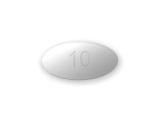
Lipitor (atorvastatin calcium) is a lipid-lowering agent belonging to the statin class of medications, indicated as an adjunct to diet for the reduction of elevated total cholesterol, low-density lipoprotein cholesterol (LDL-C), apolipoprotein B, and triglycerides, and to increase high-density lipoprotein cholesterol (HDL-C) in patients with primary hypercholesterolemia, mixed dyslipidemia, and hypertriglyceridemia. It is also indicated to reduce the risk of myocardial infarction, stroke, revascularization procedures, and angina in adults with multiple risk factors for coronary heart disease or with clinically evident coronary heart disease. Atorvastatin works by competitively inhibiting 3-hydroxy-3-methylglutaryl-coenzyme A (HMG-CoA) reductase, the rate-limiting enzyme in hepatic cholesterol biosynthesis. This inhibition reduces intracellular cholesterol concentrations, leading to upregulation of hepatic LDL receptors and increased clearance of LDL-C from the circulation.
Usual adult dose: The recommended starting dose is 10 mg or 20 mg once daily. Patients requiring a more significant reduction in LDL-C may be started at 40 mg once daily. The dose may be adjusted at intervals of no less than 4 weeks based on individual lipid response and therapeutic goals. The effective dosage range is 10 mg to 80 mg once daily. The maximum recommended dose is 80 mg per day. Lipitor may be taken at any time of day, with or without food. For primary prevention in patients with cardiovascular risk factors, the typical maintenance dose is 10 mg to 40 mg once daily. For secondary prevention in patients with established cardiovascular disease, higher doses such as 40 mg or 80 mg once daily are often employed to achieve more aggressive LDL-C targets. Concomitant lipid-lowering therapy, including bile acid sequestrants, may provide additional benefit when combined with atorvastatin.
Dosage form: Film-coated tablets: 10 mg (white, elliptical, biconvex), 20 mg (white, elliptical, biconvex), 40 mg (white, elliptical, biconvex), and 80 mg (white, elliptical, biconvex). All tablet strengths are imprinted with the dose and "ATV" on one side.
Onset of action: Following oral administration, atorvastatin is rapidly absorbed, with peak plasma concentrations occurring within 1 to 2 hours. Lipid-lowering effects are not immediate; clinically meaningful reductions in LDL-C are generally observed within 2 weeks of initiating therapy, with maximum therapeutic effect on lipid parameters typically achieved by 4 weeks and maintained with continued treatment. The full cardiovascular protective benefits accrue over months to years of sustained LDL-C reduction and pleiotropic effects on vascular inflammation and endothelial function.
Duration of action: The mean elimination half-life of atorvastatin is approximately 14 hours, but the half-life of inhibitory activity against HMG-CoA reductase is much longer, approximately 20 to 30 hours, due to the contribution of active ortho-hydroxy and para-hydroxy metabolites. This prolonged duration of enzyme inhibition supports once-daily dosing with sustained 24-hour suppression of hepatic cholesterol synthesis.
Alcohol recommendation: Excessive alcohol consumption should be avoided during treatment with Lipitor. Moderate alcohol intake does not appear to interact directly with atorvastatin metabolism; however, heavy alcohol consumption is a risk factor for hepatotoxicity and may increase the risk of statin-induced liver enzyme elevations. Patients with a history of substantial alcohol use or liver disease require careful monitoring of liver function before and during therapy. It is recommended that patients limit alcohol intake to no more than moderate levels, defined as up to 1 standard drink per day for women and up to 2 standard drinks per day for men, according to Canadian low-risk drinking guidelines.
Most common side effects: Nasopharyngitis, arthralgia, diarrhea, pain in extremity, urinary tract infection, dyspepsia, nausea, and myalgia. Muscle-related adverse effects, including myalgia and muscle weakness, are among the most clinically significant concerns; they are generally mild and resolve upon dose reduction or discontinuation. In rare cases, statins can cause myopathy, defined as muscle pain or weakness with creatine kinase (CK) elevations greater than 10 times the upper limit of normal, which may progress to rhabdomyolysis, a potentially life-threatening condition. The risk is increased with higher doses, advanced age, renal impairment, hypothyroidism, and concomitant use of interacting medications such as potent CYP3A4 inhibitors. Asymptomatic elevations in serum transaminases occur in a small percentage of patients; liver enzymes should be measured before initiating therapy and periodically thereafter. Atorvastatin has also been associated with a small increased risk of new-onset diabetes mellitus, particularly in patients with pre-existing risk factors for glucose intolerance.
Would you like to learn more about Lipitor (Atorvastatin) for cholesterol management and cardiovascular risk reduction?
Buy Generic Lipitor (Atorvastatin) without prescription in Canada
At our pharmacy, you can buy Lipitor without a prescription, with discreet and anonymous packaging delivered within 5-14 days across Canada.
What is Lipitor?
Lipitor is a statin, a cholesterol-lowering medication. The active ingredient is atorvastatin, one of the most prescribed drugs in the world. It's used to lower LDL cholesterol, reduce triglycerides, and modestly raise HDL cholesterol. More importantly, it reduces the risk of heart attack, stroke, and the need for coronary revascularization in people with established cardiovascular disease or those at high risk of developing it. It's also used for primary prevention in people with diabetes, familial hypercholesterolemia, or multiple risk factors like hypertension and smoking.
Statins work by inhibiting HMG-CoA reductase, the enzyme that controls the rate-limiting step in cholesterol synthesis in the liver. When cholesterol production inside liver cells drops, the cells respond by increasing the number of LDL receptors on their surface. Those receptors pull LDL out of the bloodstream, lowering the circulating LDL level. Less LDL in the blood means less substrate for the formation of atherosclerotic plaque. That's the direct lipid-lowering effect. There's also evidence for pleiotropic effects: anti-inflammatory actions on the vascular endothelium, stabilization of existing plaque so it's less likely to rupture, and improved endothelial function. Those effects may explain some of the clinical benefit beyond what LDL reduction alone would predict.
The onset of LDL reduction is measurable within 2 weeks, with maximal effect at about 4 weeks. Lipid levels are typically checked after 4 to 12 weeks and periodically thereafter. Atorvastatin is a long-acting statin with a half-life of about 14 hours for the parent drug and longer for its active metabolites. This allows once-daily dosing at any time of day, though evening is traditional because the body's cholesterol synthesis peaks at night. With atorvastatin, the timing matters less than with shorter-acting statins like simvastatin.
Lipitor comes in 10 mg, 20 mg, 40 mg, and 80 mg tablets. The starting dose depends on the LDL reduction needed and the patient's baseline level. Most people start at 10 to 20 mg. The maximum is 80 mg daily, reserved for those who need aggressive LDL lowering and tolerate the drug well.
Mechanism and Pharmacology
Atorvastatin is a competitive, reversible inhibitor of 3-hydroxy-3-methylglutaryl-coenzyme A (HMG-CoA) reductase. This enzyme catalyzes the conversion of HMG-CoA to mevalonate, the committed step in cholesterol biosynthesis. By blocking this step, atorvastatin reduces the production of cholesterol in hepatocytes. The drop in intracellular cholesterol triggers the activation of sterol regulatory element-binding proteins (SREBPs), which upregulate the transcription of the LDL receptor gene. More LDL receptors are expressed on the hepatocyte surface. These receptors bind circulating LDL particles, internalize them, and clear them from the bloodstream.
The reduction in LDL is dose-dependent and roughly logarithmic. Doubling the dose lowers LDL by about an additional 6 percent. Atorvastatin 10 mg reduces LDL by roughly 35 to 40 percent. At 20 mg, about 40 to 45 percent. At 40 mg, about 45 to 50 percent. At 80 mg, about 50 to 55 percent. These are averages. Individual response varies. Some people are hyper-responders who get LDL reductions well above 55 percent at high doses. Others are hyporesponders who need a different statin or combination therapy.
Atorvastatin also lowers triglycerides by reducing hepatic VLDL production and increases HDL modestly, typically by 5 to 10 percent. The triglyceride-lowering effect is greater at higher doses and is one reason atorvastatin is preferred over rosuvastatin or simvastatin in patients with mixed dyslipidemia.
The drug is well absorbed after oral administration, with bioavailability around 12 to 14 percent due to extensive first-pass metabolism in the liver. Food slightly reduces the rate of absorption but doesn't affect the LDL-lowering efficacy, so it can be taken with or without food. It's highly protein-bound, more than 98 percent. Atorvastatin is metabolized by CYP3A4 to active ortho- and para-hydroxylated metabolites that account for about 70 percent of the HMG-CoA reductase inhibitory activity. The long half-life of these metabolites contributes to the extended duration of action. Elimination is primarily biliary, with less than 2 percent recovered in urine. Renal impairment doesn't require dose adjustment, which is an advantage over some other statins.
How to Use Lipitor
The usual starting dose for primary prevention is 10 to 20 mg once daily. For secondary prevention, or for patients with very high LDL or established cardiovascular disease, 40 to 80 mg once daily. The dose can be adjusted at intervals of 4 weeks or more based on lipid levels and tolerability.
Take the tablet at the same time each day. Evening dosing was historically recommended because the body's peak cholesterol synthesis occurs at night, and short-acting statins like simvastatin and pravastatin work best when taken before bed. Atorvastatin has a long enough half-life that morning dosing is equally effective. Pick a time that's convenient and stick with it. Consistency drives adherence, and adherence drives outcomes.
The tablet can be taken with or without food. It should be swallowed whole with water. Don't crush or split unless the tablet is scored and your doctor or pharmacist has confirmed it's safe to split. Grapefruit juice should be limited. Grapefruit inhibits CYP3A4 in the intestinal wall and can increase atorvastatin levels by 30 to 80 percent depending on the amount and timing. A small glass occasionally is unlikely to cause harm. A daily glass of grapefruit juice with your morning Lipitor is a different story. The safest approach is to avoid large quantities of grapefruit juice entirely.
If you miss a dose, take it as soon as you remember unless it's nearly time for the next one. In that case, skip the missed dose. Don't double up. One missed dose of a statin doesn't undo weeks of LDL lowering.
Lipitor is not a substitute for dietary changes. It works best alongside a diet low in saturated fat and cholesterol, regular exercise, weight management, and smoking cessation. The drug reduces risk. Lifestyle changes reduce risk through different mechanisms. The two multiply, not add.
Side Effects of Lipitor
Most people tolerate atorvastatin without any noticeable side effects. The side effects that do occur fall into a few categories.
Muscle symptoms are the most discussed and the most controversial. Myalgia, meaning muscle pain or weakness without a rise in creatine kinase (CK) levels, is reported in about 1 to 5 percent of patients in clinical trials. In real-world practice, the reported rate is higher, partly because of the nocebo effect: when people expect muscle pain from statins, they're more likely to notice and attribute normal aches to the drug. The ASCOT-LLA trial found no significant difference in muscle-related adverse events between atorvastatin and placebo when patients were blinded. But when the same patients were unblinded and told they were on a statin, the rate of reported muscle symptoms increased significantly. This doesn't mean statin myalgia isn't real. It means it's a complex phenomenon where pharmacology and expectation interact.
When muscle symptoms do occur, they're usually symmetrical, affecting the large proximal muscles of the thighs, hips, and shoulders. They're not the joint pain of arthritis. They're a deep ache or weakness that feels muscular. If muscle pain is accompanied by dark urine or CK levels more than 10 times the upper limit of normal, that's rhabdomyolysis, a medical emergency. Rhabdomyolysis is extremely rare with atorvastatin monotherapy, occurring in roughly 1 in 10,000 to 1 in 100,000 patient-years. The risk increases with high doses, advanced age, renal impairment, and drug interactions.
Liver enzyme elevations occur in about 1 to 3 percent of patients, usually within the first few months. They're typically mild, less than 3 times the upper limit of normal, and often resolve spontaneously without stopping the drug. Clinically significant hepatotoxicity is rare. Routine monitoring of liver enzymes is done at baseline and periodically thereafter, though guidelines have moved away from frequent routine checks because the yield is low. An ALT elevation above 3 times normal in a symptomatic patient calls for further evaluation.
New-onset diabetes is a class effect of statins. Intensive statin therapy, including high-dose atorvastatin, increases the risk of developing type 2 diabetes by about 10 to 12 percent over several years, mostly in people who already have prediabetes or metabolic syndrome. The absolute risk increase is small. The cardiovascular benefit of statin therapy in high-risk individuals outweighs the diabetes risk by a wide margin. The JUPITER trial, which studied rosuvastatin but is illustrative, found that treating 100 people for 5 years prevented 9 cardiovascular events while causing 2 additional cases of diabetes. Those are favourable odds. But the risk means that blood glucose should be monitored in people on long-term high-dose therapy.
Cognitive effects, memory loss, confusion, and "brain fog," have been reported anecdotally and in post-marketing surveillance. The FDA added a warning about reversible cognitive effects in 2012. Large randomized trials have not shown a consistent signal, and a systematic review in 2021 found no convincing evidence that statins impair cognition. When cognitive symptoms do occur, they're typically mild and resolve with dose reduction or discontinuation.
High-Risk Groups (Elderly, Pregnancy)
Pregnancy is a contraindication. Cholesterol is essential for fetal development. It's a building block for cell membranes, steroid hormones, and the developing nervous system. Statins block cholesterol synthesis and could theoretically cause fetal harm. Atorvastatin is pregnancy category X, meaning it should not be used in pregnancy. Women of childbearing age should use effective contraception while on atorvastatin. If pregnancy is planned, the drug should be stopped 1 to 3 months before conception. If pregnancy occurs while taking atorvastatin, the drug should be stopped immediately. The absolute risk of fetal harm from first-trimester exposure is not well quantified because the data are limited, but the precaution is firm.
Breastfeeding is also contraindicated. Atorvastatin is excreted into rat milk, and human data are lacking. Because cholesterol and its metabolites are needed by the developing infant, and because the drug could interfere with that, it should not be used during breastfeeding.
Elderly patients benefit from statins at least as much as younger adults, and they're at higher absolute risk of cardiovascular events, so the benefit is often larger. Age alone is not a reason to avoid atorvastatin. The starting dose in the elderly is 10 mg, with titration based on response and tolerance. Frailty, polypharmacy, and limited life expectancy change the calculus. For an 85-year-old with multiple comorbidities and a life expectancy of less than 2 years, the benefit of starting a statin for primary prevention is questionable. For an active 75-year-old with established coronary disease, atorvastatin is standard of care. The decision should be individualized.
Renal impairment. No dose adjustment is needed for any degree of renal impairment. Atorvastatin is metabolized by the liver and excreted in bile, with minimal renal clearance. This makes it one of the preferred statins in patients with chronic kidney disease, along with atorvastatin and fluvastatin.
Hepatic impairment. Active liver disease or unexplained persistent ALT elevations are contraindications. In patients with a history of liver disease that has been fully investigated and whose ALT is stable, statins can be used cautiously with monitoring. Decompensated cirrhosis is a contraindication. The liver is where atorvastatin is metabolized and where it exerts its therapeutic effect. If the liver isn't functioning, the drug can't work, and the risk of toxicity increases.
Interaction With Activities (Driving, Alcohol)
Atorvastatin doesn't cause sedation, dizziness, or cognitive impairment that would affect driving. There's no restriction on driving or operating machinery based on the drug's pharmacology. If you experience significant muscle pain that makes it hard to move comfortably, use common sense. The muscle pain itself might impair your ability to drive, but that's the side effect, not a direct drug effect on the brain.
Alcohol is the more relevant concern. Moderate alcohol consumption, up to one drink per day for women and two for men, is generally safe for people taking atorvastatin. Heavy alcohol use is problematic for two reasons. First, it damages the liver, and atorvastatin is metabolized in the liver. A patient with alcoholic liver disease should not be on a statin. Second, alcohol is a source of empty calories that contributes to hypertriglyceridemia, which the statin is trying to treat. Drinking heavily while taking a drug to lower your cardiovascular risk is working against yourself.
Drug Interactions
Atorvastatin is metabolized by CYP3A4, and drugs that inhibit or induce this enzyme alter atorvastatin levels. Muscle toxicity is dose-dependent, so anything that increases exposure increases risk.
Clarithromycin and erythromycin are strong CYP3A4 inhibitors that can increase atorvastatin levels by 2 to 4 times. If a macrolide antibiotic is needed, azithromycin has less CYP3A4 inhibition and is a safer choice. The combination of clarithromycin and atorvastatin, especially at higher statin doses, has been associated with rhabdomyolysis.
Azole antifungals. Ketoconazole, itraconazole, voriconazole, and posaconazole are strong CYP3A4 inhibitors. They can increase atorvastatin exposure significantly. If systemic antifungal therapy is needed, the statin should be temporarily held or switched to one that doesn't rely on CYP3A4 metabolism, like pravastatin or rosuvastatin.
Protease inhibitors used for HIV and hepatitis C, particularly ritonavir and cobicistat, are potent CYP3A4 inhibitors. Atorvastatin levels can increase several-fold. The dose of atorvastatin should not exceed 20 mg when used with these drugs. Pravastatin and rosuvastatin are safer alternatives in this context.
Grapefruit juice inhibits intestinal CYP3A4 and increases atorvastatin levels. The effect is less pronounced than with simvastatin or lovastatin, but it's still clinically relevant. Large quantities of grapefruit juice, more than 1 liter per day, can increase atorvastatin exposure by about 80 percent. A single glass occasionally is unlikely to cause harm. Daily consumption is best avoided.
Fibrates, particularly gemfibrozil, increase the risk of myopathy when combined with statins. Gemfibrozil inhibits the glucuronidation and biliary excretion of statins, leading to higher plasma levels. Fenofibrate has less of an effect on statin metabolism and is the preferred fibrate for combination therapy.
Cyclosporine, used in transplant patients, increases atorvastatin exposure several-fold. The combination is not contraindicated but requires a low statin dose, starting at 10 mg, with careful monitoring.
Rifampin, a potent CYP3A4 inducer, can reduce atorvastatin levels by up to 80 percent. If the two must be used together, the atorvastatin dose needs to be increased substantially, and separating the dosing times by 12 hours may partially mitigate the interaction.
Colchicine, used for gout, is metabolized by CYP3A4, and atorvastatin can increase colchicine levels. The combination has been associated with rhabdomyolysis, particularly in patients with renal impairment. The colchicine dose should be reduced.
Amiodarone is a moderate CYP3A4 inhibitor. Combining it with atorvastatin increases the risk of myopathy. The atorvastatin dose should not exceed 20 mg when used with amiodarone.
Digoxin levels can increase by about 20 percent when atorvastatin is added, possibly due to inhibition of P-glycoprotein-mediated transport. The effect is modest but worth monitoring in patients on stable digoxin therapy.
Alternative Options
Atorvastatin is one of several statins, and the choice among them depends on the degree of LDL reduction needed, drug interactions, and individual tolerance.
Rosuvastatin (Crestor) is the most potent statin available, achieving greater LDL reduction per milligram than atorvastatin. Rosuvastatin 20 mg reduces LDL by about 45 to 50 percent, similar to atorvastatin 40 to 80 mg. It's minimally metabolized by CYP enzymes and has fewer drug interactions. It's excreted partly renally, so dose adjustment is needed in severe renal impairment. It's the best choice for patients on multiple CYP3A4-interacting drugs.
Simvastatin (Zocor) is less potent and has a shorter half-life, requiring evening dosing. It's highly dependent on CYP3A4 metabolism and has more drug interactions than atorvastatin. The 80 mg dose is no longer recommended due to an unacceptable risk of myopathy. Generic simvastatin is inexpensive, but atorvastatin generic is also affordable and safer.
Pravastatin (Pravachol) is not metabolized by CYP enzymes and has the fewest drug interactions of any statin. It's less potent than atorvastatin, but for patients who need a statin and can't take atorvastatin due to drug interactions, pravastatin is the safest choice. It's also the preferred statin in transplant patients on cyclosporine.
Fluvastatin (Lescol) is metabolized by CYP2C9, not CYP3A4, giving it a different interaction profile. It's less potent than atorvastatin and less commonly used, but it's an option when other statins aren't tolerated.
Ezetimibe (Ezetrol) is not a statin. It blocks cholesterol absorption in the intestine. It reduces LDL by about 15 to 20 percent as monotherapy and adds another 15 to 25 percent when combined with a statin. The combination of atorvastatin plus ezetimibe provides more LDL reduction than doubling the statin dose, without the increased muscle risk. This combination is standard practice when a patient needs more LDL lowering than a moderate statin dose can provide.
PCSK9 inhibitors (evolocumab, alirocumab) are injectable biologics that lower LDL by 50 to 60 percent on top of maximally tolerated statin therapy. They're reserved for patients with familial hypercholesterolemia, established cardiovascular disease with persistently high LDL despite statins and ezetimibe, or statin intolerance. They're expensive and require prior authorization, but they're remarkably effective.
Bempedoic acid is an oral non-statin that inhibits cholesterol synthesis upstream of HMG-CoA reductase. It doesn't cause muscle side effects because it's not activated in muscle tissue. It's an option for statin-intolerant patients, though it only lowers LDL by about 15 to 20 percent.
INN, Brand Names, and Classification in Canada
INN (International Nonproprietary Name): Atorvastatin calcium
Available brand names in Canada: Lipitor, and generic atorvastatin
ATC code: C10AA05
Forms and strengths: Tablets 10 mg, 20 mg, 40 mg, 80 mg
Manufacturers: Pfizer Canada Inc. (Lipitor), Apotex Inc., Teva Canada Limited, Sandoz Canada Inc., and diverse generic manufacturers
Registration status in Canada: Registered
Classification: Prescription (Rx)
Making the Most of Atorvastatin
Atorvastatin is effective, affordable, and backed by decades of outcome data. The generic version costs pennies per day in Canada. The benefits are proportional to baseline risk. For someone with established coronary disease, atorvastatin reduces the risk of another heart attack by about 20 to 30 percent over 5 years. For someone with elevated LDL but no other risk factors, the absolute benefit is smaller but still real.
Adherence is the biggest problem with statins. About half of patients stop within a year. Muscle symptoms, whether pharmacologically real or nocebo, are the main reason. When muscle symptoms occur, the approach is systematic: rule out other causes (vitamin D deficiency, hypothyroidism, physical overexertion), take a brief statin holiday to see if symptoms resolve, then rechallenge with a lower dose of the same statin or a different one. Most people who can't tolerate one statin can tolerate another, especially at a lower dose. The goal is to find a regimen the patient can live with. A 20 mg dose taken consistently is better than an 80 mg prescription that sits on the nightstand.
Lipid levels should be checked 4 to 12 weeks after starting or changing the dose, and every 6 to 12 months once stable. Liver enzymes and CK are checked at baseline and repeated only if symptoms develop or the dose is increased significantly. HbA1c or fasting glucose should be monitored periodically in patients on long-term high-dose therapy, particularly those with prediabetes or metabolic syndrome.
Lipitor is legally classified as prescription-only in Canada. However, through our pharmacy, you can purchase Lipitor without a prescription and receive it in discreet packaging anywhere across the country.
Frequently Asked Questions
When should I take Lipitor?
Any time of day, as long as it's consistent. Evening was the traditional recommendation because cholesterol synthesis peaks at night, but atorvastatin's long half-life makes timing less important than with simvastatin or pravastatin. Pick a time that fits your routine. Morning, evening, it doesn't matter for LDL lowering.
Will Lipitor cause muscle pain?
It can. About 1 to 5 percent of people in trials report muscle aches. In practice, the number is higher because some of those aches are coincidental and attributed to the drug. If you develop persistent muscle pain after starting atorvastatin, tell your doctor. Don't just stop. There are strategies: lower the dose, switch to a different statin, or add ezetimibe so you can keep the statin dose low.
Can I drink grapefruit juice?
A small glass occasionally is probably fine. Large quantities or daily consumption increase atorvastatin levels and the risk of side effects. The safest approach is to limit grapefruit juice to small amounts or avoid it entirely. If grapefruit is part of your breakfast routine, talk to your pharmacist.
Is Lipitor safe in pregnancy?
No. Statins are contraindicated during pregnancy. If you're planning pregnancy, stop atorvastatin 1 to 3 months before conception. If you become pregnant while taking it, stop immediately and talk to your doctor.
How long do I need to take Lipitor?
For most people, indefinitely. Atherosclerosis is a chronic, progressive disease. The benefit of statin therapy accrues over years and persists only as long as the drug is taken. Stopping a statin returns LDL to its pre-treatment level within a few weeks and increases cardiovascular risk back to baseline.
Can I take Lipitor with other cholesterol medications?
Yes. Atorvastatin is commonly combined with ezetimibe for additive LDL reduction. It can also be combined with fenofibrate for mixed dyslipidemia, though the combination increases muscle risk and requires monitoring. PCSK9 inhibitors and bempedoic acid are also used with atorvastatin for patients who need additional LDL lowering.
Delivery Information Across Canada
We ship Lipitor and generic atorvastatin to all provinces and territories. Delivery times vary depending on how remote your location is:
- Ontario (Toronto, Ottawa, Mississauga): 5 to 7 days
- Quebec (Montreal, Quebec City, Laval): 5 to 7 days
- British Columbia (Vancouver, Victoria, Burnaby): 5 to 9 days
- Alberta (Calgary, Edmonton, Red Deer): 5 to 9 days
- Manitoba (Winnipeg, Brandon): 5 to 9 days
- Saskatchewan (Saskatoon, Regina): 5 to 9 days
- Nova Scotia (Halifax, Sydney): 5 to 9 days
- New Brunswick (Moncton, Fredericton): 5 to 9 days
- Newfoundland and Labrador (St. John's, Corner Brook): 7 to 14 days
- Prince Edward Island (Charlottetown): 7 to 14 days
- Yukon, Northwest Territories, Nunavut: 7 to 14 days
All shipments are packed discreetly with no branding or indication of contents on the outside.


| Shipping method | Delivery time | Price | |
 Delivery Delivery |
14-21 days | 14.95$ | Tracking# available in 4 days |
 Delivery Delivery |
9-14 days | 30$ | Tracking# available in 2 days |
- Shipping worldwide
- Confidentiality and anonymity guarantee
- Safe and secure
- Discrete looking packages
- Dispatch orders within 24 hours
- 100% success delivery


