


 Secure and Reliable
  High quality
  Worldwide shipping
  Bonuses and Discounts
  Money back Guarantee
 - Bestsellers
- Alcoholism
- COVID-19
- Allergy
- Anti Fungal
- Alzheimers
- Anti Viral
- Anti-Depressants
- Anti-Inflammatory
- Antibacterial
- Antiparasitic
- Antibiotics
- Arthritis
- Asthma
- Birth Control
- Blood Pressure
- Cancer
- Cardiovascular
- Cholesterol
- Diabetes
- Diuretics
- Erectile Dysfunction
- Eye Drop
- Gastro Health
- General Health
- Hair Loss
- Hepatitis C Virus (HCV)
- HIV
- Hormones
- Men's ED Packs
- Men's Health
- Mental Illness
- Motion Sickness
- Muscle Relaxant
- Pain Relief
- Parkinson’s Disease
- Veterinary Medicines
- Quit Smoking
- Vitamins
- Skin Care
- Sleeping Aids
- Weight Loss
- Women's Health
Generic Lozol ( Indapamide )
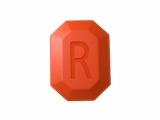

Buy Generic Lozol (Indapamide) without prescription in Canada
In our Canadian pharmacy, you can buy Lozol (Indapamide) without a prescription, with delivery across Canada within 5‑14 days. Discreet and anonymous packaging.
Lozol (indapamide) is a thiazide‑like diuretic that helps control high blood pressure (hypertension) and reduces excess fluid (oedema) caused by congestive heart failure. It works by inhibiting sodium reabsorption in the distal convoluted tubule of the kidney, which increases urine flow and decreases peripheral vascular resistance. This dual action effectively lowers blood pressure and relieves swelling.
Usual adult dose: The starting dose for hypertension is 1.25 mg once daily, taken in the morning. If blood pressure is not adequately controlled after four weeks, the dose may be increased to 2.5 mg once daily. For oedema of congestive heart failure, the starting dose is 2.5 mg once daily; if the response is insufficient after one week, the dose may be increased to 5 mg once daily. An extended‑release formulation (1.5 mg) is also available for once‑daily administration.
Dosage form: Immediate‑release tablets (1.25 mg, 2.5 mg) and extended‑release tablets (1.5 mg).
Onset of action: The diuretic effect begins within a few hours. A noticeable reduction in blood pressure usually occurs within 1‑2 weeks, with the full antihypertensive effect achieved after 3‑4 months of continuous therapy.
Duration of action: Approximately 24 hours after a single dose.
Alcohol recommendation: Alcohol consumption should be limited during treatment because it can enhance the blood‑pressure‑lowering effect of indapamide and cause dizziness or light‑headedness.
Most common side effects: Hypokalaemia (low potassium), headache, dizziness, fatigue, muscle cramps, and skin rash.
Would you like to try Lozol (Indapamide) without a prescription?
General Information about Lozol (Indapamide)
- INN (International Nonproprietary Name): Indapamide
- Brand names available in Canada: Lozide® (Servier Canada), Apo‑Indapamide (Apotex Inc.), Mylan‑Indapamide (Mylan Pharmaceuticals ULC), PMS‑Indapamide (Pharmascience Inc.), Teva‑Indapamide (Teva Canada Limited; status cancelled), Novo‑Indapamide (Novopharm Limited). Combination products with perindopril are also marketed as Sandoz Perindopril Erbumine/Indapamide, Teva‑Perindopril/Indapamide, and Jamp Perindopril/Indapamide.
- ATC code: C03BA11 (indapamide); combination ATC: C09BX01 (perindopril and indapamide)
- Dosage forms and strengths: Immediate‑release tablets: 1.25 mg, 2.5 mg. Extended‑release (sustained‑release) tablet: 1.5 mg.
- Manufacturers in Canada: Apotex Inc., Mylan Pharmaceuticals ULC, Pharmascience Inc., Teva Canada Limited, Servier Canada Inc., Sandoz Canada Inc., Novopharm Limited.
- Registration status in Canada: Approved by Health Canada.
- OTC / Rx classification: Prescription only (Rx). Listed as Schedule I drug in Canada; requires a valid prescription from a licensed Canadian prescriber.
Mechanism of Action and Pharmacology
Indapamide is a non‑thiazide sulfonamide diuretic with an indole ring. Its primary renal action is inhibition of the sodium‑chloride symporter in the cortical diluting segment of the distal convoluted tubule, reducing sodium and chloride reabsorption and thereby promoting diuresis. At low doses, the drug also exerts a direct vasodilatory effect by decreasing calcium influx in vascular smooth muscle, which contributes to a reduction in total peripheral resistance. The antihypertensive effect appears at doses lower than those required for significant diuresis, indicating that vasodilatation plays a key role in blood‑pressure lowering. Indapamide is highly lipid‑soluble, leading to extensive uptake by erythrocytes; the whole‑blood/plasma ratio is approximately 6:1 at peak concentration. Plasma protein binding is 71‑79%, primarily to alpha‑1‑acid glycoprotein. The elimination half‑life is about 14 hours.
Indications
- Hypertension: Indapamide is indicated for the treatment of mild to moderate essential hypertension, either as monotherapy or in combination with other antihypertensive agents.
- Oedema of congestive heart failure: Indapamide is indicated for the management of salt and fluid retention associated with congestive heart failure.
- Not indicated for use in children; safety and efficacy in paediatric patients have not been established.
Important Warnings and Precautions
At‑risk groups
- Pregnancy: Indapamide should not be used during pregnancy. If pregnancy occurs, the drug must be discontinued immediately. Thiazide‑like diuretics can reduce placental perfusion and may cause foetal harm.
- Breastfeeding: Indapamide passes into breast milk. It is not recommended during breastfeeding. A decision should be made to either discontinue nursing or discontinue the drug, considering the importance of the medication to the mother.
- Elderly: Elderly patients are more sensitive to the antihypertensive and electrolyte‑altering effects. Lower initial doses may be required, and renal function should be monitored regularly.
- Renal impairment: Indapamide is contraindicated in severe renal failure (creatinine clearance < 30 mL/min). Use with caution in mild to moderate renal impairment, as electrolyte imbalances may occur.
- Hepatic impairment: Indapamide is contraindicated in severe hepatic impairment or hepatic encephalopathy. In mild to moderate impairment, careful monitoring of electrolytes is necessary because hypokalaemia can precipitate encephalopathy.
- Diabetes mellitus: Indapamide can impair glucose tolerance. Blood glucose should be monitored, and doses of insulin or oral hypoglycaemic agents may need adjustment.
- Gout: Indapamide can increase serum uric acid levels and provoke gout attacks in susceptible individuals.
- Systemic lupus erythematosus: Indapamide may exacerbate or activate SLE.
- Allergy: Contraindicated in patients with known hypersensitivity to indapamide, sulfonamides, or any excipient in the formulation.
Driving and alcohol
Indapamide can cause dizziness, drowsiness, or orthostatic hypotension, especially at the start of therapy or when the dose is increased. Patients should exercise caution when driving or operating machinery. Alcohol intensifies the blood‑pressure‑lowering effects and may increase dizziness; therefore, alcohol consumption should be minimised or avoided.
Dosage Instructions
- Hypertension: Start with 1.25 mg once daily in the morning. If response is inadequate after 4 weeks, increase to 2.5 mg once daily. The extended‑release 1.5 mg tablet may be used as an alternative; it provides a more gradual release and is also taken once daily. Doses above 2.5 mg are rarely more effective and are associated with greater hypokalaemia.
- Oedema of heart failure: Start with 2.5 mg once daily in the morning. May be increased to 5 mg once daily after one week if necessary.
- Special populations: In elderly patients and those with mild renal impairment, the lowest effective dose should be used. Paediatric use has not been established.
- Administration: Take the tablet with a glass of water, with or without food. Morning administration is preferred to avoid nocturia.
- Missed dose: If a dose is missed, take it as soon as remembered unless it is close to the next scheduled dose. Do not double the dose.
Side Effects and Contraindications
- Common side effects: Hypokalaemia, headache, dizziness, fatigue, muscle cramps, nausea, constipation, diarrhoea, and skin rash.
- Less common but serious side effects: Severe hypokalaemia, hyponatraemia, hypochloraemic alkalosis, hypercalcaemia, hyperuricaemia, gout, hyperglycaemia, orthostatic hypotension, arrhythmias, agranulocytosis, aplastic anaemia, thrombocytopenia, pancreatitis, hepatic encephalopathy (in patients with liver disease), Stevens‑Johnson syndrome, toxic epidermal necrolysis, acute angle‑closure glaucoma, and myopia.
- Contraindications: Hypersensitivity to indapamide, sulfonamides, or any component of the formulation. Anuria. Severe renal failure (CrCl < 30 mL/min). Severe hepatic impairment or hepatic encephalopathy. Refractory hypokalaemia or hyponatraemia. Addison’s disease. Pregnancy and breastfeeding.
Drug Interactions
- Major interactions (avoid concomitant use): Lithium (reduced lithium excretion increases risk of toxicity), cisapride, arsenic trioxide, and certain antiarrhythmics (e.g., sotalol, quinidine, dofetilide) due to risk of QT prolongation.
- Moderate interactions (monitor closely): NSAIDs (may reduce antihypertensive effect and increase risk of renal impairment), corticosteroids, amphotericin B, carbenoxolone, and stimulant laxatives (increase risk of hypokalaemia). ACE inhibitors, angiotensin II receptor blockers, and potassium‑sparing diuretics may cause additive hypotension or hyperkalaemia. Antidiabetic agents may require dose adjustment because indapamide can impair glucose tolerance. Cardiac glycosides (digoxin) toxicity is increased by hypokalaemia. Calcium supplements may lead to hypercalcaemia.
- Alcohol/food interactions: Alcohol enhances the hypotensive effect and may cause dizziness. Very strict low‑sodium diets should be avoided because of the risk of hyponatraemia. High‑sodium intake may reduce the antihypertensive efficacy.
- Disease interactions: Diabetes, gout, lupus erythematosus, renal impairment, liver disease, electrolyte imbalance, and hyperuricaemia.
Practical Advice
- Administration: Take once daily in the morning to minimise night‑time urination. Swallow the tablet whole with a glass of water; do not crush or chew extended‑release tablets.
- Monitoring: Regular checks of blood pressure, serum electrolytes (especially potassium, sodium, magnesium), renal function (serum creatinine, BUN), blood glucose, and uric acid are recommended. More frequent monitoring is needed during the first few weeks of therapy, in elderly patients, and in those with renal or hepatic impairment.
- Storage: Store at room temperature (15‑30 °C), protected from moisture and light. Keep out of reach of children.
- Lifestyle: Maintain a balanced diet with adequate potassium intake unless contraindicated. Avoid prolonged sun exposure without protection, as indapamide can cause photosensitivity. Stay well hydrated, especially in hot weather or during exercise.
Alternative Medications
- Other thiazide‑like diuretics: Chlorthalidone (e.g., Thalitone, Hygroton) offers a similar antihypertensive profile with a longer half‑life. Hydrochlorothiazide (e.g., HCTZ, Apotex‑HCTZ) is a widely available thiazide diuretic used for hypertension and oedema, though it may be less potent than indapamide.
- Potassium‑sparing diuretics: Amiloride (e.g., Midamor) and spironolactone (e.g., Aldactone) are alternatives for patients who develop significant hypokalaemia on thiazide‑type diuretics.
- Loop diuretics: Furosemide (e.g., Lasix) or bumetanide are preferred for significant fluid overload, especially when renal function is compromised (eGFR < 30 mL/min).
- Combination products: Fixed‑dose combinations of perindopril/indapamide (e.g., Sandoz Perindopril Erbumine/Indapamide, Teva‑Perindopril/Indapamide) are available for patients requiring dual antihypertensive therapy.
- Other antihypertensive classes: ACE inhibitors (e.g., ramipril), angiotensin II receptor blockers (e.g., candesartan), and calcium channel blockers (e.g., amlodipine) may be used as monotherapy or in combination, depending on the individual patient profile.
Clinical Efficacy
Numerous randomised controlled trials and a decade of clinical experience have established the efficacy of indapamide in essential hypertension. At a dose of 2.5 mg once daily, indapamide effectively reduces arterial blood pressure in approximately two‑thirds of patients with mild to moderate hypertension, with the magnitude of reduction correlating with the severity of the hypertension. The blood‑pressure‑lowering effect is rapid in onset (within 1‑2 weeks), reaches about 65 % of its maximum by one month, and peaks after 3‑4 months of continuous treatment. Long‑term therapy does not lead to tachyphylaxis or rebound hypertension upon discontinuation. In combination with perindopril (as shown in the HYVET and ADVANCE trials), indapamide‑based regimens significantly reduce cardiovascular mortality and stroke risk. Compared with hydrochlorothiazide, indapamide provides at least comparable blood‑pressure reduction with a lower propensity to cause hypokalaemia at equivalent antihypertensive doses. The extended‑release 1.5 mg formulation produces smoother plasma concentrations, similar blood‑pressure control, and fewer metabolic side effects than the immediate‑release 2.5 mg formulation.
Important:
Lozol (Indapamide) is a prescription medication that should be used only under the supervision of a qualified healthcare professional. Never exceed the recommended dose, and do not discontinue therapy without consulting your doctor. Routine laboratory monitoring of electrolytes and renal function is essential. If you experience symptoms such as muscle weakness, irregular heartbeat, severe dizziness, or signs of an allergic reaction (e.g., rash, swelling of the face/tongue/throat, difficulty breathing), seek immediate medical attention. This information is not a substitute for professional medical advice, diagnosis, or treatment.


| Shipping method | Delivery time | Price | |
 Delivery Delivery |
14-21 days | 14.95$ | Tracking# available in 4 days |
 Delivery Delivery |
9-14 days | 30$ | Tracking# available in 2 days |
- Shipping worldwide
- Confidentiality and anonymity guarantee
- Safe and secure
- Discrete looking packages
- Dispatch orders within 24 hours
- 100% success delivery


