


 Secure and Reliable
  High quality
  Worldwide shipping
  Bonuses and Discounts
  Money back Guarantee
 - Bestsellers
- Alcoholism
- COVID-19
- Allergy
- Anti Fungal
- Alzheimers
- Anti Viral
- Anti-Depressants
- Anti-Inflammatory
- Antibacterial
- Antiparasitic
- Antibiotics
- Arthritis
- Asthma
- Birth Control
- Blood Pressure
- Cancer
- Cardiovascular
- Cholesterol
- Diabetes
- Diuretics
- Erectile Dysfunction
- Eye Drop
- Gastro Health
- General Health
- Hair Loss
- Hepatitis C Virus (HCV)
- HIV
- Hormones
- Men's ED Packs
- Men's Health
- Mental Illness
- Motion Sickness
- Muscle Relaxant
- Pain Relief
- Parkinson’s Disease
- Veterinary Medicines
- Quit Smoking
- Vitamins
- Skin Care
- Sleeping Aids
- Weight Loss
- Women's Health
Generic Luvox ( Fluvoxamine )

Luvox (fluvoxamine maleate) is a selective serotonin reuptake inhibitor (SSRI) indicated for the treatment of obsessive-compulsive disorder (OCD) in adults and for the symptomatic management of major depressive disorder (MDD) in some jurisdictions. It exerts its therapeutic effect by potently and selectively inhibiting the presynaptic reuptake pump for serotonin (5-HT), thereby enhancing serotonergic neurotransmission in the central nervous system. Unlike some other SSRIs, fluvoxamine also displays moderate affinity for sigma-1 receptors, which may contribute to its anxiolytic properties. Fluvoxamine has minimal affinity for histaminergic, dopaminergic, noradrenergic, and muscarinic cholinergic receptors, contributing to its distinct side-effect profile.
Usual adult dose: For obsessive-compulsive disorder, the recommended starting dose is 50 mg administered as a single daily dose at bedtime. Based on individual response and tolerability, the dose may be increased in 50 mg increments every 4 to 7 days to a target therapeutic range of 100 mg to 300 mg per day. Total daily doses up to 100 mg may be given as a single dose at bedtime; doses exceeding 100 mg should be divided into two daily doses, with the larger portion given at bedtime if doses are unequal. The maximum recommended daily dose is 300 mg. For major depressive disorder, the recommended starting dose is 50 mg to 100 mg once daily at bedtime, with titration based on clinical response to a maximum of 300 mg daily. Treatment of depressive episodes generally requires continuation for at least 6 months after remission to consolidate the response. Gradual tapering is recommended upon discontinuation to avoid withdrawal symptoms.
Dosage form: Film-coated tablets: 50 mg (yellow, round, biconvex, scored) and 100 mg (beige, oval, biconvex, scored). The scored tablets permit flexibility in dosing and dose titration where required.
Onset of action: Following oral administration, fluvoxamine is well absorbed from the gastrointestinal tract, with peak plasma concentrations achieved within approximately 3 to 8 hours. While serotonin reuptake inhibition begins shortly after the first dose, clinical improvement in obsessive-compulsive symptoms is typically gradual, with some therapeutic response observed within 2 to 4 weeks and maximum benefit often requiring 8 to 12 weeks or longer. In major depressive disorder, onset of antidepressant effect is generally observed within 2 to 4 weeks of achieving a therapeutic dose, with maximal response at 6 to 8 weeks. Early anxiolytic effects may be noted in some patients within the first week of treatment.
Duration of action: The elimination half-life of fluvoxamine is approximately 15 to 20 hours after a single dose, increasing slightly to 17 to 22 hours with repeated dosing. This half-life supports once-daily administration for doses up to 100 mg; higher doses are administered twice daily to maintain steady-state therapeutic concentrations. Steady-state plasma levels are reached within 10 to 14 days of consistent dosing.
Alcohol recommendation: Alcohol consumption should be avoided during treatment with Luvox. Alcohol does not alter the pharmacokinetics of fluvoxamine, and fluvoxamine does not appear to potentiate the psychomotor effects of alcohol in a clinically significant manner. However, the concurrent use of alcohol with any SSRI is generally discouraged due to the potential for additive central nervous system effects, including sedation and impaired judgment. Moreover, alcohol can worsen depression and anxiety symptoms and may interfere with the therapeutic effectiveness of antidepressant treatment. Patients should abstain from alcohol or substantially limit intake.
Most common side effects: Nausea, somnolence, insomnia, asthenia (weakness), headache, dry mouth, dizziness, nervousness, and abnormal ejaculation. Nausea is the most frequently reported adverse effect, occurring in approximately 30% to 40% of patients; it is usually mild to moderate and tends to diminish with continued treatment. Somnolence and insomnia may occur with approximately equal frequency. Sexual dysfunction, including delayed ejaculation, decreased libido, and anorgasmia, is reported in a subset of patients. Fluvoxamine is a potent inhibitor of cytochrome P450 1A2 and a moderate inhibitor of CYP2C19 and CYP3A4, which necessitates careful consideration of potential drug-drug interactions, including with theophylline, caffeine, clozapine, and warfarin. Serotonin syndrome, a potentially life-threatening condition, may occur with concomitant use of other serotonergic agents.
Would you like to learn more about Luvox (Fluvoxamine) for the treatment of obsessive-compulsive disorder?
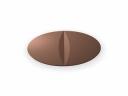
Buy Generic Luvox (Fluvoxamine) without prescription in Canada
At our pharmacy, you can buy Luvox without a prescription, with discreet and anonymous packaging delivered within 5-14 days across Canada.
What is Luvox?
Luvox is an antidepressant belonging to the selective serotonin reuptake inhibitor (SSRI) class. The active ingredient is fluvoxamine. It's approved primarily for obsessive-compulsive disorder (OCD) in both adults and children aged 8 and older. It's also used off-label for major depression, social anxiety disorder, panic disorder, and post-traumatic stress disorder, though in Canada its official indication is narrower than some other SSRIs.
Fluvoxamine increases serotonin levels in the brain by blocking the serotonin transporter, the protein that recycles serotonin back into the presynaptic neuron after it's been released. More serotonin available in the synapse means more activation of postsynaptic receptors. Over weeks, this leads to downregulation of autoreceptors and neuroplastic changes that are thought to underlie the therapeutic effect. The mood and anxiety improvement doesn't come from the acute increase in serotonin. It comes from the brain's adaptation to that increase, which takes time.
The onset of effect for OCD is measured in weeks, not days. Some patients notice a reduction in intrusive thoughts or compulsive urges within 2 to 4 weeks. Full therapeutic response often takes 8 to 12 weeks, and for OCD the effective dose tends to be higher than for depression. Titration is gradual to minimize side effects. Luvox is available as 50 mg and 100 mg tablets, and dosing typically starts at 50 mg at bedtime with a target range of 100 to 300 mg per day.
Mechanism and Pharmacology
Fluvoxamine is a potent and selective inhibitor of the serotonin transporter (SERT). It blocks the reuptake of serotonin from the synaptic cleft back into the presynaptic neuron, increasing the concentration and dwell time of serotonin at postsynaptic receptors. Unlike tricyclic antidepressants, it has negligible affinity for histamine, muscarinic, and alpha-adrenergic receptors. That means no sedation from antihistamine effects, no dry mouth or constipation from anticholinergic effects, and no orthostatic hypotension from alpha blockade. The side effect profile is driven almost entirely by serotonin.
The selectivity for serotonin is what makes it an SSRI, but fluvoxamine has a pharmacological quirk that sets it apart from other drugs in the class. It's a potent inhibitor of CYP1A2 and a moderate inhibitor of CYP2C19 and CYP3A4. This gives it a broader drug interaction profile than fluoxetine, sertraline, citalopram, or escitalopram. Some of those interactions are clinically significant and limit fluvoxamine's use in patients on multiple medications.
Fluvoxamine also acts as an agonist at the sigma-1 receptor, a chaperone protein in the endoplasmic reticulum that modulates calcium signaling and cellular stress responses. The significance of this is still being worked out, but sigma-1 activation has been linked to neuroprotection, enhanced neuroplasticity, and possibly anti-inflammatory effects. This mechanism was the basis for investigating fluvoxamine as a treatment for COVID-19 during the pandemic. The TOGETHER trial and others suggested a reduction in hospitalization risk, though fluvoxamine never became a standard of care for that indication. The sigma-1 mechanism is real, but it's not the reason anyone prescribes fluvoxamine for OCD.
Fluvoxamine is well absorbed orally, with bioavailability around 50 percent due to first-pass metabolism. Food doesn't significantly affect absorption. The half-life is about 15 to 20 hours after a single dose, lengthening slightly with repeated dosing. Steady state is reached in about a week. It's extensively metabolized in the liver by CYP2D6 and CYP1A2 to inactive metabolites excreted in urine. Genetic polymorphisms in CYP2D6 affect blood levels, with poor metabolizers having about 3 times higher exposure. The clinical significance is minor because the therapeutic window is wide, but poor metabolizers may reach effective doses at lower milligram amounts.
How to Use Luvox
The starting dose for OCD is 50 mg once daily at bedtime. After a week or two at 50 mg, the dose can be increased by 50 mg increments every 4 to 7 days based on tolerance and response. The usual maintenance range is 100 to 300 mg per day. Doses above 100 mg per day are usually split into two doses, with the larger portion taken at bedtime. If the total is 150 mg, for example, 100 mg at bedtime and 50 mg in the morning.
Bedtime dosing is recommended initially because fluvoxamine can cause nausea and sedation in the first few weeks. Taking it at night helps people sleep through the worst of the GI effects. Some people find it activating rather than sedating. If you're lying awake at 2 a.m. with your mind racing, switch to morning dosing. The individual response varies enough that timing is adjustable.
Take it with food if nausea is a problem. A small snack, crackers, toast, something to buffer the stomach, often makes the difference between tolerating the drug and quitting it in the first two weeks. If you miss a dose and it's within a few hours of the usual time, take it. If it's close to the next dose, skip it. Don't double up. SSRI withdrawal symptoms from missed doses are less intense with fluvoxamine than with paroxetine or venlafaxine because the half-life is moderate, but consistency still matters.
Do not stop fluvoxamine abruptly. SSRI discontinuation syndrome includes dizziness, nausea, headache, paresthesias (that "brain zap" sensation), irritability, and insomnia. It's not dangerous in the sense of being life-threatening, but it's thoroughly unpleasant and avoidable. Taper gradually over several weeks. For a patient on 200 mg, the taper might go 150 mg for a week, 100 mg for a week, 50 mg for a week, then stop. Some people need slower tapers. Listen to your body.
Side Effects of Luvox
Side effects are most prominent in the first 1 to 2 weeks and tend to diminish as the body adapts. Nausea is the most common and the most likely to cause early discontinuation. It's serotonin-mediated. Serotonin receptors in the gut trigger nausea and changes in bowel habits. Taking the medication with food and starting at a low dose help. The nausea usually fades after the first week or two. If it persists beyond that, it's worth discussing a dose adjustment or a switch to a different SSRI.
Somnolence, feeling unusually tired or sedated, occurs in about 15 to 20 percent of patients. It's most noticeable in the first few weeks. Bedtime dosing takes advantage of this. Some people actually benefit from the sedating effect, especially if anxiety has been keeping them awake.
Insomnia and activation are the opposite problem and affect a smaller percentage. If fluvoxamine feels like it's wired you up, morning dosing is the simple fix. Avoiding caffeine late in the day helps too.
Sexual dysfunction is a class effect of SSRIs. Delayed ejaculation, decreased libido, and anorgasmia occur in roughly 30 to 60 percent of patients, though the numbers vary widely between studies. The effect is dose-dependent and reversible on discontinuation. For some patients, it's tolerable. For others, it's the reason they stop treatment. Strategies include waiting to see if it improves over time, reducing the dose, adding bupropion or buspirone, or switching to a drug with less sexual toxicity like mirtazapine or vortioxetine.
Weight changes are less prominent with fluvoxamine than with paroxetine or mirtazapine. Some patients gain a few kilograms over months. Some lose weight initially due to nausea. Long-term metabolic effects are minimal compared to other antidepressants.
Serotonin syndrome is rare but serious. It occurs when serotonin levels become excessive, usually from combining two serotonergic drugs. Symptoms include agitation, confusion, rapid heart rate, high blood pressure, dilated pupils, muscle rigidity, and hyperthermia. The combination of an SSRI with an MAOI is the classic cause. There must be at least a 14-day washout between stopping an MAOI and starting fluvoxamine, or vice versa.
High-Risk Groups (Elderly, Pregnancy)
Pregnancy. Fluvoxamine is pregnancy category C in the older classification. The data are less extensive than for fluoxetine or sertraline, which are the preferred SSRIs in pregnancy. Untreated OCD during pregnancy carries its own risks: severe anxiety, poor sleep, inadequate nutrition, and in severe cases, functional impairment that affects prenatal care. The risk-benefit calculus is individual. Some women stay on fluvoxamine throughout pregnancy. Others switch to sertraline before conception or in the first trimester. Neonatal adaptation syndrome, sometimes called SSRI withdrawal, can occur in newborns exposed to SSRIs late in pregnancy. Symptoms include jitteriness, poor feeding, respiratory distress, and irritability. They're usually mild and self-limiting, resolving within a few days. The decision to continue or discontinue should be made with both a psychiatrist and an obstetrician.
Breastfeeding. Fluvoxamine is excreted into breast milk in small amounts. The relative infant dose is low, typically less than 1 percent of the maternal weight-adjusted dose. Most experts consider it compatible with breastfeeding, though sertraline and paroxetine have more supporting data for lactation. The infant should be monitored for sedation, poor feeding, and adequate weight gain.
Elderly patients require lower doses and slower titration. Hepatic metabolism declines with age, and fluvoxamine levels can run higher. The starting dose is 25 to 50 mg at bedtime, with increases made more cautiously. The anticholinergic burden is negligible compared to paroxetine, which is important because older adults are sensitive to cognitive and autonomic side effects. Fluvoxamine is actually a reasonable choice in the elderly from a side effect perspective, provided drug interactions are manageable.
Children aged 8 to 17. Fluvoxamine is approved for pediatric OCD. The starting dose is 25 mg at bedtime, increased by 25 mg increments every 4 to 7 days to a target of 50 to 200 mg per day. The maximum in children under 11 is 200 mg. In adolescents, it's 300 mg, same as adults. As with all antidepressants in young people, there's a boxed warning about an increased risk of suicidal ideation during the first few weeks of treatment. The absolute risk is small. The benefit of treating severe OCD, which can be disabling, usually outweighs it. Monitoring during the initiation phase is essential.
Hepatic impairment. Fluvoxamine is extensively metabolized by the liver. In patients with liver disease, clearance is reduced. Start at a lower dose and titrate more slowly. The exact adjustment depends on the severity of impairment, but halving the initial dose is a reasonable starting point.
Interaction With Activities (Driving, Alcohol)
Fluvoxamine can cause sedation, dizziness, and slowed reaction time, particularly in the first few weeks of treatment and after dose increases. Driving during this period requires caution. Some people are not impaired at all. Others feel noticeably fuzzy. The only way to know is to assess how you feel on a stable dose before getting behind the wheel. If you're sleepy or your concentration feels off, don't drive. The effect usually diminishes with tolerance.
Alcohol is best avoided, especially early in treatment. Fluvoxamine doesn't have a dangerous pharmacokinetic interaction with alcohol, but the pharmacodynamic interaction is real. Both drugs affect the central nervous system. Alcohol worsens the sedation and cognitive slowing, and it impairs judgment. More than that, alcohol is a depressant. Drinking heavily while trying to treat OCD or depression undermines the treatment. An occasional single drink on a stable dose may be fine for some people. If you're drinking regularly enough that you have to think about it, it's probably interfering with your recovery.
Drug Interactions
Fluvoxamine has the most extensive CYP450 inhibition profile of any SSRI. This is its main clinical liability and the reason it's not first-line for uncomplicated depression.
CYP1A2 is strongly inhibited. Substrates of this enzyme that can accumulate to dangerous levels include theophylline, tizanidine, and clozapine. The tizanidine interaction is particularly important. Fluvoxamine can increase tizanidine levels 30-fold, causing severe hypotension and sedation. The combination is contraindicated. Caffeine is also metabolized by CYP1A2, and some people on fluvoxamine find they're suddenly much more sensitive to coffee. A cup that normally does nothing now causes jitteriness and palpitations. That's a real interaction, not imagination.
CYP2C19 is moderately inhibited. Substrates include omeprazole, diazepam, phenytoin, and some tricyclic antidepressants. The diazepam interaction is clinically relevant. Fluvoxamine impairs diazepam clearance, increasing its half-life and potentiating sedation.
CYP3A4 is moderately inhibited. Substrates include alprazolam, midazolam, simvastatin, atorvastatin, and many others. The alprazolam interaction is common. A dose of alprazolam that was previously fine can cause excessive sedation when fluvoxamine is added.
Serotonergic drugs must be combined cautiously. MAOIs are absolutely contraindicated. Linezolid, an antibiotic with MAO activity, can trigger serotonin syndrome when combined with fluvoxamine. Tramadol, fentanyl, and other opioids with serotonergic activity increase the risk. St. John's Wort, an over-the-counter herbal antidepressant, adds to the serotonergic load. The combination can cause serotonin syndrome.
Antiplatelet drugs and anticoagulants. SSRIs impair platelet aggregation by depleting platelet serotonin, which is needed for clot formation. Fluoxetine and paroxetine have the strongest effect, but fluvoxamine also increases bleeding risk. Combining it with aspirin, clopidogrel, warfarin, or DOACs increases the risk of GI bleeding. The absolute risk is small for most people. For someone with a history of GI bleeding or on multiple antithrombotics, it matters more.
Alternative Options
Fluvoxamine is one of six SSRIs available in Canada, plus a range of alternatives from other classes for OCD and depression.
Fluoxetine (Prozac) has the longest half-life of any SSRI, which means fewer withdrawal symptoms on discontinuation and more forgiveness of missed doses. It's approved for depression, OCD, and bulimia. It's more activating than fluvoxamine and has a higher risk of initial agitation.
Sertraline (Zoloft) is the most prescribed SSRI in North America. It's approved for a long list of indications including depression, OCD, panic disorder, PTSD, and social anxiety. It has a moderate drug interaction profile and is preferred in pregnancy. It's less sedating than fluvoxamine for most people.
Paroxetine (Paxil) is highly effective for anxiety but has the worst withdrawal syndrome of the SSRIs and significant anticholinergic effects. It's not first-line for most patients but works well for some.
Citalopram (Celexa) and escitalopram (Cipralex) are the cleanest SSRIs in terms of drug interactions. Escitalopram is the active enantiomer of citalopram. Both are well tolerated. Neither is specifically approved for OCD in Canada, but both are used off-label.
Clomipramine (Anafranil) is a tricyclic antidepressant that's one of the most effective drugs for OCD. It's more potent than SSRIs in head-to-head comparisons, but the side effect burden is heavier: dry mouth, constipation, sedation, weight gain, and cardiac conduction effects. It's usually reserved for OCD that doesn't respond to SSRIs.
Antipsychotic augmentation with risperidone, aripiprazole, or olanzapine is used for treatment-resistant OCD. Adding a low-dose antipsychotic to an SSRI can boost the anti-obsessional effect. This is a specialist-level intervention after SSRI monotherapy has been optimized.
Cognitive-behavioural therapy (CBT), specifically exposure and response prevention (ERP), is as effective as medication for OCD and has no pharmacological side effects. The combination of medication and CBT is more effective than either alone for many patients. If you're taking fluvoxamine for OCD and not also doing therapy, you're leaving benefit on the table.
INN, Brand Names, and Classification in Canada
INN (International Nonproprietary Name): Fluvoxamine maleate
Available brand names in Canada: Luvox, and generic fluvoxamine
ATC code: N06AB08
Forms and strengths: Tablets 50 mg and 100 mg
Manufacturers: Bausch Health (Luvox), Teva Canada Limited, Apotex Inc., Sandoz Canada Inc., and diverse generic manufacturers
Registration status in Canada: Registered
Classification: Prescription (Rx)
Choosing Fluvoxamine and Making It Work
Fluvoxamine occupies a specific niche. For OCD, it's one of the first-line SSRIs, supported by multiple trials showing efficacy in reducing obsessions and compulsions. The doses needed for OCD are often higher than for depression, and fluvoxamine's tolerability at higher doses is reasonable. The sedation that's a side effect in depression can be a benefit for OCD patients whose anxiety keeps them up at night.
Where fluvoxamine falls short is drug interactions. If you're a young, healthy person taking no other medications, this doesn't matter. If you're on a statin, a benzodiazepine, an antihypertensive, and a blood thinner, fluvoxamine's CYP inhibition becomes a daily management problem. In those cases, sertraline or escitalopram are cleaner choices.
Generic fluvoxamine is inexpensive in Canada. The 50 mg and 100 mg tablets allow flexible dosing from 50 mg to 300 mg per day. Bedtime dosing with food minimizes the nausea. Patience during the first 2 to 4 weeks is critical. The side effects come first. The therapeutic effect comes later. Too many people stop during the hard part before the drug has had a chance to work.
Luvox is legally classified as prescription-only in Canada. However, through our pharmacy, you can purchase Luvox without a prescription and receive it in discreet packaging anywhere across the country.
Frequently Asked Questions
How long does Luvox take to work for OCD?
Some reduction in obsessive thoughts may be noticeable at 2 to 4 weeks, but the full effect takes 8 to 12 weeks. OCD is slow to respond, and doses often need to be pushed higher than for depression. Don't give up at 50 mg after 3 weeks. Titrate up, give it time.
Why does Luvox cause nausea?
Serotonin receptors in the gut trigger nausea when stimulated. This is a class effect of SSRIs. Taking the medication with food and starting at a low dose reduce it. The nausea usually fades after 1 to 2 weeks as the gut adapts.
Can I drink coffee on Luvox?
Yes, but you may need less. Fluvoxamine inhibits CYP1A2, which metabolizes caffeine. Some people find their usual coffee intake makes them jittery or anxious after starting fluvoxamine. Reduce your caffeine intake and see if that helps before blaming the medication.
Is Luvox safe during pregnancy?
Sertraline and fluoxetine have more pregnancy data and are usually preferred. Fluvoxamine is not contraindicated, but the decision should be made with a psychiatrist and obstetrician. Untreated severe OCD during pregnancy is not risk-free either.
Can I stop Luvox cold turkey?
Not recommended. SSRI discontinuation syndrome causes dizziness, nausea, "brain zaps," and mood swings. Taper gradually over several weeks. Fluvoxamine's withdrawal is less severe than paroxetine or venlafaxine, but it's still unpleasant.
Does Luvox cause weight gain?
Less than paroxetine or mirtazapine. Some patients gain a few kilograms over months. Some lose weight initially due to nausea. Significant metabolic effects are uncommon.
Delivery Information Across Canada
We ship Luvox and generic fluvoxamine to all provinces and territories. Delivery times vary depending on how remote your location is:
- Ontario (Toronto, Ottawa, Mississauga): 5 to 7 days
- Quebec (Montreal, Quebec City, Laval): 5 to 7 days
- British Columbia (Vancouver, Victoria, Burnaby): 5 to 9 days
- Alberta (Calgary, Edmonton, Red Deer): 5 to 9 days
- Manitoba (Winnipeg, Brandon): 5 to 9 days
- Saskatchewan (Saskatoon, Regina): 5 to 9 days
- Nova Scotia (Halifax, Sydney): 5 to 9 days
- New Brunswick (Moncton, Fredericton): 5 to 9 days
- Newfoundland and Labrador (St. John's, Corner Brook): 7 to 14 days
- Prince Edward Island (Charlottetown): 7 to 14 days
- Yukon, Northwest Territories, Nunavut: 7 to 14 days
All shipments are packed discreetly with no branding or indication of contents on the outside.


| Shipping method | Delivery time | Price | |
 Delivery Delivery |
14-21 days | 14.95$ | Tracking# available in 4 days |
 Delivery Delivery |
9-14 days | 30$ | Tracking# available in 2 days |
- Shipping worldwide
- Confidentiality and anonymity guarantee
- Safe and secure
- Discrete looking packages
- Dispatch orders within 24 hours
- 100% success delivery


