


 Secure and Reliable
  High quality
  Worldwide shipping
  Bonuses and Discounts
  Money back Guarantee
 - Bestsellers
- Alcoholism
- COVID-19
- Allergy
- Anti Fungal
- Alzheimers
- Anti Viral
- Anti-Depressants
- Anti-Inflammatory
- Antibacterial
- Antiparasitic
- Antibiotics
- Arthritis
- Asthma
- Birth Control
- Blood Pressure
- Cancer
- Cardiovascular
- Cholesterol
- Diabetes
- Diuretics
- Erectile Dysfunction
- Eye Drop
- Gastro Health
- General Health
- Hair Loss
- Hepatitis C Virus (HCV)
- HIV
- Hormones
- Men's ED Packs
- Men's Health
- Mental Illness
- Motion Sickness
- Muscle Relaxant
- Pain Relief
- Parkinson’s Disease
- Veterinary Medicines
- Quit Smoking
- Vitamins
- Skin Care
- Sleeping Aids
- Weight Loss
- Women's Health
Generic Miconazole
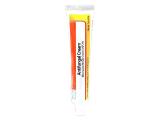
Miconazole cream 2% is a topical azole antifungal indicated for the treatment of superficial fungal skin infections, including tinea pedis (athlete's foot), tinea cruris (jock itch), tinea corporis (ringworm), and cutaneous candidiasis. It works by inhibiting the synthesis of ergosterol, a critical component of the fungal cell membrane, leading to increased permeability and leakage of essential intracellular components. This results in the death of susceptible fungi, including dermatophytes and Candida species. Miconazole also exhibits some antibacterial activity against gram-positive bacteria. It is available over the counter for self-medication.
Usual adult dose: Apply a thin layer of Miconazole cream 2% to the affected and immediately surrounding skin areas twice daily, in the morning and evening. The cream should be gently massaged into the skin until fully absorbed. For tinea pedis (athlete's foot), treatment should continue for 4 weeks to reduce the risk of recurrence. For tinea cruris (jock itch) and tinea corporis (ringworm), a treatment duration of 2 weeks is typically sufficient. For cutaneous candidiasis, 2 weeks of treatment is recommended. The affected area should be cleaned and thoroughly dried before each application. Hands should be washed before and after applying, unless the hands are the area being treated. If no clinical improvement is seen after the recommended treatment period, a healthcare professional should be consulted.
Dosage form: Topical cream: 2% concentration (each gram contains 20 mg of miconazole nitrate). Available in tubes of 15 g and 30 g, and in some cases as a 30 g pump spray or powder spray.
Onset of action: Symptomatic relief, such as reduction in itching, scaling, and redness, may begin within the first few days of treatment. Clinical and mycological cure requires completion of the full course of therapy to prevent recurrence.
Duration of action: Applied twice daily to maintain local antifungal concentrations. Miconazole is minimally absorbed through intact skin, and the duration of effect is based on maintaining sufficient levels at the site of infection with regular application.
Alcohol recommendation: There is no known direct drug interaction between topical miconazole and alcohol consumption. However, alcohol may dehydrate the body and skin, potentially exacerbating itching or irritation associated with fungal infections. Patients should be aware that excessive alcohol intake might interfere with the body's natural healing processes.
Most common side effects: Local skin reactions including mild burning, stinging, irritation, redness, or itching at the application site. These reactions are generally mild and transient. Allergic contact dermatitis is uncommon. Maceration of the skin can occur if occlusive dressings are used or if the area is not kept dry. If severe irritation or sensitization develops, treatment should be discontinued and appropriate alternative therapy instituted. The cream is for external use only and should be kept away from the eyes and mucous membranes. It should not be used on nail or scalp infections, as these require systemic therapy. For vaginal yeast infections, a separate miconazole product specifically formulated for intravaginal use is indicated; this 2% topical cream is not designed for internal use.
Would you like to try Miconazole cream 2% without a prescription?
Buy Generic Miconazole () without prescription in Canada
At our pharmacy, you can buy Miconazole cream without a prescription, with discreet and anonymous packaging delivered within 5-14 days across Canada.
What is Miconazole Cream?
Miconazole is an antifungal medication used to treat skin infections caused by dermatophytes, yeasts, and other fungi. The 2% cream is the standard strength available over the counter for conditions like athlete's foot, jock itch, ringworm, and cutaneous candidiasis. It's also the active ingredient in many over-the-counter vaginal yeast infection treatments, though those products often come with applicators for internal use. The topical cream works on the surface of the skin, where the fungus lives in the outer layers of the epidermis. It doesn't need to penetrate deeply to be effective because most superficial fungal infections are confined to the stratum corneum.
Miconazole belongs to the azole class of antifungals. It kills fungi by blocking the synthesis of ergosterol, a critical component of the fungal cell membrane. Without ergosterol, the membrane becomes leaky, the cell loses essential ions and nutrients, and the fungus dies. It also has some activity against gram-positive bacteria, which is a bonus when fungal infections are complicated by secondary bacterial colonization.
The onset of symptom relief varies. For athlete's foot, itching and scaling may start to improve within a few days. For ringworm or jock itch, it can take a week or longer to see visible improvement. Complete clearance often requires 2 to 4 weeks of consistent application, and it's common for the infection to look better before it's fully gone. Stopping too early is a major reason for recurrence. Miconazole 2% cream is available in tubes of 15 g, 30 g, and sometimes larger sizes. The 30 g tube is the most practical for treating larger areas like the groin or for multiple family members.
Mechanism and Pharmacology
Miconazole is a synthetic imidazole derivative. Its antifungal activity comes from inhibiting 14-alpha-demethylase, a cytochrome P450 enzyme that converts lanosterol to ergosterol. Ergosterol is the fungal equivalent of cholesterol. It maintains membrane fluidity, permeability, and the function of membrane-bound enzymes. When ergosterol synthesis is blocked, lanosterol and other methylated sterols accumulate, and the membrane structure is disrupted. The cell becomes permeable to small molecules, leakage occurs, and growth is inhibited. At higher concentrations, miconazole is fungicidal, directly killing the fungal cells rather than just stopping their growth.
Miconazole also inhibits the biosynthesis of triglycerides and phospholipids and interferes with oxidative and peroxidative enzyme activity inside the fungal cell. These secondary effects contribute to cell death. The action against gram-positive bacteria is due to a similar membrane-disrupting effect, though miconazole is not primarily used as an antibacterial.
When applied topically, miconazole is minimally absorbed through intact skin. Systemic absorption is negligible, usually less than 1 percent of the applied dose. The drug stays in the epidermis and dermis where the infection is. It's metabolized in the skin and, for the tiny amount that reaches the bloodstream, in the liver. The half-life in skin is not clinically relevant because it's applied twice daily. There are no measurable blood levels after topical use, which is why systemic side effects don't occur.
How to Use Miconazole Cream
Wash and dry the affected area thoroughly before applying the cream. Fungus thrives in moisture, so starting with clean, dry skin is essential. Apply a thin layer of the cream to the affected area and the surrounding skin, usually about 1 to 2 cm beyond the visible rash. Rub it in gently. Don't leave a thick white layer. A thin film is enough. Apply twice daily, morning and evening, or as directed on the product label.
For athlete's foot, pay attention to the spaces between the toes. Dry them carefully after washing. Wearing clean, breathable socks and changing shoes regularly helps prevent reinfection. For jock itch, wear loose-fitting cotton underwear and avoid tight clothing that traps moisture. For ringworm anywhere on the body, the cream should be applied for the full recommended duration, usually 2 to 4 weeks, even if the rash looks better after a week. Stopping early leaves viable fungus in the skin, and the infection returns.
If you're using miconazole for a vaginal yeast infection, use the specific vaginal product with an applicator, not the general skin cream. Vaginal formulations are designed for internal use and come with instructions for insertion. The skin cream can be applied externally for vulvar itching, but it shouldn't be used internally unless it's labeled for that purpose.
If you miss a dose, apply it as soon as you remember and continue with the usual schedule. Don't apply extra to compensate. Consistency matters more than an occasional missed application.
Continue treatment for the full recommended course. For athlete's foot, that's usually 2 to 4 weeks. For ringworm, 2 to 4 weeks. For jock itch, 2 weeks. If there's no improvement after 2 weeks, or if the infection worsens, see a doctor. You may need a different antifungal or a prescription-strength treatment.
Side Effects of Miconazole Cream
Side effects are local and generally mild. Burning, stinging, itching, or redness at the application site can occur, especially during the first few days of treatment. This is usually a reaction to the cream base or to the drug itself on already-irritated skin. It's often hard to tell whether the discomfort is from the infection or the treatment. If it's mild, continue using the cream. The irritation often subsides as the infection clears. If it's severe or getting worse, stop and consult a doctor.
Allergic contact dermatitis is rare but possible. Symptoms include intense itching, swelling, blistering, or a spreading rash that looks different from the original infection. If you suspect an allergy, stop the cream and see a doctor.
Systemic side effects don't occur with topical use because absorption is negligible. You won't get the liver toxicity, hormone disruption, or drug interactions that can happen with oral azole antifungals like fluconazole or ketoconazole. This is a local treatment with a local effect.
If the cream is applied to broken skin, absorption may be slightly higher, but still far below any threshold for systemic effects. Avoid applying it to large areas of open wounds.
High-Risk Groups (Elderly, Pregnancy)
Pregnancy. Topical miconazole is considered safe during pregnancy. Systemic absorption is negligible, so fetal exposure is essentially zero. It's FDA pregnancy category C for topical use, but that classification reflects a lack of extensive formal study rather than evidence of harm. In practice, miconazole cream is one of the first-line treatments for superficial fungal infections in pregnant women because there's no meaningful systemic absorption. The vaginal formulation is also used during pregnancy for yeast infections, though it's always best to confirm with a doctor before self-treating while pregnant.
Breastfeeding. Topical miconazole is safe while breastfeeding. The drug isn't absorbed into the bloodstream in measurable amounts, so it doesn't enter breast milk. Even if the cream is applied to the nipple area for thrush, it should be wiped off before nursing to prevent the infant from ingesting it directly, but the risk is minimal.
Elderly patients can use miconazole cream without dose adjustment. Older skin is thinner and may be more sensitive to irritation. If burning or stinging is a problem, applying the cream once daily for the first few days can help the skin adapt. The same 2-week duration for jock itch or 4-week duration for athlete's foot applies.
Children. Miconazole 2% cream is safe for use in children for the same indications. For diaper rash caused by Candida, it's often used after each diaper change. A thin layer is applied to the clean, dry skin. If the rash doesn't improve within a few days, a doctor should see it to confirm it's fungal and not bacterial or inflammatory.
Immunocompromised patients. People with diabetes, HIV, or those on systemic immunosuppressants are more prone to fungal infections and may have more extensive or stubborn infections. Topical miconazole is still first-line for mild to moderate cases. If the infection is widespread, recurrent, or not responding to topical treatment, an oral antifungal may be needed, but that requires a doctor's assessment.
Interaction With Activities (Driving, Alcohol)
Miconazole cream has no effect on alertness, coordination, or the ability to drive. It stays on the skin. There's no systemic absorption to affect the central nervous system.
Alcohol consumption has no interaction with topical miconazole. You can drink normally while using the cream. There's no additive toxicity, no disulfiram-like reaction, and no effect on the drug's efficacy.
Sun exposure doesn't directly interact with miconazole, but fungal infections can be aggravated by heat and sweating. Sunburn also damages the skin barrier. While treating a fungal infection, it's sensible to keep the area clean, dry, and protected. Sunscreen is fine to use and won't interfere with the cream, but apply the antifungal first and let it absorb before applying sunscreen.
Drug Interactions
Topical miconazole has no clinically significant systemic drug interactions. Absorption is too low to affect cytochrome P450 enzymes or other metabolic pathways. You can use it safely with any oral medication.
Topical interactions are the only relevant consideration. Other topical products applied to the same area, corticosteroids, other antifungals, or drying agents, should be used with a plan. Corticosteroids and antifungals are sometimes combined, but that's a prescription product (clotrimazole plus betamethasone, for example) with specific indications. Using a steroid cream on a fungal infection without an antifungal can make the infection worse by suppressing the local immune response. If you're unsure about combining products, check with a pharmacist.
Warfarin. There are extremely rare case reports of topical miconazole potentiating warfarin when applied to large areas of broken skin or mucous membranes, but this is not a concern with standard use on intact skin for athlete's foot or ringworm. The interaction is well-documented with oral miconazole gel used for thrush, where some of the gel is swallowed, but not with skin cream.
Alternative Options
Miconazole is one of several topical antifungal options. The differences are in the spectrum of activity, the formulation, and personal preference.
Clotrimazole (Canesten, Lotrimin) is another azole antifungal available over the counter in the same 1% or 2% creams. It's equally effective for most superficial fungal infections. Some people find it less irritating than miconazole. The choice between miconazole and clotrimazole often comes down to what's available and what's been used before.
Terbinafine (Lamisil) is an allylamine antifungal that works by blocking squalene epoxidase, a different enzyme in the ergosterol pathway. It's often more rapidly effective than azoles for athlete's foot, with cure rates that are slightly higher and treatment courses that are shorter, sometimes as little as 1 week for athlete's foot. It's available as a 1% cream over the counter. Terbinafine is also used orally for nail fungus, but that's a different indication.
Ketoconazole cream (Nizoral) is another azole available by prescription in Canada for more stubborn infections. It's effective but has a slightly higher risk of skin irritation in some people.
Nystatin is a polyene antifungal used primarily for Candida infections. It's not effective against dermatophytes, so it won't treat athlete's foot or ringworm. It's used for yeast infections of the skin, mouth, and vagina.
Tolnaftate (Tinactin) is an over-the-counter antifungal effective against dermatophytes but not Candida. It's used for athlete's foot and ringworm. It's available as a cream, powder, or spray.
Oral antifungals (fluconazole, terbinafine, itraconazole) are reserved for infections that don't respond to topical treatment, are widespread, or involve the nails or scalp. They require a prescription and carry risks of liver toxicity and drug interactions that topical treatments don't.
INN, Brand Names, and Classification in Canada
INN (International Nonproprietary Name): Miconazole nitrate
Available brand names in Canada: Micatin, Monistat (vaginal products), and generic miconazole
ATC code: D01AC02
Forms and strengths: Cream 2% in tubes of 15 g, 30 g, 60 g; also available as powder, spray, and vaginal suppositories
Manufacturers: Johnson & Johnson Inc. (Monistat), WellSpring Pharmaceutical Canada (Micatin), and diverse generic manufacturers including Teva Canada and Apotex
Registration status in Canada: Registered
Classification: Over-the-counter (OTC)
Using Miconazole Successfully
Fungal infections are stubborn. They live in the dead outer layer of skin and can survive for weeks. The cream needs to be applied consistently, even after the itching and redness improve. A common mistake is stopping treatment after a week when things look better, only to have the infection return a few days later. Finish the full course.
Reinfection is also common, especially with athlete's foot. The fungus persists in shoes, socks, shower floors, and gym mats. Treating the feet without addressing the environment is a cycle of cure and recurrence. Wash socks in hot water. Alternate shoes so they dry completely between wears. Use antifungal powder in shoes. Wear shower shoes in public locker rooms. These measures matter as much as the cream.
If you're treating jock itch and athlete's foot at the same time, which is common because the same fungus often infects both areas, use separate tubes or applicators to avoid transferring the infection. Treat both areas for the full duration, and wash your hands thoroughly after applying to the feet before touching the groin.
Miconazole cream is available without a prescription at any pharmacy in Canada. Through our pharmacy, you can also order it online with discreet packaging and have it delivered anywhere across the country.
Frequently Asked Questions
How long does miconazole take to work?
Itching and redness may improve within a few days. Complete clearance takes 2 to 4 weeks. Don't stop early just because the rash looks better. The visible improvement often outpaces the fungal clearance. Finish the full course to prevent recurrence.
Can I use miconazole cream on my face?
Yes, for fungal infections like ringworm on the face. Avoid the eyes, mouth, and inside the nose. The skin on the face is more sensitive, so test a small area first if you're concerned about irritation. If the rash is near the eyes, see a doctor before applying any cream.
What's the difference between miconazole and clotrimazole?
Both are azole antifungals with similar effectiveness for most superficial fungal infections. Miconazole is often used in 2% strength. Clotrimazole is typically 1%. The difference is more about brand and availability than efficacy. Some people tolerate one better than the other.
Can I use miconazole cream for a vaginal yeast infection?
Only if the product is specifically labeled for vaginal use. The skin cream is for external use only. Vaginal yeast infection treatments contain the same active ingredient at the same or similar strength, but they come with applicators and are formulated for internal use. Using the wrong formulation can be ineffective and cause irritation.
Is miconazole safe for babies?
Yes, for diaper rash caused by Candida. Apply a thin layer to the clean, dry diaper area at each change. If the rash doesn't improve within 3 to 5 days, see a doctor to confirm it's fungal and not another condition.
Can I buy miconazole without a prescription?
Yes. Miconazole 2% cream is over the counter in Canada. It's available in the foot care or first aid aisle of any pharmacy, and through our online pharmacy with discreet shipping.
Delivery Information Across Canada
We ship Miconazole cream to all provinces and territories. Delivery times vary depending on how remote your location is:
- Ontario (Toronto, Ottawa, Mississauga): 5 to 7 days
- Quebec (Montreal, Quebec City, Laval): 5 to 7 days
- British Columbia (Vancouver, Victoria, Burnaby): 5 to 9 days
- Alberta (Calgary, Edmonton, Red Deer): 5 to 9 days
- Manitoba (Winnipeg, Brandon): 5 to 9 days
- Saskatchewan (Saskatoon, Regina): 5 to 9 days
- Nova Scotia (Halifax, Sydney): 5 to 9 days
- New Brunswick (Moncton, Fredericton): 5 to 9 days
- Newfoundland and Labrador (St. John's, Corner Brook): 7 to 14 days
- Prince Edward Island (Charlottetown): 7 to 14 days
- Yukon, Northwest Territories, Nunavut: 7 to 14 days
All shipments are packed discreetly with no branding or indication of contents on the outside.


| Shipping method | Delivery time | Price | |
 Delivery Delivery |
14-21 days | 14.95$ | Tracking# available in 4 days |
 Delivery Delivery |
9-14 days | 30$ | Tracking# available in 2 days |
- Shipping worldwide
- Confidentiality and anonymity guarantee
- Safe and secure
- Discrete looking packages
- Dispatch orders within 24 hours
- 100% success delivery


