


 Secure and Reliable
  High quality
  Worldwide shipping
  Bonuses and Discounts
  Money back Guarantee
 - Bestsellers
- Alcoholism
- COVID-19
- Allergy
- Anti Fungal
- Alzheimers
- Anti Viral
- Anti-Depressants
- Anti-Inflammatory
- Antibacterial
- Antiparasitic
- Antibiotics
- Arthritis
- Asthma
- Birth Control
- Blood Pressure
- Cancer
- Cardiovascular
- Cholesterol
- Diabetes
- Diuretics
- Erectile Dysfunction
- Eye Drop
- Gastro Health
- General Health
- Hair Loss
- Hepatitis C Virus (HCV)
- HIV
- Hormones
- Men's ED Packs
- Men's Health
- Mental Illness
- Motion Sickness
- Muscle Relaxant
- Pain Relief
- Parkinson’s Disease
- Veterinary Medicines
- Quit Smoking
- Vitamins
- Skin Care
- Sleeping Aids
- Weight Loss
- Women's Health
Generic Microzide ( Hydrochlorothiazide )
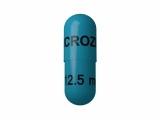
Buy Generic Microzide (Hydrochlorothiazide) without prescription in Canada
In our Canadian pharmacy, you can buy Microzide (Hydrochlorothiazide) without a prescription, with delivery across Canada within 5‑14 days. Discreet and anonymous packaging.
Microzide (hydrochlorothiazide) is a thiazide diuretic, often called a “water pill,” that is used to treat high blood pressure (hypertension) and to reduce excess fluid (oedema) caused by conditions such as congestive heart failure, liver cirrhosis, and kidney disorders. It works by inhibiting the reabsorption of sodium and chloride in the distal convoluted tubule of the kidney, which increases the excretion of water and electrolytes, thereby lowering blood pressure and relieving swelling. This action helps to decrease the workload on the heart and protect blood vessels from the damage associated with chronic hypertension.
Usual adult dose: For hypertension, the usual starting dose is 25 mg taken once daily, typically in the morning. The dose may be increased to 50 mg daily, given as a single dose or two divided doses, depending on the individual’s response. Doses above 50 mg daily are rarely more effective and may increase the risk of side effects. For oedema, a starting dose of 25 mg once or twice daily may be employed, titrated according to urine output and weight loss.
Dosage form: Oral tablet: 25 mg.
Onset of action: Diuresis begins within 2 hours after an oral dose, peaks in approximately 4 hours, and lasts about 6 to 12 hours.
Duration of action: The antihypertensive effect persists for 24 hours with once‑daily dosing.
Alcohol recommendation: Alcohol consumption should be limited or avoided during treatment with Microzide. Alcohol, barbiturates, and narcotics can potentiate the orthostatic hypotensive effects of hydrochlorothiazide, increasing the risk of dizziness, light‑headedness, and fainting.
Most common side effects: Frequent urination, dizziness, light‑headedness, headache, gastrointestinal upset (nausea, vomiting, cramping), and electrolyte imbalances—particularly low potassium (hypokalaemia). Less commonly, muscle cramps, fatigue, and temporary blurred vision may occur. Rare but serious effects include acute angle‑closure glaucoma, severe skin reactions, and pancreatitis. Regular monitoring of electrolytes is recommended.
Would you like to try Microzide (Hydrochlorothiazide) without a prescription?
General Information about Microzide (Hydrochlorothiazide)
- INN (International Nonproprietary Name): Hydrochlorothiazide
- Brand names available in Canada: Microzide® (brand‑name product; the original Canadian marketing authorization has been withdrawn, but international product is available), Teva‑Hydrochlorothiazide (Teva Canada Limited), Sanis Hydrochlorothiazide (Sanis Health Inc.), Apo‑Hydro (Apotex Inc.), PHL‑Hydrochlorothiazide (Pharmel Inc.), Novo‑Hydrazide (Novopharm Limited), PMS‑Hydrochlorothiazide (Pharmascience Inc.), ratio‑Hydrochlorothiazide (Ratiopharm Inc.). Combination products with other antihypertensives are also widely available.
- ATC code: C03AA03
- Dosage forms and strengths: Tablets: 12.5 mg, 25 mg, 50 mg, 100 mg
- Manufacturers in Canada: Teva Canada Limited, Sanis Health Inc., Apotex Inc., Pharmel Inc., Novopharm Limited, Pharmascience Inc., Laboratoires Confab Inc., and other generic manufacturers.
- Registration status in Canada: Approved by Health Canada.
- OTC / Rx classification: Prescription only (Rx). It is a Schedule I drug under Canadian regulations.
Mechanism of Action and Pharmacology
Hydrochlorothiazide is a thiazide diuretic that acts primarily on the distal convoluted tubule of the nephron. It inhibits the Na⁺/Cl⁻ cotransporter on the luminal membrane, reducing the reabsorption of sodium and chloride from the urine back into the blood. This leads to an increased excretion of sodium, chloride, and water, thereby reducing extracellular fluid volume and plasma volume. The resulting decrease in cardiac output contributes to the initial antihypertensive effect. With chronic administration, peripheral vascular resistance falls, which is thought to be mediated by a direct vasodilatory action of the drug on vascular smooth muscle, possibly through the activation of calcium‑activated potassium channels. Hydrochlorothiazide also increases the excretion of potassium, magnesium, and bicarbonate, and decreases the excretion of calcium and uric acid. The exact mechanism of the persistent antihypertensive effect is not fully understood but is maintained by the ongoing reduction in total peripheral resistance. Hydrochlorothiazide is not significantly metabolized; it is rapidly excreted unchanged by the kidneys, with an elimination half‑life of approximately 5.6 to 14.8 hours. The drug crosses the placental barrier and is excreted in breast milk.
Indications
- Hypertension: For the management of essential hypertension, either as monotherapy or as an adjunct to other antihypertensive agents.
- Oedema: As adjunctive therapy for oedema associated with congestive heart failure, hepatic cirrhosis, corticosteroid and oestrogen therapy, and various forms of renal dysfunction (including nephrotic syndrome, acute glomerulonephritis, and chronic renal failure).
- May also be used for the prevention of calcium‑containing kidney stones in patients with idiopathic hypercalciuria.
- Not recommended for use in children; safety and efficacy in paediatric patients have not been established.
Important Warnings and Precautions
At‑risk groups
- Pregnancy: Routine use of diuretics during normal pregnancy is inappropriate and exposes mother and foetus to unnecessary hazard. Hydrochlorothiazide should be used during pregnancy only when clearly needed and when the benefit justifies the potential risk to the foetus. It may cause foetal or neonatal jaundice, thrombocytopenia, and possibly other adverse reactions that have occurred in adults.
- Breastfeeding: Hydrochlorothiazide is excreted in breast milk. A decision should be made whether to discontinue breastfeeding or to discontinue the drug, taking into account the importance of the medication to the mother. If used, nursing infants should be monitored for electrolyte disturbances.
- Paediatrics: Safety and effectiveness have not been established in children. Hydrochlorothiazide is not recommended for paediatric use.
- Elderly: Elderly patients are more likely to have age‑related decreases in renal function and are more susceptible to electrolyte imbalances, orthostatic hypotension, and acute kidney injury. The lowest effective dose should be used, and renal function should be monitored regularly.
- Renal impairment: Use with caution in patients with mild to moderate renal impairment. Thiazides may precipitate azotaemia. In severe renal disease (creatinine clearance < 30 mL/min), thiazide diuretics are generally ineffective and may cause cumulative effects; a loop diuretic is preferred.
- Hepatic impairment: Use with caution in patients with impaired hepatic function or progressive liver disease. Minor alterations in fluid and electrolyte balance may precipitate hepatic coma.
- Diabetes mellitus: Hydrochlorothiazide may impair glucose tolerance and increase insulin resistance. Blood glucose should be monitored, and doses of insulin or oral hypoglycaemic agents may need adjustment.
- Gout: Thiazides can increase serum uric acid levels and may precipitate acute gouty arthritis in susceptible individuals.
- Systemic lupus erythematosus (SLE): Thiazide diuretics may exacerbate or activate SLE.
- Sulfonamide allergy: Hydrochlorothiazide is a sulfonamide derivative. It should be used with caution, if at all, in patients with a known hypersensitivity to sulfonamide‑derived drugs, as cross‑sensitivity may occur.
- Electrolyte disturbances: Periodic monitoring of serum electrolytes is essential to detect possible imbalances, particularly hypokalaemia, hyponatraemia, and hypomagnesaemia. Hypokalaemia increases the risk of digoxin toxicity and cardiac arrhythmias.
Driving and alcohol
Hydrochlorothiazide may cause dizziness or orthostatic hypotension, particularly during the initial stages of therapy or when alcohol is consumed. Patients should be cautious when driving, operating machinery, or performing hazardous tasks until they know how the medication affects them. Alcohol, barbiturates, and narcotics can intensify the orthostatic hypotensive effects of hydrochlorothiazide. Alcohol consumption should be limited or avoided entirely, especially if episodes of light‑headedness or fainting occur.
Dosage Instructions
- Hypertension: Usual starting dose: 25 mg once daily in the morning. If blood pressure is not adequately controlled after 4 weeks, the dose may be increased to 50 mg daily, given as a single dose or two divided doses. Doses above 50 mg are rarely more effective and are associated with greater metabolic side effects. Once blood pressure is stable, long‑term maintenance at the lowest effective dose is recommended.
- Oedema: Starting dose: 25 mg once or twice daily. The dose may be titrated upward based on clinical response, up to a maximum of 200 mg daily in divided doses. Intermittent therapy (e.g., administration on alternate days or 2‑3 days per week) may reduce the risk of electrolyte disturbances.
- Elderly and patients with renal impairment: Lower initial doses (e.g., 12.5 mg daily) may be appropriate.
- Administration: Take the tablet with a glass of water, with or without food. Morning administration is preferred to avoid nocturia. Swallow the tablet whole; do not crush or chew.
- Missed dose: If a dose is missed, take it as soon as remembered unless it is close to the next scheduled dose. Do not double the dose.
Side Effects and Contraindications
- Common side effects: Frequent urination, dizziness, light‑headedness, orthostatic hypotension, headache, gastrointestinal upset (nausea, vomiting, diarrhoea, cramping), fatigue, muscle cramps, and electrolyte imbalances (particularly hypokalaemia, hyponatraemia, hypomagnesaemia).
- Less common but serious side effects: Hypokalaemia‑induced cardiac arrhythmias, acute angle‑closure glaucoma (symptoms include acute onset of decreased visual acuity and ocular pain, typically within hours to weeks of drug initiation), acute pancreatitis, cholestatic jaundice, severe skin reactions (including Stevens‑Johnson syndrome and toxic epidermal necrolysis), aplastic anaemia, agranulocytosis, thrombocytopenia, and new‑onset or worsening of systemic lupus erythematosus. Hyperglycaemia, hyperuricaemia, and hypercalcaemia may also occur.
- Contraindications: Anuria. Known hypersensitivity to hydrochlorothiazide, other thiazide diuretics, or sulfonamide‑derived drugs. Severe renal impairment (creatinine clearance < 30 mL/min). Refractory hyponatraemia or hypokalaemia. Pregnancy (routine use; avoid except for pathological oedema under close supervision).
Drug Interactions
- Alcohol, barbiturates, and narcotics: Potentiation of orthostatic hypotension may occur.
- Antidiabetic drugs (oral hypoglycaemics and insulin): Dosage adjustment of the antidiabetic drug may be required because hydrochlorothiazide can impair glucose tolerance.
- Other antihypertensives: Additive blood‑pressure‑lowering effect.
- Cholestyramine and colestipol resins: Absorption of hydrochlorothiazide is impaired in the presence of anionic exchange resins. Single doses of either cholestyramine or colestipol bind the hydrochlorothiazide and reduce its absorption from the gastrointestinal tract by up to 85% and 43%, respectively. Administer hydrochlorothiazide at least 2 hours before or 4 hours after these resins.
- Corticosteroids, ACTH, amphotericin B: Intensified electrolyte depletion, particularly hypokalaemia.
- Pressor amines (e.g., norepinephrine): Possible decreased response to pressor amines.
- Skeletal muscle relaxants, nondepolarizing (e.g., tubocurarine): Possible increased responsiveness to the muscle relaxant.
- Lithium: Diuretic agents reduce the renal clearance of lithium and add a high risk of lithium toxicity. Concomitant use is generally not recommended. If the combination is necessary, lithium levels should be monitored closely.
- Non‑steroidal anti‑inflammatory drugs (NSAIDs): NSAIDs can reduce the diuretic, natriuretic, and antihypertensive effects of thiazides. Patients should be closely observed to determine if the desired effect of the diuretic is obtained.
- Digoxin: Thiazide‑induced hypokalaemia may potentiate digoxin toxicity and increase the risk of cardiac arrhythmias. Potassium levels should be monitored.
Practical Advice
- Administration: Take Microzide once daily in the morning to reduce the need to urinate at night. Swallow the tablet whole with water; it may be taken with or without food. Consistent timing each day helps maintain a stable antihypertensive effect.
- Monitoring: Regular monitoring of serum electrolytes (especially potassium, sodium, and magnesium), renal function (creatinine, BUN), blood pressure, and, in diabetic patients, blood glucose is essential. Liver function tests may be indicated in patients with pre‑existing liver disease. Uric acid levels should be checked in patients with a history of gout.
- Storage: Store at room temperature (15‑30 °C) in a tightly closed container, protected from moisture, heat, and light. Keep out of reach and sight of children.
- Lifestyle: Follow a balanced diet with adequate potassium intake (unless contraindicated by renal impairment). Reduce sodium intake to help lower blood pressure. Avoid prolonged sun exposure, as thiazides can cause photosensitivity. Rise slowly from sitting or lying positions to minimise the risk of orthostatic dizziness. Weight control, regular exercise, and smoking cessation are essential components of hypertension management.
- Missed dose: If you forget a dose, take it as soon as you remember. If it is close to the time of your next dose, skip the missed dose and return to your regular schedule. Never double a dose to compensate for a missed one.
Alternative Medications
- Other thiazide‑type and thiazide‑like diuretics: Chlorthalidone (a thiazide‑like diuretic) offers a longer duration of action and may provide superior cardiovascular event reduction compared with hydrochlorothiazide. Indapamide (another thiazide‑like diuretic) combines diuretic and direct vasodilatory properties and has a favourable metabolic profile.
- Loop diuretics: Furosemide (Lasix), bumetanide (Burinex), and torsemide are preferred in patients with significant fluid retention or renal impairment (CrCl < 30 mL/min), where thiazides are less effective.
- Potassium‑sparing diuretics: Amiloride (Midamor), triamterene, and spironolactone (Aldactone) may be used in combination with thiazides to counteract potassium loss. Fixed‑dose combination products (e.g., triamterene/HCTZ) are available.
- ACE inhibitors (Angiotensin‑Converting Enzyme Inhibitors): Ramipril (Altace), lisinopril (Zestril), and enalapril (Vasotec) lower blood pressure by inhibiting the renin‑angiotensin‑aldosterone system and offer renal and cardiovascular protection.
- ARBs (Angiotensin II Receptor Blockers): Losartan (Cozaar), valsartan (Diovan), and candesartan (Atacand) provide effects similar to ACE inhibitors with a lower incidence of cough.
- Calcium channel blockers (CCBs): Amlodipine (Norvasc) and nifedipine (Adalat) are effective alternatives, particularly in elderly patients and those with isolated systolic hypertension.
- Combination products: Fixed‑dose combinations of hydrochlorothiazide with ACE inhibitors, ARBs, beta‑blockers, or other antihypertensives are widely available and offer the convenience of single‑tablet regimens for patients requiring multiple agents.
Clinical Efficacy
Hydrochlorothiazide has been a cornerstone of antihypertensive therapy since its introduction in 1959, with an extensive body of clinical evidence supporting its efficacy in lowering blood pressure and reducing cardiovascular morbidity and mortality. The Antihypertensive and Lipid‑Lowering Treatment to Prevent Heart Attack Trial (ALLHAT), one of the largest hypertension outcome trials, confirmed the efficacy of thiazide‑type diuretics as first‑line therapy in preventing major cardiovascular events. The Diuretic Comparison Project (DCP), a large pragmatic randomized clinical trial conducted within the U.S. Veterans Affairs healthcare system, compared chlorthalidone with hydrochlorothiazide in over 13,000 patients with hypertension and found no significant difference in the primary composite outcome of major adverse cardiovascular events or non‑cancer deaths between the two agents. Secondary analyses suggested that chlorthalidone was not superior to hydrochlorothiazide for kidney outcomes but was associated with an increased risk of hypokalaemia. Office‑based studies have demonstrated that hydrochlorothiazide 25 mg daily typically reduces systolic blood pressure by 8‑12 mm Hg and diastolic blood pressure by 4‑6 mm Hg as monotherapy. When used in combination with other antihypertensives, it provides additive blood‑pressure‑lowering effects and improves control rates. Hydrochlorothiazide remains one of the most widely prescribed antihypertensive agents worldwide, and its clinical efficacy, established safety profile, and low cost support its continued role in the management of hypertension and oedematous states.
Important:
Microzide (hydrochlorothiazide) is a prescription medication that should be used only under the supervision of a qualified healthcare professional. This drug can cause significant fluid and electrolyte imbalances, particularly hypokalaemia, which may increase the risk of cardiac arrhythmias. Routine laboratory monitoring of electrolytes, renal function, and blood glucose is essential. Seek medical attention immediately if you experience symptoms such as severe dizziness or fainting, persistent muscle cramps or weakness, rapid or irregular heartbeat, severe abdominal pain, decreased vision or eye pain, or signs of a serious allergic reaction (such as rash, swelling of the face, lips, tongue, or throat, and difficulty breathing). Do not discontinue therapy without consulting your doctor, as abrupt withdrawal can lead to rebound hypertension. Alcohol potentiates the orthostatic hypotensive effects of this medication and should be limited or avoided. This information is not a substitute for professional medical advice, diagnosis, or treatment.


| Shipping method | Delivery time | Price | |
 Delivery Delivery |
14-21 days | 14.95$ | Tracking# available in 4 days |
 Delivery Delivery |
9-14 days | 30$ | Tracking# available in 2 days |
- Shipping worldwide
- Confidentiality and anonymity guarantee
- Safe and secure
- Discrete looking packages
- Dispatch orders within 24 hours
- 100% success delivery


