


 Secure and Reliable
  High quality
  Worldwide shipping
  Bonuses and Discounts
  Money back Guarantee
 - Bestsellers
- Alcoholism
- COVID-19
- Allergy
- Anti Fungal
- Alzheimers
- Anti Viral
- Anti-Depressants
- Anti-Inflammatory
- Antibacterial
- Antiparasitic
- Antibiotics
- Arthritis
- Asthma
- Birth Control
- Blood Pressure
- Cancer
- Cardiovascular
- Cholesterol
- Diabetes
- Diuretics
- Erectile Dysfunction
- Eye Drop
- Gastro Health
- General Health
- Hair Loss
- Hepatitis C Virus (HCV)
- HIV
- Hormones
- Men's ED Packs
- Men's Health
- Mental Illness
- Motion Sickness
- Muscle Relaxant
- Pain Relief
- Parkinson’s Disease
- Veterinary Medicines
- Quit Smoking
- Vitamins
- Skin Care
- Sleeping Aids
- Weight Loss
- Women's Health
Generic Naprelan ( Naproxen )
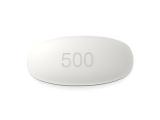
Naprelan (naproxen sodium) is a nonsteroidal anti-inflammatory drug (NSAID) indicated for the relief of signs and symptoms of rheumatoid arthritis, osteoarthritis, ankylosing spondylitis, acute gout, bursitis, and tendonitis. Naproxen works by inhibiting cyclooxygenase (COX-1 and COX-2) enzymes, reducing the production of prostaglandins responsible for pain, inflammation, and fever. Naprelan is a controlled-release formulation designed to provide prolonged relief with less frequent dosing. Immediate-release naproxen is available as 250 mg and 500 mg tablets; the controlled-release Naprelan brand is typically available as 375 mg, 500 mg, and 750 mg tablets.
Usual adult dose: For immediate-release naproxen, the usual dose is 250 mg to 500 mg taken orally twice daily with food or milk. The maximum daily dose is 1000 mg for chronic conditions, or 1500 mg for limited periods under medical supervision. For controlled-release Naprelan, the usual starting dose is 750 mg once daily, with maintenance doses ranging from 375 mg to 500 mg once daily depending on response and tolerability. Doses should be taken at the same time each day, and the tablets must be swallowed whole, not crushed or chewed. Treatment should be limited to the shortest duration necessary, and patients should be re-evaluated regularly.
Dosage form: Controlled-release tablets: 375 mg, 500 mg, and 750 mg of naproxen sodium. Immediate-release tablets: 250 mg, 375 mg, and 500 mg of naproxen or naproxen sodium. The 250 mg and 500 mg strengths are commonly available over the counter in Canada for temporary pain relief, while higher strengths require a prescription.
Onset of action: The analgesic effect of immediate-release naproxen begins within 30 to 60 minutes after oral administration, with peak plasma concentrations at 2 to 4 hours. The controlled-release formulation has a delayed onset but provides more sustained plasma levels; therapeutic effect may begin within 1 to 2 hours.
Duration of action: Immediate-release naproxen has a duration of action of approximately 8 to 12 hours, supporting twice-daily dosing. The controlled-release formulation maintains therapeutic levels for up to 24 hours, allowing once-daily administration. The elimination half-life of naproxen is approximately 12 to 17 hours.
Alcohol recommendation: Alcohol consumption should be limited or avoided during treatment with naproxen. Consuming three or more alcoholic beverages per day while taking an NSAID increases the risk of serious gastrointestinal bleeding, ulceration, and perforation, which can be fatal. Alcohol may also increase the risk of liver injury and drowsiness.
Most common side effects: Heartburn, stomach pain, nausea, constipation, diarrhea, headache, and dizziness. Taking the medication with food or milk helps reduce gastrointestinal upset. Long-term or high-dose use increases the risk of serious cardiovascular thrombotic events, myocardial infarction, stroke, and serious gastrointestinal adverse events including bleeding and ulceration. Naproxen should be used with caution in patients with a history of peptic ulcer disease, renal impairment, heart failure, or uncontrolled hypertension. It is contraindicated in patients with known hypersensitivity to NSAIDs or aspirin, and in the setting of coronary artery bypass graft surgery. Patients should seek immediate medical attention for signs of gastrointestinal bleeding (black stools, vomiting blood), chest pain, or sudden weakness. Naprelan is available by prescription in Canada, while lower strengths may be available behind the counter.
Would you like to try Naprelan (Naproxen) without a prescription?
Buy Generic Naprelan (Naproxen) without prescription in Canada
At our pharmacy, you can buy Naprelan without a prescription, with discreet and anonymous packaging delivered within 5-14 days across Canada.
What is Naprelan?
Naprelan is a nonsteroidal anti-inflammatory drug (NSAID). The active ingredient is naproxen, a medicine that reduces pain, inflammation, and fever. It is used to treat a wide range of conditions: arthritis, muscle aches, back pain, menstrual cramps, gout attacks, and the pain of minor injuries. Naprelan is a controlled-release formulation of naproxen, designed to release the drug slowly over time so that a single dose lasts longer than standard naproxen. The effect on pain and inflammation begins within an hour, but the full anti-inflammatory benefit builds over several days of regular use. Naprelan is available in two strengths: 250 mg and 500 mg tablets. The 250 mg strength is often used for mild to moderate pain or as a starting dose. The 500 mg strength is for more severe pain or for conditions like arthritis where a higher dose is needed. Naprelan is usually taken once or twice daily, depending on the strength and the condition being treated.
Mechanism and Pharmacology
Naproxen works by blocking the action of cyclooxygenase enzymes, specifically COX-1 and COX-2. These enzymes are responsible for converting arachidonic acid into prostaglandins, which are chemicals that cause pain, swelling, and fever. By inhibiting both COX enzymes, naproxen reduces the production of prostaglandins throughout the body. This is why it relieves pain and brings down inflammation. However, blocking COX-1 also reduces the protective prostaglandins in the stomach lining, which is why naproxen can cause stomach irritation and ulcers. It also affects kidney function and platelet aggregation, which is why it can increase bleeding risk and worsen kidney problems.
Naprelan is a controlled-release tablet. The naproxen is embedded in a matrix that dissolves slowly in the gut, releasing the drug over about 12 to 24 hours. This gives a longer duration of action than immediate-release naproxen. After oral administration, peak plasma levels are reached in about 4 to 6 hours for the controlled-release form. Food delays absorption but does not reduce the total amount absorbed. Naproxen is highly protein-bound, more than 99 percent. It is metabolized in the liver and excreted mainly in the urine. The half-life is about 12 to 17 hours, which is long for an NSAID and contributes to its once- or twice-daily dosing. Because of the long half-life, steady-state levels are not reached for 3 to 4 days of regular use. Dose adjustment is needed in severe kidney impairment, but not for age alone. Liver impairment does not require dose adjustment but caution is advised.
How to Use Naprelan
The dose depends on the condition being treated. For mild to moderate pain, the usual dose is 250 mg twice daily, or 500 mg once daily. For arthritis, the dose is often 500 mg twice daily. Naprelan should be taken with food or a glass of milk to reduce stomach upset. Swallow the tablet whole. Do not crush, chew, or break it, because breaking the controlled-release tablet will dump the entire dose at once, increasing the risk of side effects. Take it at the same time each day to maintain even drug levels. If you miss a dose, take it as soon as you remember, unless it is almost time for the next dose. In that case, skip the missed dose and continue on your regular schedule. Do not double up.
Do not take more than the prescribed dose. The maximum recommended daily dose of naproxen is 1000 mg per day for most conditions. Taking more increases the risk of stomach ulcers, bleeding, kidney damage, and heart problems. Naprelan is not intended for long-term use without medical supervision. If you need it for more than a week or two, your doctor should monitor your kidney function, blood pressure, and stomach health. If you are using it for an acute pain like a sprain or menstrual cramps, use the lowest effective dose for the shortest possible time. Do not combine Naprelan with other NSAIDs, including ibuprofen or aspirin, because the effects add up. If you are taking low-dose aspirin for heart protection, talk to your doctor, because naproxen can interfere with the antiplatelet effect of aspirin.
Side Effects of Naprelan
The most common side effects are gastrointestinal. Stomach pain, heartburn, nausea, and diarrhea affect a significant number of people. Taking the tablet with food reduces these symptoms. More seriously, naproxen can cause stomach ulcers and bleeding. The risk is higher in people over 60, those taking high doses, those using it for long periods, and those taking blood thinners or corticosteroids. Signs of a bleeding ulcer include black, tarry stools, vomiting blood, or severe stomach pain. If these occur, stop the drug and seek emergency care.
Naproxen can raise blood pressure and worsen heart failure by causing fluid retention. It can also damage the kidneys, particularly in people with pre-existing kidney disease, dehydration, or those taking diuretics or ACE inhibitors. Regular monitoring of kidney function is important for long-term users. Allergic reactions are possible, ranging from skin rash to severe anaphylaxis with swelling of the face and throat. People with aspirin-sensitive asthma are at higher risk. Naproxen can cause dizziness, drowsiness, and headache. It can also raise liver enzymes, though serious liver injury is rare. Long-term use increases the risk of cardiovascular events like heart attack and stroke, a risk shared by all NSAIDs. This is why the lowest effective dose for the shortest duration is the golden rule.
High-Risk Groups (Elderly, Pregnancy)
Pregnancy. Naproxen is pregnancy category C in the first and second trimesters, and category D in the third trimester. It should be avoided during the third trimester because it can cause premature closure of the ductus arteriosus in the fetus and may delay labour. In the first and second trimesters, it should be used only if clearly needed and at the lowest effective dose. Acetaminophen is usually the preferred pain reliever during pregnancy. If you become pregnant while taking naproxen, stop it and consult your doctor. Breastfeeding. Naproxen passes into breast milk in small amounts. Occasional use is considered compatible with breastfeeding, but regular use should be avoided because the infant could accumulate the drug. The baby should be monitored for bruising or stomach upset. Elderly patients are at higher risk of stomach ulcers, bleeding, kidney problems, and heart failure from naproxen. The dose should be the lowest effective, and kidney function should be checked before and during treatment. The 250 mg strength is often preferred in older adults. People with a history of stomach ulcers, bleeding disorders, or inflammatory bowel disease should avoid naproxen unless prescribed with a stomach-protecting drug like a proton pump inhibitor. Those with severe heart failure or kidney disease should not use it. A complete medication review is essential before starting.
Interaction With Activities (Driving, Alcohol)
Naproxen can cause dizziness, drowsiness, and blurred vision. If you experience these, do not drive or operate machinery. The effects are usually mild but can be significant at higher doses. Alcohol increases the risk of stomach bleeding and irritation when combined with naproxen. It also adds to the dizziness and drowsiness. Avoid alcohol while taking Naprelan, especially if you are using it regularly. Even a single drink can increase the chance of stomach upset. If you drink, do so rarely and in small amounts, and always with food. Do not take naproxen on an empty stomach with alcohol, as this is a recipe for gastric damage.
Drug Interactions
Naproxen interacts with many drugs, mostly through its effects on the stomach, kidneys, and platelets. Anticoagulants like warfarin, clopidogrel, and the direct oral anticoagulants (apixaban, rivaroxaban) increase the risk of bleeding when combined with naproxen. The combination should be avoided if possible. Low-dose aspirin for heart protection can be blocked by naproxen; naproxen can prevent aspirin from binding to platelets, reducing its protective effect. If you need both, take naproxen at least 2 hours after aspirin, or discuss alternatives with your doctor. Corticosteroids increase the risk of stomach ulcers. SSRIs and SNRIs, used for depression, also increase bleeding risk. Diuretics, ACE inhibitors, and ARBs used for high blood pressure or heart failure can be made less effective by naproxen, and the combination can worsen kidney function. Methotrexate, used for rheumatoid arthritis, can become toxic when combined with naproxen because the kidney clearance of methotrexate is reduced. Lithium levels can also rise. Cyclosporine and tacrolimus, used in transplant patients, can cause kidney damage when combined with NSAIDs. Always tell your doctor and pharmacist about every medication you take before starting naproxen.
Alternative Options
For pain relief, acetaminophen is often the first choice because it is gentler on the stomach and does not increase bleeding risk, though it is less effective for inflammation. Ibuprofen is another NSAID similar to naproxen but with a shorter half-life. It may be preferred for short-term acute pain because it clears faster. Celecoxib is a COX-2 selective NSAID that is less likely to cause stomach ulcers but has a higher risk of heart problems. For arthritis, other classes of drugs like disease-modifying antirheumatic drugs (DMARDs) or biologics are used. For acute gout, colchicine or corticosteroids are alternatives. Topical NSAIDs like diclofenac gel can provide local pain relief with minimal systemic absorption. The choice depends on the condition, the patient's stomach and kidney health, and cardiovascular risk. Naprelan's controlled-release formulation is an advantage for chronic pain because it provides steady blood levels and requires less frequent dosing than immediate-release naproxen. It is a good option for people who need around-the-clock anti-inflammatory effect but who do not want to take pills several times a day.
INN, Brand Names, and Classification in Canada
INN (International Nonproprietary Name): Naproxen
Available brand names in Canada: Naprelan, and generic naproxen (immediate-release). Naprelan is the controlled-release formulation.
ATC code: M01AE02
Forms and strengths: Controlled-release tablets 250 mg and 500 mg. Immediate-release naproxen is available as 220 mg, 250 mg, 375 mg, and 500 mg tablets.
Manufacturers: Bausch Health Canada Inc. (Naprelan), and diverse generic manufacturers for naproxen including Apotex Inc., Teva Canada Limited, and Sandoz Canada Inc.
Registration status in Canada: Registered
Classification: Prescription (Rx) for 250 mg and 500 mg strengths; naproxen 220 mg is over-the-counter. Available without prescription through our pharmacy.
Frequently Asked Questions
How long does Naprelan last?
Because it is a controlled-release tablet, the effect lasts 12 to 24 hours. This is why it is usually taken once or twice daily. The pain relief is steady and does not wear off as quickly as immediate-release naproxen.
Can I take Naprelan on an empty stomach?
It is best to take it with food or milk to protect your stomach. Taking it on an empty stomach increases the risk of heartburn, nausea, and stomach ulcers. If you forget and take it without food, eat something soon after.
Is Naprelan safe for long-term use?
It can be used long-term for conditions like arthritis, but only under medical supervision. Your doctor will check your kidney function, blood pressure, and blood counts periodically. The goal is to use the lowest dose that controls your symptoms. Long-term use increases the risk of heart attack, stroke, stomach bleeding, and kidney damage.
Can I take Naprelan with my blood pressure medication?
Naproxen can reduce the effectiveness of ACE inhibitors, ARBs, and diuretics, and it can raise blood pressure. If you have high blood pressure, your pressure may go up while taking naproxen. You should monitor your blood pressure and discuss the combination with your doctor. Sometimes a different pain reliever is a better choice.
What should I do if I miss a dose?
Take it as soon as you remember, unless it is close to the time for your next dose. In that case, skip the missed dose and continue on your normal schedule. Do not take two doses at once, as this increases the risk of side effects without improving pain relief.
Delivery Information Across Canada
We ship Naprelan and generic naproxen to all provinces and territories. Delivery times vary depending on how remote your location is:
- Ontario (Toronto, Ottawa, Mississauga): 5 to 7 days
- Quebec (Montreal, Quebec City, Laval): 5 to 7 days
- British Columbia (Vancouver, Victoria, Burnaby): 5 to 9 days
- Alberta (Calgary, Edmonton, Red Deer): 5 to 9 days
- Manitoba (Winnipeg, Brandon): 5 to 9 days
- Saskatchewan (Saskatoon, Regina): 5 to 9 days
- Nova Scotia (Halifax, Sydney): 5 to 9 days
- New Brunswick (Moncton, Fredericton): 5 to 9 days
- Newfoundland and Labrador (St. John's, Corner Brook): 7 to 14 days
- Prince Edward Island (Charlottetown): 7 to 14 days
- Yukon, Northwest Territories, Nunavut: 7 to 14 days
All shipments are packed discreetly with no branding or indication of contents on the outside.


| Shipping method | Delivery time | Price | |
 Delivery Delivery |
14-21 days | 14.95$ | Tracking# available in 4 days |
 Delivery Delivery |
9-14 days | 30$ | Tracking# available in 2 days |
- Shipping worldwide
- Confidentiality and anonymity guarantee
- Safe and secure
- Discrete looking packages
- Dispatch orders within 24 hours
- 100% success delivery


