


 Secure and Reliable
  High quality
  Worldwide shipping
  Bonuses and Discounts
  Money back Guarantee
 - Bestsellers
- Alcoholism
- COVID-19
- Allergy
- Anti Fungal
- Alzheimers
- Anti Viral
- Anti-Depressants
- Anti-Inflammatory
- Antibacterial
- Antiparasitic
- Antibiotics
- Arthritis
- Asthma
- Birth Control
- Blood Pressure
- Cancer
- Cardiovascular
- Cholesterol
- Diabetes
- Diuretics
- Erectile Dysfunction
- Eye Drop
- Gastro Health
- General Health
- Hair Loss
- Hepatitis C Virus (HCV)
- HIV
- Hormones
- Men's ED Packs
- Men's Health
- Mental Illness
- Motion Sickness
- Muscle Relaxant
- Pain Relief
- Parkinson’s Disease
- Veterinary Medicines
- Quit Smoking
- Vitamins
- Skin Care
- Sleeping Aids
- Weight Loss
- Women's Health
Generic Neurontin ( Gabapentin )
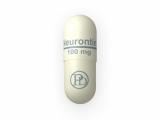
Buy Generic Neurontin (Gabapentin) without prescription in Canada
In our Canadian pharmacy, you can buy Neurontin (Gabapentin) without a prescription, with delivery across Canada within 5‑14 days. Discreet and anonymous packaging.
Neurontin (buy gabapentin canadian pharmacy) is an anticonvulsant and analgesic medication primarily used to treat certain types of epilepsy and nerve pain. Although structurally similar to the neurotransmitter GABA, it does not act through the same pathways; instead, it binds to a specific subunit of voltage‑gated calcium channels in the central nervous system, reducing the release of excitatory neurotransmitters that contribute to seizures and pain signalling.
Usual adult dose: For epilepsy, the starting dose is typically 300 mg taken three times daily, which can be titrated up to a maintenance dose of 900 mg to 3600 mg daily in three divided doses. For neuropathic pain, treatment may begin with 300 mg once on day 1, 300 mg twice daily on day 2, and 300 mg three times daily on day 3, then titrated upwards as needed to a maximum of 3600 mg daily. Doses are always individualized and adjusted gradually.
Dosage form: Capsules (100 mg, 300 mg, 400 mg) and film‑coated tablets (600 mg).
Onset of action: Peak plasma concentrations are reached approximately 2 to 3 hours after an oral dose. For neuropathic pain, meaningful pain relief may begin within the first week of therapy but often takes several weeks of dose escalation to reach full effect.
Duration of action: The elimination half‑life is 5 to 7 hours, requiring three‑times‑daily dosing for sustained effect; the maximum interval between doses should not exceed 12 hours.
Alcohol recommendation: Alcohol consumption should be avoided during treatment with Neurontin. Alcohol can worsen side effects such as dizziness, drowsiness, and impaired coordination, and may increase the risk of respiratory depression.
Most common side effects: Dizziness, somnolence (drowsiness), fatigue, ataxia (loss of coordination), peripheral oedema (swelling of the limbs), and weight gain. These effects are often dose‑related and may diminish over time.
Would you like to try Neurontin (Gabapentin) without a prescription?
General Information about Neurontin (Gabapentin)
- INN (International Nonproprietary Name): Gabapentin
- Brand names available in Canada: Neurontin® (BGP Pharma ULC, a division of Pfizer Canada). Generic versions include Apo‑Gabapentin (Apotex Inc.), Teva‑Gabapentin (Teva Canada Limited), PMS‑Gabapentin (Pharmascience Inc.), Sandoz Gabapentin (Sandoz Canada Inc.), JAMP‑Gabapentin (JAMP Pharma Corporation), M‑Gabapentin (Mantra Pharma Inc.), Sanis Gabapentin (Sanis Health Inc.), and others.
- ATC code: N02BF01
- Dosage forms and strengths: Capsules: 100 mg, 300 mg, 400 mg. Tablets: 600 mg, 800 mg. An oral solution (50 mg/mL) is also available.
- Manufacturers in Canada: BGP Pharma ULC (Neurontin), Apotex Inc., Teva Canada Limited, Pharmascience Inc., Sandoz Canada Inc., JAMP Pharma Corporation, Mantra Pharma Inc., Sanis Health Inc., and other generic manufacturers.
- Registration status in Canada: Approved by Health Canada. Marketed (DINs: 02084260 [100 mg], 02084279 [300 mg], 02084287 [400 mg], 02239717 [600 mg]).
- OTC / Rx classification: Prescription only (Rx). Schedule I drug under the Controlled Drugs and Substances Act.
Mechanism of Action and Pharmacology
Gabapentin is a structural analogue of the inhibitory neurotransmitter gamma‑aminobutyric acid (GABA), yet it does not bind to GABAA, GABAB, or benzodiazepine receptors, nor does it influence GABA uptake or metabolism. Its principal mechanism of action was elucidated with the discovery that gabapentin binds with high affinity to the α2δ‑1 subunit of voltage‑gated calcium channels (VGCCs) located on presynaptic neurons throughout the central nervous system. By occupying this auxiliary subunit, gabapentin reduces calcium influx into the nerve terminal, which in turn decreases the release of several excitatory neurotransmitters—including glutamate, norepinephrine, and substance P. This modulation of neurotransmitter release is thought to underlie both the anticonvulsant and analgesic properties of the drug.
Following oral administration, gabapentin is absorbed from the proximal small intestine via a saturable L‑amino acid transport system. As a result, its bioavailability is dose‑dependent: approximately 60% at a 300 mg dose, falling to roughly 35% at 1600 mg. Peak plasma concentrations are achieved within 2 to 3 hours. Food, including high‑fat meals, has no clinically significant effect on absorption. Gabapentin does not bind to plasma proteins, and its volume of distribution is approximately 57.7 L. The drug crosses the blood‑brain barrier via a saturable transport mechanism; cerebrospinal fluid concentrations are approximately 20% of the corresponding steady‑state plasma levels. Gabapentin is not metabolised in humans and is eliminated entirely by renal excretion as unchanged drug. Its elimination half‑life is 5 to 7 hours in patients with normal renal function. Because clearance is directly proportional to creatinine clearance, dose adjustment is required for patients with renal impairment and those undergoing haemodialysis.
Indications
- Epilepsy: As adjunctive therapy for partial‑onset seizures, with or without secondary generalisation, in adults and children 3 years of age and older. It may also be used as monotherapy in patients 12 years of age and older.
- Neuropathic pain: For the management of neuropathic pain in adults, including painful diabetic neuropathy and postherpetic neuralgia.
- Gabapentin is also prescribed off‑label for a variety of other pain conditions, including fibromyalgia, migraine prophylaxis, and neuropathic cancer pain, as well as for certain psychiatric conditions such as generalised anxiety disorder, although these uses have varying levels of evidence.
Important Warnings and Precautions
At‑risk groups
- Pregnancy: Gabapentin crosses the human placenta. Data from observational studies suggest a possible increased risk of major congenital malformations, particularly cardiac defects, with first‑trimester exposure. It should be used during pregnancy only if the potential benefit clearly justifies the potential risk to the foetus. Women of childbearing potential should use effective contraception and discuss family planning with their physician.
- Breastfeeding: Gabapentin is excreted into human breast milk. The effects on the nursing infant are not fully known, but sedation, poor feeding, and weight gain issues have been reported. A decision must be made whether to discontinue breastfeeding or to discontinue the drug, taking into account the importance of the medication to the mother.
- Paediatric use: Safety and effectiveness in children 3 years of age and older have been established for adjunctive therapy of partial seizures; however, it is not approved for neuropathic pain in paediatric patients. Dosing in children is weight‑based.
- Elderly: Gabapentin clearance is reduced in the elderly due to age‑related decline in renal function. Lower starting doses and slower titration are recommended, and renal function should be monitored.
- Renal impairment: Dosage adjustment is necessary for patients with creatinine clearance below 60 mL/min. The daily dose and dosing frequency must be reduced proportionally. For patients on haemodialysis, a supplemental dose should be administered after each 4‑hour dialysis session.
- Respiratory depression: Gabapentin has been associated with serious, life‑threatening, and fatal respiratory depression, particularly when used in combination with other central nervous system (CNS) depressants such as opioids, or in patients with underlying respiratory impairment such as chronic obstructive pulmonary disease (COPD).
- Suicidal behaviour and ideation: Antiepileptic drugs, including gabapentin, carry a warning for an increased risk of suicidal thoughts and behaviour. Patients and caregivers should be advised to monitor for emergence or worsening of depression, suicidal ideation, or any unusual changes in mood or behaviour.
- Drug abuse and dependence: Gabapentin has a potential for abuse and dependence, particularly at higher doses and in individuals with a history of substance abuse. Physical dependence can occur, and withdrawal symptoms—including agitation, anxiety, confusion, sweating, and gastrointestinal distress—may develop upon abrupt discontinuation.
- DRESS syndrome: Drug Reaction with Eosinophilia and Systemic Symptoms (DRESS) is a potentially life‑threatening, multi‑organ hypersensitivity reaction that has been reported with gabapentin. Presenting features may include fever, rash, lymphadenopathy, and/or facial swelling, with associated organ involvement including hepatitis, nephritis, haematological abnormalities, myocarditis, or myositis. The drug must be discontinued immediately and the patient evaluated urgently.
- Anaphylaxis and angioedema: Hypersensitivity reactions, including anaphylaxis and angioedema (swelling of the face, lips, tongue, throat, and airway), have been reported. Patients should be instructed to seek emergency medical care immediately if signs or symptoms of a serious allergic reaction develop.
- Allergy: Do not take Neurontin if you have a known hypersensitivity to gabapentin or any excipient in the formulation.
Driving and alcohol
Neurontin can cause significant dizziness, drowsiness, blurred vision, and impaired coordination. These effects are most pronounced at the beginning of therapy and after dose increases. Patients should not drive, operate heavy machinery, or engage in potentially hazardous activities until they have gained sufficient experience with the medication to gauge its effect on their mental alertness and motor performance. Alcohol must be avoided during treatment, as it can potentiate the CNS‑depressant effects of gabapentin, increasing the risk of severe drowsiness, respiratory depression, and motor vehicle accidents.
Dosage Instructions
- Epilepsy (adjunctive therapy) – Adults and adolescents ≥ 12 years: Starting dose: 300 mg three times daily on day 1, or titrated from 300 mg once on day 1, to 300 mg twice daily on day 2, to 300 mg three times daily on day 3. Thereafter, the dose may be increased in 300 mg/day increments every 2 to 3 days to a maintenance dose of 900 mg to 3600 mg/day, given in three divided doses. The maximum interval between doses should not exceed 12 hours.
- Epilepsy (monotherapy) – Adults and adolescents ≥ 12 years: Initiate at 300 mg three times daily; maintenance doses of 900 mg to 2400 mg/day are typical.
- Epilepsy – Paediatric patients 3 to 11 years: Starting dose: 10 mg/kg/day to 15 mg/kg/day, given in three divided doses. Titrate to a recommended maintenance dose of 25 mg/kg/day to 35 mg/kg/day for children 5 to 11 years, and 40 mg/kg/day for children 3 to 4 years, all given in three divided doses.
- Neuropathic pain – Adults: Initiate at 300 mg once on day 1, 300 mg twice daily on day 2, and 300 mg three times daily on day 3. The dose may be titrated upwards as needed for pain relief to a maximum of 3600 mg/day (given in three divided doses). In clinical studies, efficacy was demonstrated over a range of 1800 mg/day to 3600 mg/day.
- Renal impairment – Adults ≥ 12 years: Dosage must be adjusted. For creatinine clearance (CrCl) 30‑59 mL/min, the maximum daily dose is 900 mg to 1200 mg/day given in three divided doses. For CrCl 15‑29 mL/min, administer 300 mg every other day to 700 mg/day given once daily or in two divided doses. For CrCl < 15 mL/min, reduce daily dose in proportion to creatinine clearance; for example, a patient with CrCl 7.5 mL/min should receive one‑half the daily dose that a patient with CrCl 15 mL/min would receive. For patients on haemodialysis, administer a loading dose of 300 mg to 400 mg, then 200 mg to 300 mg after each 4‑hour session of haemodialysis.
- Administration: Neurontin may be taken with or without food. Capsules should be swallowed whole with a full glass of water; do not crush or chew. The 600 mg tablet is film‑coated and should also be swallowed whole. If a dose is missed, take it as soon as remembered unless the next scheduled dose is within 4 hours; do not double doses.
Side Effects and Contraindications
- Most common side effects (incidence ≥ 5% in clinical trials): Dizziness (21‑28%), somnolence (19‑21%), fatigue (11%), ataxia (7‑13%), peripheral oedema (7‑8%), weight gain (3‑6%), and nystagmus (involuntary eye movements; 6‑12%). Other common effects include headache, tremor, diplopia (double vision), blurred vision, nausea, vomiting, and dry mouth. These are typically dose‑dependent and often lessen with continued therapy or slower titration.
- Serious adverse reactions: Respiratory depression (particularly with concomitant CNS depressants), DRESS syndrome (Drug Reaction with Eosinophilia and Systemic Symptoms), anaphylaxis and angioedema, suicidal thoughts and behaviour, drug dependence and withdrawal syndrome, and multi‑organ hypersensitivity. Cases of acute pancreatitis, rhabdomyolysis, and myoclonic seizures have also been reported in post‑marketing surveillance.
- Paediatric‑specific adverse effects: In children 3 to 12 years, the most common side effects are viral infection, fever, nausea and/or vomiting, somnolence, and hostility. Aggressive behaviour, emotional lability, and hyperactivity may occur, particularly in younger children and those with pre‑existing behavioural problems.
- Drug withdrawal: Abrupt discontinuation after prolonged use may precipitate a withdrawal syndrome characterised by agitation, anxiety, confusion, insomnia, diaphoresis, gastrointestinal distress, and, rarely, status epilepticus. Dose tapering over a minimum of one week is recommended.
- Contraindications: Known hypersensitivity to gabapentin or any component of the formulation. Gabapentin oral solution contains maltitol and should not be administered to patients with hereditary fructose intolerance.
Drug Interactions
- CNS depressants (major interaction): Co‑administration with other central nervous system depressants—including opioids, benzodiazepines, alcohol, sedating antihistamines, tricyclic antidepressants, and sleep aids—produces additive sedation, respiratory depression, and psychomotor impairment. Fatal respiratory depression has been reported with concomitant gabapentin‑opioid use. These combinations should be used with extreme caution, and the lowest effective doses should be prescribed.
- Antacids (moderate interaction): Aluminum‑ and magnesium‑containing antacids reduce the oral bioavailability of gabapentin by approximately 20%. To minimise this interaction, gabapentin should be taken at least 2 hours after such antacids.
- Morphine: Co‑administration with immediate‑release morphine increases gabapentin plasma concentrations by approximately 44% and may increase the risk of respiratory depression. Gabapentin dose reduction may be necessary. When gabapentin is given 2 hours after controlled‑release morphine, the interaction is less pronounced.
- Hydrocodone: Gabapentin may increase hydrocodone plasma concentrations and intensify hydrocodone‑related adverse effects, including dizziness and somnolence. Dose adjustment of either agent may be required.
- Cimetidine: Cimetidine may decrease the renal clearance of gabapentin by approximately 14%, a change not generally considered clinically significant; however, patients with severe renal impairment should be monitored.
- Oral contraceptives: Gabapentin does not interact with norethindrone‑ and ethinyl‑estradiol‑containing oral contraceptives and does not affect their contraceptive efficacy.
- Food and alcohol: Food has no clinically significant effect on gabapentin absorption. Alcohol potentiates CNS depression and should be strictly avoided.
Practical Advice
- Administration: Take Neurontin exactly as prescribed, at evenly spaced intervals throughout the day. The maximum time between doses should not exceed 12 hours. It may be taken with or without food. Swallow capsules and tablets whole with a full glass of water; do not crush, chew, or break them.
- Titration and monitoring: Dose titration is individualised based on clinical response and tolerability. For neuropathic pain, titration to an effective dose may take several weeks. Renal function should be assessed before and periodically during therapy, and the dose adjusted accordingly. Patients should be monitored for signs of respiratory depression, particularly during initiation and dose escalation.
- Storage: Store at room temperature (15‑30 °C) in a dry place, protected from light and moisture. Keep in the original container, tightly closed, and out of the reach and sight of children.
- Lifestyle: Maintain a regular sleep schedule and avoid over‑exertion, especially during the initial weeks of therapy. Rising slowly from a seated or lying position may help minimise dizziness. Do not stop taking Neurontin abruptly; discontinuation requires a gradual dose reduction of at least one week to avoid withdrawal symptoms and potential rebound seizures.
- Medical emergencies: Seek immediate medical attention if signs of a serious allergic reaction develop (rash, hives, difficulty breathing, swelling of the face, lips, tongue, or throat), or if symptoms of respiratory depression appear (shallow, slow, or troubled breathing, extreme drowsiness, unresponsiveness).
- Disposal: Return unused or expired medication to a pharmacy for safe disposal. Do not flush down the toilet or discard in household waste.
Alternative Medications
- Pregabalin (Lyrica®): A structural analogue of gabapentin that binds to the same α2δ subunit of voltage‑gated calcium channels but has more predictable, linear pharmacokinetics and a faster onset of action. It is indicated for neuropathic pain, epilepsy (adjunctive), fibromyalgia, and generalised anxiety disorder.
- Carbamazepine (Tegretol®): A first‑line agent for focal epilepsy and trigeminal neuralgia. Its use is limited by a higher drug‑interaction profile and the need for haematological monitoring due to a risk of agranulocytosis.
- Lamotrigine (Lamictal®): A broad‑spectrum antiepileptic drug used for focal and generalised seizures, and as a mood stabiliser in bipolar disorder. It requires very slow dose titration to minimise the risk of severe skin reactions.
- Amitriptyline (Elavil®): A tricyclic antidepressant that is a first‑line oral agent for neuropathic pain, particularly painful diabetic neuropathy and postherpetic neuralgia. It is more sedating and has significant anticholinergic side effects.
- Duloxetine (Cymbalta®): A serotonin‑norepinephrine reuptake inhibitor (SNRI) approved for painful diabetic peripheral neuropathy, fibromyalgia, and generalised anxiety disorder. Its side‑effect profile differs from that of gabapentin, and it may be preferable in some patients.
- Topiramate (Topamax®): An antiepileptic drug with a different mechanism that includes sodium‑channel blockade and carbonic‑anhydrase inhibition. It is used for focal epilepsy and migraine prophylaxis but is associated with cognitive side effects and weight loss.
- Non‑pharmacological approaches: For chronic neuropathic pain, physical therapy, transcutaneous electrical nerve stimulation (TENS), cognitive‑behavioural therapy (CBT), and mindfulness‑based stress reduction are evidence‑based complementary interventions that can be used alongside or as an alternative to pharmacotherapy.
Clinical Efficacy
Gabapentin has been extensively studied and is established as an effective treatment for partial‑onset seizures and neuropathic pain. In randomised, double‑blind, placebo‑controlled trials in adults with postherpetic neuralgia, gabapentin at doses of 1800 mg to 3600 mg/day produced a statistically significant reduction in mean weekly pain scores compared with placebo, with approximately 30‑40% of patients achieving a ≥ 50% reduction in pain intensity. The number needed to treat (NNT) for a 50% reduction in neuropathic pain is approximately 6 to 8. In epilepsy, adjunctive gabapentin reduces partial seizure frequency by 50% or more in roughly 25‑30% of treatment‑resistant patients, compared with 10‑15% on placebo. Long‑term open‑label studies have confirmed the durability of its anticonvulsant effect, with no significant development of tolerance over periods of up to 5 years.
Comparative studies have shown that gabapentin and pregabalin have similar efficacy for neuropathic pain, although pregabalin achieves a therapeutic dose more rapidly due to its linear pharmacokinetics. Gabapentin is also effective in reducing hot flashes in women with breast cancer and in treating restless legs syndrome, although these uses are off‑label in Canada. Despite the expansion of the antiepileptic and analgesic armamentarium, gabapentin remains one of the most widely prescribed medications in Canada for neuropathic pain and epilepsy, valued for its favourable safety profile when used appropriately and its lack of hepatic metabolism, which minimises drug‑drug interactions.
Important:
Neurontin (gabapentin) is a prescription medication that should be used only under the supervision of a qualified healthcare professional. It carries significant risks, including serious, life‑threatening respiratory depression, particularly when combined with opioids, benzodiazepines, or alcohol. It may also increase the risk of suicidal thoughts and behaviour. Patients, families, and caregivers should be alert to changes in mood, behaviour, or breathing, and should report these to the prescribing physician immediately. Gabapentin has a potential for abuse, dependence, and withdrawal syndrome upon abrupt discontinuation; it must be tapered gradually under medical guidance. If you experience symptoms of a severe allergic reaction, such as rash, swelling of the face, lips, or throat, difficulty breathing, or severe dizziness, stop taking the medication and seek emergency medical attention. Do not stop, start, or change the dosage of gabapentin without your doctor's explicit instruction. This information is not a substitute for professional medical advice, diagnosis, or treatment.


| Shipping method | Delivery time | Price | |
 Delivery Delivery |
14-21 days | 14.95$ | Tracking# available in 4 days |
 Delivery Delivery |
9-14 days | 30$ | Tracking# available in 2 days |
- Shipping worldwide
- Confidentiality and anonymity guarantee
- Safe and secure
- Discrete looking packages
- Dispatch orders within 24 hours
- 100% success delivery


