


 Secure and Reliable
  High quality
  Worldwide shipping
  Bonuses and Discounts
  Money back Guarantee
 - Bestsellers
- Alcoholism
- COVID-19
- Allergy
- Anti Fungal
- Alzheimers
- Anti Viral
- Anti-Depressants
- Anti-Inflammatory
- Antibacterial
- Antiparasitic
- Antibiotics
- Arthritis
- Asthma
- Birth Control
- Blood Pressure
- Cancer
- Cardiovascular
- Cholesterol
- Diabetes
- Diuretics
- Erectile Dysfunction
- Eye Drop
- Gastro Health
- General Health
- Hair Loss
- Hepatitis C Virus (HCV)
- HIV
- Hormones
- Men's ED Packs
- Men's Health
- Mental Illness
- Motion Sickness
- Muscle Relaxant
- Pain Relief
- Parkinson’s Disease
- Veterinary Medicines
- Quit Smoking
- Vitamins
- Skin Care
- Sleeping Aids
- Weight Loss
- Women's Health
Generic Nexavar ( Sorafenib )
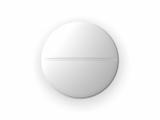
Nexavar (sorafenib) is a multikinase inhibitor indicated for the treatment of unresectable hepatocellular carcinoma, advanced renal cell carcinoma, and locally advanced or metastatic, progressive, differentiated thyroid carcinoma refractory to radioactive iodine. Sorafenib inhibits multiple intracellular and cell surface kinases, including Raf kinases, VEGFR‑1, VEGFR‑2, VEGFR‑3, PDGFR‑beta, KIT, and FLT‑3, which are involved in tumour cell proliferation and tumour angiogenesis. By blocking these signalling pathways, Nexavar slows tumour growth and reduces tumour vascularization. It is an oral targeted therapy and is not a traditional cytotoxic chemotherapy agent.
Usual adult dose: The recommended dose is 400 mg (two 200 mg tablets) taken orally twice daily, on an empty stomach (at least 1 hour before or 2 hours after a meal). The total daily dose is 800 mg. Treatment should continue as long as clinical benefit is observed or until unacceptable toxicity occurs. If a dose is missed, the patient should take the next dose at the usual time; two doses must not be taken at the same time. Dose modifications may be required for adverse reactions. For persistent or significant toxicity, treatment may be temporarily interrupted and, when resumed, the dose may be reduced to 400 mg once daily; if further reduction is needed, 400 mg every other day may be considered. In patients with hepatic or renal impairment, no initial dose adjustment is recommended, but close monitoring is advised; in severe hepatic impairment, sorafenib should be used with caution because exposure may be increased. Sorafenib tablets should be swallowed whole with water.
Dosage form: Film‑coated tablets: 200 mg (red, round, biconvex, debossed with "200" on one side and "NAT" on the other). Available in bottles of 120 tablets.
Onset of action: Steady‑state plasma concentrations are reached within 7 days of continuous twice‑daily dosing. Antitumour activity is assessed radiographically after 2 to 3 months of therapy; progression‑free survival benefit varies depending on tumour type and patient characteristics.
Duration of action: The elimination half‑life of sorafenib is approximately 25 to 48 hours, supporting continuous twice‑daily dosing without a drug‑free interval. The pharmacodynamic effect is maintained as long as therapy is continued.
Alcohol recommendation: Alcohol should be avoided during treatment with Nexavar. Alcohol is hepatically metabolized and may compound the risk of liver injury, especially in patients with hepatocellular carcinoma or pre‑existing liver dysfunction. Heavy alcohol intake can also worsen dehydration, gastrointestinal irritation, and impair overall tolerance to the medication.
Most common side effects: Diarrhea, fatigue, hand‑foot skin reaction (palmar‑plantar erythrodysesthesia), rash, alopecia, hypertension, nausea, vomiting, abdominal pain, and loss of appetite. Hand‑foot skin reaction is frequent and can be disabling; patients should be counselled on preventive skin care, including moisturizing, avoiding hot water and friction, and reporting early signs of redness or blistering. Hypertension is a common vascular effect and may require antihypertensive therapy; blood pressure should be monitored weekly during the first 6 weeks of treatment and periodically thereafter. Rare but serious adverse events include cardiac ischemia or myocardial infarction, bleeding, gastrointestinal perforation, wound healing complications, and hepatic failure. Sorafenib can cause QT interval prolongation; caution is required in patients with a history of QT prolongation or those taking other QT‑prolonging drugs. Liver function tests should be monitored regularly, especially in patients with underlying liver disease. Hypothyroidism may occur in patients with thyroid cancer; thyroid function should be checked before and during treatment. Women of childbearing potential must use effective contraception during treatment and for at least 6 months after the last dose, as sorafenib may cause fetal harm. Nexavar is available only by prescription and must be initiated and supervised by a healthcare professional experienced in oncology.
Would you like to try Nexavar (Sorafenib) without a prescription?

Buy Generic Nexavar (Sorafenib) without prescription in Canada
At our pharmacy, you can buy Nexavar without a prescription, with discreet and anonymous packaging delivered within 5-14 days across Canada.
What is Nexavar?
Nexavar is a targeted cancer therapy. The active ingredient is sorafenib, a multikinase inhibitor that blocks several enzymes involved in tumour growth and blood vessel formation. It is used to treat three types of cancer: advanced kidney cancer (renal cell carcinoma), liver cancer that cannot be removed by surgery (hepatocellular carcinoma), and a type of thyroid cancer that has stopped responding to radioactive iodine. Sorafenib doesn't cure these cancers, but it can slow their progression, shrink tumours in some patients, and extend life. It works by interfering with signals that tell cancer cells to divide and by cutting off the blood supply that feeds tumours.
Nexavar is not chemotherapy. It's an oral tablet taken twice a day, every day, as long as it keeps working and the side effects are tolerable. The standard dose is 400 mg, taken as two 200 mg tablets, twice daily. That means a total of four 200 mg tablets per day. The tablets come in a single strength: 200 mg. The dose may be reduced if side effects become too intense, but the starting dose is always 400 mg twice daily. The response to treatment is usually assessed after two to three months with imaging scans.
Mechanism and Pharmacology
Sorafenib is a small molecule that inhibits multiple kinases. Kinases are enzymes that add phosphate groups to proteins, a key step in many signalling pathways. In cancer, these pathways are often overactive, driving uncontrolled growth. Sorafenib blocks several receptor tyrosine kinases on the surface of cancer cells and on the endothelial cells that line blood vessels. The most important targets are vascular endothelial growth factor receptors (VEGFR-2 and VEGFR-3), platelet-derived growth factor receptor beta (PDGFR-beta), and Raf kinases, particularly the B-Raf and C-Raf isoforms. By blocking VEGFR and PDGFR, sorafenib reduces angiogenesis, the formation of new blood vessels that tumours need to grow. By blocking Raf, it directly suppresses the proliferation of cancer cells.
The drug is absorbed slowly after oral administration, with peak plasma levels reached in about 3 hours. Bioavailability is about 38 to 49 percent. Food, especially a high-fat meal, reduces absorption, so the tablets are taken on an empty stomach, at least 1 hour before or 2 hours after a meal. Sorafenib is metabolized primarily in the liver by CYP3A4 and by glucuronidation via UGT1A9. The half-life is about 25 to 48 hours. It reaches steady-state levels in about 7 days. Excretion is mainly in feces, with a smaller amount in urine. The dose does not need adjustment for age or mild to moderate kidney impairment, but liver function and blood pressure must be monitored closely because sorafenib can be hepatotoxic and can cause hypertension.
How to Use Nexavar
The standard dose is 400 mg taken twice daily. This means two 200 mg tablets in the morning and two 200 mg tablets in the evening. Swallow the tablets whole with water. Do not crush, chew, or split them. Take them on an empty stomach, at least 1 hour before eating or 2 hours after a meal. This is not a flexible suggestion. Food, especially fat, reduces absorption and lowers the drug levels in your blood, making the treatment less effective. Stick to the timing. A common schedule is to take the morning dose when you wake up, wait an hour, then eat breakfast, and take the evening dose two hours after dinner.
If you miss a dose, skip it and take the next one at the regular time. Do not double the dose. If you vomit after taking the tablets, do not take extra tablets. Just continue with the next scheduled dose. The dose may be reduced by your doctor if you develop certain side effects. A common reduced dose is 400 mg once daily, or 200 mg twice daily, or sometimes 200 mg once daily. The goal is to find the highest dose you can tolerate without severe toxicity. Never change the dose on your own. Blood pressure must be checked regularly, usually weekly during the first six weeks, then less often. Liver function tests are also monitored frequently. If your blood pressure rises, you may need an antihypertensive medication; sorafenib is often continued while blood pressure is controlled.
Side Effects of Nexavar
The side effects are significant, but most are manageable. Hand-foot skin reaction is the most common and often the most bothersome. It causes redness, swelling, blistering, and peeling on the palms of the hands and soles of the feet. It can make walking or using your hands painful. Preventative measures include keeping the skin moisturized with a thick emollient, avoiding hot water, and wearing cushioned footwear. If it becomes severe, your doctor may reduce the dose or temporarily stop the drug. Diarrhea is also very common. It can lead to dehydration and electrolyte imbalances. Loperamide (Imodium) may be used, and fluid intake must be increased. Fatigue is frequent and can be profound. Some patients describe it as a bone-deep tiredness that rest doesn't fix. Skin rash, itching, and dry skin occur. Hair thinning may happen but is usually mild. High blood pressure develops in about a third of patients and requires monitoring and treatment. Bleeding is a risk, especially in patients with liver cancer or those taking anticoagulants. Liver toxicity can occur, with elevated liver enzymes and, rarely, severe hepatitis. Symptoms include yellowing of the skin, dark urine, and severe abdominal pain. If these appear, stop the drug and call your doctor immediately.
High-Risk Groups (Elderly, Pregnancy)
Pregnancy. Sorafenib is pregnancy category D. It can cause serious birth defects and fetal death. It should never be used during pregnancy. Women of childbearing age must use effective contraception during treatment and for at least six months after the last dose. Men taking sorafenib should also use contraception, as the drug may be present in semen. If pregnancy occurs, the patient must be informed of the risk to the fetus. Breastfeeding is contraindicated while taking sorafenib. The drug may pass into breast milk and harm the infant.
Elderly patients can use sorafenib without dose adjustment for age alone. However, older adults are more likely to have other health problems that complicate treatment. Liver and kidney function may be reduced, and blood pressure may be harder to control. Careful monitoring is essential. Patients with significant liver impairment, especially Child-Pugh class C, should not take sorafenib because the drug is metabolized by the liver and can accumulate to toxic levels. For Child-Pugh A or B, the drug may be used with caution and dose adjustment. Kidney impairment does not require dose adjustment for mild to moderate disease, but in severe renal impairment or dialysis, there is limited data and caution is advised. Patients with a history of heart disease, uncontrolled hypertension, or bleeding disorders need special attention. Sorafenib can worsen these conditions. A thorough cardiac evaluation is often recommended before starting.
Interaction With Activities (Driving, Alcohol)
Nexavar can cause fatigue, dizziness, and blurred vision. These effects can impair your ability to drive or operate machinery. If you feel tired or your vision is off, don't drive. The fatigue can come on suddenly and be severe. Alcohol should be limited or avoided. Sorafenib is metabolized by the liver, and alcohol adds to the liver's workload. Heavy drinking increases the risk of liver damage. The combination can also worsen dehydration from diarrhea and make fatigue worse. If you drink, keep it light and be honest with your oncologist about your intake.
Drug Interactions
Sorafenib is metabolized by CYP3A4 and UGT1A9. Drugs that strongly induce CYP3A4 can lower sorafenib levels and reduce its effectiveness. These include rifampin, phenytoin, carbamazepine, and St. John's Wort. Avoid these if possible. Strong CYP3A4 inhibitors, like ketoconazole, itraconazole, and clarithromycin, can increase sorafenib levels, raising the risk of side effects. The combination is not absolutely contraindicated, but it should be used with caution and only if necessary. Warfarin and other anticoagulants increase the risk of bleeding when used with sorafenib. INR should be monitored closely. Sorafenib can also increase levels of drugs metabolized by CYP2C9, such as phenytoin, but this is less common. Neomycin, an antibiotic that kills gut bacteria, can reduce the absorption of sorafenib and lower its levels. Avoid taking neomycin if possible. Always tell your oncologist about every medication, supplement, and herbal product you take before starting Nexavar.
Alternative Options
For advanced kidney cancer, other targeted therapies include sunitinib (Sutent), pazopanib (Votrient), axitinib (Inlyta), and cabozantinib (Cabometyx). Immunotherapy with checkpoint inhibitors like nivolumab (Opdivo) or pembrolizumab (Keytruda) is now often used, sometimes in combination with targeted therapy. For liver cancer, lenvatinib (Lenvima) is another first-line option, and regorafenib (Stivarga) is used after sorafenib. For thyroid cancer, lenvatinib and cabozantinib are alternatives. The choice depends on the cancer type, the patient's other health conditions, and previous treatments. Sorafenib was a pioneer in targeted therapy and is still widely used, especially in regions where newer drugs are less accessible. It is not the only option, but it is a well-studied, effective oral treatment for several difficult cancers.
INN, Brand Names, and Classification in Canada
INN (International Nonproprietary Name): Sorafenib tosylate
Available brand names in Canada: Nexavar, and generic sorafenib
ATC code: L01EX02
Forms and strengths: Film-coated tablets 200 mg. The standard dose is 400 mg (two 200 mg tablets) twice daily.
Manufacturers: Bayer Inc. (Nexavar), and diverse generic manufacturers including Apotex Inc. and Teva Canada Limited.
Registration status in Canada: Registered
Classification: Prescription (Rx)
Frequently Asked Questions
Why must I take Nexavar on an empty stomach?
Food, especially a fatty meal, reduces the amount of drug your body absorbs by up to 30 percent. Taking it on an empty stomach ensures you get the full dose and the best chance of the treatment working. Take it at least 1 hour before or 2 hours after meals.
What is hand-foot skin reaction?
It's a side effect that causes redness, swelling, blistering, and peeling on the palms of the hands and soles of the feet. It can be painful. Keep your skin moisturized, avoid hot water, and wear cushioned socks and shoes. Tell your doctor if it becomes severe; the dose may be reduced.
How long will I need to take Nexavar?
For as long as it keeps the cancer under control and you can tolerate the side effects. This can be months or sometimes years. Regular scans will monitor the tumour's response. If the cancer progresses or side effects become unmanageable, your oncologist will switch you to a different therapy.
Will I lose my hair?
Hair thinning can happen, but it's usually mild and not like the total hair loss seen with chemotherapy. It may become patchy or just thinner than usual. It usually grows back after treatment stops.
Can I take Nexavar if I have high blood pressure?
Your blood pressure will be monitored closely. If it rises during treatment, your doctor will give you medication to control it. Sorafenib is often continued while blood pressure is managed. Uncontrolled hypertension before starting may need to be addressed first.
Delivery Information Across Canada
We ship Nexavar and generic sorafenib to all provinces and territories. Delivery times vary depending on how remote your location is:
- Ontario (Toronto, Ottawa, Mississauga): 5 to 7 days
- Quebec (Montreal, Quebec City, Laval): 5 to 7 days
- British Columbia (Vancouver, Victoria, Burnaby): 5 to 9 days
- Alberta (Calgary, Edmonton, Red Deer): 5 to 9 days
- Manitoba (Winnipeg, Brandon): 5 to 9 days
- Saskatchewan (Saskatoon, Regina): 5 to 9 days
- Nova Scotia (Halifax, Sydney): 5 to 9 days
- New Brunswick (Moncton, Fredericton): 5 to 9 days
- Newfoundland and Labrador (St. John's, Corner Brook): 7 to 14 days
- Prince Edward Island (Charlottetown): 7 to 14 days
- Yukon, Northwest Territories, Nunavut: 7 to 14 days
All shipments are packed discreetly with no branding or indication of contents on the outside.


| Shipping method | Delivery time | Price | |
 Delivery Delivery |
14-21 days | 14.95$ | Tracking# available in 4 days |
 Delivery Delivery |
9-14 days | 30$ | Tracking# available in 2 days |
- Shipping worldwide
- Confidentiality and anonymity guarantee
- Safe and secure
- Discrete looking packages
- Dispatch orders within 24 hours
- 100% success delivery


