


 Secure and Reliable
  High quality
  Worldwide shipping
  Bonuses and Discounts
  Money back Guarantee
 - Bestsellers
- Alcoholism
- COVID-19
- Allergy
- Anti Fungal
- Alzheimers
- Anti Viral
- Anti-Depressants
- Anti-Inflammatory
- Antibacterial
- Antiparasitic
- Antibiotics
- Arthritis
- Asthma
- Birth Control
- Blood Pressure
- Cancer
- Cardiovascular
- Cholesterol
- Diabetes
- Diuretics
- Erectile Dysfunction
- Eye Drop
- Gastro Health
- General Health
- Hair Loss
- Hepatitis C Virus (HCV)
- HIV
- Hormones
- Men's ED Packs
- Men's Health
- Mental Illness
- Motion Sickness
- Muscle Relaxant
- Pain Relief
- Parkinson’s Disease
- Veterinary Medicines
- Quit Smoking
- Vitamins
- Skin Care
- Sleeping Aids
- Weight Loss
- Women's Health
Generic Nimotop ( Nimodipine )
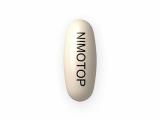
Buy Generic Nimotop (Nimodipine) without prescription in Canada
In our Canadian pharmacy, you can buy Nimotop (Nimodipine) without a prescription, with delivery across Canada within 5-14 days. Discreet and anonymous packaging.
Nimotop (nimodipine) is a dihydropyridine calcium channel blocker used specifically to prevent and treat cerebral vasospasm, a dangerous narrowing of brain arteries that can occur after an aneurysmal subarachnoid haemorrhage (bleeding around the brain). It works by selectively relaxing the smooth muscle of cerebral blood vessels, improving blood flow to the brain and reducing the risk of severe neurological deficits and death caused by vasospasm. Unlike other calcium channel blockers, nimodipine has a high affinity for cerebral arteries, which is why it is used solely for this neurological emergency and not for general hypertension.
Usual adult dose: The recommended regimen is two 30 mg capsules (total 60 mg) taken orally every 4 hours, around the clock, for 21 consecutive days. Treatment should begin within 96 hours of the subarachnoid haemorrhage. The capsules must be swallowed whole with a glass of water. If the patient is unable to swallow, the capsule can be punctured at one end and the contents extracted with a syringe and administered via a nasogastric tube. Grapefruit juice must be avoided during therapy. The dose should not be reduced or interrupted unless directed by a physician; a missed dose should be skipped and the regular schedule resumed without doubling up.
Dosage form: Soft gelatin oral capsule, 30 mg. Each capsule contains a yellow, viscous liquid. The product is supplied in blister packs.
Onset of action: Nimodipine is rapidly absorbed, with peak plasma concentrations reached within 30 to 60 minutes of an oral dose. The cerebroprotective effect begins within hours, but the full benefit in reducing vasospasm-related neurological deficits is assessed over the 21-day course.
Duration of action: The elimination half-life of nimodipine is approximately 1 to 2 hours, but its clinical effect on cerebral vessels persists with continuous dosing every 4 hours. Steady-state plasma levels are maintained throughout the 21-day treatment period.
Alcohol recommendation: Alcohol consumption must be strictly avoided during treatment with Nimotop. Alcohol can potentiate the blood-pressure-lowering effect of the medication, causing dizziness or fainting, and may interfere with the drug’s ability to protect the brain from vasospasm. Grapefruit juice should also be avoided.
Most common side effects: Hypotension (low blood pressure), headache, nausea, and bradycardia (slow heart rate). These effects are generally mild and reversible. Rare but serious adverse reactions include ileus (paralysis of the bowel), liver enzyme elevations, and, when given intravenously, severe hypotension.
Would you like to try Nimotop (Nimodipine) without a prescription?
General Information about Nimotop (Nimodipine)
- INN (International Nonproprietary Name): Nimodipine
- Brand names available in Canada: Nimotop® (Bayer Inc.) is the original brand-name product. Generic versions of nimodipine are available as soft gelatin capsules from various manufacturers, including APO-Nimodipine (Apotex Inc.) and others.
- ATC code: C08CA06 (nimodipine; dihydropyridine calcium channel blockers, selective for cerebral vessels)
- Dosage forms and strengths: Soft gelatin oral capsule, 30 mg. The capsule contains a yellow liquid fill. It is not available in any other oral strength.
- Manufacturers in Canada: Bayer Inc. (Nimotop), Apotex Inc., and other generic pharmaceutical companies.
- Registration status in Canada: Approved by Health Canada. Marketed. DIN: 00877411 (Nimotop 30 mg). First approved in Canada in 1990.
- OTC / Rx classification: Prescription only (Rx). Schedule I drug under the Controlled Drugs and Substances Act. A valid prescription from a licensed Canadian healthcare professional is required.
Mechanism of Action and Pharmacology
Nimodipine is a 1,4-dihydropyridine calcium channel antagonist that exerts its primary pharmacological effect by blocking the influx of calcium ions through L-type voltage-gated calcium channels in vascular smooth muscle cells. Although nimodipine is a member of the dihydropyridine class, which includes potent peripheral vasodilators such as nifedipine, it is unique in its high lipophilicity and its selectivity for cerebral arteries. This selectivity allows it to cross the blood-brain barrier and preferentially dilate the small resistance vessels in the brain. After a subarachnoid haemorrhage, the presence of blood breakdown products in the cerebrospinal fluid triggers a complex inflammatory cascade that leads to sustained constriction of cerebral arteries, known as cerebral vasospasm. Vasospasm can cause delayed cerebral ischaemia, resulting in severe neurological deficits or death. Nimodipine’s ability to relax these constricted vessels improves collateral blood flow and protects vulnerable brain tissue, reducing the incidence of poor neurological outcomes and mortality by approximately 30-40%. Unlike other calcium channel blockers, nimodipine has only minimal effects on systemic blood pressure at therapeutic doses, making it suitable for use in patients with acute subarachnoid haemorrhage who may already be hypotensive.
After oral administration, nimodipine is rapidly and completely absorbed. However, it undergoes extensive first-pass hepatic metabolism, primarily by cytochrome P450 3A4 (CYP3A4), resulting in a low absolute bioavailability of about 10-13%. Peak plasma concentrations occur within 30-60 minutes. The drug is more than 95% bound to plasma proteins. The elimination half-life of the parent drug is 1-2 hours, but because of its rapid clearance, it is administered every 4 hours to maintain adequate cerebral concentrations. The metabolites are excreted mainly in the urine, with a small fraction in the faeces. Nimodipine is a substrate of CYP3A4; therefore, inhibitors and inducers of this enzyme can significantly alter its plasma levels. Grapefruit juice is a known CYP3A4 inhibitor and must be avoided. In patients with hepatic cirrhosis, the bioavailability and half-life of nimodipine are markedly increased, and dose reduction may be necessary if hypotension occurs.
Indications
- Prophylactic treatment of ischaemic neurological deficits caused by cerebral vasospasm following an aneurysmal subarachnoid haemorrhage. Nimodipine reduces the incidence of severe neurological deficits and death from vasospasm. Treatment should be initiated within 96 hours of the haemorrhage and continued for 21 days.
- Nimotop is not indicated for the treatment of acute hypertension, chronic stable angina, or other cardiovascular conditions. It is not a substitute for surgical or endovascular treatment of the ruptured aneurysm. It is not recommended for use in children, as safety and efficacy have not been established in paediatric patients.
Important Warnings and Precautions
At-risk groups
- Pregnancy: Nimodipine should be used during pregnancy only if the potential benefit clearly outweighs the potential risk to the foetus. There are no adequate and well-controlled studies in pregnant women. In animal studies, high doses of nimodipine have been associated with embryotoxicity and teratogenicity. Women of childbearing potential should use effective contraception during treatment.
- Breastfeeding: It is not known whether nimodipine is excreted in human breast milk. Because of the potential for serious adverse reactions in a nursing infant, breastfeeding is not recommended during treatment. A decision must be made whether to discontinue breastfeeding or to discontinue the drug.
- Paediatrics (< 18 years): Safety and efficacy in children have not been established. Nimotop is not indicated for use in paediatric patients.
- Elderly: No specific dose adjustment is required based on age alone. However, elderly patients may be more susceptible to the hypotensive effects of nimodipine, and blood pressure should be monitored closely. Lower starting doses are not recommended; the standard 60 mg every 4 hours regimen is used, but dose reduction may be needed if hypotension develops.
- Hepatic impairment: Nimodipine is extensively metabolised by the liver. In patients with cirrhosis or severe hepatic impairment, bioavailability is significantly increased, and the elimination half-life is prolonged, leading to higher plasma concentrations and an increased risk of hypotension. Blood pressure should be monitored frequently. If hypotension occurs, the dose may need to be reduced to 30 mg every 4 hours or the drug discontinued. Grapefruit juice must be avoided.
- Renal impairment: No dose adjustment is required for patients with mild to moderate renal impairment, as nimodipine is not significantly cleared by the kidneys. In severe renal failure, caution is advised, and the patient should be monitored for adverse effects.
- Hypotension: Nimodipine can cause clinically significant drops in blood pressure. Blood pressure should be monitored throughout therapy, especially during the first few hours after a dose. In patients with pre-existing hypotension or those receiving other antihypertensives, nimodipine should be used with caution. If systolic blood pressure falls below 90-100 mm Hg, the dose may be reduced or the drug temporarily withheld, as directed by the treating neurosurgeon or neurologist.
- Cardiovascular disease: Although nimodipine has minimal negative inotropic effect, it should be used with caution in patients with severe left ventricular dysfunction, aortic stenosis, or unstable angina. Nimodipine is not recommended for patients with a recent myocardial infarction (within 1 month) or unstable angina.
- Intestinal pseudo-obstruction and ileus: Cases of ileus and intestinal pseudo-obstruction have been reported in patients receiving nimodipine, particularly when the drug is administered via a nasogastric tube and the capsule contents are not properly dispersed. Patients should be monitored for abdominal distension, vomiting, and constipation. If ileus develops, nimodipine should be discontinued.
- Allergy: Do not take Nimotop if you have a known hypersensitivity to nimodipine, other dihydropyridine calcium channel blockers, or any excipient in the capsule (which includes glycerol, peppermint oil, and polyethylene glycol).
Driving and alcohol
Nimotop may cause dizziness, hypotension, and, in some patients, confusion or fatigue, particularly at the start of therapy. Patients should not drive, operate heavy machinery, or engage in hazardous activities while taking this medication. Alcohol must be strictly avoided because it can intensify the hypotensive effects of nimodipine and may increase the risk of fainting and falls. Additionally, alcohol can interfere with the liver’s metabolism of nimodipine, potentially increasing drug levels and toxicity. Grapefruit juice must also be avoided for similar reasons.
Dosage Instructions
- Standard regimen: Two 30 mg capsules (total 60 mg) taken orally every 4 hours, around the clock, for 21 consecutive days. Treatment should be initiated as soon as possible, ideally within 96 hours of the aneurysmal subarachnoid haemorrhage. The capsules should be swallowed whole with a glass of water; they should not be chewed or crushed. The regimen must be strictly followed; missing doses or interrupting therapy can compromise the protective effect against vasospasm.
- Administration for patients who cannot swallow: The capsule can be punctured with a sterile needle at one end and the liquid contents drawn into a syringe. The liquid can then be administered via a nasogastric tube, followed by a flush of 30 mL of water. The contents of the capsule must not be mixed with any other liquid or food. The nasogastric tube should be flushed before and after each dose. The 30 mg capsule dose should not be split.
- Dose adjustments: If hypotension (systolic BP < 90 mm Hg) develops, the dose may be reduced to 30 mg every 4 hours, or therapy may be temporarily interrupted. In patients with severe hepatic cirrhosis, the standard dose may cause excessive hypotension; blood pressure monitoring is essential, and a dose reduction to 30 mg every 4 hours may be considered if needed.
- Missed dose: If a dose is missed, it should be skipped entirely and the next dose taken at the regularly scheduled time. Do not double the dose to make up for a missed one. The therapeutic regimen relies on continuous coverage, so every effort should be made to administer all doses on time.
- Concomitant medications: Strong CYP3A4 inhibitors (e.g., ketoconazole, itraconazole, clarithromycin, ritonavir) and grapefruit juice should be avoided during nimodipine therapy, as they can significantly increase plasma nimodipine levels and the risk of hypotension. If co-administration of a CYP3A4 inhibitor is clinically unavoidable, blood pressure must be monitored closely, and a dose reduction of nimodipine may be necessary.
Side Effects and Contraindications
- Very common side effects (≥ 10%): Hypotension (low blood pressure) and headache.
- Common side effects (1-10%): Nausea, bradycardia (slow heart rate), tachycardia (fast heart rate), and flushing. Vasodilatation (warmth and redness of the skin) may occur.
- Less common but serious side effects: Ileus (paralysis of the bowel, presenting as abdominal distension, vomiting, and absence of bowel movements), intestinal pseudo-obstruction, and elevated liver enzymes. Hypotension can be severe and may require dose reduction or discontinuation. Rarely, anaphylactic reactions and angioedema have been reported. Thrombocytopenia (low platelet count) has been observed in a few cases.
- Contraindications: Known hypersensitivity to nimodipine, other dihydropyridine calcium channel blockers, or any component of the capsule. Unstable angina or a myocardial infarction within the preceding month. Severe hypotension (systolic blood pressure < 90 mm Hg). Concomitant use with rifampicin (a strong CYP3A4 inducer) significantly reduces nimodipine plasma levels and should be avoided. Pregnancy and breastfeeding (relative contraindications).
Drug Interactions
- Strong CYP3A4 inhibitors — major interaction: Drugs such as ketoconazole, itraconazole, fluconazole, clarithromycin, erythromycin, ritonavir, nelfinavir, and grapefruit juice are potent inhibitors of CYP3A4 and can dramatically increase nimodipine plasma concentrations, leading to severe hypotension. These agents should be avoided during nimodipine therapy. If a macrolide antibiotic is necessary, azithromycin (which has minimal CYP3A4 interaction) is preferred. If co-administration is unavoidable, nimodipine dose reduction and close blood pressure monitoring are mandatory.
- Strong CYP3A4 inducers — major interaction: Rifampicin, rifabutin, carbamazepine, phenytoin, phenobarbital, and St. John’s wort are potent inducers of CYP3A4 and can reduce nimodipine levels to subtherapeutic concentrations, potentially negating its protective effect against vasospasm. Concomitant use should be avoided.
- Other antihypertensives — additive hypotension: When nimodipine is combined with other blood-pressure-lowering agents, including beta-blockers, ACE inhibitors, diuretics, and alpha-blockers, additive hypotensive effects may occur. Blood pressure should be monitored, and the dose of the concomitant antihypertensive may need to be reduced.
- Cimetidine and valproic acid — increased nimodipine levels: Cimetidine and valproic acid are moderate CYP3A4 inhibitors that can increase nimodipine exposure; caution is advised.
- Alcohol — major interaction: Alcohol can potentiate the hypotensive and central nervous system side effects of nimodipine. Alcohol must be avoided. Grapefruit juice is also a strong CYP3A4 inhibitor and must be avoided.
- Nimodipine and other calcium channel blockers: There is no clinical experience with the combination of nimodipine and other dihydropyridine calcium channel blockers; such combinations are not recommended because of the risk of excessive hypotension.
Practical Advice
- Administration: Take Nimotop capsules exactly as prescribed, every 4 hours, without missing a dose. Swallow the capsule whole with a glass of water; do not chew or crush it. If the patient cannot swallow, the capsule contents may be extracted and given through a nasogastric tube. Never mix the capsule contents with other liquids or food. Avoid grapefruit and grapefruit juice entirely. If a dose is missed, skip it and continue with the regular schedule. Do not stop taking Nimotop without the express direction of the neurosurgeon or neurologist in charge of the patient’s care.
- Monitoring: Blood pressure should be checked before each dose and at regular intervals during therapy, particularly during the first few days and after any dose adjustment. Liver function tests should be performed at baseline and periodically during the 21-day course. Patients should be monitored for signs of ileus (abdominal distension, vomiting, constipation) and for any worsening of neurological status, which could indicate vasospasm despite therapy. In patients with hepatic cirrhosis, blood pressure and liver enzymes should be monitored more frequently.
- Storage: Store at room temperature (15-30 °C) in the original blister pack, protected from light and moisture. Do not freeze. Keep out of the reach and sight of children.
- Lifestyle: During the 21-day treatment period, the patient will typically be hospitalised in a neurosurgical intensive care or step-down unit. After discharge, if treatment continues at home, a caregiver should supervise all medication administration. Maintain adequate hydration, avoid alcohol, and follow the neurosurgeon’s instructions regarding activity, blood pressure management, and follow-up imaging. If the patient experiences dizziness or fainting, they should lie down and contact the treating physician immediately.
- When to seek medical review: Contact the neurosurgeon or go to the nearest emergency department immediately if the patient develops severe hypotension (systolic BP < 90 mm Hg with symptoms), a very slow or irregular heartbeat, severe abdominal pain or distension with vomiting, signs of a new neurological deficit (weakness, speech difficulty, confusion), or signs of a severe allergic reaction (swelling of the face, tongue, or throat, difficulty breathing).
- Disposal: Return unused or expired capsules to a pharmacy for safe disposal. Do not flush down the toilet or discard in household waste.
Alternative Medications
- Nimodipine is the only calcium channel blocker proven to reduce the risk of cerebral vasospasm following aneurysmal subarachnoid haemorrhage, and it remains the standard of care for this specific indication. There are no oral alternatives that have demonstrated equivalent cerebroprotective efficacy. In some centres, intravenous nicardipine or intravenous milrinone may be used as rescue therapy for established vasospasm, but these agents are not substitutes for oral nimodipine prophylaxis. The choice of nimodipine is based on its unique lipophilicity and cerebral selectivity. Treatment of the underlying ruptured aneurysm by surgical clipping or endovascular coiling is essential and is not replaced by nimodipine.
- Non-pharmacological measures: Maintaining adequate cerebral perfusion pressure, euvolemia, and avoiding hypotension are critical supportive measures. Triple-H therapy (hypertension, hypervolemia, haemodilution) has been used historically for vasospasm but is now reserved for selected cases under strict monitoring. Early aneurysm repair and intensive neurological monitoring are fundamental to the management of subarachnoid haemorrhage.
Clinical Efficacy
The efficacy of nimodipine in reducing the incidence of cerebral vasospasm-related neurological deficits and death was established in several randomised, double-blind, placebo-controlled clinical trials. A landmark British Aneurysm Nimodipine Trial demonstrated that nimodipine 60 mg every 4 hours for 21 days reduced the incidence of cerebral infarction and poor neurological outcome by approximately 40% compared with placebo in patients with aneurysmal subarachnoid haemorrhage. A subsequent meta-analysis of multiple trials confirmed a statistically significant reduction in the risk of severe neurological deficits (including persistent vegetative state and death) with nimodipine, with a number needed to treat (NNT) of about 10 to prevent one poor outcome. The benefit is most pronounced when treatment is started within 96 hours of the haemorrhage. The 30 mg capsule is the sole oral formulation, with a total daily dose of 360 mg (12 capsules). The drug does not have a meaningful effect on systemic blood pressure at this dose in most patients, which is a key advantage in this critically ill population. Because of the strong evidence, nimodipine is recommended in all major international guidelines for the management of aneurysmal subarachnoid haemorrhage, including those of the American Heart Association/American Stroke Association and the Canadian Stroke Best Practices.
Important:
Nimotop (nimodipine) is a prescription medication that must be used under the supervision of a neurosurgeon or neurologist experienced in the management of subarachnoid haemorrhage. It is indicated only for the prevention of cerebral vasospasm following aneurysmal subarachnoid haemorrhage and is not a general antihypertensive. The 4-hour dosing regimen must be followed strictly; missed doses can compromise the protective effect. This drug can cause significant hypotension, particularly when combined with other blood-pressure-lowering agents or CYP3A4 inhibitors. Grapefruit juice must be avoided. Alcohol is strictly contraindicated. In patients with liver disease, nimodipine levels can be markedly elevated, and the dose may need to be reduced. If the patient develops severe abdominal pain, vomiting, or failure to pass stool, ileus may be present, and the drug should be discontinued. This medication is not a substitute for definitive aneurysm repair (surgical clipping or endovascular coiling). This information is not a substitute for professional medical advice, diagnosis, or treatment.


| Shipping method | Delivery time | Price | |
 Delivery Delivery |
14-21 days | 14.95$ | Tracking# available in 4 days |
 Delivery Delivery |
9-14 days | 30$ | Tracking# available in 2 days |
- Shipping worldwide
- Confidentiality and anonymity guarantee
- Safe and secure
- Discrete looking packages
- Dispatch orders within 24 hours
- 100% success delivery


