


 Secure and Reliable
  High quality
  Worldwide shipping
  Bonuses and Discounts
  Money back Guarantee
 - Bestsellers
- Alcoholism
- COVID-19
- Allergy
- Anti Fungal
- Alzheimers
- Anti Viral
- Anti-Depressants
- Anti-Inflammatory
- Antibacterial
- Antiparasitic
- Antibiotics
- Arthritis
- Asthma
- Birth Control
- Blood Pressure
- Cancer
- Cardiovascular
- Cholesterol
- Diabetes
- Diuretics
- Erectile Dysfunction
- Eye Drop
- Gastro Health
- General Health
- Hair Loss
- Hepatitis C Virus (HCV)
- HIV
- Hormones
- Men's ED Packs
- Men's Health
- Mental Illness
- Motion Sickness
- Muscle Relaxant
- Pain Relief
- Parkinson’s Disease
- Veterinary Medicines
- Quit Smoking
- Vitamins
- Skin Care
- Sleeping Aids
- Weight Loss
- Women's Health
Generic One-Alpha ( Alfacalcidol )
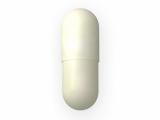
One-Alpha (alfacalcidol) is a synthetic vitamin D analogue indicated for the management of hypocalcemia and renal osteodystrophy in patients with chronic renal failure, and for the treatment of secondary hyperparathyroidism in patients undergoing dialysis. It is also used in the management of osteoporosis and certain disorders of calcium metabolism where active vitamin D is required. Alfacalcidol is a prodrug that is rapidly converted in the liver to calcitriol, the active form of vitamin D, which increases intestinal absorption of calcium and phosphate, promotes bone mineralization, and suppresses parathyroid hormone secretion. One-Alpha is available only by prescription in Canada.
Usual adult dose: The recommended starting dose is 0.25 mcg taken orally once daily, preferably in the morning. The dose may be increased gradually by 0.25 mcg per day at intervals of 2 to 4 weeks, based on serum calcium, phosphate, alkaline phosphatase, and parathyroid hormone levels. The usual maintenance dose ranges from 0.25 mcg to 1 mcg once daily. The 0.25 mcg strength is used for initiation and fine dose titration. Elderly patients or those with hepatic impairment may require lower starting doses. Serum calcium should be monitored regularly, and treatment should be interrupted if hypercalcemia develops. If a dose is missed, it should be taken as soon as remembered, but two doses must not be taken on the same day.
Dosage form: Oral capsules or tablets: 0.25 mcg (as alfacalcidol). Other available strengths include 0.5 mcg and 1 mcg. One-Alpha is also available as an oral solution in some markets. The 0.25 mcg capsule is the standard starting strength for adults.
Onset of action: Alfacalcidol is rapidly absorbed, with peak plasma concentrations of the active metabolite calcitriol occurring within 8 to 12 hours. Improvement in serum calcium levels may be seen within 2 to 5 days of starting therapy, but full correction of hypocalcemia and suppression of parathyroid hormone may require several weeks of dose titration.
Duration of action: The biological effect of a single dose persists for approximately 24 to 48 hours, supporting once-daily dosing. The elimination half-life of calcitriol is approximately 5 to 8 hours, but the pharmacodynamic actions on bone and intestine are prolonged. Continuous daily administration is required to maintain normal calcium balance.
Alcohol recommendation: No direct interaction between alfacalcidol and alcohol has been established. However, excessive alcohol consumption may impair bone metabolism and liver function, potentially reducing the conversion of alfacalcidol to its active form. Moderation is advisable, and patients with chronic liver disease should consult their healthcare professional.
Most common side effects: Hypercalcemia is the most important adverse effect and may present with anorexia, nausea, vomiting, constipation, polyuria, polydipsia, weakness, confusion, and cardiac arrhythmias. Hyperphosphatemia may also occur, particularly in patients with renal impairment. Serum calcium and phosphate levels should be monitored at baseline and regularly during treatment; the dose should be reduced or interrupted if hypercalcemia develops. Rarely, hypersensitivity reactions such as rash or pruritus may occur. One-Alpha is contraindicated in patients with hypercalcemia, hypervitaminosis D, or known hypersensitivity to alfacalcidol or any component of the formulation. It should be used with caution in patients with renal calculi, atherosclerosis, or cardiac disease because of the risk of vascular calcification. Concurrent use of thiazide diuretics or calcium supplements may increase the risk of hypercalcemia and requires careful monitoring. One-Alpha is not recommended during pregnancy unless clearly necessary, and it is available only by prescription in Canada.
Would you like to try One-Alpha (Alfacalcidol) without a prescription?
Buy Generic One-Alpha (Alfacalcidol) without prescription in Canada
At our pharmacy, you can buy One-Alpha without a prescription, with discreet and anonymous packaging delivered within 5-14 days across Canada.
What is One-Alpha?
One-Alpha is a form of vitamin D used to treat conditions where the body cannot activate vitamin D on its own. The active ingredient is alfacalcidol, which is a synthetic analogue of calcitriol, the active form of vitamin D. Normally, the liver and kidneys convert vitamin D into calcitriol, which then regulates calcium and phosphate absorption and bone metabolism. In people with kidney disease, this conversion is impaired, leading to low calcium, high phosphate, and bone problems. One-Alpha bypasses the kidneys entirely. It is already in a form the body can use. It is prescribed for renal osteodystrophy, the bone disease that accompanies chronic kidney failure, for hypoparathyroidism, where the parathyroid glands do not make enough hormone, and for certain types of rickets and osteomalacia. The 0.25 mcg dose is a low, starting dose, used to carefully raise calcium levels without overshooting. It is a potent medication. Even tiny doses have significant effects on blood calcium. The dose is always individualized and guided by regular blood tests.
Mechanism and Pharmacology
Alfacalcidol is a prodrug. Once it enters the body, it is rapidly converted in the liver to calcitriol, the active hormone. Calcitriol binds to vitamin D receptors in the intestine, bone, and parathyroid glands. In the intestine, it increases the absorption of calcium and phosphate. In bone, it promotes normal mineralization and bone turnover. In the parathyroid glands, it suppresses the production of parathyroid hormone (PTH). In kidney failure, PTH levels rise because the kidneys cannot activate vitamin D and because phosphate is high. This secondary hyperparathyroidism causes bone pain, fractures, and calcium deposits in soft tissues. Alfacalcidol lowers PTH by restoring the vitamin D signal. It also raises serum calcium, which directly suppresses PTH. The 0.25 mcg dose is a starting point. The effect begins within hours and lasts for several days. It is not a daily supplement like cholecalciferol. It is an active hormone, and the dose must be adjusted frequently based on blood calcium and PTH levels.
How to Use One-Alpha
The starting dose is usually 0.25 mcg once daily, but it can be adjusted up or down based on your blood results. Your doctor will tell you exactly how much to take. Take the capsule or liquid with or without food, at the same time each day. Swallow the capsule whole. Do not crush or chew it. If you are using the oral drops, measure carefully with the provided device. Do not use a household spoon. The dose may be increased slowly over weeks or months until your calcium and PTH levels are in the target range. This is not a medication where you can guess. Too much alfacalcidol causes hypercalcemia, which can be dangerous. Too little does not control the bone disease.
Regular blood tests are essential. Your doctor will check serum calcium, phosphate, and PTH frequently when starting and changing the dose, then periodically once stable. The target is usually a normal calcium level and a controlled PTH. If you miss a dose, take it as soon as you remember. If it is almost time for the next dose, skip the missed one. Do not double up. Do not stop taking One-Alpha suddenly, because your calcium will drop and your symptoms may return. If you are taking calcium supplements or phosphate binders, continue them exactly as prescribed, because they work together with alfacalcidol. If you develop symptoms of high calcium, such as nausea, vomiting, constipation, confusion, or excessive thirst, stop the drug and contact your doctor immediately.
Side Effects of One-Alpha
The main side effect is hypercalcemia, high blood calcium. This occurs when the dose is too high or when the body is more sensitive than expected. Early symptoms include loss of appetite, nausea, vomiting, constipation, abdominal pain, and a metallic taste. Later symptoms include confusion, drowsiness, muscle weakness, excessive thirst, and frequent urination. If hypercalcemia is severe, it can cause kidney stones, kidney damage, and heart rhythm problems. This is why blood tests are non-negotiable. If you feel unwell while taking alfacalcidol, especially with nausea and constipation, get your calcium checked. The dose may need to be reduced or paused.
Hyperphosphatemia can also occur, especially in kidney patients, because alfacalcidol increases phosphate absorption. This is managed with phosphate binders taken with meals. Allergic reactions are rare. Skin rash, itching, and headache can occur. Long-term overuse can cause calcification of soft tissues, including blood vessels and kidneys, which is harmful. The goal is not to maximize vitamin D levels but to achieve a normal calcium and controlled PTH. More is not better. Your doctor will find the lowest dose that works for you. The 0.25 mcg strength allows fine adjustments. If you develop kidney stones, bone pain, or unusual tiredness, report it.
High-Risk Groups (Elderly, Pregnancy)
Pregnancy. Alfacalcidol is pregnancy category C. There are no adequate studies in pregnant women. It should be used during pregnancy only if clearly needed, usually in women with hypoparathyroidism or severe vitamin D deficiency that cannot be managed with standard vitamin D. Hypercalcemia during pregnancy can harm the fetus, so careful monitoring is essential. Discuss with your endocrinologist and obstetrician. Breastfeeding. Alfacalcidol passes into breast milk. It should be used while breastfeeding only under medical supervision. The infant's calcium should be monitored if the mother is taking it. Elderly patients are more sensitive to the effects of alfacalcidol and are at higher risk of hypercalcemia. The starting dose may be lower, and kidney function should be assessed. Patients with a history of kidney stones, hypercalcemia, or sarcoidosis should use alfacalcidol with great caution. Those with severe liver disease may not convert alfacalcidol to calcitriol efficiently, though the drug is generally effective in liver disease because the conversion is not the limiting step. A complete medical and medication review is essential.
Interaction With Activities (Driving, Alcohol)
One-Alpha does not cause drowsiness or impair coordination. You can drive and operate machinery normally. Alcohol has no direct interaction with alfacalcidol, but heavy drinking can worsen kidney function and calcium balance, and it can interfere with adherence to the strict medication and diet schedule required for kidney patients. Moderate alcohol is unlikely to cause problems. The drug itself does not affect alertness. The main concern is that if you become hypercalcemic, the confusion and weakness it causes can impair your ability to drive safely. If you feel unwell, do not drive.
Drug Interactions
Alfacalcidol interacts with several drugs that affect calcium and kidney function. Thiazide diuretics, like hydrochlorothiazide, reduce calcium excretion and can worsen hypercalcemia. The combination should be avoided or used with close monitoring. Calcium supplements and calcium-containing antacids add to the calcium-raising effect and should be managed carefully. Digoxin. Hypercalcemia increases the risk of digoxin toxicity, causing dangerous arrhythmias. If you take digoxin, your calcium and digoxin levels must be watched closely. Magnesium-containing antacids can also cause problems in kidney patients. Phosphate binders are used intentionally with alfacalcidol, but the timing matters. They should be taken with meals, separate from alfacalcidol. Corticosteroids can reduce the effect of alfacalcidol by interfering with vitamin D metabolism. Barbiturates and some anticonvulsants, like phenytoin and carbamazepine, can also reduce its effectiveness. Always tell your doctor and pharmacist about all medications and supplements you take, including over-the-counter calcium products.
Alternative Options
Alfacalcidol is one of several active vitamin D analogues. Calcitriol is the natural active hormone and is also available as a medication. It is usually given intravenously or by mouth and has a similar effect. Paricalcitol and doxercalciferol are synthetic vitamin D analogues used in chronic kidney disease, and they may have less effect on raising calcium and phosphate than alfacalcidol. They are often preferred for secondary hyperparathyroidism. For simple vitamin D deficiency in people with normal kidneys, standard vitamin D, either cholecalciferol or ergocalciferol, is used. These are inactive forms that the body converts. For osteoporosis, other drugs like bisphosphonates or denosumab are used alongside vitamin D. The choice of which vitamin D compound to use depends on the kidney function, the calcium level, and the PTH. Alfacalcidol is a good option for patients on dialysis or with advanced kidney disease because it does not require renal activation. It is also used when oral calcitriol is not available or when a lower-cost option is needed. The 0.25 mcg dose is the usual starting point, and it is adjusted frequently.
INN, Brand Names, and Classification in Canada
INN (International Nonproprietary Name): Alfacalcidol
Available brand names in Canada: One-Alpha, and generic alfacalcidol. Calcitriol is a related but distinct active vitamin D product.
ATC code: A11CC03
Forms and strengths: Capsules 0.25 mcg and 0.5 mcg; oral drops. The 0.25 mcg strength is the standard starting dose.
Manufacturers: LEO Pharma Inc. (One-Alpha), and generic manufacturers including Teva Canada Limited and Sandoz Canada Inc.
Registration status in Canada: Registered
Classification: Prescription (Rx)
Frequently Asked Questions
How often will I need blood tests?
Frequently at first. Your doctor will check serum calcium, phosphate, and PTH every 1 to 2 weeks when starting or changing the dose, then less often once stable, perhaps every 1 to 3 months. These tests are the only way to know if the dose is right. Never skip them.
What are the signs of too much calcium?
Nausea, vomiting, constipation, loss of appetite, excessive thirst, frequent urination, confusion, and muscle weakness. If you develop any of these, stop taking alfacalcidol and contact your doctor immediately. Hypercalcemia is the main risk of this medication.
Can I take One-Alpha with my regular vitamin D?
Usually not. Alfacalcidol is an active form of vitamin D. Taking regular vitamin D at the same time can increase the risk of hypercalcemia. Your doctor will tell you whether to continue your regular vitamin D supplement. Do not combine them without medical advice.
Is One-Alpha a steroid?
No, it is not a corticosteroid. It is a vitamin D analogue, a hormone that regulates calcium. The confusion arises because its chemical structure is similar to steroid hormones, but it has completely different effects and side effects.
What if I miss a dose?
Take it as soon as you remember. If it is almost time for the next dose, skip the missed one. Do not double up. Missing an occasional dose is not dangerous, but consistency is important for keeping your calcium and PTH stable. If you miss several doses, tell your doctor, because your calcium may have dropped.
Delivery Information Across Canada
We ship One-Alpha and generic alfacalcidol to all provinces and territories. Delivery times vary depending on how remote your location is:
- Ontario (Toronto, Ottawa, Mississauga): 5 to 7 days
- Quebec (Montreal, Quebec City, Laval): 5 to 7 days
- British Columbia (Vancouver, Victoria, Burnaby): 5 to 9 days
- Alberta (Calgary, Edmonton, Red Deer): 5 to 9 days
- Manitoba (Winnipeg, Brandon): 5 to 9 days
- Saskatchewan (Saskatoon, Regina): 5 to 9 days
- Nova Scotia (Halifax, Sydney): 5 to 9 days
- New Brunswick (Moncton, Fredericton): 5 to 9 days
- Newfoundland and Labrador (St. John's, Corner Brook): 7 to 14 days
- Prince Edward Island (Charlottetown): 7 to 14 days
- Yukon, Northwest Territories, Nunavut: 7 to 14 days
All shipments are packed discreetly with no branding or indication of contents on the outside.


| Shipping method | Delivery time | Price | |
 Delivery Delivery |
14-21 days | 14.95$ | Tracking# available in 4 days |
 Delivery Delivery |
9-14 days | 30$ | Tracking# available in 2 days |
- Shipping worldwide
- Confidentiality and anonymity guarantee
- Safe and secure
- Discrete looking packages
- Dispatch orders within 24 hours
- 100% success delivery


