


 Secure and Reliable
  High quality
  Worldwide shipping
  Bonuses and Discounts
  Money back Guarantee
 - Bestsellers
- Alcoholism
- COVID-19
- Allergy
- Anti Fungal
- Alzheimers
- Anti Viral
- Anti-Depressants
- Anti-Inflammatory
- Antibacterial
- Antiparasitic
- Antibiotics
- Arthritis
- Asthma
- Birth Control
- Blood Pressure
- Cancer
- Cardiovascular
- Cholesterol
- Diabetes
- Diuretics
- Erectile Dysfunction
- Eye Drop
- Gastro Health
- General Health
- Hair Loss
- Hepatitis C Virus (HCV)
- HIV
- Hormones
- Men's ED Packs
- Men's Health
- Mental Illness
- Motion Sickness
- Muscle Relaxant
- Pain Relief
- Parkinson’s Disease
- Veterinary Medicines
- Quit Smoking
- Vitamins
- Skin Care
- Sleeping Aids
- Weight Loss
- Women's Health
Generic Orahelp ( Choline Salicylate/Lignocaine )
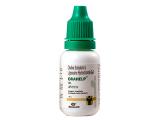
Orahelp is a topical oral gel containing choline salicylate 8.5% and lignocaine hydrochloride 2%. It is indicated for the temporary relief of pain and discomfort associated with mouth ulcers, denture irritation, and minor oral mucosal injuries. Choline salicylate is a non-steroidal anti-inflammatory drug (NSAID) related to aspirin, which reduces pain and inflammation locally, while lignocaine is a local anesthetic that provides rapid numbing of the affected area. Orahelp is applied directly to the lesion and is intended for short-term symptomatic relief only; it does not treat the underlying cause of the ulcer.
Usual adult dose: Apply a small amount of gel (approximately the size of a pea) directly to the affected area of the mouth using a clean fingertip or cotton swab. The gel may be applied every 3 to 4 hours as needed for pain relief, up to a maximum of 6 applications per day. It should be gently massaged into the ulcer and left in place; patients should avoid eating or drinking for at least 30 minutes after application to allow the gel to adhere. Treatment should not exceed 7 consecutive days unless directed by a healthcare professional. If symptoms worsen or do not improve after 7 days, a medical or dental evaluation is required.
Dosage form: Topical oral gel: each gram contains choline salicylate 85 mg (8.5%) and lignocaine hydrochloride 20 mg (2%). Available in tubes of 10 g or 15 g with a cannula tip for precise application.
Onset of action: The local anesthetic effect of lignocaine begins within 1 to 2 minutes of application, providing rapid relief from pain. The anti-inflammatory action of choline salicylate develops more gradually over 15 to 30 minutes, with combined analgesic benefit typically lasting for several hours.
Duration of action: The numbing effect lasts approximately 20 to 30 minutes, while the analgesic and anti-inflammatory effect of choline salicylate may persist for 2 to 3 hours. Reapplication every 3 to 4 hours maintains symptom control as needed.
Alcohol recommendation: Alcohol should be avoided while using Orahelp. Alcohol may irritate the oral mucosa and ulcerated tissue, worsening pain and delaying healing. It can also increase the systemic absorption of salicylate and may potentiate the numbing effect of lignocaine, leading to difficulty swallowing or an increased risk of biting the tongue or cheek.
Most common side effects: Transient stinging or burning at the application site, especially on open ulcers; this usually resolves within seconds to a minute. Local numbness of the tongue, lips, or adjacent mucosa is expected due to lignocaine. Rarely, allergic reactions may occur, presenting as rash, swelling, or increased irritation. Because choline salicylate is an NSAID related to aspirin, the gel should not be used by patients with known hypersensitivity to salicylates or other NSAIDs. Caution is required in patients with asthma, peptic ulcer disease, or bleeding disorders, although systemic absorption from topical oral use is low. Orahelp should not be applied to large areas or used in children under 12 years of age unless recommended by a healthcare professional. The product is for oral mucosal use only and should not be swallowed in significant amounts. Patients who are pregnant or breastfeeding should consult a healthcare provider before use.
Would you like to try Orahelp (Choline Salicylate/Lignocaine) without a prescription?
Buy Generic Orahelp (Choline Salicylate/Lignocaine) without prescription in Canada
At our pharmacy, you can buy Orahelp without a prescription, with discreet and anonymous packaging delivered within 5-14 days across Canada.
What is Orahelp?
Orahelp is a topical oral gel that numbs pain and reduces inflammation inside the mouth. It contains two active ingredients: choline salicylate and lignocaine. Choline salicylate is a pain reliever from the salicylate family, related to aspirin. It reduces the inflammation and soreness in the lining of the mouth. Lignocaine is a local anesthetic. It numbs the area where it is applied, giving fast relief from pain. Together, they treat mouth ulcers, denture sores, and minor irritation caused by braces or dental work. The gel forms a protective layer over the sore, which keeps food and drink from aggravating it while the numbing effect takes hold.
The effect starts within a few minutes of application. The numbness from lignocaine lasts about 20 to 30 minutes, while the anti-inflammatory action of choline salicylate continues for a few hours. Orahelp is not a cure for the underlying cause of mouth ulcers, which are often due to stress, minor injury, or certain foods. It is a symptomatic treatment. It gives the mouth a chance to heal by reducing pain and irritation. The gel comes in a tube, and the standard concentration is 8.5% choline salicylate and 2% lignocaine. A small amount, about the size of a pea, is all you need for each application.
Mechanism and Pharmacology
Choline salicylate is a non-steroidal anti-inflammatory drug (NSAID) related to aspirin. It works by inhibiting cyclooxygenase enzymes, which reduces the production of prostaglandins, the chemicals that cause pain, swelling, and redness. When applied to a mouth ulcer, it calms the inflammation in the surrounding tissue. Lignocaine is an amide-type local anesthetic. It blocks sodium channels in nerve endings, preventing the nerves from sending pain signals to the brain. The numbing effect is immediate and localized. Because the two drugs work through different mechanisms, the gel provides both fast relief and a longer-lasting anti-inflammatory effect.
The gel is applied topically, and only a small amount is absorbed through the mucous membrane of the mouth. Choline salicylate can enter the bloodstream, especially if large amounts are used or if it is swallowed. Lignocaine is also absorbed, but at the recommended doses, blood levels are low. Both drugs are metabolized in the liver and excreted by the kidneys. The salicylate component carries the same risks as other salicylates, including the potential for Reye syndrome in children and adolescents with viral infections. This is why Orahelp should not be used in children under 16, especially during chickenpox or flu.
How to Use Orahelp
Apply a small amount of the gel directly to the affected area inside the mouth. Use a clean finger or a cotton swab. Do not rub it in; just dab it on the sore. The gel will stick to the moist surface and form a protective coating. Apply it after meals and at bedtime, or as needed for pain. Do not eat or drink for at least 30 minutes after applying, to let the medication work. If you are treating a mouth ulcer, apply the gel to the ulcer and the area immediately around it. Do not apply it to large areas of the mouth or use it continuously for more than a few days unless your doctor tells you to.
The maximum frequency is usually four times a day. More than that can lead to excessive absorption of salicylate and lignocaine. If you miss an application, just apply it when you remember. Do not double up. Wash your hands before and after applying. Do not use Orahelp if the tube is damaged or if the gel has changed colour. Do not use it on broken or infected skin outside the mouth. If your mouth ulcer does not heal within 7 days, or if it gets bigger or more painful, stop using the gel and see a doctor or dentist. Persistent ulcers can occasionally be a sign of something more serious.
Side Effects of Orahelp
The most common side effect is a brief stinging or burning sensation when the gel is first applied. This is normal and usually passes within a minute. Some people notice a temporary numbness of the tongue or cheeks, which is the lignocaine working. This is harmless and goes away as the anesthetic wears off. A mild tingling or a strange taste in the mouth is also common. These effects are not reasons to stop using the gel unless they are severe.
Allergic reactions can occur, though they are rare. Signs include a spreading rash, itching, swelling of the lips, tongue, or throat, or difficulty breathing. Because choline salicylate is related to aspirin, people who are allergic to aspirin or other NSAIDs may also react to Orahelp. If you have asthma that is triggered by aspirin, do not use this product. Overuse can lead to salicylate toxicity, with symptoms like ringing in the ears, dizziness, confusion, rapid breathing, and nausea. If these occur, stop using the gel and seek medical help. Very rarely, lignocaine can cause a condition called methemoglobinemia, which makes the skin and lips look blue or grey and causes shortness of breath. This is a medical emergency.
High-Risk Groups (Elderly, Pregnancy)
Pregnancy. Orahelp should be used with caution during pregnancy, especially in the third trimester, because salicylates can affect the baby and may prolong labour. Small, occasional applications to a single mouth ulcer are unlikely to cause harm, but it is best to avoid the product unless your doctor says it is okay. Lignocaine is considered safe in pregnancy when used topically in small amounts, but the combination with salicylate makes the overall product less suitable. Always discuss with your obstetrician before using any medication during pregnancy. Breastfeeding. Small amounts of both drugs can pass into breast milk after topical use. Occasional use of a tiny amount in the mouth is unlikely to harm a nursing infant, but it should be limited and not applied to the nipple area. If you need to use it regularly, talk to your doctor.
Children under 16 should not use Orahelp because of the risk of Reye syndrome, a rare but potentially fatal condition associated with salicylates in children and adolescents recovering from viral infections like chickenpox or flu. Even if the child is otherwise well, the risk is not worth taking. Elderly patients can use the gel, but they may be more sensitive to salicylate toxicity, especially if they have kidney problems. Use the smallest amount that works, and do not exceed the recommended frequency. People with aspirin allergy, bleeding disorders, or active stomach ulcers should avoid Orahelp. Those with glucose-6-phosphate dehydrogenase (G6PD) deficiency should also avoid salicylates. If you have a history of kidney disease or are taking blood thinners, talk to your doctor before using the gel.
Interaction With Activities (Driving, Alcohol)
Orahelp is applied inside the mouth and does not cause drowsiness or impair your ability to drive. The brief numbness of the tongue or lips could theoretically interfere with speech or swallowing, but this is short-lived and not a driving hazard. Alcohol should be avoided while using the gel, especially in large amounts, because alcohol can increase the absorption of salicylate and irritate the stomach. A single drink is unlikely to cause a problem, but heavy drinking is not recommended. Do not eat or drink for 30 minutes after applying the gel, to let it work. Hot drinks can worsen the pain of a mouth ulcer and should be avoided during an active flare.
Drug Interactions
Because the gel is applied topically, systemic drug interactions are usually not significant with occasional use. However, the salicylate component can add to the effects of other NSAIDs or blood thinners. If you are taking warfarin, clopidogrel, or daily aspirin, using Orahelp regularly could increase your risk of bleeding, especially if you swallow some of the gel. Frequent use also increases the risk of stomach irritation. Methotrexate, used for rheumatoid arthritis, can interact with salicylates, raising methotrexate levels and increasing toxicity. If you take methotrexate, do not use Orahelp without medical advice.
Lignocaine can interact with other local anesthetics or with drugs that affect heart rhythm, but the amount absorbed from a small oral application is too low to cause problems in most people. If you have severe liver disease, the clearance of both drugs may be reduced, and you should use the gel sparingly. Always tell your pharmacist about all medicines and supplements you take, even if they are topical. Do not use other oral products containing salicylates or local anesthetics at the same time as Orahelp, as the effects can add up.
Alternative Options
For mouth ulcers, several other treatments are available. Benzydamine mouthwash or spray is a non-salicylate anti-inflammatory that does not carry the Reye syndrome risk and is safe for children over 6. Lidocaine viscous solution is a liquid anesthetic that can be applied directly to the sore, but it is usually prescription-only. Hydrogen peroxide mouthwash or carbamide peroxide solutions can help clean the ulcer and reduce bacteria. Protective pastes like Orabase form a barrier without medication, which can be enough for mild sores. For recurrent or severe ulcers, a doctor may prescribe a topical corticosteroid like triamcinolone dental paste. If ulcers are frequent, treating the underlying cause, such as stress, nutritional deficiencies, or irritating dental work, is more effective than any gel. Orahelp is a good option for short-term relief when pain is interfering with eating or sleeping, but it is not for long-term use.
INN, Brand Names, and Classification in Canada
INN (International Nonproprietary Names): Choline salicylate and Lignocaine hydrochloride
Available brand names in Canada: Orahelp, and generic choline salicylate/lignocaine oral gel
ATC code: A01AD11 (choline salicylate combinations)
Forms and strengths: Topical oral gel containing 8.5% choline salicylate and 2% lignocaine hydrochloride. Tubes of 10 g or 15 g.
Manufacturers: Various generic manufacturers; available through our pharmacy.
Registration status in Canada: Registered as an over-the-counter product
Classification: Over-the-counter (OTC)
Frequently Asked Questions
How long does the numbness last?
The lignocaine numbs the area within minutes, and the effect lasts about 20 to 30 minutes. The anti-inflammatory action of choline salicylate lasts longer, so the sore should feel less painful for a few hours. You can reapply up to four times a day.
Can I use Orahelp for teething in a baby?
No. Orahelp is not for infants or children under 16. The salicylate component can cause Reye syndrome, a serious condition. For teething, use a clean teething ring, a cold washcloth, or ask your pharmacist about a safe alternative. Never put adult oral gel on a baby's gums.
Is Orahelp safe if I am allergic to aspirin?
No. Choline salicylate is closely related to aspirin. If you have had hives, asthma, or swelling after taking aspirin or other NSAIDs, you should not use Orahelp. Choose a non-salicylate product like benzydamine instead.
What if I accidentally swallow the gel?
Swallowing a small amount is not usually harmful, but it can cause stomach upset. If you swallow a large amount, or if you develop ringing in your ears, dizziness, or rapid breathing, seek medical attention. Avoid eating or drinking for 30 minutes after applying to minimize swallowing.
How long should I use it for a mouth ulcer?
Most ulcers heal within 7 to 10 days. If the ulcer does not improve after 7 days, or if it gets worse, stop using the gel and see a doctor or dentist. Do not use the gel continuously for more than a few days without advice.
Delivery Information Across Canada
We ship Orahelp to all provinces and territories. Delivery times vary depending on how remote your location is:
- Ontario (Toronto, Ottawa, Mississauga): 5 to 7 days
- Quebec (Montreal, Quebec City, Laval): 5 to 7 days
- British Columbia (Vancouver, Victoria, Burnaby): 5 to 9 days
- Alberta (Calgary, Edmonton, Red Deer): 5 to 9 days
- Manitoba (Winnipeg, Brandon): 5 to 9 days
- Saskatchewan (Saskatoon, Regina): 5 to 9 days
- Nova Scotia (Halifax, Sydney): 5 to 9 days
- New Brunswick (Moncton, Fredericton): 5 to 9 days
- Newfoundland and Labrador (St. John's, Corner Brook): 7 to 14 days
- Prince Edward Island (Charlottetown): 7 to 14 days
- Yukon, Northwest Territories, Nunavut: 7 to 14 days
All shipments are packed discreetly with no branding or indication of contents on the outside.


| Shipping method | Delivery time | Price | |
 Delivery Delivery |
14-21 days | 14.95$ | Tracking# available in 4 days |
 Delivery Delivery |
9-14 days | 30$ | Tracking# available in 2 days |
- Shipping worldwide
- Confidentiality and anonymity guarantee
- Safe and secure
- Discrete looking packages
- Dispatch orders within 24 hours
- 100% success delivery


