


 Secure and Reliable
  High quality
  Worldwide shipping
  Bonuses and Discounts
  Money back Guarantee
 - Bestsellers
- Alcoholism
- COVID-19
- Allergy
- Anti Fungal
- Alzheimers
- Anti Viral
- Anti-Depressants
- Anti-Inflammatory
- Antibacterial
- Antiparasitic
- Antibiotics
- Arthritis
- Asthma
- Birth Control
- Blood Pressure
- Cancer
- Cardiovascular
- Cholesterol
- Diabetes
- Diuretics
- Erectile Dysfunction
- Eye Drop
- Gastro Health
- General Health
- Hair Loss
- Hepatitis C Virus (HCV)
- HIV
- Hormones
- Men's ED Packs
- Men's Health
- Mental Illness
- Motion Sickness
- Muscle Relaxant
- Pain Relief
- Parkinson’s Disease
- Veterinary Medicines
- Quit Smoking
- Vitamins
- Skin Care
- Sleeping Aids
- Weight Loss
- Women's Health
Generic Orlistat ( Orlistat )
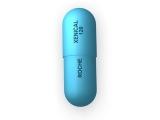
Buy Generic Orlistat (Orlistat) without prescription in Canada
In our Canadian pharmacy, you can buy Orlistat without a prescription, with delivery across Canada within 5‑14 days. Discreet and anonymous packaging.
Orlistat is a gastrointestinal lipase inhibitor used for chronic weight management in adults with obesity or who are overweight and have weight‑related health problems. It works locally in the stomach and small intestine by binding covalently to the active serine residue of gastric and pancreatic lipases, partially blocking the breakdown and absorption of dietary triglycerides. The undigested fat passes out of the body in the stool, reducing total caloric intake by approximately 30% when combined with a mildly calorie‑reduced diet containing no more than 30% of calories from fat.
Usual adult dose: The recommended dose of prescription‑strength orlistat (Xenical) is 120 mg taken orally three times daily with each main meal containing fat, during the meal or up to one hour after. The over‑the‑counter strength (Alli) is 60 mg taken three times daily with fat‑containing meals. If a meal is missed or contains no fat, the dose should be skipped. Doses above 120 mg three times daily provide no additional benefit. Treatment should be combined with a reduced‑calorie diet and regular physical activity.
Dosage form: Oral capsules: 60 mg (non‑prescription) and 120 mg (prescription).
Onset of action: Some patients begin to see weight loss within 2 weeks of starting treatment. Clinically meaningful weight loss is typically assessed after 12 weeks of continuous therapy.
Duration of action: The enzyme‑inhibiting effect lasts for the duration of each meal when the capsule is taken as directed. The lipase inhibition is reversible, and dietary fat absorption returns to normal when orlistat is discontinued. Weight regain is common if dietary and lifestyle modifications are not maintained.
Alcohol recommendation: Alcohol does not directly interact with orlistat, but alcoholic beverages are often a source of empty calories and may contribute to weight gain. Alcohol consumption should be limited or avoided as part of a comprehensive weight‑management program.
Most common side effects: Gastrointestinal effects related to the passage of unabsorbed fat through the digestive tract, including oily spotting on underwear (27%), flatus with discharge (24%), faecal urgency (22%), fatty/oily stools (20%), oily evacuation (12%), increased defecation (11%), and faecal incontinence (8%). These effects are generally mild to moderate, occur early in treatment, diminish with continued use, and are exacerbated by consuming a high‑fat meal. Patients should be counselled to adhere to the recommended dietary fat intake of no more than 30% of calories from fat to minimise these effects.
Would you like to try Orlistat without a prescription?
General Information about Orlistat
- INN (International Nonproprietary Name): Orlistat
- Brand names available in Canada: Xenical® (prescription, 120 mg capsule, DIN 02240325, marketed by Cheplapharm Arzneimittel GmbH). Alli® (over‑the‑counter, 60 mg capsule) is available behind the counter from Canadian pharmacies after consultation with a pharmacist. Generic formulations of orlistat are also available. Xenical was first approved by Health Canada in 1999.
- ATC code: A08AB01 (centrally acting antiobesity products, peripherally acting antiobesity agents)
- Dosage forms and strengths: Oral capsules: 60 mg (non‑prescription, Alli) and 120 mg (prescription, Xenical).
- Manufacturers in Canada: Cheplapharm Arzneimittel GmbH (Xenical). GlaxoSmithKline Consumer Healthcare Inc. distributes Alli in some markets. Various international manufacturers produce generic orlistat.
- Registration status in Canada: Approved by Health Canada. Marketed (DIN 02240325 for Xenical 120 mg). Status date: 2018‑06‑01.
- OTC / Rx classification: The 60 mg strength (Alli) is available without a prescription but is kept behind the pharmacy counter and requires a consultation with a pharmacist. The 120 mg strength (Xenical) is available by prescription only (Rx).
Mechanism of Action and Pharmacology
Orlistat is a reversible inhibitor of gastric and pancreatic lipases. It exerts its therapeutic activity in the lumen of the stomach and small intestine by forming a covalent bond with the active serine residue site of these enzymes. When taken with a fat‑containing meal, orlistat partially inhibits the hydrolysis of dietary triglycerides into absorbable free fatty acids and monoacylglycerols. At the recommended therapeutic dose of 120 mg three times daily, orlistat inhibits dietary fat absorption by approximately 30%. Because the undigested triglycerides are not absorbed, the resulting caloric deficit contributes to weight loss.
Systemic absorption of orlistat is minimal. At the recommended dose, plasma concentrations of intact orlistat are low (< 5 ng/mL or 0.01 μmol/L), and less than 1% of a dose is absorbed into the bloodstream. Approximately 97% of the administered dose is excreted in the faeces, about 83% as unchanged orlistat. Orlistat has two major metabolites, M1 (4‑membered lactone ring) and M3 (M1 with a cleaved N‑formyl leucine moiety), which account for approximately 42% of the total plasma concentration. The enzyme‑inhibiting effect is seen within 1 to 2 days of starting treatment and is reversible upon discontinuation.
Indications
- Chronic Weight Management (Xenical 120 mg): Indicated as an adjunct to a mildly reduced‑calorie, lower‑fat diet for weight loss and weight maintenance in obese patients with a body mass index (BMI) ≥ 30 kg/m², and in overweight patients with a BMI ≥ 27 kg/m² who have weight‑related health risk factors such as type 2 diabetes, hypertension, or dyslipidemia. The weight loss achieved contributes to lowering blood pressure, cholesterol, and blood glucose levels.
- Reduction of Type 2 Diabetes Risk: May also help reduce the risk of developing type 2 diabetes in patients with impaired glucose tolerance when used in conjunction with a mildly reduced‑calorie diet.
- OTC Weight Loss Aid (Alli 60 mg): Indicated for weight loss in overweight adults (BMI ≥ 25 kg/m²) when used along with a reduced‑calorie, low‑fat diet and exercise program.
- Xenical is authorised for use in adolescents 12 years of age and older. Alli is not approved for use in individuals under 18 years of age.
Important Warnings and Precautions
At‑risk groups
- Pregnancy: Orlistat is not recommended during pregnancy. Weight loss offers no potential benefit to a pregnant woman and may result in fetal harm. Women of childbearing potential should use effective contraception. If pregnancy occurs, orlistat should be discontinued.
- Breastfeeding: It is not known whether orlistat is secreted into human breast milk. Orlistat is contraindicated during breastfeeding.
- Paediatrics (< 12 years): The safety and efficacy of orlistat have not been established in children under 12 years of age. Lipase inhibitors are not recommended in children or adolescents in current Canadian clinical practice guidelines. Xenical is authorised for adolescents 12 years and older.
- Elderly (≥ 65 years): Insufficient data are available to make specific dosing recommendations. Use with caution, as elderly patients may have a higher prevalence of renal or hepatic impairment and may be more susceptible to volume depletion from gastrointestinal side effects.
- Renal impairment: No dose adjustment is required in patients with mild to moderate renal impairment. The use of orlistat may be associated with hyperoxaluria and oxalate nephropathy, which can lead to renal failure. This risk is increased in patients with underlying chronic kidney disease and/or volume depletion. Renal function should be monitored.
- Hepatic impairment: No dose adjustment is required. However, rare cases of severe liver injury, including hepatic failure requiring transplantation or resulting in death, have been reported in post‑marketing surveillance. Patients should be advised to report any signs of hepatic dysfunction (jaundice, dark urine, right upper abdominal pain, pruritus, anorexia, fatigue).
- Chronic malabsorption syndrome: Orlistat is contraindicated in patients with chronic malabsorption syndrome, as they already have impaired nutrient absorption.
- Cholestasis: Orlistat is contraindicated in patients with cholestasis, a condition where bile excretion from the liver is obstructed.
- Diabetes mellitus: Weight loss with orlistat may improve glycaemic control. Patients with diabetes should monitor blood glucose levels closely, as doses of insulin or oral hypoglycaemic agents may need to be reduced.
- Fat‑soluble vitamin deficiency: Orlistat may impair the absorption of fat‑soluble vitamins A, D, E, and K. A daily multivitamin supplement containing these vitamins should be taken at least 2 hours before or after orlistat, such as at bedtime.
- Thyroid disorders: Rare occurrences of hypothyroidism and/or reduced control of hypothyroidism have been reported, possibly due to decreased absorption of levothyroxine and/or iodine salts. Patients taking levothyroxine should take it at least 4 hours before or after orlistat, and thyroid function should be monitored.
- Kidney stones: Cases of calcium oxalate kidney stones have been reported. The risk may be increased in patients with underlying chronic kidney disease or volume depletion. Adequate hydration is important during treatment.
- Allergy: Do not take orlistat if you have a known hypersensitivity to orlistat or any excipient in the formulation.
Driving and alcohol
Orlistat has no known influence on the ability to drive or operate machinery. No specific studies on the effects of orlistat on driving performance have been conducted. Alcohol does not have a direct pharmacodynamic interaction with orlistat, but alcoholic beverages contribute additional calories and may hinder weight‑loss efforts. Patients following a weight‑management program should limit or avoid alcohol. Alcohol may also increase the risk of gastrointestinal side effects when consumed with a high‑fat meal.
Dosage Instructions
- Prescription strength (Xenical 120 mg): The recommended dose is 120 mg taken orally three times daily with each main meal containing fat, during the meal or up to one hour after. Doses above 120 mg three times daily have not been shown to provide additional benefit. Treatment should be combined with a mildly reduced‑calorie diet (approximately 20% reduction in daily calories) in which no more than 30% of calories come from fat. The daily intake of fat, carbohydrate, and protein should be distributed over three main meals.
- Over‑the‑counter strength (Alli 60 mg): The recommended dose is 60 mg taken orally three times daily with each main meal containing fat. Do not exceed three capsules in 24 hours.
- Administration: Swallow the capsule whole with a glass of water. Take it with a meal or up to one hour after. If a meal is missed or contains no fat, skip that dose. The capsule should not be opened, chewed, or crushed.
- Multivitamin supplementation: A daily multivitamin supplement containing fat‑soluble vitamins (A, D, E, K) should be taken at least 2 hours before or 2 hours after taking orlistat, such as at bedtime.
- Missed dose: If a dose is missed, skip the missed dose and take the next scheduled dose with the next fat‑containing meal. Do not double the dose.
- Duration of therapy: Therapy should be evaluated after 12 weeks. If the patient has not lost at least 5% of baseline body weight, treatment should be discontinued. For patients who respond, treatment may be continued long‑term to maintain weight loss and prevent regain. The Obesity Canada 2025 Guidelines recommend orlistat 120 mg three times daily for long‑term use, when effective, to avoid weight regain and regression of health benefits.
Side Effects and Contraindications
- Very common gastrointestinal side effects (≥ 10%): Oily spotting (27%), flatus with discharge (24%), faecal urgency (22%), fatty or oily stools (20%), oily evacuation (12%), increased defecation (11%), and faecal incontinence (8%). These effects are directly related to the pharmacological action of the drug and are exacerbated by consuming a high‑fat meal. They generally occur within the first few weeks of treatment and tend to diminish with continued use and improved dietary compliance.
- Common side effects (1–10%): Abdominal pain or discomfort, soft stools, liquid stools, flatulence, headache, upper respiratory tract infection, influenza, back pain, and menstrual irregularities.
- Less common but serious side effects: Severe liver injury (including hepatic failure requiring transplantation or resulting in death has been reported rarely in post‑marketing surveillance), pancreatitis, hyperoxaluria and oxalate nephropathy leading to renal failure, calcium oxalate kidney stones, cholelithiasis, diverticulitis, and rectal bleeding. Hypersensitivity reactions including pruritus, urticaria, angioedema, and anaphylaxis have been reported.
- Laboratory abnormalities: Decreases in fat‑soluble vitamin levels (A, D, E, K) and beta‑carotene may occur; the vast majority of patients in clinical trials maintained levels within the normal range. Small decreases in plasma levels of vitamin K‑dependent coagulation factors and decreases in serum alkaline phosphatase have been observed. Increases in urinary oxalate have been reported.
- Contraindications: Chronic malabsorption syndrome. Cholestasis. Known hypersensitivity to orlistat or any component of the product. Pregnancy and breastfeeding.
Drug Interactions
- Cyclosporine (major interaction): Orlistat may decrease plasma levels of cyclosporine, potentially reducing immunosuppressive efficacy. The combination is not recommended. If concomitant use is unavoidable, monitor cyclosporine blood levels more frequently both after the addition of orlistat and upon its discontinuation, until blood levels stabilise. Take cyclosporine at least 3 hours before or after orlistat.
- Warfarin and other oral anticoagulants (moderate interaction): Orlistat may impair the absorption of vitamin K, potentially enhancing the anticoagulant effect of warfarin. International Normalised Ratio (INR) values should be monitored more frequently when orlistat is co‑administered.
- Levothyroxine (moderate interaction): Orlistat may decrease the absorption of levothyroxine, potentially leading to hypothyroidism or reduced control of hypothyroidism. Take levothyroxine at least 4 hours before or after orlistat. Monitor thyroid function more closely.
- Amiodarone (moderate interaction): A decrease in plasma levels of amiodarone has been observed in a limited number of healthy volunteers. The clinical relevance is uncertain, but reinforcement of clinical and ECG monitoring is warranted in patients receiving amiodarone.
- Antiepileptic drugs (moderate interaction): Convulsions have been reported in patients treated concomitantly with orlistat and antiepileptic drugs (e.g., valproate, lamotrigine). Patients should be monitored for possible changes in the frequency and/or severity of convulsions.
- Antiretroviral drugs, antidepressants, antipsychotics, and benzodiazepines (moderate interaction): Case reports of reduced efficacy of antiretroviral HIV medications, antidepressants, antipsychotics (including lithium), and benzodiazepines have been reported coincidental to the initiation of orlistat treatment in previously well‑controlled patients. Orlistat should only be initiated after careful consideration of the possible impact in these patients.
- Fat‑soluble vitamins (A, D, E, K): Orlistat may impair absorption. Take a multivitamin supplement at least 2 hours before or after orlistat.
- Acarbose: In the absence of pharmacokinetic interaction studies, the concomitant administration of orlistat with acarbose should be avoided.
Practical Advice
- Administration: Take orlistat with each main meal that contains fat, during the meal or up to one hour after. Swallow the capsule whole with a glass of water. If a meal is missed or contains no fat, skip the dose entirely. Do not crush, chew, or open the capsule. Eat a nutritionally balanced, reduced‑calorie diet in which no more than 30% of the calories come from fat. Distribute your daily intake of fat, carbohydrate, and protein evenly over three main meals.
- Monitoring: Body weight should be tracked regularly, and response should be evaluated after 12 weeks of therapy. In patients with diabetes, blood glucose should be monitored closely, as weight loss may require a reduction in insulin or oral hypoglycaemic doses. INR should be monitored in patients taking warfarin. Thyroid function should be monitored in patients taking levothyroxine. Renal function should be assessed periodically, particularly in patients with underlying kidney disease or who develop persistent gastrointestinal side effects. Patients should be counselled to report any signs of liver injury (jaundice, dark urine, right upper abdominal pain, unexplained fatigue, pruritus).
- Storage: Store at room temperature (15‑25 °C) in the original packaging. Protect from moisture and light. Keep out of the reach and sight of children.
- Lifestyle: Orlistat is most effective when used as part of a comprehensive weight‑management program that includes a reduced‑calorie, low‑fat diet, regular physical activity (at least 150 minutes of moderate‑intensity aerobic exercise per week), and behavioural modification. Keep a food diary to track fat intake. To minimise gastrointestinal side effects, adhere strictly to the recommended dietary fat intake. Drink plenty of water throughout the day. Take a daily multivitamin at bedtime. Avoid high‑fat meals, which can significantly worsen gastrointestinal side effects.
- Missed dose: If you miss a dose, simply take the next dose with your next fat‑containing meal. Do not take an extra dose to make up for a missed one.
- When to seek medical review: Contact your doctor if you experience signs of liver injury (yellowing of the skin or eyes, dark urine, right upper abdominal pain, unexplained fatigue, pruritus), signs of kidney stones (severe lower back or flank pain, blood in the urine), severe or persistent abdominal pain (which could indicate pancreatitis or gallstones), rectal bleeding, or an allergic reaction (rash, hives, swelling of the face or throat, difficulty breathing). If you are taking cyclosporine, warfarin, levothyroxine, amiodarone, or antiepileptic medications, inform the prescribing physician that you are starting orlistat.
- Disposal: Return unused or expired medication to a pharmacy for safe disposal. Do not flush down the toilet or discard in household waste.
Alternative Medications
- GLP‑1 receptor agonists: Liraglutide (Saxenda®) and semaglutide (Wegovy®) are injectable prescription medications approved by Health Canada for chronic weight management. They act centrally to reduce appetite and slow gastric emptying. They generally produce greater weight loss than orlistat but are more expensive and require subcutaneous injection. Tirzepatide (Mounjaro®) is approved for type 2 diabetes and is being evaluated for weight management.
- Naltrexone/Bupropion (Contrave®): An oral prescription combination medication that targets hypothalamic hunger centres and the mesolimbic reward system to reduce appetite and control cravings. It is approved by Health Canada for chronic weight management.
- Phentermine/Topiramate extended‑release (Qsymia®): An oral combination that suppresses appetite (phentermine) and promotes satiety while altering taste perception (topiramate). It is approved in the United States for chronic weight management but is not currently marketed in Canada.
- Metformin (off‑label): While not formally approved for weight loss, metformin has a modest weight‑loss effect and is sometimes used off‑label for this purpose in patients with insulin resistance or prediabetes.
- Lifestyle and behavioural approaches: A structured weight‑management program supervised by a registered dietitian, cognitive‑behavioural therapy for weight loss, self‑monitoring with food and activity diaries, and regular physical activity are the cornerstones of safe, sustainable weight loss. Bariatric surgery (e.g., sleeve gastrectomy, gastric bypass) may be an option for individuals with severe obesity (BMI ≥ 40 kg/m², or BMI ≥ 35 kg/m² with obesity‑related complications) who have not succeeded with non‑surgical methods.
Clinical Efficacy
The clinical efficacy of orlistat for weight management has been established in numerous randomised, double‑blind, placebo‑controlled clinical trials. In a systematic review and meta‑analysis of 33 randomised controlled trials, orlistat 120 mg three times daily consistently produced significantly greater weight loss than placebo when combined with a reduced‑calorie diet. At one year, patients treated with orlistat achieved a mean weight loss of approximately 8.6 kg (8.4% of initial body weight) compared with 5.5 kg (5.7%) in the placebo group. The number of patients achieving ≥ 5% and ≥ 10% weight loss was also significantly higher with orlistat. In addition to its effects on weight, orlistat produced beneficial reductions in total cholesterol, LDL‑cholesterol, blood pressure, and fasting glucose. The XENDOS study, a four‑year prospective trial, demonstrated that orlistat, in combination with lifestyle changes, reduced the incidence of type 2 diabetes by 37% in patients with impaired glucose tolerance compared with placebo plus lifestyle changes alone.
In a 24‑week randomised, placebo‑controlled multicentre trial evaluating orlistat 60 mg, the first study to specifically demonstrate that orlistat 60 mg significantly reduces visceral adipose tissue in addition to total body fat, subjects treated with orlistat 60 mg lost an average of 4.8% of baseline body weight compared with 3.1% in the placebo group. The Obesity Canada 2025 Clinical Practice Guidelines recommend orlistat 120 mg three times daily (level 2a, grade B) as a pharmacotherapy option for obesity management in adults with a BMI ≥ 28 kg/m², in conjunction with health behaviour changes, and for long‑term use to maintain weight loss and prevent weight regain. Orlistat is also recommended for reducing the risk of progression to type 2 diabetes in people with prediabetes and a BMI ≥ 30 kg/m².
The main limitation of orlistat is its gastrointestinal side‑effect profile, which is directly related to its mechanism of action. Approximately 8–10% of patients discontinue treatment due to these side effects. However, when used correctly, with careful attention to dietary fat intake, orlistat remains a useful non‑systemic, non‑stimulant pharmacotherapy option for patients who cannot tolerate, have contraindications to, or prefer an alternative to centrally acting weight‑loss medications.
Important:
Orlistat is a prescription medication (at the 120 mg strength) that should be used only under the supervision of a qualified healthcare professional. The over‑the‑counter 60 mg strength should be used under the guidance of a pharmacist. Orlistat is not a substitute for a healthy diet and regular physical activity; it must be combined with a reduced‑calorie, low‑fat diet to be effective and to minimise gastrointestinal side effects. Rare but serious cases of liver injury, including hepatic failure, have been reported. Discontinue orlistat and contact your doctor immediately if you develop signs of liver problems, including jaundice, dark urine, right upper abdominal pain, unexplained fatigue, or itching. Orlistat can interfere with the absorption of fat‑soluble vitamins (A, D, E, K); take a daily multivitamin at bedtime, at least 2 hours after your last dose. Orlistat may also interact with cyclosporine, warfarin, levothyroxine, amiodarone, and antiepileptic medications. If you are taking any of these drugs, inform your doctor before starting orlistat. Do not use orlistat if you are pregnant, breastfeeding, or have chronic malabsorption syndrome or cholestasis. If you experience severe or persistent abdominal pain, which may be a sign of pancreatitis or gallstones, seek medical attention. This information is not a substitute for professional medical advice, diagnosis, or treatment.


| Shipping method | Delivery time | Price | |
 Delivery Delivery |
14-21 days | 14.95$ | Tracking# available in 4 days |
 Delivery Delivery |
9-14 days | 30$ | Tracking# available in 2 days |
- Shipping worldwide
- Confidentiality and anonymity guarantee
- Safe and secure
- Discrete looking packages
- Dispatch orders within 24 hours
- 100% success delivery


