


 Secure and Reliable
  High quality
  Worldwide shipping
  Bonuses and Discounts
  Money back Guarantee
 - Bestsellers
- Alcoholism
- COVID-19
- Allergy
- Anti Fungal
- Alzheimers
- Anti Viral
- Anti-Depressants
- Anti-Inflammatory
- Antibacterial
- Antiparasitic
- Antibiotics
- Arthritis
- Asthma
- Birth Control
- Blood Pressure
- Cancer
- Cardiovascular
- Cholesterol
- Diabetes
- Diuretics
- Erectile Dysfunction
- Eye Drop
- Gastro Health
- General Health
- Hair Loss
- Hepatitis C Virus (HCV)
- HIV
- Hormones
- Men's ED Packs
- Men's Health
- Mental Illness
- Motion Sickness
- Muscle Relaxant
- Pain Relief
- Parkinson’s Disease
- Veterinary Medicines
- Quit Smoking
- Vitamins
- Skin Care
- Sleeping Aids
- Weight Loss
- Women's Health
Generic Ovral ( Ethinyl estradiol / Norgestrel )
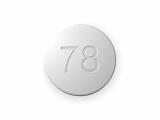
Buy Generic Ovral (Ethinyl estradiol / Norgestrel) without prescription in Canada
In our Canadian pharmacy, you can buy Ovral (Ethinyl Estradiol / Norgestrel) without a prescription, with delivery across Canada within 5‑14 days. Discreet and anonymous packaging.
Ovral is a combined hormonal oral contraceptive that contains the estrogen ethinyl estradiol and the progestin norgestrel. It works primarily by preventing ovulation (the release of an egg from the ovary), and it also causes changes in the cervical mucus and uterine lining that make it harder for sperm to reach the uterus and for a fertilized egg to implant. Norgestrel is a second‑generation progestin; the active ingredient is the levorotatory enantiomer, levonorgestrel, which makes up half of the racemic mixture. Two strengths are available: the lower‑dose 0.15 mg/0.03 mg formulation, which provides effective contraception with a minimized estrogen load, and the standard‑dose 0.5 mg/0.05 mg formulation, which offers robust cycle control and may be preferred when breakthrough bleeding occurs on lower‑dose pills.
Usual adult dose: One active tablet is taken orally once daily, at approximately the same time each day, for 21 consecutive days, followed by a 7‑day tablet‑free interval (or 7 days of inert placebo tablets, depending on the pack). Withdrawal bleeding usually occurs during the hormone‑free interval. The next 28‑day cycle is started immediately after finishing the previous pack, regardless of whether bleeding has stopped. Contraceptive protection is maintained throughout the cycle provided tablets are taken correctly. If the first tablet is taken on the first day of menstrual bleeding (Day 1 start), no backup contraception is needed; otherwise, a barrier method must be used for the first 7 days. The choice of strength is individualized: the 0.15 mg/0.03 mg dose is often used as a starting regimen, and the 0.5 mg/0.05 mg dose is reserved for women who require higher progestin and estrogen exposure for cycle control or for those transitioning from older, higher‑dose formulations.
Dosage form: Oral tablets: 0.15 mg norgestrel / 0.03 mg ethinyl estradiol, and 0.5 mg norgestrel / 0.05 mg ethinyl estradiol. Supplied in 21‑day or 28‑day blister packs.
Onset of action: Contraceptive protection begins immediately if the first tablet is taken on the first day of menstrual bleeding (Day 1 start). If started at any other time in the cycle, a backup barrier method must be used for the first 7 days.
Duration of action: Contraceptive protection is maintained throughout the entire 28‑day cycle as long as tablets are taken correctly and without interruption. The hormone‑free interval does not reduce protection when the next pack is started on time.
Alcohol recommendation: Moderate alcohol consumption does not directly interfere with the contraceptive action of Ovral, but excessive drinking may increase the risk of vomiting or severe diarrhoea, which can impair tablet absorption. Alcohol should be limited, and a backup contraceptive method should be considered if vomiting occurs within 3‑4 hours of taking an active tablet.
Most common side effects: Irregular uterine bleeding (spotting or breakthrough bleeding, especially during the first few months), nausea, breast tenderness, headache, mood changes, and weight changes. Nausea often improves when the tablet is taken with food or at bedtime. The higher‑dose 0.5 mg/0.05 mg formulation may be associated with a higher incidence of estrogen‑related side effects such as nausea and breast tenderness, while the 0.15 mg/0.03 mg formulation minimizes these effects but may have slightly higher rates of breakthrough bleeding in some women. Rare but serious side effects include an increased risk of venous thromboembolism (blood clots).
Would you like to try Ovral (Ethinyl Estradiol / Norgestrel) without a prescription?
General Information about Ovral (Ethinyl Estradiol / Norgestrel)
- INN (International Nonproprietary Name): Ethinyl Estradiol and Norgestrel
- Brand names available in Canada: Ovral® is not a marketed brand in Canada. The combination of ethinyl estradiol and norgestrel is available in Canada under the brand names Cryselle® (norgestrel 0.3 mg / ethinyl estradiol 0.03 mg) and Lo‑Ovral® (norgestrel 0.3 mg / ethinyl estradiol 0.03 mg, with 7 inert tablets). The specific 0.15 mg/0.03 mg and 0.5 mg/0.05 mg strengths are internationally sourced products obtained by our pharmacy through the international supply chain for personal importation.
- ATC code: G03AA06 (norgestrel and ethinyl estradiol; fixed combinations).
- Dosage forms and strengths: Oral tablets: 0.15 mg norgestrel / 0.03 mg ethinyl estradiol (low‑dose) and 0.5 mg norgestrel / 0.05 mg ethinyl estradiol (standard‑dose). Supplied in blister packs of 21 active tablets, with or without 7 additional inert placebo tablets.
- Manufacturers in Canada: None. Ovral is not manufactured in Canada. The product is produced internationally by various pharmaceutical companies; the product is obtained via the international supply chain for personal use.
- Registration status in Canada: Not marketed in Canada in these specific strengths. Ovral has not been issued a Notice of Compliance by Health Canada; the active combination is approved in a different strength (norgestrel 0.3 mg / ethinyl estradiol 0.03 mg) as Cryselle/Lo‑Ovral. The 0.15/0.03 and 0.5/0.05 strengths are available internationally and imported for personal use under a valid prescription.
- OTC / Rx classification: Prescription only (Rx). A valid prescription from a licensed Canadian healthcare professional is required for personal importation. The product is not available over the counter.
Mechanism of Action and Pharmacology
Ovral is a monophasic combined oral contraceptive. The contraceptive effect is achieved primarily through the inhibition of ovulation: the exogenous estrogen (ethinyl estradiol) and progestin (norgestrel) suppress the mid‑cycle surge of luteinizing hormone (LH) and follicle‑stimulating hormone (FSH), thereby preventing follicular development and the release of an ovum. Norgestrel is a racemic mixture of dextronorgestrel (pharmacologically inactive) and levonorgestrel (the active enantiomer). The total norgestrel dose of 0.5 mg thus provides 0.25 mg of active levonorgestrel; the 0.15 mg norgestrel dose provides 0.075 mg of levonorgestrel. Levonorgestrel is a potent progestin with strong anti‑ovulatory activity and relatively weak androgenic effects. Ethinyl estradiol provides the estrogenic component necessary for cycle control and endometrial stability. Secondary contraceptive mechanisms include thickening of the cervical mucus, which hinders sperm penetration, and alteration of the endometrial lining, which becomes less receptive to implantation.
After oral administration, both components are rapidly absorbed, with peak plasma concentrations reached within 1‑2 hours. Levonorgestrel is extensively bound to sex‑hormone‑binding globulin (SHBG) and albumin; ethinyl estradiol is bound to albumin and induces an increase in SHBG. Both are metabolized in the liver and excreted in the urine and faeces as conjugates. The elimination half‑life of levonorgestrel is approximately 20‑30 hours, and that of ethinyl estradiol is approximately 10‑20 hours. Steady‑state concentrations are achieved within 3‑5 days of daily administration. The two strengths allow for individualization of therapy: the 0.15 mg/0.03 mg dose reduces estrogen exposure, while the 0.5 mg/0.05 mg dose provides stronger ovarian suppression and endometrial support.
Indications
- Prevention of pregnancy in women who elect to use an oral contraceptive. The 0.15 mg/0.03 mg strength is a low‑dose formulation particularly suited for women who are sensitive to estrogen or who prefer to minimize hormonal exposure. The 0.5 mg/0.05 mg strength is used for women who require a higher dose for cycle control, such as those experiencing breakthrough bleeding on lower‑dose pills, or those transitioning from older high‑dose formulations.
- May also be used for the regulation of menstrual cycles in women with irregular menses, and off‑label for the management of mild to moderate acne and hirsutism, owing to the suppression of ovarian androgen production.
- Ovral is intended for women of reproductive age. It is not indicated for postmenopausal women, children before menarche, or men.
Important Warnings and Precautions
At‑risk groups
- Pregnancy: Ovral is contraindicated during pregnancy. If pregnancy occurs, the medication must be discontinued immediately. There is no evidence of an increased risk of birth defects in women who inadvertently used combined oral contraceptives early in pregnancy.
- Breastfeeding: Combined hormonal contraceptives may reduce milk production and affect the composition of breast milk. Small amounts of contraceptive steroids are excreted in breast milk. Ovral is not recommended during breastfeeding; a progestin‑only contraceptive is generally preferred.
- Paediatrics (< menarche): Safety and efficacy have not been established in children or adolescents before menarche. Ovral is indicated only for women of reproductive age.
- Elderly: Ovral is not indicated for use in postmenopausal women and should not be used as hormone replacement therapy.
- Venous thromboembolism (VTE): All combined oral contraceptives increase the risk of deep vein thrombosis and pulmonary embolism. The risk is highest during the first year of use and in women with a personal or family history of VTE, thrombophilia, obesity, or prolonged immobilisation. The risk with norgestrel/levonorgestrel‑containing pills is lower than with formulations containing desogestrel, gestodene, or drospirenone. However, careful patient selection is required, and the absolute risk remains low for healthy non‑smoking women under 35.
- Arterial thromboembolism: The risk of myocardial infarction and stroke is increased in users of combined oral contraceptives, particularly in women who smoke, are over 35 years of age, have hypertension, or have migraine with aura. Ovral should be discontinued at least 4 weeks before major elective surgery and during prolonged immobilisation.
- Hypertension: Ovral is contraindicated in women with uncontrolled hypertension. Blood pressure should be checked before starting therapy and monitored periodically.
- Liver disease: Ovral is contraindicated in women with active liver disease, including viral hepatitis, cirrhosis, or liver tumours (benign or malignant). Liver function must return to normal before the medication can be used.
- Migraine: Combined oral contraceptives are contraindicated in women with migraine with aura (focal neurological symptoms). In women who develop new‑onset migraine or significant worsening of migraines, the medication should be discontinued.
- Diabetes mellitus: Low‑dose combined oral contraceptives have a small effect on glucose and lipid metabolism. Women with diabetes should be monitored carefully, and their insulin or oral hypoglycaemic requirements may need adjustment.
- Breast and reproductive cancers: Long‑term use of combined oral contraceptives is associated with a slight increase in the risk of breast and cervical cancer. Ovral is contraindicated in women with known or suspected breast carcinoma or other estrogen‑ or progestin‑dependent neoplasia.
- Gallbladder disease: Combined oral contraceptives increase the risk of gallstone formation and cholecystitis.
- Depression: Women with a history of depression should be observed carefully, and the drug should be discontinued if severe depression recurs.
- Allergy: Do not take Ovral if you have a known hypersensitivity to ethinyl estradiol, norgestrel, levonorgestrel, or any excipient in the tablet.
Driving and alcohol
Ovral has no known influence on the ability to drive or operate machinery. Moderate alcohol consumption does not directly interfere with the contraceptive effect; however, excessive drinking can lead to vomiting or severe diarrhoea, which may reduce the absorption of the active tablets. Women who vomit within 3‑4 hours of taking an active tablet should use a backup contraceptive method. Alcohol intake should be limited to minimise the risk of gastrointestinal upset that could compromise contraceptive reliability.
Dosage Instructions
- Standard regimen: Take one tablet daily at approximately the same time each day for 21 consecutive days, followed by a 7‑day tablet‑free interval (or 7 days of inert placebo tablets if provided). Withdrawal bleeding usually begins 2‑3 days after the last active tablet. A new pack is started on the day after the tablet‑free interval, regardless of whether bleeding has stopped.
- Strength selection: The 0.15 mg/0.03 mg tablet is generally used as the starting dose for most women, as it provides effective contraception with a lower estrogen load and reduced estrogen‑related side effects. The 0.5 mg/0.05 mg tablet may be prescribed for women who experience breakthrough bleeding or who require a higher dose for adequate cycle control or ovarian suppression. The choice of strength should be individualized by the prescribing physician.
- Starting Ovral:
• Day 1 start: Take the first tablet on the first day of menstrual bleeding. Contraceptive protection begins immediately; no backup method is needed.
• Sunday start: Take the first tablet on the first Sunday after the onset of menstrual bleeding. A backup barrier method (e.g., condoms) must be used for the first 7 days.
• Switching from another combined hormonal contraceptive: Start Ovral on the day after the last active tablet of the previous product. No backup method is required.
• After childbirth or second‑trimester abortion: Start no earlier than 4 weeks postpartum (6 weeks if breastfeeding is being considered). If intercourse has already occurred, pregnancy must be excluded before starting.
• After first‑trimester abortion: Ovral can be started immediately. - Missed tablet(s):
• If one active tablet is missed by less than 24 hours, take it as soon as remembered and continue taking the remaining tablets at the usual time. No backup method is needed.
• If two consecutive active tablets are missed in week 1 or week 2, take two tablets on the day remembered and two tablets the next day, then continue with one tablet daily. Use a backup method for 7 days.
• If two consecutive active tablets are missed in week 3, or three or more active tablets are missed at any time: discard the rest of the pack and start a new pack that same day. Use a backup method for 7 days. - Gastrointestinal upset: If vomiting or severe diarrhoea occurs within 3‑4 hours of taking an active tablet, treat this as a missed tablet and follow the missed‑tablet instructions. Use a backup method for 7 days.
- Withdrawal bleeding: The absence of a withdrawal period during the tablet‑free interval may indicate pregnancy. Pregnancy should be excluded before starting the next pack if two consecutive cycles have no withdrawal bleeding.
Side Effects and Contraindications
- Common side effects (≥ 1%): Irregular uterine bleeding (spotting or breakthrough bleeding, especially in early cycles), nausea, breast tenderness, headache, mood changes (including depression and irritability), weight changes, decreased libido, and vaginal candidiasis. The 0.15 mg/0.03 mg strength is associated with fewer estrogen‑related side effects such as nausea and breast tenderness compared with the 0.5 mg/0.05 mg strength, but may have a slightly higher incidence of breakthrough bleeding in some women.
- Serious adverse reactions: Venous thromboembolism (deep vein thrombosis, pulmonary embolism), arterial thromboembolism (myocardial infarction, stroke, retinal thrombosis), hypertension, gallbladder disease, benign and malignant liver tumours (including hepatocellular carcinoma and hepatic adenoma), pancreatitis associated with severe hypertriglyceridemia, and chloasma (melasma) that may be permanent. An increased risk of breast and cervical cancer has been observed in long‑term users.
- Norgestrel‑specific effects: Norgestrel contains levonorgestrel, which is associated with a relatively low risk of VTE compared with newer progestins. It has a weak androgenic profile, which may be favourable for women concerned about acne but may not provide the anti‑androgenic benefits of some other progestins. The 0.5 mg/0.05 mg dose, being higher in both estrogen and progestin, carries a slightly greater absolute risk of thromboembolic events than the 0.15 mg/0.03 mg dose.
- Contraindications: History of or current venous thromboembolism or thrombophlebitis; known thrombophilic conditions; history of or current arterial thromboembolism (myocardial infarction, stroke, transient ischaemic attack); migraine with aura or focal neurological symptoms; diabetes mellitus with vascular involvement; uncontrolled hypertension; known or suspected estrogen‑ or progestin‑dependent neoplasia (including breast carcinoma); active liver disease or history of liver tumours (benign or malignant); undiagnosed abnormal genital bleeding; known or suspected pregnancy; hypersensitivity to any component of the product.
Drug Interactions
- Enzyme‑inducing drugs (reduce contraceptive efficacy): Rifampin, rifabutin, carbamazepine, phenobarbital, phenytoin, primidone, oxcarbazepine, topiramate, felbamate, griseofulvin, and products containing St. John's wort may increase hepatic metabolism of contraceptive hormones, leading to breakthrough bleeding or unintended pregnancy. A backup barrier method should be used while taking these inducers and for 28 days after discontinuation.
- Protease inhibitors and NNRTIs: Some HIV protease inhibitors (e.g., ritonavir, nelfinavir) and non‑nucleoside reverse transcriptase inhibitors (e.g., nevirapine, efavirenz) can alter contraceptive steroid metabolism, potentially reducing efficacy. A condom should be used in addition to Ovral.
- Antibiotics (controversial interaction): With the exception of rifampin‑like drugs, most antibiotics (e.g., ampicillin, tetracyclines) have not been consistently shown to reduce the effectiveness of oral contraceptives. No routine backup method is recommended, but women who experience breakthrough bleeding during antibiotic therapy may choose to use additional protection.
- Lamotrigine: Ethinyl estradiol may reduce plasma concentrations of lamotrigine, potentially reducing seizure control or requiring a dose adjustment.
- Cyclosporine, theophylline, and corticosteroids: Estrogen‑containing contraceptives may inhibit the metabolism of cyclosporine, increase concentrations of theophylline, and prolong the half‑life of corticosteroids (e.g., prednisolone). Appropriate dose adjustments and monitoring are advised.
Practical Advice
- Administration: Take one tablet every day at the same time, without skipping days. Tablets may be taken with or without food; taking with a meal or at bedtime may reduce nausea. If you have difficulty remembering, set a daily alarm or link tablet‑taking to a routine activity.
- Monitoring: Before starting Ovral, a complete medical history and physical examination should be performed, including a blood pressure check, breast and pelvic examination, and assessment of risk factors for thromboembolism. Blood pressure should be rechecked periodically. Women over 35 who smoke should be counselled strongly to stop smoking, as the cardiovascular risks are substantially elevated.
- Storage: Store at room temperature (15‑30 °C) in the original packaging, protected from moisture and light. Keep out of the reach and sight of children.
- Lifestyle: Ovral does not protect against HIV/AIDS or other sexually transmitted infections. A condom should be used for STI protection. If you plan to become pregnant, discontinue Ovral and wait for one spontaneous menstrual period before trying to conceive. If you are scheduled for major surgery or prolonged immobilisation, inform your surgeon that you are taking an oral contraceptive; the pill may need to be stopped 4 weeks beforehand.
- When to seek medical attention: Stop taking Ovral and contact your doctor immediately if you experience any of the following warning signs of a blood clot: sudden severe chest pain or shortness of breath, coughing up blood, unexplained swelling or pain in a leg, sudden severe headache or vomiting, dizziness or fainting, weakness or numbness of the face, arm, or leg, vision loss or double vision, or jaundice (yellowing of the skin or eyes).
- Disposal: Return unused or expired medication to a pharmacy for safe disposal. Do not flush down the toilet or discard in household waste.
Alternative Medications
- Other low‑dose combined oral contraceptives available in Canada: Aviane®, Lutera®, and Portia® contain levonorgestrel 0.10 mg and ethinyl estradiol 0.02 mg, providing an even lower estrogen dose. Cryselle® and Lo‑Ovral® contain norgestrel 0.3 mg / ethinyl estradiol 0.03 mg, an intermediate dose between the two Ovral strengths. Marvelon® contains desogestrel 0.15 mg and ethinyl estradiol 0.03 mg, a different progestin.
- Progestin‑only contraceptives: The “mini‑pill” (norethindrone or levonorgestrel), the depot‑medroxyprogesterone acetate injection (Depo‑Provera), the etonogestrel implant (Nexplanon), and the levonorgestrel‑releasing intrauterine system (Mirena, Kyleena, Jaydess) are alternatives for women who cannot take estrogen.
- Non‑hormonal options: Copper intrauterine devices (e.g., Nova‑T, Flexi‑T) provide long‑acting, hormone‑free contraception. Barrier methods (male and female condoms, diaphragms) offer STI protection but have higher pregnancy rates with typical use.
Clinical Efficacy
The contraceptive efficacy of norgestrel/ethinyl estradiol combinations is well established. With perfect use, the Pearl Index is approximately 0.1‑0.4 pregnancies per 100 woman‑years. With typical use, including missed tablets, the Pearl Index rises to approximately 9. The 0.15 mg/0.03 mg dose provides effective ovulation inhibition with minimized estrogen‑related side effects, while the 0.5 mg/0.05 mg dose offers robust ovarian suppression and cycle control. The norgestrel/levonorgestrel combination has been used worldwide for decades and is associated with a lower risk of VTE compared with formulations containing desogestrel, gestodene, or drospirenone. The VTE risk increases with the estrogen dose, so the 0.15 mg/0.03 mg dose carries a slightly lower absolute thromboembolic risk than the 0.5 mg/0.05 mg dose. Clinical guidelines recommend using the lowest effective dose that maintains cycle control and patient satisfaction.
Important:
Ovral (ethinyl estradiol/norgestrel) is a prescription combined hormonal contraceptive that should be used only under the supervision of a qualified healthcare professional. It is not to be used during pregnancy or while breastfeeding. Cigarette smoking, particularly in women over 35 years of age, greatly increases the risk of serious cardiovascular events, including heart attack, stroke, and blood clots. Ovral is contraindicated in women with a history of venous thromboembolism, thrombophilia, migraine with aura, uncontrolled hypertension, liver disease, or estrogen‑dependent cancers. This product is not approved by Health Canada and is imported for personal use under a valid prescription. Seek emergency medical attention immediately if you develop symptoms of a blood clot, such as sudden severe chest pain, shortness of breath, coughing up blood, unexplained leg pain or swelling, sudden severe headache or weakness on one side of the body. This information is not a substitute for professional medical advice, diagnosis, or treatment.


| Shipping method | Delivery time | Price | |
 Delivery Delivery |
14-21 days | 14.95$ | Tracking# available in 4 days |
 Delivery Delivery |
9-14 days | 30$ | Tracking# available in 2 days |
- Shipping worldwide
- Confidentiality and anonymity guarantee
- Safe and secure
- Discrete looking packages
- Dispatch orders within 24 hours
- 100% success delivery


