


 Secure and Reliable
  High quality
  Worldwide shipping
  Bonuses and Discounts
  Money back Guarantee
 - Bestsellers
- Alcoholism
- COVID-19
- Allergy
- Anti Fungal
- Alzheimers
- Anti Viral
- Anti-Depressants
- Anti-Inflammatory
- Antibacterial
- Antiparasitic
- Antibiotics
- Arthritis
- Asthma
- Birth Control
- Blood Pressure
- Cancer
- Cardiovascular
- Cholesterol
- Diabetes
- Diuretics
- Erectile Dysfunction
- Eye Drop
- Gastro Health
- General Health
- Hair Loss
- Hepatitis C Virus (HCV)
- HIV
- Hormones
- Men's ED Packs
- Men's Health
- Mental Illness
- Motion Sickness
- Muscle Relaxant
- Pain Relief
- Parkinson’s Disease
- Veterinary Medicines
- Quit Smoking
- Vitamins
- Skin Care
- Sleeping Aids
- Weight Loss
- Women's Health
Generic Parlodel ( Bromocriptine )
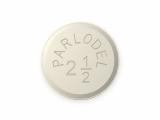
Buy Generic Parlodel (Bromocriptine) without prescription in Canada
In our Canadian pharmacy, you can buy Parlodel (Bromocriptine) without a prescription, with delivery across Canada within 5‑14 days. Discreet and anonymous packaging.
Parlodel (bromocriptine mesylate) is a dopamine receptor agonist that works by stimulating D2 dopamine receptors in the brain and pituitary gland. This action inhibits the secretion of prolactin, making it the primary treatment for hyperprolactinemic disorders, and also restores the dopamine‑acetylcholine balance in the striatum, which provides symptomatic relief in Parkinson’s disease. Additionally, it reduces growth hormone levels in acromegaly and, historically, was used for lactation suppression.
Usual adult dose: For hyperprolactinemic disorders, treatment begins with 1.25 mg to 2.5 mg daily, taken with food, and is gradually increased over several weeks to a therapeutic range of 2.5 mg to 15 mg daily, divided into two or three doses. For Parkinson’s disease, the starting dose is 1.25 mg twice daily with meals, titrated upward slowly by 2.5 mg every 2 weeks according to clinical response and tolerance, to a maintenance dose typically between 10 mg and 40 mg daily. The 2.5 mg tablet is a standard unit for initiating and adjusting therapy. To reduce gastrointestinal upset, doses should always be taken with food.
Dosage form: Oral tablets, 2.5 mg of bromocriptine (as bromocriptine mesylate).
Onset of action: Prolactin levels begin to fall within 1–2 hours of a single dose, and the maximal prolactin‑lowering effect is seen after about 8 hours. Clinical effects in Parkinson’s disease may be noticeable within the first few weeks of dose titration, but optimal benefit often takes several months of gradual upward adjustment.
Duration of action: The prolactin‑suppressing effect lasts for about 12–24 hours, supporting twice‑ or thrice‑daily dosing. In Parkinson’s disease, the motor benefit corresponds to the dosing interval, typically requiring administration two to four times daily.
Alcohol recommendation: Alcohol consumption should be limited during treatment with Parlodel. Alcohol may worsen the dizziness, drowsiness, and orthostatic hypotension associated with bromocriptine, and can also increase the risk of gastrointestinal side effects. Excessive alcohol intake may interfere with the therapeutic benefits, particularly in Parkinson’s disease.
Most common side effects: Nausea, vomiting, headache, dizziness, drowsiness, and nasal congestion. Orthostatic hypotension, which can cause fainting, is a common and potentially serious effect, especially at the start of therapy and after dose increases. Less common but important effects include digital vasospasm (Raynaud’s phenomenon) and psychiatric disturbances such as confusion, hallucinations, or impulsive behaviours.
Would you like to try Parlodel (Bromocriptine) without a prescription?
General Information about Parlodel (Bromocriptine)
- INN (International Nonproprietary Name): Bromocriptine (as bromocriptine mesylate)
- Brand names available in Canada: Parlodel® (Novartis Pharmaceuticals Canada Inc.) is the original brand‑name product. Generic versions are available and include APO‑Bromocriptine (Apotex Inc.), and other manufacturer‑branded generics. The 2.5 mg tablet is supplied in bottles of 100 tablets.
- ATC code: N04BC01 (dopamine agonists).
- Dosage forms and strengths: Oral tablets: 2.5 mg of bromocriptine (as bromocriptine mesylate). The tablet is typically white, round, and scored.
- Manufacturers in Canada: Novartis Pharmaceuticals Canada Inc. (Parlodel), Apotex Inc., and other generic manufacturers.
- Registration status in Canada: Approved by Health Canada. Marketed. DIN: 00416028 (Parlodel 2.5 mg), among others.
- OTC / Rx classification: Prescription only (Rx). Schedule I drug under the Controlled Drugs and Substances Act. A valid prescription from a licensed Canadian healthcare professional is required.
Mechanism of Action and Pharmacology
Bromocriptine is a semisynthetic ergot alkaloid derivative that acts as a potent, direct agonist at D2 dopamine receptors in the central nervous system and the anterior pituitary gland. In the pituitary lactotroph cells, D2 receptor stimulation inhibits the synthesis and secretion of prolactin, making it effective for conditions caused by excess prolactin such as galactorrhoea, amenorrhoea, and prolactin‑secreting adenomas. In the basal ganglia, bromocriptine restores the dopaminergic deficit that characterizes Parkinson’s disease, improving motor function. It also reduces elevated growth hormone levels in acromegaly by acting on D2 receptors in the somatotroph cells of the pituitary. Bromocriptine has a moderate oral bioavailability, with peak plasma concentrations reached within 1–2 hours after dosing. It undergoes extensive first‑pass hepatic metabolism, primarily via CYP3A4, and is excreted mainly in the bile and faeces. The elimination half‑life of the parent compound is about 3–4 hours, but the biological effect on prolactin secretion lasts much longer, allowing twice‑daily administration for hyperprolactinemic indications.
Indications
- Hyperprolactinemic disorders: Treatment of galactorrhoea, amenorrhoea, and infertility caused by elevated prolactin levels, including prolactin‑secreting pituitary adenomas (prolactinomas). Parlodel reduces tumour size in many cases.
- Parkinson’s disease: As an adjunct to levodopa therapy in the symptomatic management of Parkinson’s disease, used to reduce motor fluctuations and the “wearing‑off” phenomenon, or as monotherapy in selected, younger patients.
- Acromegaly: To reduce growth hormone and IGF‑1 levels in patients with acromegaly, particularly when surgery or radiation is not appropriate or has been unsuccessful, or as adjunctive therapy.
- Lactation suppression (off‑label): For the prevention of postpartum lactation in women who choose not to breastfeed or for whom breastfeeding is contraindicated. Note that this use is off‑label and restricted in some regions due to reported cases of stroke and hypertension. Parlodel is no longer approved by Health Canada specifically for lactation suppression but may be prescribed under specialist discretion.
- Not indicated for use in children under 15 years of age, except in specialist paediatric endocrinology settings.
Important Warnings and Precautions
At‑risk groups
- Pregnancy: Bromocriptine should be discontinued as soon as pregnancy is confirmed, unless there is a specific medical indication to continue, such as a large prolactinoma threatening vision. It is generally considered compatible with pregnancy in the context of prolactinoma management, but routine use is not recommended. Women wishing to conceive should discontinue bromocriptine once pregnancy is established, except under specialist supervision.
- Breastfeeding: Bromocriptine suppresses lactation and is excreted in breast milk in small amounts. It should not be used during breastfeeding. A decision must be made whether to discontinue breastfeeding or to discontinue the drug, depending on the clinical indication.
- Paediatrics (< 15 years): Safety and efficacy have not been established in children under 15. Use in paediatric patients is reserved for specialist paediatric endocrinology settings.
- Elderly: Elderly patients, particularly those with Parkinson’s disease, are more susceptible to the hypotensive, cognitive, and psychiatric side effects of bromocriptine. Starting doses should be at the low end of the range, with slower upward titration and careful monitoring.
- Cardiovascular disease: Bromocriptine can cause significant orthostatic hypotension and, in rare cases, severe hypertension, myocardial infarction, and stroke, particularly in the postpartum setting. It should be used with extreme caution in patients with uncontrolled hypertension, coronary artery disease, or other significant cardiovascular conditions.
- Pulmonary and retroperitoneal fibrosis: Fibrotic reactions, including pleuropulmonary fibrosis, pleural effusion, and retroperitoneal fibrosis, have been reported with long‑term use, particularly at high doses used in Parkinson’s disease. Patients should be monitored for signs such as shortness of breath, persistent cough, flank pain, or urinary obstruction. If fibrosis is suspected, bromocriptine should be discontinued.
- Psychiatric disturbances: Dopamine agonists can cause or exacerbate impulse control disorders (pathological gambling, hypersexuality, binge eating), hallucinations, confusion, and psychosis, particularly in elderly patients with Parkinson’s disease. Patients and caregivers should be warned about these effects, and the drug should be withdrawn or reduced if they occur.
- Digital vasospasm (Raynaud’s phenomenon): Cold‑induced vasospasm of the fingers and toes can occur, especially at higher doses. Patients should be advised to keep extremities warm and to report any persistent pain or colour changes.
- Peptic ulcer disease: Bromocriptine may reactivate or worsen peptic ulcer disease. It should be used with caution in patients with a history of ulcers, and gastrointestinal bleeding has been reported rarely.
- Hepatic impairment: Bromocriptine is extensively metabolized by the liver. Use with caution in patients with hepatic impairment; lower doses and slower titration are recommended.
- Allergy: Do not take Parlodel if you have a known hypersensitivity to bromocriptine, other ergot alkaloids, or any excipient in the formulation.
Driving and alcohol
Parlodel can cause dizziness, drowsiness, orthostatic hypotension, and, in some patients, sudden sleep episodes. Patients should be cautioned not to drive or operate heavy machinery until they know how the medication affects them. Alcohol should be avoided or limited, as it may worsen these effects and increase the risk of orthostatic hypotension and gastrointestinal upset.
Dosage Instructions
- Hyperprolactinemia: Initiate therapy with 1.25 mg to 2.5 mg at bedtime with a light snack to minimize gastrointestinal side effects. After 2‑3 days, the dose is increased to 2.5 mg twice daily with meals. Further titration is by 1.25 mg to 2.5 mg increments every 2‑7 days as tolerated, until prolactin levels normalise and clinical symptoms resolve. The usual therapeutic dose ranges from 2.5 mg to 15 mg daily, given in divided doses. The maximum recommended dose for hyperprolactinemia is 15 mg per day; higher doses are rarely needed.
- Parkinson’s disease: Start with 1.25 mg twice daily with meals. The dose may be increased every 14‑28 days by 2.5 mg per day, according to clinical response and tolerance. The usual maintenance dose is 10 mg to 40 mg daily in divided doses. Doses above 30 mg daily should be approached cautiously, with careful monitoring for adverse effects.
- Acromegaly: Initiate at 1.25 mg to 2.5 mg at bedtime, with gradual upward titration by 1.25 mg to 2.5 mg every 3‑7 days as tolerated. The usual maintenance dose is 20 mg to 30 mg daily, administered in three to four divided doses. The maximum recommended dose is 100 mg daily, though this is rarely achieved in practice.
- Administration: Always take the tablet with a meal or a light snack to reduce nausea. Swallow whole with a glass of water. The 2.5 mg tablet is scored and may be split to achieve the 1.25 mg starting dose. Do not crush or chew.
- Missed dose: If a dose is missed, take it as soon as remembered with food. If it is close to the time of the next scheduled dose, skip the missed dose and resume the regular schedule. Do not double the dose.
- Duration of therapy: For prolactinomas, therapy is often maintained for 2‑3 years after prolactin levels have normalised and tumour shrinkage has been documented, before a trial of dose reduction or withdrawal. In Parkinson’s disease and acromegaly, therapy is generally long‑term.
Side Effects and Contraindications
- Very common (≥ 10%): Nausea, vomiting, dizziness, and headache. These are most severe at the start of therapy and with dose increases, but often lessen over time.
- Common (1‑10%): Drowsiness, fatigue, nasal congestion, constipation, dry mouth, orthostatic hypotension (which can be severe and cause syncope), and digital vasospasm (cold‑induced pallor and pain in fingers and toes).
- Uncommon but serious: Pulmonary, pleural, pericardial, and retroperitoneal fibrosis (more common with long‑term high‑dose therapy). Cardiac valvulopathy has been associated with ergot‑derived dopamine agonists. Impulse control disorders (pathological gambling, hypersexuality, compulsive shopping, binge eating) and psychiatric disturbances (hallucinations, confusion, psychosis). Seizures, cerebrospinal fluid rhinorrhoea (in patients with macroprolactinomas), and severe hypertension or stroke (particularly in the puerperium).
- Contraindications: Hypersensitivity to bromocriptine, other ergot alkaloids, or any excipient. Uncontrolled hypertension. Hypertension of pregnancy (including pre‑eclampsia, eclampsia). Coronary artery disease and other severe cardiovascular conditions. History of psychosis or severe psychiatric illness. Use for lactation suppression in the setting of severe hypertension or postpartum hypertension.
Drug Interactions
- Other ergot alkaloids and vasoconstrictors: Additive vasospastic effects; avoid concomitant use of other ergot‑containing medications (e.g., ergotamine, dihydroergotamine, methysergide) and sympathomimetics (e.g., pseudoephedrine, phenylephrine).
- Dopamine antagonists (antipsychotics, metoclopramide, domperidone): These drugs block D2 receptors and will reduce or abolish the therapeutic effects of bromocriptine. Monitor for loss of efficacy.
- Antihypertensives: Additive hypotensive effects; blood pressure should be monitored, and the doses of antihypertensive medications may need to be reduced.
- CYP3A4 inhibitors (e.g., erythromycin, clarithromycin, ketoconazole, itraconazole, ritonavir): May increase bromocriptine plasma levels, leading to increased risk of side effects such as nausea, hypotension, and ergotism. Concomitant use should be undertaken with caution and dose reduction of bromocriptine may be considered.
- Alcohol and CNS depressants: Additive sedation, dizziness, and impaired coordination. Alcohol should be limited.
- Octreotide: Octreotide may increase bromocriptine bioavailability; monitor for increased effects.
Practical Advice
- Administration: Always take Parlodel with food to reduce nausea. The first dose of each new treatment course should be taken at bedtime with a light snack. Rise slowly from a sitting or lying position to reduce the risk of dizziness from orthostatic hypotension. Do not crush or chew the tablet. The scored 2.5 mg tablet can be split for lower dose initiation if directed.
- Monitoring: Regular monitoring of blood pressure, particularly during the first few weeks of therapy and after dose increases, is essential. In hyperprolactinemia, serum prolactin levels should be measured periodically to guide dose adjustment. In acromegaly, growth hormone and IGF‑1 levels are monitored. In Parkinson’s disease, motor function and the emergence of impulse control disorders or psychiatric symptoms should be assessed at each visit. For long‑term therapy, periodic evaluation for signs of fibrotic disorders (chest X‑ray, echocardiography, renal function) should be considered.
- Storage: Store at room temperature (15‑30 °C) in a dry place, protected from light and moisture. Keep the container tightly closed and out of the reach and sight of children.
- Lifestyle: Avoid alcohol, which can worsen dizziness and gastrointestinal effects. Do not drive or operate hazardous machinery until you know how the medication affects you, as it can cause sudden sleep episodes and fainting. Report any new or unusual urges or behaviours (e.g., gambling, sexual, spending) to your doctor immediately. If you become pregnant, inform your doctor; do not stop the medication abruptly without medical advice if you have a large pituitary tumour.
- Missed dose: Take it as soon as you remember with a meal. If it is close to the time of your next dose, skip the missed dose. Do not double the dose.
- When to seek medical review: Seek immediate medical attention if you experience fainting, severe headache, chest pain, shortness of breath, vision loss, or signs of an allergic reaction. Contact your doctor promptly if you develop cold‑induced finger/toe pain or colour changes, shortness of breath with persistent cough, flank pain, or new psychiatric symptoms.
- Disposal: Return unused or expired medication to a pharmacy for safe disposal. Do not flush down the toilet or discard in household waste.
Alternative Medications
- Cabergoline (Dostinex®): A newer, non‑ergot dopamine agonist with a longer half‑life, allowing twice‑weekly dosing. It is more effective and better tolerated than bromocriptine for hyperprolactinemia, and is the first‑line agent for prolactinomas in many guidelines. It has a lower incidence of nausea and orthostatic hypotension, and a lower risk of fibrotic reactions.
- Quinagolide (Norprolac®): Another non‑ergot dopamine agonist used for hyperprolactinemia, with once‑daily dosing. It is not as widely available as cabergoline.
- For Parkinson’s disease: Other oral dopamine agonists include pramipexole (Mirapex®), ropinirole (Requip®), and rotigotine (Neupro® patch). These are non‑ergot, have a lower risk of fibrotic complications, and are generally preferred over bromocriptine, particularly in older patients. Levodopa/carbidopa remains the most effective symptomatic therapy for motor symptoms.
- For acromegaly: Somatostatin analogues (octreotide, lanreotide) and the growth hormone receptor antagonist pegvisomant (Somavert®) are more effective medical therapies than bromocriptine for reducing growth hormone levels, and are usually preferred after surgery.
- Non‑pharmacological: In hyperprolactinemia due to a prolactinoma, transsphenoidal surgical resection may be curative, particularly for microadenomas. In Parkinson’s disease, deep brain stimulation (DBS) is an option for advanced disease with motor complications. In acromegaly, surgery is the first‑line treatment.
Clinical Efficacy
Bromocriptine has been used clinically for over four decades. In hyperprolactinemic disorders, it normalises prolactin levels in approximately 70‑80% of patients, restores ovulation and fertility in a similar proportion of anovulatory women, and produces tumour shrinkage in 60‑75% of macroprolactinomas. However, the non‑ergot agonist cabergoline has shown superior efficacy and tolerability in head‑to‑head trials and is now the preferred first‑line agent. In Parkinson’s disease, bromocriptine monotherapy produces modest motor improvement, and as adjunctive therapy to levodopa, it can reduce motor fluctuations. However, newer non‑ergot agonists have largely replaced bromocriptine due to a better safety profile. In acromegaly, bromocriptine reduces GH levels and induces some clinical improvement, but the somatostatin analogues are far more effective and are the standard medical therapy. Bromocriptine remains an important option in resource‑limited settings or when newer agents are contraindicated or unavailable.
Important:
Parlodel (bromocriptine) is a prescription medication that should be used only under the supervision of a qualified healthcare professional. It can cause severe orthostatic hypotension, leading to fainting, particularly at the start of therapy. Long‑term use at high doses has been associated with life‑threatening fibrotic reactions affecting the heart, lungs, and abdomen. Psychiatric side effects, including hallucinations and impulsive behaviours, may occur. Do not use Parlodel during pregnancy unless specifically instructed for a pituitary tumour, and avoid breastfeeding. Always take this medication with food to minimise nausea. If you experience fainting, chest pain, severe shortness of breath, or changes in behaviour, stop the medication and seek immediate medical attention. This information is not a substitute for professional medical advice, diagnosis, or treatment.


| Shipping method | Delivery time | Price | |
 Delivery Delivery |
14-21 days | 14.95$ | Tracking# available in 4 days |
 Delivery Delivery |
9-14 days | 30$ | Tracking# available in 2 days |
- Shipping worldwide
- Confidentiality and anonymity guarantee
- Safe and secure
- Discrete looking packages
- Dispatch orders within 24 hours
- 100% success delivery


