


 Secure and Reliable
  High quality
  Worldwide shipping
  Bonuses and Discounts
  Money back Guarantee
 - Bestsellers
- Alcoholism
- COVID-19
- Allergy
- Anti Fungal
- Alzheimers
- Anti Viral
- Anti-Depressants
- Anti-Inflammatory
- Antibacterial
- Antiparasitic
- Antibiotics
- Arthritis
- Asthma
- Birth Control
- Blood Pressure
- Cancer
- Cardiovascular
- Cholesterol
- Diabetes
- Diuretics
- Erectile Dysfunction
- Eye Drop
- Gastro Health
- General Health
- Hair Loss
- Hepatitis C Virus (HCV)
- HIV
- Hormones
- Men's ED Packs
- Men's Health
- Mental Illness
- Motion Sickness
- Muscle Relaxant
- Pain Relief
- Parkinson’s Disease
- Veterinary Medicines
- Quit Smoking
- Vitamins
- Skin Care
- Sleeping Aids
- Weight Loss
- Women's Health
Generic Paxil ( Paroxetine )
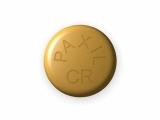
Buy Generic Paxil (Paroxetine) without prescription in Canada
In our Canadian pharmacy, you can buy Paxil (Paroxetine) without a prescription, with delivery across Canada within 5‑14 days. Discreet and anonymous packaging.
Paxil (paroxetine hydrochloride) is a selective serotonin reuptake inhibitor (SSRI) antidepressant used to treat a broad range of mood and anxiety disorders. It works by blocking the serotonin reuptake transporter (SERT) in the brain, thereby increasing the synaptic availability of serotonin—a neurotransmitter essential for regulating mood, anxiety, sleep, and appetite. Paroxetine is the most potent inhibitor of serotonin reuptake among all currently available SSRIs, and it is effective for major depressive disorder, obsessive‑compulsive disorder, panic disorder, social anxiety disorder, generalised anxiety disorder, and post‑traumatic stress disorder.
Usual adult dose: For major depressive disorder, the recommended starting dose is 20 mg taken once daily, usually in the morning. If the response is inadequate, the dose may be increased in 10 mg increments at intervals of at least one week, to a maximum of 50 mg daily. For obsessive‑compulsive disorder and panic disorder, the starting dose is 20 mg or 10 mg once daily, respectively, with titration to a maximum of 60 mg daily. For generalised anxiety disorder and social anxiety disorder, 20 mg once daily is the usual starting and recommended dose; doses of 20 mg to 50 mg daily have demonstrated efficacy. For post‑traumatic stress disorder, the usual dose range is 20 mg to 50 mg once daily. All doses are individualised and must be adjusted gradually under medical supervision.
Dosage form: Film‑coated tablets available in 10 mg, 20 mg, 30 mg, and 40 mg strengths. An oral suspension (10 mg/5 mL) is also available. Extended‑release (controlled‑release) tablets (Paxil CR) are available in 12.5 mg, 25 mg, and 37.5 mg strengths.
Onset of action: Some improvement in sleep, energy, or appetite may be noticed within the first 1 to 2 weeks of treatment. However, the full antidepressant and anxiolytic effect typically requires 4 to 6 weeks of continuous therapy, and maximal benefit may take up to 8 to 12 weeks for certain anxiety disorders.
Duration of action: The elimination half‑life of paroxetine is approximately 21 hours (range 3 to 65 hours, varying substantially among individuals), supporting once‑daily dosing. Steady‑state plasma concentrations are achieved after approximately 7 to 14 days of regular administration.
Alcohol recommendation: Alcohol consumption should be avoided during treatment with Paxil. Alcohol can worsen depression and anxiety, increase the risk of sedation and dizziness, and may interfere with the effectiveness of the medication. Concurrent use of alcohol and paroxetine also increases the risk of gastrointestinal bleeding.
Most common side effects: Nausea, drowsiness, dry mouth, insomnia, dizziness, constipation, weakness, and sexual dysfunction (delayed ejaculation, decreased libido, anorgasmia). Other common effects include headache, increased sweating, decreased appetite, and tremor. Paroxetine is associated with a higher incidence of discontinuation syndrome than other SSRIs, and withdrawal should always be managed with gradual dose tapering.
Would you like to try Paxil (Paroxetine) without a prescription?
General Information about Paxil (Paroxetine)
- INN (International Nonproprietary Name): Paroxetine (as paroxetine hydrochloride hemihydrate).
- Brand names available in Canada: Paxil® and Paxil CR® (GlaxoSmithKline Inc.). Generic versions include APO‑Paroxetine (Apotex Inc.), TEVA‑Paroxetine (Teva Canada Limited), Sandoz Paroxetine (Sandoz Canada Inc.), PMS‑Paroxetine (Pharmascience Inc.), JAMP‑Paroxetine (JAMP Pharma Corporation), M‑Paroxetine (Mantra Pharma Inc.), AURO‑Paroxetine (Auro Pharma Inc.), and other manufacturer‑branded generics.
- ATC code: N06AB05.
- Dosage forms and strengths: Immediate‑release film‑coated tablets: 10 mg, 20 mg, 30 mg, and 40 mg. Oral suspension: 10 mg/5 mL. Controlled‑release (Paxil CR) tablets: 12.5 mg, 25 mg, and 37.5 mg.
- Manufacturers in Canada: GlaxoSmithKline Inc. (Paxil, Paxil CR), Apotex Inc., Teva Canada Limited, Sandoz Canada Inc., Pharmascience Inc., JAMP Pharma Corporation, Mantra Pharma Inc., Auro Pharma Inc., and other generic pharmaceutical companies.
- Registration status in Canada: Approved by Health Canada. The original brand Paxil received its Notice of Compliance in 1993; Paxil CR was approved on November 27, 2003, and first marketed January 5, 2004. Multiple generic formulations are currently marketed and available by prescription. DINs include 02248503 (Paxil CR 12.5 mg), 02254778 (Sandoz Paroxetine 30 mg), and numerous others.
- OTC / Rx classification: Prescription only (Rx). Schedule I drug under the Controlled Drugs and Substances Act.
Mechanism of Action and Pharmacology
Paroxetine is a phenylpiperidine derivative and the most potent inhibitor of the serotonin (5‑hydroxytryptamine, 5‑HT) reuptake transporter (SERT) among all currently available antidepressants, including the entire SSRI class. By binding with high affinity to SERT on presynaptic serotonergic neurons, paroxetine blocks the reuptake of serotonin from the synaptic cleft, thereby increasing the synaptic concentration and prolonging the availability of serotonin at postsynaptic receptor sites. Current theory holds that the diminished serotonin concentration in the depressed brain induces an upregulation (increase in number and/or sensitivity) of postsynaptic serotonergic receptors. By increasing synaptic serotonin, paroxetine promotes the downregulation of these previously upregulated receptors, normalising serotonergic neurotransmission over time. This gradual receptor adaptation is thought to account for the characteristic delay of several weeks before the full antidepressant effect is achieved.
In radioligand binding studies, paroxetine has demonstrated weak affinity for muscarinic cholinergic receptors, alpha‑1, alpha‑2, and beta‑adrenergic receptors, dopamine D2 receptors, serotonin 5‑HT2 receptors, and histamine H1 receptors. Among the SSRIs, paroxetine has the highest affinity for muscarinic receptors, which may contribute to its relatively higher incidence of anticholinergic side effects (e.g., dry mouth, constipation, sedation) compared with other members of the class. Paroxetine has no clinically significant effect on norepinephrine or dopamine reuptake at therapeutic concentrations.
Following oral administration, paroxetine is well absorbed and undergoes extensive first‑pass metabolism in the liver. Peak plasma concentrations are reached within 2 to 8 hours (median approximately 5 hours). The absolute bioavailability is approximately 50% to 100%. Food does not significantly affect absorption. Paroxetine is extensively distributed into tissues, with a volume of distribution of 3 to 28 L/kg (mean 13 L/kg), and is approximately 93‑95% bound to plasma proteins at therapeutic concentrations. The drug is metabolised primarily by cytochrome P450 2D6 (CYP2D6), with contributions from CYP3A4 and CYP2C19. Paroxetine is both a substrate for and a potent, irreversible inhibitor of CYP2D6, meaning it inhibits its own metabolism. As a result, paroxetine exhibits non‑linear (dose‑dependent) pharmacokinetics: plasma concentrations increase disproportionately with dose increases. For example, plasma levels can potentially double following a dosage increase of only 50%. The elimination half‑life is approximately 21 hours (range 3 to 65 hours), and steady‑state plasma concentrations are reached within 7 to 14 days. Approximately 62% of a dose is excreted in the urine and 36% in the faeces, largely as metabolites; only about 2% is excreted unchanged.
Indications
- Major Depressive Disorder (MDD): For the symptomatic relief of major depressive disorder in adults. Efficacy has been demonstrated in short‑term trials of 6 to 12 weeks and in maintenance studies of up to one year.
- Obsessive‑Compulsive Disorder (OCD): For the treatment of obsessive‑compulsive disorder in adults. Efficacy has been demonstrated in short‑term trials of 12 weeks.
- Panic Disorder (PD): For the treatment of panic disorder, with or without agoraphobia, in adults.
- Social Anxiety Disorder (Social Phobia, SAD): For the treatment of social anxiety disorder in adults.
- Generalised Anxiety Disorder (GAD): For the treatment of generalised anxiety disorder in adults.
- Post‑Traumatic Stress Disorder (PTSD): For the treatment of post‑traumatic stress disorder in adults.
- Paroxetine is also used off‑label for premenstrual dysphoric disorder (PMDD), vasomotor symptoms associated with menopause, premature ejaculation, and, in children and adolescents under specialist care, for OCD, social anxiety disorder, and separation anxiety.
- Paroxetine is not approved for use in children and adolescents under 18 years of age by Health Canada, as randomised controlled trials failed to demonstrate superior efficacy over placebo in paediatric depression, and treatment‑emergent suicidality rates are higher than with other SSRIs in this age group.
Important Warnings and Precautions
At‑risk groups
- Pregnancy: Epidemiological studies have shown that infants exposed to paroxetine in the first trimester of pregnancy have an increased risk of cardiovascular malformations (primarily ventricular and atrial septal defects). The absolute risk is approximately 2% compared with a background rate of approximately 1%. Exposure to paroxetine in late pregnancy may lead to an increased risk for persistent pulmonary hypertension of the newborn (PPNH) and/or neonatal complications requiring prolonged hospitalisation, respiratory support, and tube feeding. Paroxetine should be used during pregnancy only if the potential benefit clearly outweighs the potential risk. Women of childbearing potential should use effective contraception during treatment.
- Breastfeeding: Paroxetine is excreted in human breast milk in small amounts. A decision must be made whether to discontinue breastfeeding or to discontinue the drug, taking into account the importance of the medication to the mother. Nursing infants should be monitored for sedation, irritability, and feeding difficulties.
- Paediatrics (< 18 years): Paroxetine is not approved for use in paediatric patients. Placebo‑controlled trials in children and adolescents with MDD failed to establish efficacy, and there was an increased risk of suicidal thinking and behaviour. Use in children and adolescents should only be considered under specialist supervision for specific off‑label indications such as OCD or social anxiety disorder.
- Elderly: Elderly patients may be more sensitive to the adverse effects of paroxetine, including hyponatraemia, orthostatic hypotension, and anticholinergic effects. The initial dose for geriatric patients is 10 mg once daily, with a maximum recommended dose of 40 mg per day. Renal function and serum sodium should be monitored periodically.
- Hepatic impairment: In patients with mild to moderate hepatic impairment, no initial dose adjustment is required, but plasma concentrations of paroxetine may be elevated. In severe hepatic impairment, the starting dose is 10 mg once daily, with a maximum dose of 40 mg per day.
- Renal impairment: In patients with mild to moderate renal impairment (creatinine clearance 30‑60 mL/min), no dose adjustment is required. In severe renal impairment (CrCl < 30 mL/min), the starting dose is 10 mg once daily, with a maximum dose of 40 mg per day.
- Bipolar disorder: Screen for bipolar disorder before initiating treatment. Paroxetine may precipitate a manic, mixed, or hypomanic episode in patients with undiagnosed bipolar disorder. Hypomania or mania occurred in approximately 1% of paroxetine‑treated unipolar patients in clinical trials.
- Seizure disorders: Paroxetine has not been systematically evaluated in patients with seizure disorders. Seizures occurred in 0.1% of patients during clinical trials. Use with caution, and discontinue in any patient who develops seizures.
- Angle‑closure glaucoma: The pupillary dilation that occurs with SSRIs, including paroxetine, may trigger an acute angle‑closure attack in patients with anatomically narrow angles who do not have a patent iridectomy. Avoid use in patients with untreated anatomically narrow angles.
- Hyponatraemia: Hyponatraemia, including cases with serum sodium lower than 110 mmol/L, may occur as a result of SSRI treatment. Elderly patients, those taking diuretics, and those who are volume‑depleted are at greater risk. Discontinue paroxetine in patients with symptomatic hyponatraemia and institute appropriate medical intervention.
- Abnormal bleeding: SSRIs, including paroxetine, increase the risk of bleeding events, ranging from ecchymoses and epistaxis to life‑threatening gastrointestinal haemorrhage. Concomitant use of aspirin, NSAIDs, warfarin, and other anticoagulants or antiplatelet agents further increases this risk. For patients taking warfarin, monitor the international normalised ratio (INR) carefully.
- Reduction of tamoxifen efficacy: Paroxetine strongly and irreversibly inhibits CYP2D6, which is required to convert tamoxifen to its active metabolite, endoxifen. Concomitant use may reduce the efficacy of tamoxifen in breast cancer treatment. An alternative antidepressant with little or no CYP2D6 inhibition should be considered.
- Serotonin syndrome: A potentially life‑threatening serotonin syndrome may occur with paroxetine, particularly when combined with other serotonergic drugs. Symptoms include mental status changes, autonomic instability, neuromuscular abnormalities, and gastrointestinal symptoms.
- Suicidality: Antidepressants, including paroxetine, carry a boxed warning for an increased risk of suicidal thinking and behaviour in children, adolescents, and young adults aged 24 years and under. All patients should be closely monitored for clinical worsening, suicidality, or unusual changes in behaviour, particularly during the first few months of therapy and after dosage changes.
- Discontinuation syndrome: Discontinuation syndrome is more common and more severe with paroxetine than with other SSRIs, due in part to its short half‑life and the fact that it inhibits its own metabolism. Withdrawal symptoms include dizziness, sensory disturbances (electric shock sensations), nausea, anxiety, insomnia, confusion, and headache. A gradual dose reduction is essential.
- Allergy: Do not take Paxil if you have a known hypersensitivity to paroxetine or any excipient in the formulation.
Driving and alcohol
Paxil may cause dizziness, drowsiness, and impaired cognitive and motor skills. Patients should be cautioned about driving or operating hazardous machinery until they are reasonably certain that paroxetine does not adversely affect their mental alertness and motor coordination. Alcohol consumption should be avoided during treatment with Paxil. Alcohol can worsen depression and anxiety, potentiate the sedative effects of paroxetine, and increase the risk of gastrointestinal bleeding. Concurrent use of alcohol also interferes with the therapeutic benefit of the medication.
Dosage Instructions
- Major Depressive Disorder: Starting dose: 20 mg once daily, usually in the morning. If the response is inadequate, increase in 10 mg/day increments at intervals of at least 1 week, to a maximum of 50 mg/day. The usual effective dose range is 20 mg to 40 mg once daily.
- Obsessive‑Compulsive Disorder: Starting dose: 20 mg once daily. Increase in 10 mg/day increments at intervals of at least 1 week, with a target dose of 40 mg/day and a maximum dose of 60 mg/day.
- Panic Disorder: Starting dose: 10 mg once daily (lower than for other indications, to minimise the risk of initial worsening of panic symptoms). Increase in 10 mg/day increments at intervals of at least 1 week, with a target dose of 40 mg/day and a maximum dose of 60 mg/day.
- Social Anxiety Disorder: Starting dose: 20 mg once daily. The effective dose range is 20 mg to 60 mg daily; however, available information does not suggest any additional benefit for doses above 20 mg daily. Increase in 10 mg/day increments at intervals of at least 1 week.
- Generalised Anxiety Disorder: Starting dose: 20 mg once daily. The effective dose range is 20 mg to 50 mg daily; however, there is not sufficient evidence to suggest greater benefit at doses above 20 mg daily. Increase in 10 mg/day increments at intervals of at least 1 week.
- Post‑Traumatic Stress Disorder: Starting dose: 20 mg once daily. The effective dose range is 20 mg to 50 mg once daily. Increase in 10 mg/day increments at intervals of at least 1 week, to a maximum of 50 mg/day.
- Elderly and debilitated patients: Starting dose: 10 mg once daily. Maximum dose: 40 mg/day for most indications.
- Hepatic impairment (severe) and renal impairment (severe): Starting dose: 10 mg once daily. Maximum dose: 40 mg/day.
- Administration: Paroxetine tablets should be taken once daily, usually in the morning with food, to minimise gastrointestinal upset. Swallow tablets whole with a glass of water; do not crush or chew. The oral suspension should be shaken well before each use and measured with the calibrated device provided by the pharmacist. Paroxetine may be taken with or without food, but taking it with food may improve tolerability.
- Switching to or from an MAOI: At least 14 days must elapse between discontinuing an MAOI and starting Paxil, and at least 14 days must elapse between stopping Paxil and starting an MAOI.
- Missed dose: If a dose is missed, take it as soon as remembered on the same day. If it is close to the time of the next scheduled dose, skip the missed dose and resume the regular schedule. Do not double the dose.
- Discontinuation: Gradual dose reduction over at least 2 to 4 weeks is recommended. A typical tapering schedule involves reducing the dose by 10 mg/day at weekly intervals before stopping completely. Abrupt discontinuation may cause severe withdrawal symptoms, including dizziness, electric shock sensations, nausea, and anxiety.
Side Effects and Contraindications
- Very common side effects (≥ 10%): Nausea (26%), somnolence (23%), headache (18%), dry mouth (18%), insomnia (13%), dizziness (13%), asthenia (15%), constipation (14%), and diarrhoea (12%). Sexual dysfunction (delayed ejaculation, anorgasmia, decreased libido) is also very common, with rates of 13‑28% across indications.
- Common side effects (1‑10%): Tremor, nervousness, agitation, decreased appetite, weight gain, abnormal dreams, yawning, blurred vision, sweating, vomiting, flatulence, and palpitations.
- Serious adverse reactions: Serotonin syndrome (potentially life‑threatening), hyponatraemia (including severe cases with serum sodium < 110 mmol/L), abnormal bleeding (gastrointestinal haemorrhage, ecchymoses, epistaxis), seizures, activation of mania or hypomania, angle‑closure glaucoma, and severe cutaneous adverse reactions including Stevens‑Johnson syndrome and toxic epidermal necrolysis. Extrapyramidal symptoms (including akathisia, dystonia, parkinsonism, and tardive dyskinesia) have been reported.
- Discontinuation syndrome: More common and more severe with paroxetine than with other SSRIs. Symptoms include dizziness (9‑24%), paraesthesia (including electric shock sensations, 2‑20%), nausea (7‑20%), headache (5‑18%), anxiety (5‑12%), agitation (2‑10%), abnormal dreams (2‑8%), insomnia (2‑8%), and confusion (1‑3%). Symptoms typically emerge within a few days of dose reduction or discontinuation and may persist for several weeks.
- Post‑marketing reports: Pancreatitis, hepatic events (including hepatitis, sometimes with jaundice and/or hepatic failure), syndrome of inappropriate antidiuretic hormone secretion (SIADH), galactorrhoea, hyperprolactinaemia, menstrual disorders, priapism, restless legs syndrome, akathisia, and aggressive behaviour.
- Contraindications: Hypersensitivity to paroxetine or any excipient in the formulation. Concomitant use with monoamine oxidase inhibitors (MAOIs), including linezolid and intravenous methylene blue, or within 14 days of discontinuing MAOI therapy. Concomitant use with thioridazine (risk of QT prolongation and serious ventricular arrhythmias). Concomitant use with pimozide (risk of QT prolongation).
Drug Interactions
- Monoamine oxidase inhibitors (MAOIs) — contraindicated: Concomitant use of paroxetine with MAOIs, including linezolid and intravenous methylene blue, is strictly contraindicated due to the risk of serotonin syndrome. A minimum 14‑day washout period is required between discontinuation of an MAOI and initiation of paroxetine, and vice versa.
- Thioridazine and pimozide — contraindicated: Paroxetine is a potent CYP2D6 inhibitor and can elevate plasma concentrations of thioridazine and pimozide, both of which prolong the QTc interval and increase the risk of serious ventricular arrhythmias including torsades de pointes. Concomitant use is contraindicated.
- Drugs metabolised by CYP2D6 — dose adjustment required: Paroxetine is a strong, irreversible inhibitor of CYP2D6. Administration of 20 mg to 30 mg daily doses of paroxetine results in > 90% loss of CYP2D6 activity. Drugs metabolised by CYP2D6 whose plasma concentrations may be significantly increased by co‑administration with paroxetine include: tricyclic antidepressants (desipramine, nortriptyline, imipramine, amitriptyline, clomipramine), some antipsychotics (risperidone, haloperidol, aripiprazole), atomoxetine, metoprolol, propranolol, flecainide, propafenone, and encainide. Reduce the dose of the CYP2D6 substrate as warranted.
- Tamoxifen — avoid concomitant use: Paroxetine strongly and irreversibly inhibits CYP2D6, the enzyme responsible for converting tamoxifen to its active metabolite endoxifen. Concomitant use has been associated with an increased risk of breast cancer recurrence and mortality. Consider use of an alternative antidepressant with little or no CYP2D6 inhibition (e.g., citalopram, escitalopram, sertraline, or mirtazapine).
- Serotonergic drugs — risk of serotonin syndrome: Concomitant use with other serotonergic agents increases the risk of serotonin syndrome. These include other SSRIs, SNRIs, tricyclic antidepressants, triptans, fentanyl, tramadol, meperidine, methadone, lithium, buspirone, amphetamines, tryptophan, and St. John's wort. If co‑administration is clinically warranted, monitor closely for symptoms of serotonin syndrome.
- Drugs highly bound to plasma protein: Paroxetine is highly protein‑bound (93‑95%). Co‑administration with other highly protein‑bound drugs (e.g., warfarin, phenytoin, digitoxin) may increase free concentrations of either drug, potentially leading to adverse effects. Monitor for adverse reactions and reduce dosage as warranted.
- Anticoagulants and antiplatelet agents: Paroxetine, like other SSRIs, increases the risk of bleeding. Concomitant use with warfarin, aspirin, clopidogrel, NSAIDs, and other anticoagulants or antiplatelet agents may add to this risk. Carefully monitor the INR in patients taking warfarin.
- CNS depressants: Alcohol, benzodiazepines, opioids, sedating antihistamines, and other central nervous system depressants may increase the sedative and psychomotor‑impairing effects of paroxetine.
- Cimetidine: May increase paroxetine plasma concentrations by inhibiting hepatic metabolism. No specific dose adjustment is recommended, but caution is advised.
- Anticonvulsants: Phenobarbital and phenytoin may decrease paroxetine plasma concentrations by inducing hepatic enzymes. Paroxetine may increase plasma concentrations of carbamazepine. Monitor clinical response and adjust doses as needed.
Practical Advice
- Administration: Take Paxil once daily, preferably in the morning with food, to reduce stomach upset. Swallow the tablet whole with a full glass of water. If you are using the oral suspension, shake the bottle well before each use and measure the dose carefully with the calibrated device provided by the pharmacist. Try to take the medication at the same time each day to maintain consistent blood levels.
- Monitoring: Regular follow‑up with your doctor is essential, particularly during the first weeks of treatment and after dosage changes. Monitor for clinical worsening, emergence of suicidal thoughts or behaviour, and unusual changes in mood or behaviour. Blood pressure should be monitored periodically. In elderly patients and those taking diuretics, serum sodium should be checked periodically to detect hyponatraemia. Liver function tests may be considered in patients with pre‑existing hepatic impairment.
- Storage: Store at room temperature (15‑30 °C) in a dry place, protected from moisture and light. Keep out of the reach and sight of children. Paroxetine overdose can be fatal; store the medication securely.
- Lifestyle: Paxil is most effective when used as part of a comprehensive treatment plan that includes psychotherapy, lifestyle changes, and social support. Maintain a balanced diet and regular sleep schedule. Avoid alcohol and recreational drugs. Do not drive or operate heavy machinery until you know how the medication affects you. Rising slowly from a sitting or lying position may help minimise dizziness.
- Missed dose: If you miss a dose, take it as soon as remembered on the same day. If it is close to the time of your next dose, skip the missed dose and resume your regular schedule. Do not double the dose.
- Discontinuation: Never stop Paxil abruptly. Work with your doctor to taper the dose gradually over several weeks. A typical schedule involves reducing the daily dose by 10 mg per week. Contact your doctor immediately if you experience severe withdrawal symptoms such as electric shock sensations, severe dizziness, or confusion.
- When to seek medical review: Contact your doctor immediately if you experience signs of serotonin syndrome (agitation, confusion, rapid heart rate, high fever, muscle rigidity, seizures), a manic episode (extreme elation, racing thoughts, risk‑taking behaviour), signs of abnormal bleeding (unusual bruising, black or bloody stools, coughing up blood), severe allergic reaction (rash, swelling of the face, tongue, or throat, difficulty breathing), or worsening depression with suicidal thoughts.
- Disposal: Return unused or expired medication to a pharmacy for safe disposal. Do not flush down the toilet or discard in household waste.
Alternative Medications
- Other selective serotonin reuptake inhibitors (SSRIs): Sertraline (Zoloft), escitalopram (Cipralex), fluoxetine (Prozac), citalopram (Celexa), and fluvoxamine (Luvox) are first‑line antidepressants for major depressive disorder and anxiety disorders. Compared with paroxetine, sertraline and citalopram/escitalopram have fewer drug‑drug interactions and a lower risk of discontinuation syndrome. Fluoxetine has a very long half‑life and self‑tapers, reducing withdrawal risk. Fluvoxamine is approved in Canada primarily for OCD.
- Serotonin‑norepinephrine reuptake inhibitors (SNRIs): Venlafaxine (Effexor XR), duloxetine (Cymbalta), and desvenlafaxine (Pristiq) are first‑line antidepressants that target both serotonin and norepinephrine. Duloxetine also has approved indications for neuropathic pain, fibromyalgia, and chronic musculoskeletal pain. They lack the CYP2D6 inhibition of paroxetine but may have their own tolerability challenges, including nausea and discontinuation syndrome.
- Mirtazapine (Remeron): An atypical tetracyclic antidepressant that enhances norepinephrine and serotonin release. It is useful for patients with insomnia and poor appetite, and it lacks the sexual dysfunction associated with SSRIs, but it commonly causes weight gain and sedation.
- Bupropion (Wellbutrin): A norepinephrine‑dopamine reuptake inhibitor (NDRI) with a low incidence of sexual dysfunction and weight gain. It is not effective for anxiety disorders and is contraindicated in patients with seizure disorders or eating disorders.
- Vortioxetine (Trintellix): A multimodal antidepressant with serotonin reuptake inhibition and modulation of multiple serotonin receptors. It has a favourable cognitive profile and lower incidence of sexual dysfunction than paroxetine.
- Tricyclic antidepressants (TCAs): Amitriptyline (Elavil), imipramine (Tofranil), and clomipramine (Anafranil) are older agents with established efficacy for depression, anxiety, and OCD. Clomipramine is a gold standard for OCD. TCAs carry a higher burden of anticholinergic side effects, sedation, and cardiotoxicity in overdose. Their role in major depressive disorder and anxiety disorders is second‑line or third‑line.
- Benzodiazepines: Lorazepam (Ativan), clonazepam (Rivotril), and alprazolam (Xanax) may be used for the short‑term management of acute anxiety, but they are not recommended for long‑term treatment due to the risk of tolerance, dependence, and withdrawal. They do not treat the underlying depression.
- Non‑pharmacological approaches: Cognitive behavioural therapy (CBT) is a first‑line treatment for depression, generalised anxiety disorder, social anxiety disorder, panic disorder, OCD, and PTSD. Exposure and response prevention (ERP) is the gold standard psychotherapy for OCD. Interpersonal therapy (IPT), mindfulness‑based cognitive therapy (MBCT), and behavioural activation are also evidence‑based interventions. Exercise, sleep hygiene, and stress management techniques are important complementary measures.
Clinical Efficacy
The efficacy of paroxetine for the treatment of major depressive disorder and anxiety disorders has been established in numerous randomised, double‑blind, placebo‑controlled clinical trials. In six‑week clinical trials for major depressive disorder, paroxetine 20 mg to 50 mg once daily was statistically significantly more effective than placebo as measured by the Hamilton Depression Rating Scale (HDRS), the Montgomery‑Åsberg Depression Rating Scale (MADRS), and the Clinical Global Impression (CGI) scales. Response rates (≥ 50% reduction in depression severity) were approximately 50‑60% for paroxetine compared with 30‑35% for placebo.
In obsessive‑compulsive disorder, paroxetine 20 mg to 60 mg once daily was significantly more effective than placebo after 12 weeks of treatment, with a responder rate of approximately 40‑50% (versus 25‑30% for placebo) as measured by the Yale‑Brown Obsessive‑Compulsive Scale (Y‑BOCS). In panic disorder, paroxetine 10 mg to 60 mg/day was superior to placebo in reducing the frequency of panic attacks and improving global functioning. In social anxiety disorder, generalised anxiety disorder, and post‑traumatic stress disorder, paroxetine 20 mg to 50 mg/day consistently demonstrated significant superiority over placebo across multiple validated outcome measures.
A meta‑analysis of 132 randomised controlled trials published in The Lancet (2018) found that paroxetine was one of the most effective antidepressants for acute treatment of major depressive disorder in adults, with an odds ratio for response of 1.75 (95% CI 1.55‑1.98) compared with placebo. However, the same analysis found that paroxetine was associated with a higher rate of drop‑outs due to adverse events than several other antidepressants, including agomelatine, citalopram, escitalopram, and sertraline. Paroxetine's unique pharmacological properties—particularly its potency at blocking serotonin reuptake and its inhibition of CYP2D6—mean that it requires careful consideration of drug‑drug interactions and individual patient factors when prescribing.
The Canadian Network for Mood and Anxiety Treatments (CANMAT) 2023 clinical guidelines list paroxetine as a first‑line pharmacological treatment for major depressive disorder, social anxiety disorder, generalised anxiety disorder, panic disorder, and post‑traumatic stress disorder in adults. Paroxetine is also considered a first‑line treatment for obsessive‑compulsive disorder, with the selective serotonin reuptake inhibitors as a class being the recommended initial pharmacotherapy. However, due to its side‑effect profile (including weight gain, sexual dysfunction, and a higher risk of discontinuation syndrome) and its pharmacokinetic properties (CYP2D6 inhibition), paroxetine is often reserved as a second‑line SSRI for patients who have not responded to or tolerated other agents in the class. Its use during pregnancy should be avoided whenever possible because of the established risk of cardiovascular malformations, and women of childbearing age should be counselled on this risk prior to initiating treatment.
Important:
Paxil (paroxetine) is a prescription medication that should be used only under the supervision of a qualified healthcare professional. It carries a boxed warning for an increased risk of suicidal thinking and behaviour in children, adolescents, and young adults under 24 years of age. All patients, regardless of age, should be closely monitored for clinical worsening, suicidality, or unusual changes in behaviour, particularly during the first few months of treatment and after dosage changes. Paroxetine is not approved for use in paediatric patients. Do not discontinue this medication abruptly; a gradual taper over at least 2 to 4 weeks is required to minimise the risk of severe withdrawal symptoms, which are more frequent and more intense with paroxetine than with other SSRIs. A rare but potentially life‑threatening serotonin syndrome may occur, particularly when paroxetine is combined with other serotonergic drugs. If you experience agitation, confusion, rapid heart rate, high fever, muscle rigidity, or seizures, seek emergency medical attention immediately. Paroxetine is contraindicated with MAOIs, thioridazine, and pimozide; a 14‑day washout period is required before starting paroxetine after stopping an MAOI, and vice versa. Paroxetine can cause fetal harm during pregnancy, including cardiovascular malformations; women of childbearing potential should use effective contraception and discuss family planning with their physician. Avoid alcohol during treatment. This information is not a substitute for professional medical advice, diagnosis, or treatment.


| Shipping method | Delivery time | Price | |
 Delivery Delivery |
14-21 days | 14.95$ | Tracking# available in 4 days |
 Delivery Delivery |
9-14 days | 30$ | Tracking# available in 2 days |
- Shipping worldwide
- Confidentiality and anonymity guarantee
- Safe and secure
- Discrete looking packages
- Dispatch orders within 24 hours
- 100% success delivery


