


 Secure and Reliable
  High quality
  Worldwide shipping
  Bonuses and Discounts
  Money back Guarantee
 - Bestsellers
- Alcoholism
- COVID-19
- Allergy
- Anti Fungal
- Alzheimers
- Anti Viral
- Anti-Depressants
- Anti-Inflammatory
- Antibacterial
- Antiparasitic
- Antibiotics
- Arthritis
- Asthma
- Birth Control
- Blood Pressure
- Cancer
- Cardiovascular
- Cholesterol
- Diabetes
- Diuretics
- Erectile Dysfunction
- Eye Drop
- Gastro Health
- General Health
- Hair Loss
- Hepatitis C Virus (HCV)
- HIV
- Hormones
- Men's ED Packs
- Men's Health
- Mental Illness
- Motion Sickness
- Muscle Relaxant
- Pain Relief
- Parkinson’s Disease
- Veterinary Medicines
- Quit Smoking
- Vitamins
- Skin Care
- Sleeping Aids
- Weight Loss
- Women's Health
Generic Pimecrolimus 1%
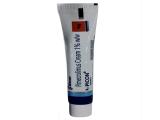
Pimecrolimus cream 1% is a topical calcineurin inhibitor indicated for the short-term and intermittent long-term treatment of mild to moderate atopic dermatitis (eczema) in non-immunocompromised patients aged 2 years and older, where conventional therapies are deemed inadvisable, inadequately effective, or not tolerated. It works by inhibiting the activation of T-cells and mast cells, blocking the production and release of inflammatory cytokines and mediators that cause the redness, itching, and inflammation associated with eczema. Pimecrolimus is applied directly to the affected skin to control flares and, when used at the first signs and symptoms, can reduce the frequency and severity of subsequent flares.
Usual adult dose: Apply a thin layer of Pimecrolimus cream 1% to the affected skin areas twice daily. It should be gently and completely massaged into the skin. Treatment should be initiated at the first signs or symptoms of atopic dermatitis. If no improvement is seen after 6 weeks of continuous use, the diagnosis should be re-evaluated. After the flare has resolved, treatment should be discontinued. Pimecrolimus cream is not for continuous long-term daily use; it is used intermittently to manage flares. Emollients can be applied immediately after use.
Dosage form: Topical cream: 1% strength (10 mg of pimecrolimus per gram of cream). Available in tubes of 10 g and 30 g.
Onset of action: Significant relief from itching and improvement in the appearance of eczema lesions may be seen as early as the first week of treatment, with continued improvement typically observed over subsequent weeks of intermittent use.
Duration of action: Applied twice daily to maintain anti-inflammatory effect. Intermittent use at the first signs of a flare is a strategy employed to prolong flare-free intervals, with clinical data supporting a reduction in the number of flares over time.
Alcohol recommendation: Patients should be aware that facial flushing, rash, burning, itching, or swelling may occur if they consume alcohol during or shortly after treatment with Pimecrolimus cream. This is a known drug interaction and patients should be cautioned about the potential for an alcohol-related skin reaction.
Most common side effects: The most common adverse reaction is a local sensation of burning or warmth at the application site, which tends to be mild to moderate and generally lasts only a few days, resolving as the skin heals. Other common reactions include application site irritation, itching, and erythema. Skin infections such as folliculitis, impetigo, and herpes simplex may occur less frequently. Long-term safety, including the potential risk of skin cancer and lymphoma, is not fully established; therefore, the minimum amount needed for symptom control should be used, and continuous long-term daily use should be avoided. The cream should not be applied to areas affected by acute cutaneous viral infections. Sun protection, including natural sunlight and artificial ultraviolet light, should be employed during treatment. Pimecrolimus should not be used in immunocompromised patients or in children under 2 years of age.
Would you like to try Pimecrolimus cream 1% without a prescription?
Buy Generic Pimecrolimus 1% () without prescription in Canada
At our pharmacy, you can buy Pimecrolimus cream without a prescription, with discreet and anonymous packaging delivered within 5-14 days across Canada.
What is Pimecrolimus Cream?
Pimecrolimus cream is a topical immunomodulator used to treat atopic dermatitis, the most common form of eczema. It's a 1 percent cream applied to the skin to control inflammation, itching, and the redness that comes with eczema flares. It's not a steroid. That's the whole point. It was developed for people who need an anti-inflammatory treatment but can't or shouldn't use topical corticosteroids long-term, particularly on sensitive areas like the face, eyelids, neck, and skin folds.
Atopic dermatitis is driven by an overactive immune response in the skin. T-cells and mast cells release inflammatory cytokines that cause the redness, swelling, and intense itch. Pimecrolimus works by blocking calcineurin, a protein that activates T-cells. By shutting down calcineurin in the skin, it prevents the release of those inflammatory signals. The effect is local, in the skin where the cream is applied. Systemic absorption is minimal, which is why it doesn't cause the systemic immunosuppression that oral calcineurin inhibitors like tacrolimus or cyclosporine can.
The onset of itch relief can happen within 48 hours of starting treatment. Visible improvement in redness and scaling takes a few days to a week. Pimecrolimus is used at the first sign of a flare, the early redness or itch before the rash fully develops. Treating early often stops the flare from progressing. It's also used as maintenance therapy in people with frequent flares, applied twice weekly to areas that tend to break out, to keep the skin calm and reduce the number of flares over time.
Pimecrolimus cream 1% is available in 10 g, 15 g, 30 g, and 60 g tubes. The 30 g tube is the most common size for ongoing use. A little goes a long way because it's applied as a thin layer.
Mechanism and Pharmacology
Pimecrolimus is a macrolactam derivative and a selective inhibitor of calcineurin. Calcineurin is a phosphatase that activates the nuclear factor of activated T-cells (NFAT), a transcription factor that turns on the genes for inflammatory cytokines including interleukin-2 (IL-2), IL-4, IL-5, interferon-gamma, and tumour necrosis factor-alpha. By binding to the immunophilin macrophilin-12 and forming a complex that inhibits calcineurin, pimecrolimus prevents NFAT from entering the nucleus. The T-cell doesn't get the signal to release its inflammatory payload.
The selectivity for T-cells and mast cells is what makes pimecrolimus effective in atopic dermatitis. These are the cells driving the inflammation. Pimecrolimus doesn't affect keratinocytes, fibroblasts, or endothelial cells the way corticosteroids do, so it doesn't cause skin thinning, telangiectasia, or striae even with prolonged use. That's the main advantage over topical steroids.
The molecular size of pimecrolimus is larger than tacrolimus, which limits its penetration through intact skin compared to its cousin. This makes it slightly less potent than topical tacrolimus but also reduces systemic absorption to near-undetectable levels. Even when applied to large areas of inflamed skin, blood levels remain consistently below 1 ng per mL, which is well below any concentration associated with systemic immunosuppression.
Pimecrolimus is metabolized in the skin and, for the tiny fraction that reaches the bloodstream, in the liver by CYP3A4. The metabolites are inactive. The half-life after topical application is irrelevant for clinical purposes because the drug works locally and systemic levels are negligible.
How to Use Pimecrolimus Cream
Apply a thin layer to the affected areas of skin twice daily. Rub it in gently and completely. Don't leave a visible white layer on the surface. More is not better. A thin film is all that's needed. Wash your hands after applying unless the hands are being treated.
Start treatment at the first sign of a flare: redness, itching, or the earliest bumps. Treating early is more effective than waiting until the eczema is full-blown. Continue treatment until the skin is clear. If the flare hasn't improved after 6 weeks of consistent use, see your doctor. Pimecrolimus isn't working for that episode, and a reassessment is needed.
For long-term management of frequent flares, pimecrolimus can be used proactively. Once the skin is clear, apply it twice weekly, about every 3 to 4 days, to areas that commonly flare. This maintenance approach reduces the number of flares and the total amount of cream used over time. Clinical trials showed that proactive therapy cut flare frequency by about half compared to treating only when symptoms appear.
Moisturizers are not optional. They're part of the treatment. Apply an emollient liberally and often. Pimecrolimus can be applied before or after moisturizer. If you apply moisturizer first, wait a few minutes for it to absorb before applying the cream. If pimecrolimus goes on first, wait about 30 minutes before moisturizing. The order matters less than the consistency of both.
If you miss a dose, apply it as soon as you remember and continue with the usual schedule. Don't double up. One missed application won't undo the progress, but regular use is what drives results.
Side Effects of Pimecrolimus Cream
The most common side effect is a local reaction at the application site: burning, warmth, stinging, or itching. This occurs in about 20 to 30 percent of patients and is most noticeable during the first few days of treatment. It's not an allergic reaction. It's the drug working on the nerve endings and inflammatory cells in the skin. The sensation usually fades within a few days as the skin inflammation settles. Applying the cream to cool, dry skin and avoiding hot showers immediately afterward helps. If the burning is intense, applying a cool compress before the cream can take the edge off.
Skin infections are a concern because pimecrolimus suppresses the local immune response. Herpes simplex infections, cold sores and eczema herpeticum, occur at a slightly higher rate in treated patients. If you develop a blistering rash, especially if it's painful or spreading, stop the cream and see a doctor. Bacterial skin infections, impetigo and folliculitis, are also slightly more common. The skin should be examined periodically for signs of infection.
Alcohol intolerance is an unusual side effect. Some people find that drinking alcohol while using pimecrolimus causes facial flushing, redness, and a sensation of heat. This is not dangerous and resolves when the alcohol wears off. It's thought to be related to the drug's effect on mast cells and histamine release.
Photosensitivity. Pimecrolimus itself doesn't cause photosensitivity the way some drugs do, but sunburn damages the skin barrier and can trigger eczema flares. Sun protection, sunscreen, hats, shade, is important for anyone with atopic dermatitis regardless of treatment. Avoid tanning beds and excessive sun exposure.
There is a boxed warning about a theoretical risk of malignancy, specifically lymphoma and skin cancer, based on the mechanism of action and rare post-marketing reports. Calcineurin inhibitors suppress T-cell function, and T-cells play a role in tumour surveillance. After more than two decades of use and multiple long-term safety studies, no causal link has been established. The FDA and Health Canada both acknowledge that the available data do not show an increased risk of malignancy with topical pimecrolimus. The warning remains as a precaution. Pimecrolimus should not be used in patients with compromised immune systems, and it should not be applied under occlusion or on areas of active infection.
High-Risk Groups (Elderly, Pregnancy)
Pregnancy. Pimecrolimus is FDA pregnancy category C. Animal studies using oral doses far higher than topical exposure showed no teratogenicity. Human data are limited but have not demonstrated harm. Systemic absorption from topical use is negligible. The decision to use pimecrolimus during pregnancy should weigh the severity of the eczema against the theoretical unknown. For mild eczema, emollients and possibly low-potency topical steroids are preferred because they have more extensive pregnancy safety data. For moderate to severe eczema on sensitive areas where steroids are problematic, pimecrolimus is a reasonable option. Discuss with your dermatologist and obstetrician.
Breastfeeding. Pimecrolimus is excreted into breast milk in animal studies, but human data are not available. Systemic absorption from topical use is so low that the amount an infant would ingest through breast milk is negligible. The manufacturer advises caution, but most dermatologists consider it compatible with breastfeeding, especially when applied to limited areas. Avoid applying it to the nipple area to prevent direct infant ingestion.
Children. Pimecrolimus is approved for children aged 3 months and older. It's one of the few prescription treatments available for infants with eczema, where steroid phobia among parents is common and the thin skin of babies is more susceptible to steroid side effects. The safety profile in children is similar to adults. The boxed warning applies to all ages. Long-term studies in children have not shown an increased risk of malignancy.
Elderly patients. No specific dose adjustment. The same precautions regarding skin infections apply. Older skin is thinner and more fragile, which is exactly the situation where pimecrolimus has an advantage over topical steroids.
Immunocompromised patients. Pimecrolimus should not be used in patients with congenital or acquired immunodeficiencies, including those on systemic immunosuppressants. The risk of infection and the theoretical malignancy risk are higher in this population.
Interaction With Activities (Driving, Alcohol)
Pimecrolimus cream does not affect alertness or coordination. Driving is unaffected. The cream stays on the skin. There's no systemic sedation or cognitive effect.
Alcohol causes facial flushing and redness in some people using pimecrolimus. This is a known interaction, sometimes called "topical calcineurin inhibitor flushing syndrome." It's not dangerous. It's uncomfortable and visible. The flushing starts within 15 to 30 minutes of drinking and resolves over an hour or two. Not everyone gets it. If you experience it, reducing alcohol intake or avoiding alcohol on days when you've applied pimecrolimus to the face helps. The reaction is thought to be mast cell-mediated histamine release.
Sun exposure should be managed sensibly. Pimecrolimus doesn't cause chemical photosensitivity, but sunburn damages the skin barrier and can trigger eczema flares. Use sunscreen, wear protective clothing, and avoid tanning beds. The cream is not a reason to stay indoors, but sun protection is part of good eczema care regardless.
Drug Interactions
Systemic drug interactions are essentially nonexistent because pimecrolimus is applied topically and systemic absorption is negligible. Blood levels are undetectable or barely detectable even with extensive application. There are no clinically significant interactions with oral medications.
Topical interactions are the relevant concern. Other topical medications applied to the same area can cause additive irritation. If multiple topical treatments are prescribed, discuss the order and timing with your doctor. Emollients are safe and encouraged. Other anti-inflammatory creams, antimicrobials, or drying agents should be coordinated so they don't interfere with each other.
Concurrent phototherapy. Pimecrolimus should not be used at the same time as ultraviolet light therapy (UVB, PUVA). The combination increases the theoretical risk of skin cancer. If you're receiving phototherapy, pimecrolimus should be applied on days when UV treatment is not given, or the cream should be washed off before treatment.
Immunosuppressant drugs taken orally, cyclosporine, methotrexate, azathioprine, biologics, should not be combined with pimecrolimus because of the additive immunosuppressive effect and the theoretical increase in malignancy risk.
Alternative Options
Pimecrolimus is one of several treatments for atopic dermatitis. The choice depends on severity, location, age, and response to other therapies.
Topical corticosteroids are the mainstay of eczema treatment. Hydrocortisone 1% is available over the counter and is appropriate for mild flares on the face and body. Stronger steroids, betamethasone, mometasone, clobetasol, are prescription-only and used for more severe flares. They work faster than pimecrolimus and are more potent. The downside is that prolonged use, especially on thin skin, causes atrophy, telangiectasia, striae, and adrenal suppression with very potent steroids over large areas. Pimecrolimus is steroid-sparing. It's used when steroids have failed, when steroid side effects are a concern, or on areas where steroids are risky.
Tacrolimus ointment (Protopic) is the other topical calcineurin inhibitor. It's available as 0.03% and 0.1% ointment. It penetrates the skin more readily than pimecrolimus and is slightly more potent. The 0.1% strength is for adults. The 0.03% strength is for children aged 2 and older. The burning sensation is more pronounced with tacrolimus than with pimecrolimus. The choice between the two is often about tolerability. If pimecrolimus cream stings too much, tacrolimus may be worse. If pimecrolimus isn't strong enough, tacrolimus is the next step.
Crisaborole (Eucrisa) is a phosphodiesterase-4 (PDE4) inhibitor ointment for mild to moderate atopic dermatitis. It's non-steroidal and non-calcineurin. It causes stinging in about 30 percent of users. It's approved for ages 3 months and older.
Dupilumab (Dupixent) is an injectable biologic that blocks IL-4 and IL-13 signaling. It's for moderate to severe atopic dermatitis that can't be controlled with topical treatments. It's highly effective but requires subcutaneous injections every 2 to 4 weeks and is expensive.
Janus kinase (JAK) inhibitors, ruxolitinib cream (Opzelura) and oral upadacitinib (Rinvoq), are newer options. Ruxolitinib cream is a topical JAK inhibitor approved for atopic dermatitis and vitiligo. Oral JAK inhibitors are for moderate to severe disease.
Emollients and barrier repair are the foundation. No medication replaces the need for regular moisturizing. A good emollient applied twice daily reduces flares, reduces itch, and reduces the amount of medication needed. Cetaphil, CeraVe, Lipikar, Aveeno, and plain petrolatum all work. Find one that feels good on your skin and use it consistently.
INN, Brand Names, and Classification in Canada
INN (International Nonproprietary Name): Pimecrolimus
Available brand names in Canada: Elidel, and generic pimecrolimus
ATC code: D11AH02
Forms and strengths: Cream 1% in tubes of 10 g, 15 g, 30 g, 60 g
Manufacturers: Bausch Health Canada Inc. (Elidel), and diverse generic manufacturers
Registration status in Canada: Registered
Classification: Prescription (Rx)
Getting the Most Out of Pimecrolimus
Pimecrolimus works best when you use it at the earliest sign of trouble. The first hint of itch, the first patch of roughness, that's the moment to apply it. Waiting until the eczema is fully flared and the skin is broken makes it harder to control and more likely to sting.
The burning sensation that occurs in the first few days is not a reason to stop. It's uncomfortable, but it's temporary and it means the drug is engaging with the immune cells in the skin. After a few days, as the inflammation subsides, the burning goes away. Storing the cream in the refrigerator can reduce the stinging sensation. The cool cream is soothing as well as therapeutic.
Pimecrolimus is not a substitute for moisturizer. It's an anti-inflammatory. It stops the immune reaction. The moisturizer repairs and protects the skin barrier. Both are necessary. A common mistake is to use pimecrolimus and neglect moisturizing, or to use moisturizer and expect it to treat a flare. They do different things.
Pimecrolimus is legally classified as prescription-only in Canada. However, through our pharmacy, you can purchase Pimecrolimus cream without a prescription and receive it in discreet packaging anywhere across the country.
Frequently Asked Questions
How fast does pimecrolimus work?
Itch relief often begins within 48 hours. Visible improvement in redness and scaling takes a few days to a week. Treatment is continued until the skin is clear, usually within 3 to 6 weeks for a flare. If there's no improvement after 6 weeks, reassess with your doctor.
Why does pimecrolimus burn when I apply it?
The burning sensation is caused by the drug's effect on nerve endings and inflammatory cells in the skin. It's most noticeable during the first few days and fades as the inflammation settles. Storing the cream in the refrigerator can help. The burning is not an allergy and not a reason to stop unless it's severe.
Can I use pimecrolimus on my face?
Yes. Pimecrolimus is specifically useful on the face, eyelids, neck, and skin folds where the skin is thin and topical steroids are more likely to cause atrophy. It's one of the main advantages of the drug.
Is pimecrolimus a steroid?
No. It's a calcineurin inhibitor. It works through a completely different mechanism than corticosteroids. It doesn't cause skin thinning, stretch marks, or telangiectasia even with prolonged use. That's the main reason it's prescribed.
Can I drink alcohol while using pimecrolimus?
Some people experience facial flushing and redness when drinking alcohol while using pimecrolimus. It's not dangerous and resolves when the alcohol wears off. If it bothers you, reduce alcohol intake or avoid drinking on days when you apply the cream to your face.
Is pimecrolimus safe for babies?
It's approved for children as young as 3 months. The safety profile in children is similar to adults. It's often used in young children where steroid phobia is common and the thin skin of infants is more vulnerable to steroid side effects.
Does pimecrolimus cause cancer?
The boxed warning about lymphoma and skin cancer is based on the drug's mechanism of action and rare post-marketing reports. After more than 20 years of use and multiple long-term safety studies, no causal link has been established. The available data do not show an increased risk of malignancy with topical pimecrolimus. The warning remains as a precaution.
Delivery Information Across Canada
We ship Pimecrolimus cream to all provinces and territories. Delivery times vary depending on how remote your location is:
- Ontario (Toronto, Ottawa, Mississauga): 5 to 7 days
- Quebec (Montreal, Quebec City, Laval): 5 to 7 days
- British Columbia (Vancouver, Victoria, Burnaby): 5 to 9 days
- Alberta (Calgary, Edmonton, Red Deer): 5 to 9 days
- Manitoba (Winnipeg, Brandon): 5 to 9 days
- Saskatchewan (Saskatoon, Regina): 5 to 9 days
- Nova Scotia (Halifax, Sydney): 5 to 9 days
- New Brunswick (Moncton, Fredericton): 5 to 9 days
- Newfoundland and Labrador (St. John's, Corner Brook): 7 to 14 days
- Prince Edward Island (Charlottetown): 7 to 14 days
- Yukon, Northwest Territories, Nunavut: 7 to 14 days
All shipments are packed discreetly with no branding or indication of contents on the outside.


| Shipping method | Delivery time | Price | |
 Delivery Delivery |
14-21 days | 14.95$ | Tracking# available in 4 days |
 Delivery Delivery |
9-14 days | 30$ | Tracking# available in 2 days |
- Shipping worldwide
- Confidentiality and anonymity guarantee
- Safe and secure
- Discrete looking packages
- Dispatch orders within 24 hours
- 100% success delivery


